Choosing Fire Damage Restoration Companies in Malibu California
In Malibu, we measure time by seasons of wind and ocean, by the soft marine layer in the morning and the warm updrafts that roll off the canyons by afternoon. When a fire interrupts that rhythm, there is a moment after the sirens fade when the quiet can feel overwhelming. As a local who has guided families and business owners through these recoveries, I’ve learned that the first decision after everyone is safe is often the most important: choosing a team you trust to help you rebuild. Early on, you will hear advice from neighbors, insurance adjusters, and friends. While those perspectives matter, understanding what truly defines excellent fire damage restoration in Malibu will keep your recovery on the firmest possible footing.
Malibu’s terrain and microclimates create unique restoration challenges. Homes perched on ridgelines take the brunt of wind-driven embers, while properties tucked into canyons may sustain deep smoke intrusion and water damage from suppression efforts. Salt air accelerates corrosion on metals, and steep driveways test logistics for equipment deliveries. A restoration company that knows our roads, our permitting office, and our weather patterns doesn’t just save you time; it protects the fabric of your house from secondary damage that can set in during the first days.
What Local Expertise Really Means
People often think local expertise is simply proximity. In Malibu, it is much more than that. It means an understanding of how smoke travels in coastal breezes, settling differently in homes with high clerestory windows than in lower-slung ranch layouts. It means knowing which canyons see afternoon thermals that lift soot deeper into attics, and which neighborhoods struggle with ash infiltration through aging vents. It also means relationships—with building inspectors, with waste transfer stations that accept fire debris, with vendors who can custom-match reclaimed hardwoods common in older beach cottages, and with roofers who know how to tarp a Mediterranean tile roof without creating new breakage.
When I meet a homeowner for the first time after a fire, I’m not just taking an inventory of damage. I’m listening for how they live: Are the kids’ bedrooms above the garage, where heat tends to concentrate? Is there built-in cabinetry crafted by a local artisan that needs specialized cleaning rather than replacement? Do they keep heirloom rugs that might respond to gentle immersion washing instead of aggressive scrubbing? The right company will ask these questions and more, because mastery here is less about a checklist and more about tailoring the plan to your home, your health, and your timeline.
Credentials, Training, and Transparency
Credentials tell a partial story. Formal training in fire and smoke restoration techniques ensures the team understands the chemistry of soot removal, decontamination, and odor control. Yet training must be matched by transparency. A trustworthy company explains each step in plain language, from initial stabilization and board-up to contents handling and final clearance testing, and puts that plan in writing. If you feel rushed or confused, pause. Restoration is time-sensitive, but clarity is never the enemy of speed. You should know exactly what’s happening in your home, who will be there, and how decisions will be documented for your insurer.
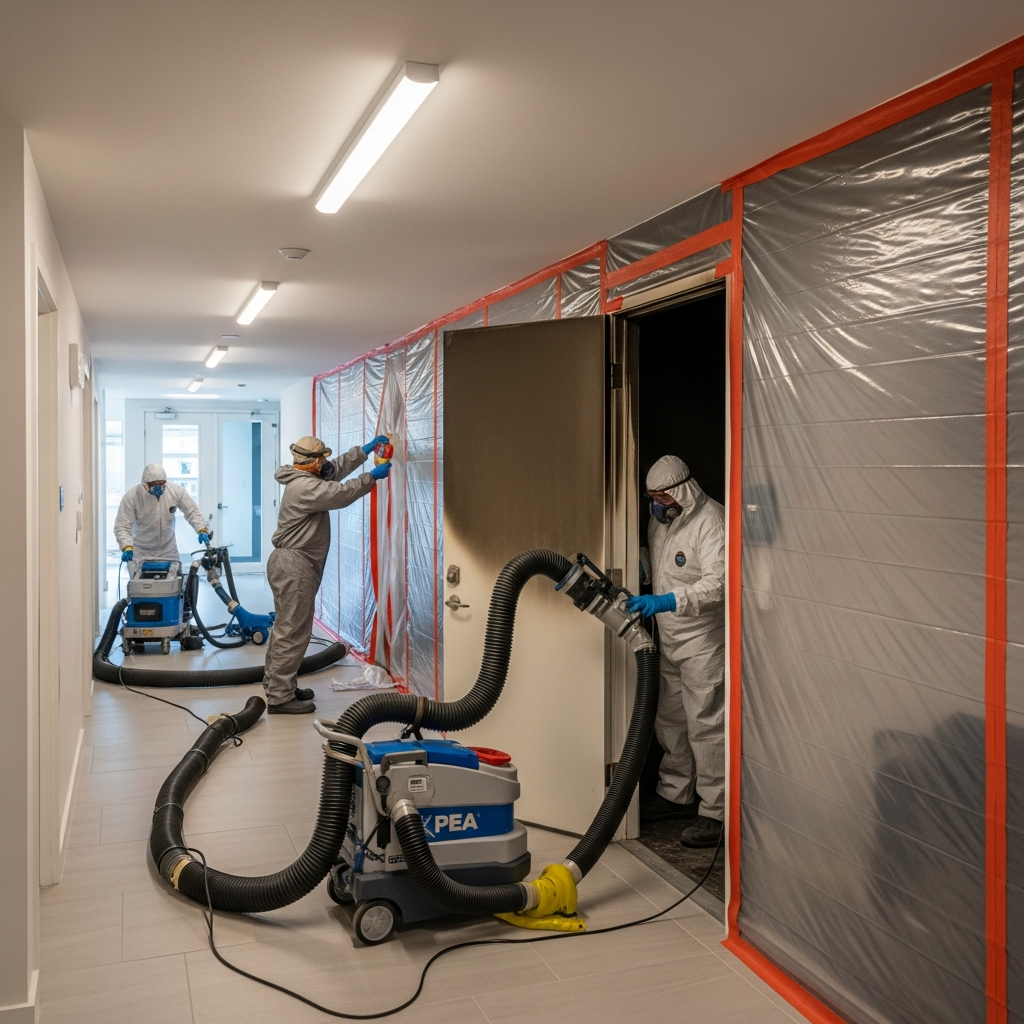
Ask how the company validates that a space is truly clean and safe. For smoke impacts, visual appearance is not enough; microscopic particulates and absorbed odors can linger in insulation, within wall cavities, and inside HVAC systems. Look for teams that combine physical cleaning with negative air pressure, HEPA filtration, and odor remediation techniques that suit the materials in your home. They should also know when to remove and replace instead of cleaning, particularly for porous materials that become reservoirs for odor.
Communication That Reduces Stress
After a fire, information becomes your lifeline. The best restoration companies assign a single point of contact who keeps you updated and anticipates your questions. They will schedule regular walkthroughs, photograph each stage, and maintain a shared log of items removed, cleaned, or discarded. Malibu’s slow, winding roads and gated communities can complicate deliveries and crew access; a company that calls ahead, coordinates with your HOA if needed, and respects neighbors fosters a low-drama environment when you need it most.
Good communication extends to coordination with adjusters and municipal agencies. Your restoration partner should be comfortable facilitating inspections, providing moisture and soot mapping, and making the case for necessary scope on your behalf. They will also speak candidly when something must change in the plan—perhaps a section of roof that looked salvageable must now be rebuilt, or a custom window has a longer lead time than expected. Honest updates prevent small surprises from becoming big delays.
Safety and Stabilization in the First 48 Hours
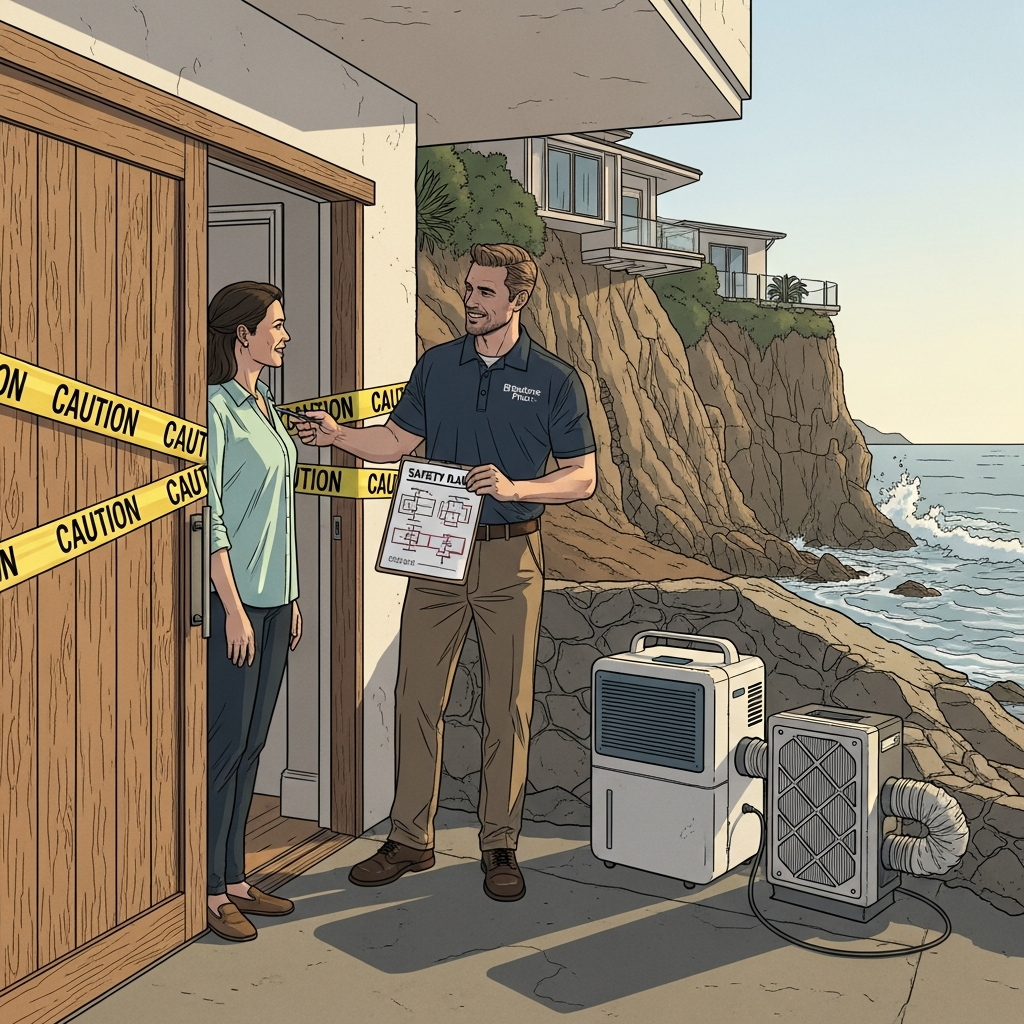
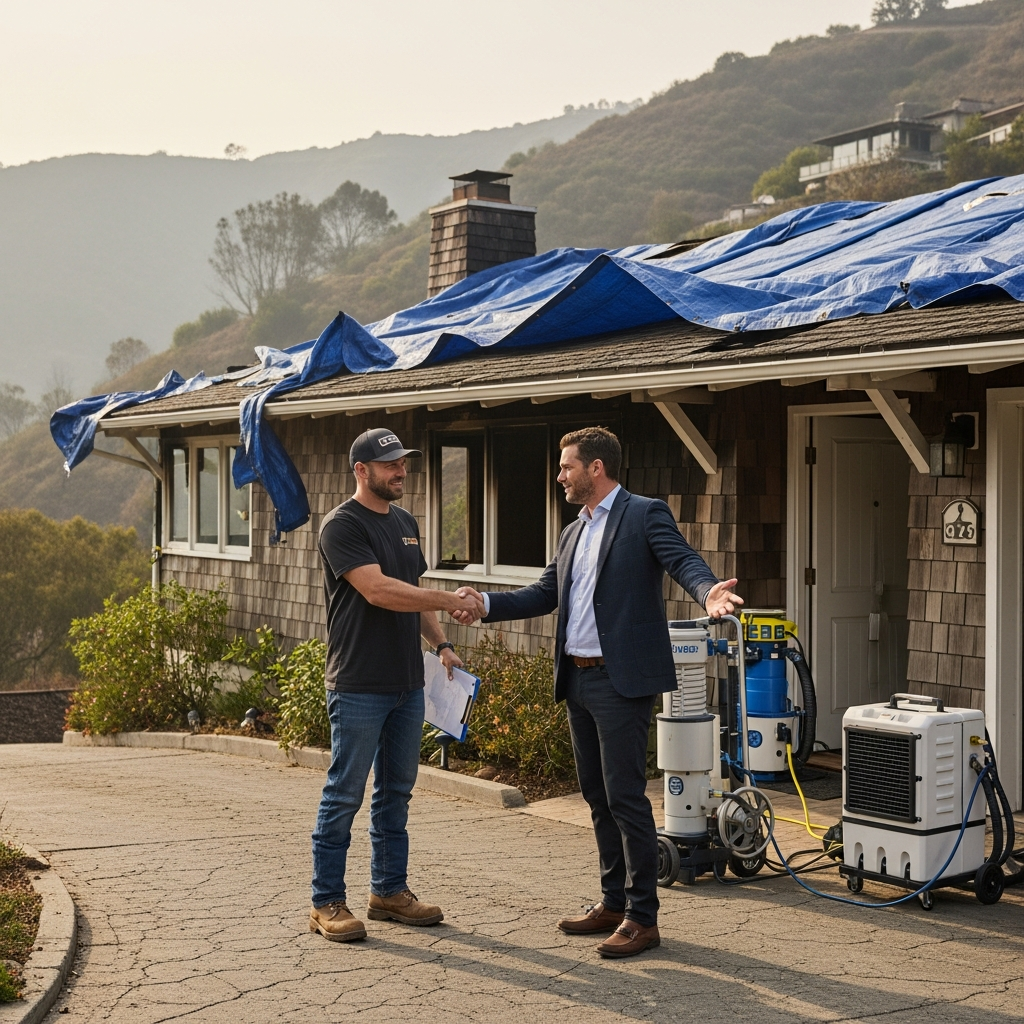
The first two days after a fire are often decisive. Structural shoring, roof tarping, and board-up secure the property from weather and trespass while preventing animals and wind from distributing ash deeper into the home. If water was used for suppression, immediate extraction, controlled dehumidification, and targeted removal of wet materials are essential to prevent microbial growth. In coastal climates like ours, even a mild sea breeze carries moisture that can prolong drying if not managed; conversely, Santa Ana conditions can accelerate evaporation and draw soot deeper into cracks unless negative air is maintained. A seasoned Malibu team threads that needle with the right balance of airflow and capture.
During this stabilization phase, contents are carefully mapped. Items of high sentimental value—photos, instruments, art—receive priority attention, often moving to a climate-controlled facility for cleaning. A meticulous inventory system ensures your possessions come back to the right rooms, labeled and ready, and that anything deemed non-salvageable is documented to support your claim. If you’re present during pack-out, a thoughtful crew will walk room by room with you, noting special instructions for cherished objects and separating what you might need for daily life in temporary housing.
Understanding the Restoration Process
Once the property is secure and stable, the deeper work begins. Dry soot responds to careful vacuuming and light agitation; oily soot requires specialty detergents to emulsify residues without driving them into surfaces. Protein smoke from kitchen fires produces nearly invisible films that carry intensely persistent odors; treating those areas demands patient, methodical cleaning and sealing. A good company sequences the job strategically—ceilings before walls, supply vents before returns—so that freshly cleaned zones aren’t re-contaminated. This choreography matters in homes with open-beam ceilings and lofts common along the coast, where air movement can be complex.
Attics and crawl spaces deserve special attention. Heat often pushes smoke upward into attics where it deposits on rafters and insulation. Insulation that carries odor is typically removed; the framing is then vacuumed, cleaned, and, when appropriate, sealed. In crawl spaces, ash and soot can mingle with coastal humidity to produce corrosive conditions that affect plumbing and wiring. Local teams anticipate this, evaluating these hidden areas as part of a comprehensive plan rather than an afterthought.
When to Clean, When to Replace
No two fires are the same, and neither are the decisions about what to save. Salvaging solid-wood cabinetry with smoke penetration might require removing doors and drawers for separate treatment, then sealing the interiors to lock in odor. Engineered wood and laminate products may not respond as well and can delaminate under cleaning. Stone surfaces can be etched by certain soot types; corrective honing or polishing may be necessary. A seasoned restorer weighs the long-term performance of each item and will be candid about the likelihood of success. Replacement isn’t a failure; it’s a strategic choice to ensure that your home looks, feels, and smells like itself again.
Local experience also informs choices about exterior elements. Stucco can trap soot that bleeds through new paint unless properly cleaned and prepped. Spanish and concrete tiles can conceal wind-blown ash beneath overlaps; a superficial rinse won’t suffice. Decking materials, particularly older redwood, respond differently than composite planks to heat and cleaning agents. The right approach blends building science with craftsmanship so that the finished result stands up to ocean air and seasonal winds.
Clear Expectations with Your Insurer
Insurance adds complexity but also structure to the process. An experienced restoration company understands policy language around direct physical loss, like-kind-and-quality replacement, and code upgrades. They’ll help document pre-loss condition with photos, measurements, and, when available, public records or prior appraisals. They’ll write a clear estimate supported by line-item scope descriptions and supplier quotes for custom elements. Most importantly, they’ll help you prioritize phases so that essential spaces—kitchen, bedrooms, bathrooms—return to service as soon as possible, even if decorative finishes follow later.
In the midst of paperwork, many homeowners find it reassuring to see visible progress on-site. That’s why teams that pair administrative rigor with steady field momentum make such a difference. The smell of clean air returning to a room, the moment a favorite chair comes back from contents cleaning, the day you can safely run the HVAC again—these milestones build confidence that the plan is working and reduce the anxiety that naturally follows a fire.
How to Compare Companies Without a Spreadsheet
It’s tempting to build a comparison chart, but chemistry—human chemistry—matters. Does the project manager look you in the eye? Do they listen more than they talk in the first meeting? Are they candid about what they don’t yet know? Malibu is a small town at heart; reputations travel along the same pathways as coastal fog. Ask neighbors who have completed projects what went right, what they would change, and which team kept their promises. Look for a company that offers references you can actually call, not just polished testimonials. When possible, visit an active job to see how they protect floors, label contents, and keep dust controlled. Clean, organized worksites are a reliable sign of disciplined results.
As you narrow your choices, consider how each company will shepherd you through the middle of the project when initial adrenaline has worn off and final finishes are still weeks away. This is where steady, predictable progress and empathetic communication make the difference between a tolerable experience and a draining one. A firm that knows Malibu’s rhythms will anticipate site access issues around school drop-off on Pacific Coast Highway, will plan deliveries to avoid weekend traffic surges, and will work respectfully with neighbors who may already be sensitive after community-wide fire events.
Mid-Project Course Corrections
Even with the best planning, surprises are part of restoration. Hidden smoke stains behind plaster, prior remodels that left unpermitted wiring, or moisture trapped under floors can all reshape the path forward. The question isn’t whether challenges will appear, but how your team responds. You want a company that brings options backed by clear implications: more time now for fewer problems later, or a faster track that still protects health and structure. When they explain these trade-offs, you’ll feel your own confidence grow, and that, more than anything, carries you through the middle stretch. Should questions arise, a well-chosen partner can point you back to the fundamental goal: returning your life to normal with skillful, compassionate fire damage restoration that you can trust for years to come.
Respect for Health, Air Quality, and Daily Life
Smoke is more than a smell; it is a complex mixture of microscopic particles and gases. Great restoration companies take indoor air quality seriously. They’ll isolate work zones, maintain negative pressure, and monitor particulates so that cleaned areas remain clean. For families with sensitivities or respiratory conditions, they can sequence work to minimize exposure and recommend post-project filtration upgrades. They’ll also consider your day-to-day routine, arranging loud or dusty tasks when you’re away and ensuring temporary accommodations are set up with the essentials you need.
Pets, too, are part of the Malibu household. Crews should plan for pet safety, from securing gates to minimizing open-door time. If you board animals during active phases, your team can coordinate access times so that reunions are smooth and your companions return to a home that’s safe for their paws and lungs alike.
Rebuilding a Sense of Place
Homes here carry stories written in light and air—morning sun through a clerestory window, an afternoon breeze that enters the living room and exits the kitchen. Fire disrupts this choreography, but careful restoration can renew it. I’ve seen families step back into spaces they thought they had lost, surprised to find them brighter and more comfortable than before. That outcome isn’t magic; it is the product of thousands of small decisions aligned with a clear plan and executed by people who care.
When you choose a restoration company in Malibu, you are hiring more than a contractor. You are choosing a partner to navigate a season of your life that you didn’t ask for. Select someone who treats your home with the same respect they would offer a historic bungalow on Point Dume or a hillside retreat in Latigo Canyon. Craftsmanship and kindness travel together here. You deserve both.
Frequently Asked Questions
Q: How soon should I call a restoration company after the fire is out? A: As soon as the property is released by the fire department and it is safe to access. Early stabilization prevents secondary damage, especially from moisture and soot migration. A competent team can often begin assessments the same day and implement protective measures quickly.
Q: Will smoke odors ever fully go away? A: Yes, when the source residues are removed and the structure is properly cleaned, dried, and sealed where appropriate. Odor masking alone does not work long-term. Comprehensive remediation paired with ventilation and filtration brings air quality back to normal.
Q: Can I stay in my home during restoration? A: It depends on the extent of damage and which rooms are affected. Many projects can be phased to keep essential areas livable, while others require temporary relocation for health and safety. Your team should help you decide based on clear criteria.
Q: What should I do with important documents and heirlooms? A: Prioritize their removal early. Many items respond well to specialist cleaning and climate-controlled storage. Communicate sentimental value to your team so they can allocate extra care and resources to those pieces.
Q: How long does the process take? A: Timelines vary based on scope, permitting, materials, and inspection schedules. A transparent company will provide an estimated schedule and update it as work progresses, making sure you understand the critical path and any dependencies.
Talk to a Malibu Restoration Expert Today
If you’re facing the aftermath of a fire in Malibu, you don’t have to map the road back alone. Start with a conversation about your home, your priorities, and the path to making your space whole again. Reach out to a trusted local team for thoughtful guidance, steady communication, and meticulous work from first response through final polish. When you’re ready to move forward, connect with professionals who specialize in Malibu’s unique conditions and who can deliver comprehensive fire damage restoration with the care your home deserves.