In Malibu, where ridgelines meet the Pacific and canyons funnel the wind like bellows, choosing the right team after a fire is one of the most consequential decisions a homeowner can make. The days immediately following a blaze are full of emotion and uncertainty, and yet that is exactly when the groundwork for a successful recovery must be laid. As a local who has walked many properties from Point Dume to Latigo Canyon, I can tell you that the difference between a smooth restoration and a prolonged ordeal often comes down to who you invite onto your site in those first hours. The best partners understand the rhythm of our coastal community, the microclimates that drive smoke behavior here, and how to protect both structure and spirit as your home begins its return. If you are beginning to look for guidance, you will find that experienced fire damage restoration professionals bring not only equipment, but perspective, patience, and a blueprint for progress.
Malibu’s unique geography makes fire recovery different than it is in the flats of a city. Up the canyons, slope and access complicate logistics. Near the beach, salt air speeds corrosion on appliances, fixtures, and electronics that have already been stressed by heat and soot. Winds can deposit fine particulates in places you would not expect: behind marine-grade finishes, inside closed cabinetry, deep in HVAC runs, and even within the joints of natural stone. The restoration firm you choose must be fluent in these realities and ready to handle them without improvisation.
Understanding the Malibu context
From Broad Beach to Serra Retreat, many homes combine wood, stucco, steel, and glass in custom assemblies. That makes every project highly specific. An effective Malibu team will start with a detailed site assessment that tracks how heat, water, and smoke moved through the property. They will evaluate roofing and eaves for embers, frame cavities for hidden moisture from firefighting, and fine finishes for the subtle film that persistent odors cling to. The process is not just technical; it is logistical. Traffic patterns on PCH, nighttime noise ordinances, HOA requirements, and wildlife considerations are part of our local calculus and should be part of your contractor’s plan.
What sets great restoration companies apart
Reputable firms commit to clarity. They explain each phase in plain language, from emergency board-up to deodorization and rebuild, describing not only what will happen but why. They will assign a single point of contact who is present at your property often and reachable when not. They document the condition of your home extensively, because photos, moisture readings, and soot tests are not merely technical—they are the backbone of coordination with adjusters, building inspectors, and sometimes historic review where applicable. You will know you are in good hands when the crew moves with methodical calm, shows respect for neighbors and private roads, and works clean even in chaos.
Licensing, certifications, and local compliance
Before trucks roll, verify state licensure and ask about certifications related to fire and smoke remediation and structural drying. Just as important in Malibu is an understanding of local permitting and environmental safeguards. When materials are removed, they must be handled in compliance with regulations that protect our hillsides and watersheds. A knowledgeable company will coordinate with city officials and be comfortable engaging third-party hygienists or engineers when the situation calls for specialized testing or structural review. It is not about checking boxes; it is about building trust and ensuring the integrity of the work stands up to scrutiny.
Response time and mobilization
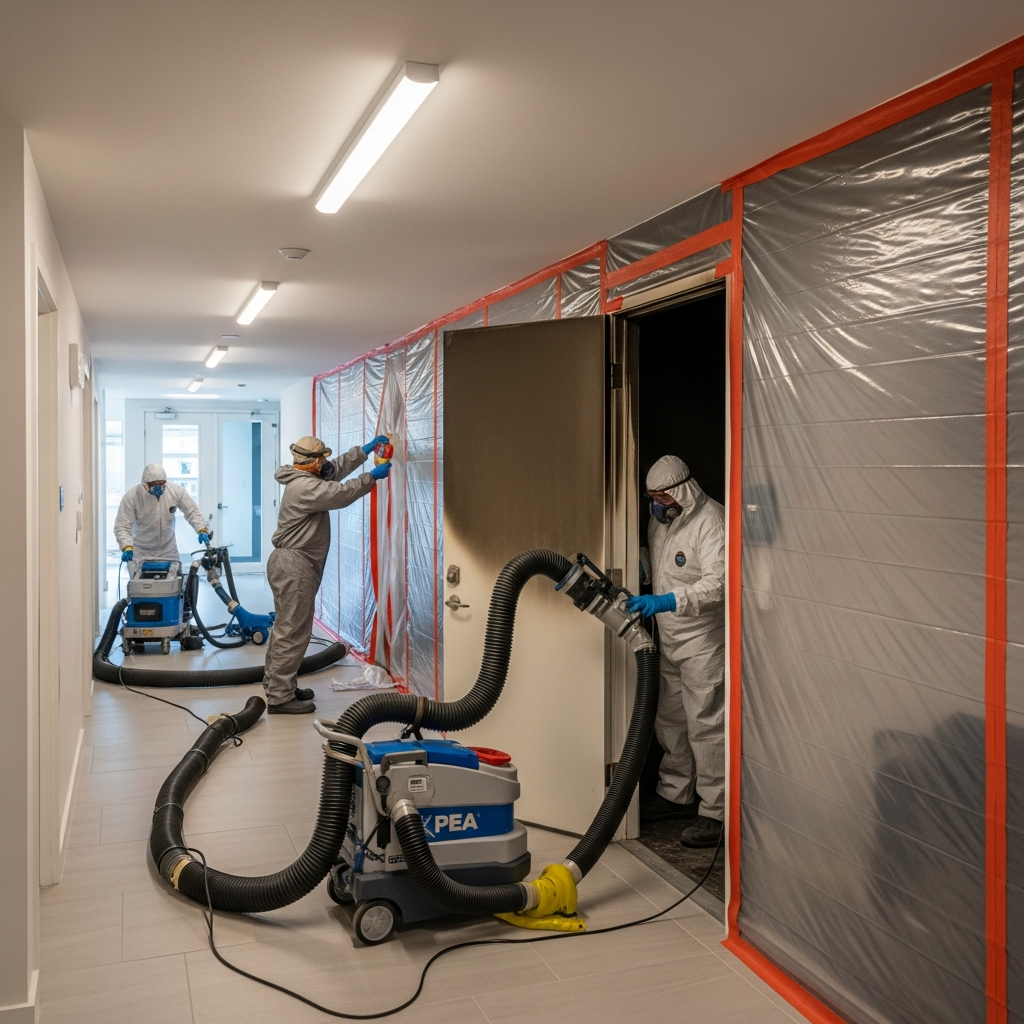
Speed matters, but speed without a plan can create new problems. The first priorities are securing the property, stabilizing the environment, and stopping corrosion. That often means tarping openings, setting HEPA filtration, establishing negative air where needed, and beginning careful removal of wet materials so that drying can proceed without pushing smoke deeper into assemblies. A company that knows Malibu will mobilize quickly, but they will also stage equipment appropriately to respect driveway limitations, private gates, and the fact that many of our homes sit on narrow pads with limited space for dumpsters and laydown areas.
Technical capabilities that matter
On paper, many companies list similar tools. In practice, technique and judgment matter more. Dry sponge and HEPA vacuuming for fragile surfaces, alkaline washes where acidic residues threaten finishes, and corrosion control for metals must be applied with sensitivity to the specific materials in your home. Deodorization should combine source removal with controlled applications like hydroxyl or fogging, not simply mask odors. Contents management is equally crucial. Whether heirlooms are photographed in place and packed out or cleaned on-site, a careful chain of custody is essential. In a community known for bespoke art and custom furnishings, your partner’s experience with high-end contents can be as important as their carpentry.
Midway through most projects there comes a moment where progress feels real. Walls are open and drying, the air smells clean for the first time, and you can see forward momentum. It is also the moment where discipline matters most. The firm you chose should re-assess, recalibrate, and communicate next steps with clarity. That is a good time to ask questions and verify scope. And it is a good time to remember that the right Malibu fire damage restoration partner measures success not by how quickly equipment leaves, but by how confidently you can re-inhabit your space.
Insurance coordination and documentation
While restoration is about building, it is also about storytelling—documenting what happened, what was affected, and how the plan addresses those effects. Experienced teams equip you with detailed reports, room-by-room notes, photographic logs, and readings that substantiate decisions. They communicate with adjusters proactively, flagging concerns early and avoiding surprises. They will also help you understand when third-party specialists are wise, for example when testing for residues in ductwork, or when delicate textiles and artworks require a conservator. This steady cadence builds trust, keeps stakeholders aligned, and shortens the road home.
Red flags and how to avoid them
Be wary of vague scopes, pressure to rush approvals, and guarantees that sound too good to be true. A strong company embraces transparency. If you ask how odors will be eliminated, they explain source removal and the science behind their chosen methods. If you ask about timelines, they present dependencies rather than one magic date. They speak candidly about the uncertainties inherent in opening walls and ceilings after a fire and how they will handle discoveries. Most importantly, they give you references from nearby projects and encourage you to call them. In a place like Malibu, reputation travels faster than any truck.
Preparing your property and yourself
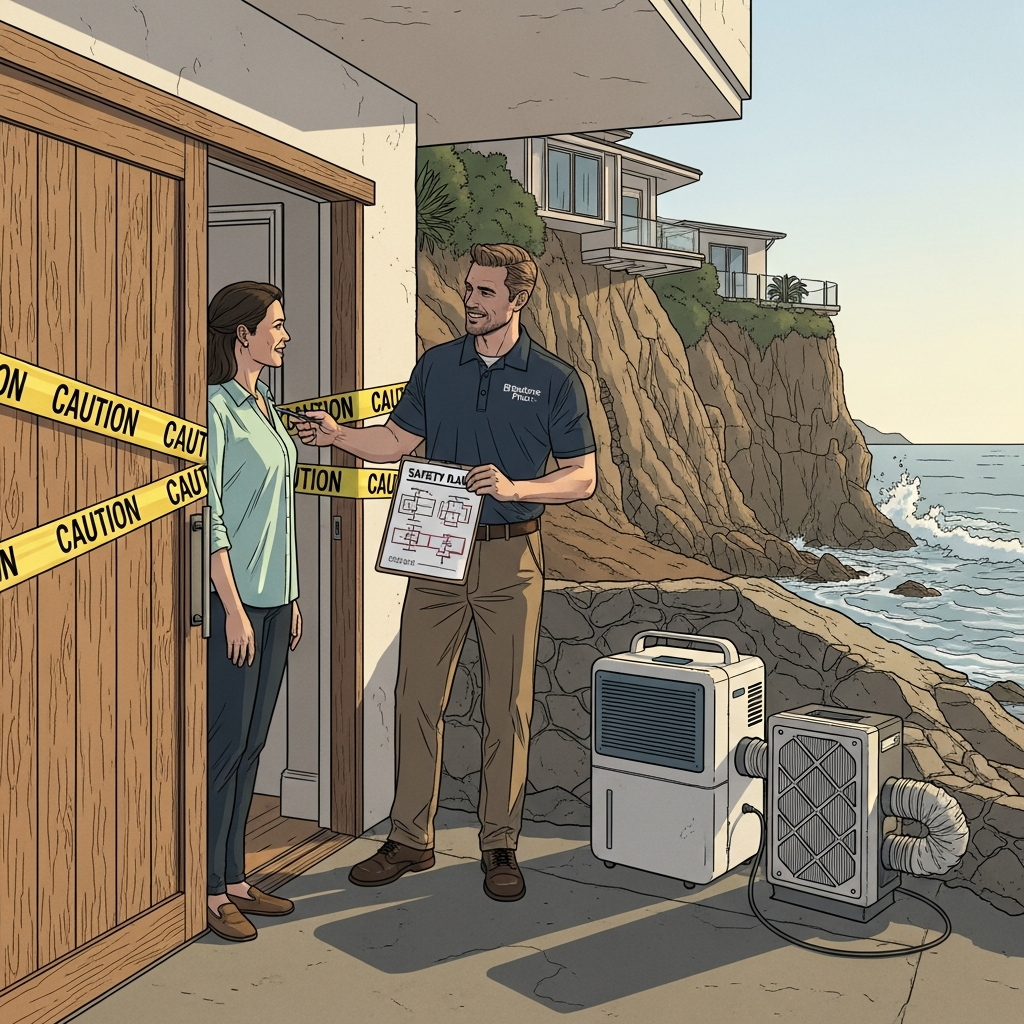
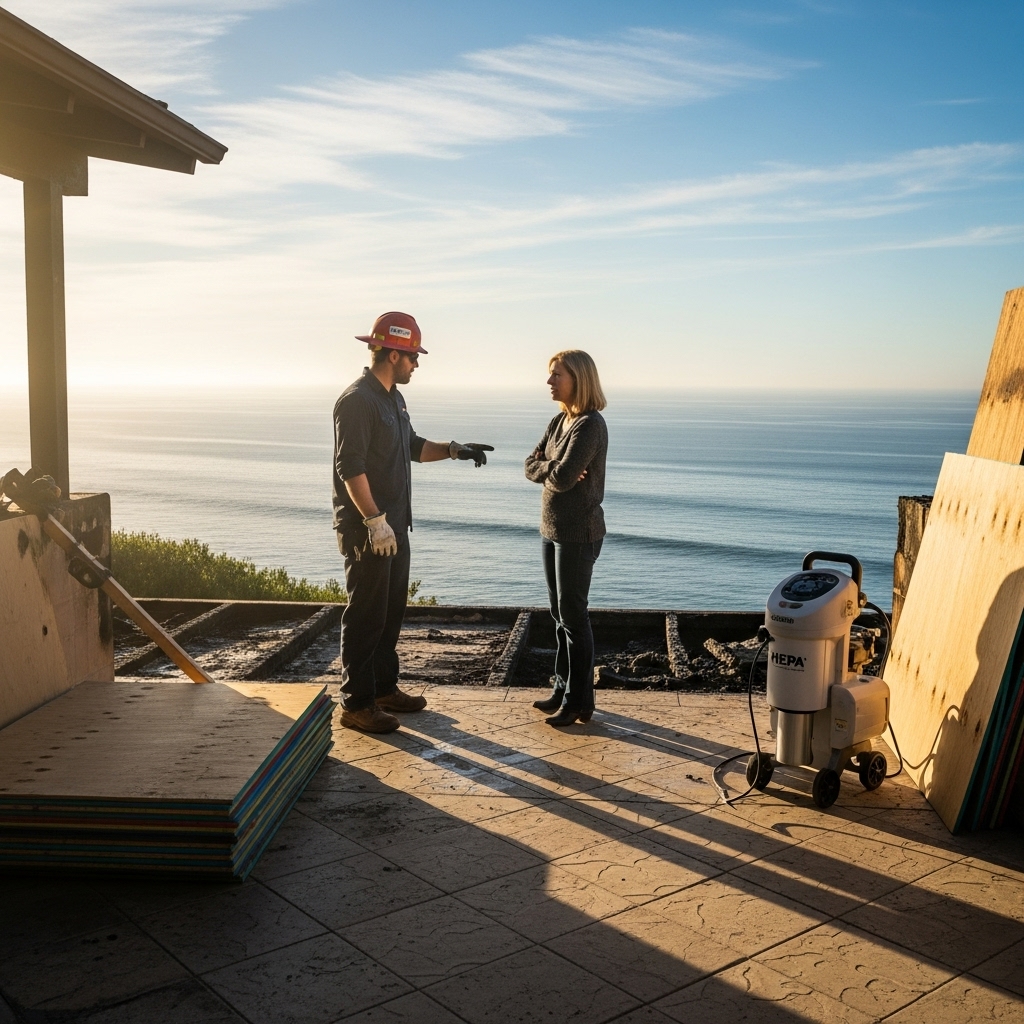
Before work begins in earnest, walk the site with your project lead. Discuss areas of priority for you—maybe it is a particular room, a collection, or a material that has special meaning. Ask how utilities will be managed, how security will be maintained at night, and what access neighbors can expect. Consider creating a temporary home inventory of items that matter most while you are away. And give yourself permission to feel everything you are feeling. The best teams understand that restoration is a human process. They will protect small moments of dignity—covering a family photo before removing a wall, or telling you gently when something cannot be saved and why.
Bringing your home back with care
As repairs move from mitigation to rebuild, craftsmanship becomes the focus. Matching finishes, blending new and existing materials, and coordinating specialty trades requires a manager who sees the whole picture. Malibu homes often involve custom millwork, hand-troweled plaster, natural stone installations, and engineered glazing systems. Each has nuances. You want a company that appreciates that a perfect repair is sometimes the one you do not notice at all, because it integrates so cleanly with what was there. That level of finish depends on the same traits that defined the early days: clear communication, thoughtful sequencing, and respect for the place you call home.
Neighbors sometimes stop to chat during a project and share their own stories of recovery. Those conversations are part of the healing. They remind us that while fire can unite a community in fear, recovery unites us in care. When you select a partner who operates with that spirit, the process becomes more than repair—it becomes an act of stewardship for your home and for Malibu itself.
Frequently asked questions
How soon should I bring a restoration company to my Malibu property?
As soon as the fire department releases the site and it is safe to enter, engage a qualified firm. Early steps like securing openings, addressing water from firefighting, and stabilizing indoor air prevent secondary damage. The right team will move quickly but thoughtfully, documenting conditions before anything is altered so that your claim, your safety, and your peace of mind are protected.
What makes smoke damage in Malibu different?
Salt air accelerates corrosion on metals and electronics, and our winds push fine soot into hidden spaces. Beachside humidity can keep residues active longer, while canyon homes see complex airflow that drives smoke through attics and crawl spaces. These factors call for specialized cleaning, corrosion control, and attention to HVAC and concealed cavities that not every contractor anticipates.
How can I gauge a company’s communication style?
Ask who your single point of contact will be and how often they will be on site. Request sample reports and daily logs from a previous project. Notice whether they answer questions in plain language and whether they tell you what they do not yet know. Good communication feels calm, direct, and proactive.
Will everything be removed at once?
Not usually. A phased approach allows for careful documentation, targeted removal, and strategic drying. Items with sentimental or high replacement value may be cleaned in place or packed out with specialized custody protocols, while building materials are removed in a way that reveals hidden moisture or soot without spreading contamination.
How do I handle neighbors and HOA concerns?
A local-minded company will help you communicate timelines, work hours, and site logistics. They will respect noise ordinances, manage parking on narrow roads, and keep sites tidy. Good neighborliness is not an afterthought—it is an operating principle in Malibu’s close-knit neighborhoods and gated communities alike.
Talk with a local specialist
If you are weighing options and want perspective grounded in Malibu’s realities, reach out to a team that treats every property as if it were their own. The right professionals will meet you where you are, outline a clear path forward, and stay by your side until you are home again. When you are ready to begin, connect with trusted professional fire damage restoration support today, and take the first confident step toward recovery.