Fire and smoke touch a home differently than almost any other event. Even when flames are contained quickly, smoke can move like a tide, drifting through soffits, skimming along ceiling planes, and settling in places you would never expect. In the communities stretching from Calabasas over the ridges to Malibu, that movement is shaped by our terrain and microclimates. This is why fire and smoke damage restoration here demands a local, detail-forward approach that begins with safety and ends only when the air is truly clean and the smallest cabinet corner is free of residue. If you’re evaluating your options now, it helps to start with a trusted primer on fire damage restoration so you can follow each phase with confidence.
Smoke is chemistry, not just odor
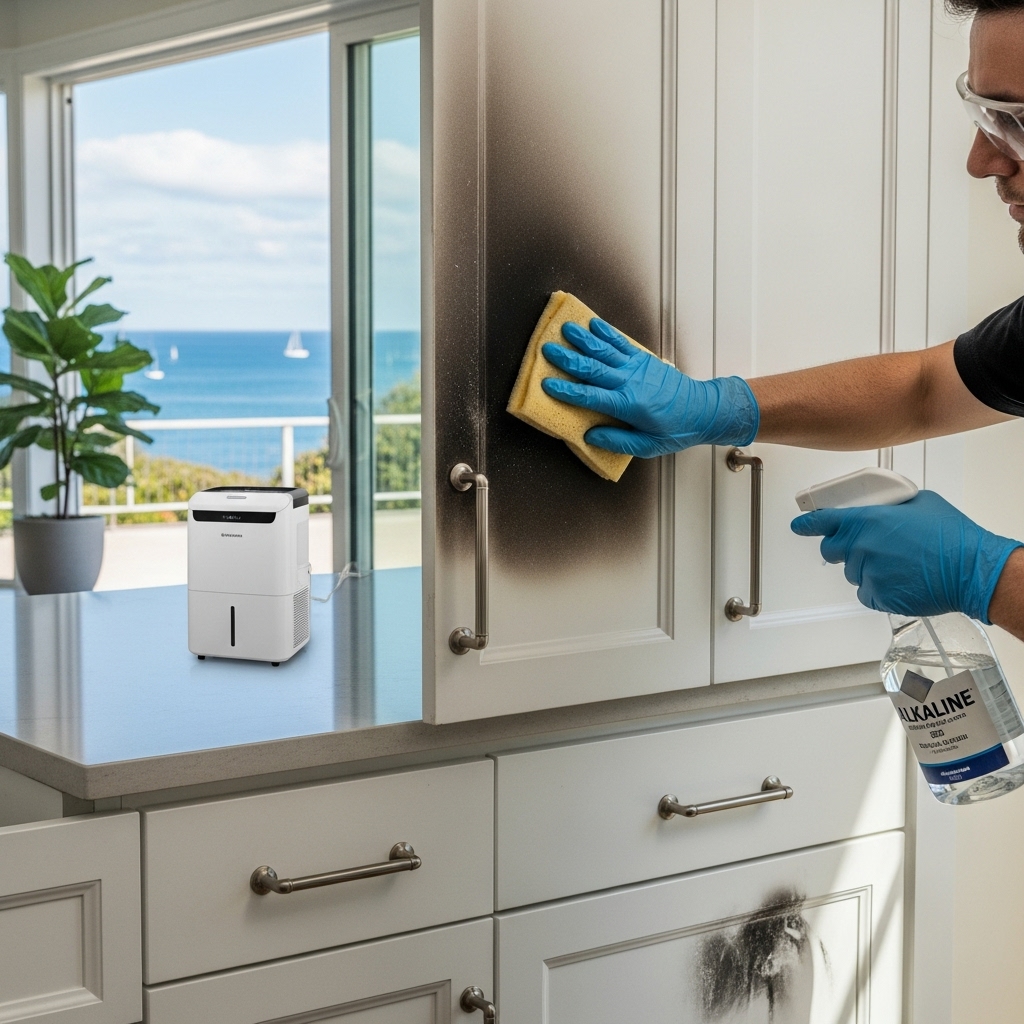
Understanding smoke starts with understanding what burned. Protein-based residues from kitchen incidents are light in appearance but powerful in odor and notoriously stubborn on painted walls and cabinets. Dry soot from wood and paper behaves differently, while plastics and synthetics can produce heavier particulates and acidic residues that etch metals and stone. The best restoration adapts to the residue, using dry-cleaning methods, alkaline or neutral cleaners, and specialty solvents only where needed. That specificity protects finishes while removing the source of the smell.
Why our geography matters
Between Calabasas and Malibu, canyon winds, marine layers, and elevation changes shape smoke travel. Upstairs lofts and ridge-line rooms may collect more residue than first-floor spaces, even if the fire started below. Attic chases and return air pathways can ferry particulates far from the source. Local crews learn to check those spots by habit—behind decorative beams, inside built-in niches, and across high clerestory windows where a faint film can linger if not carefully addressed.
First priorities: Safety and protection
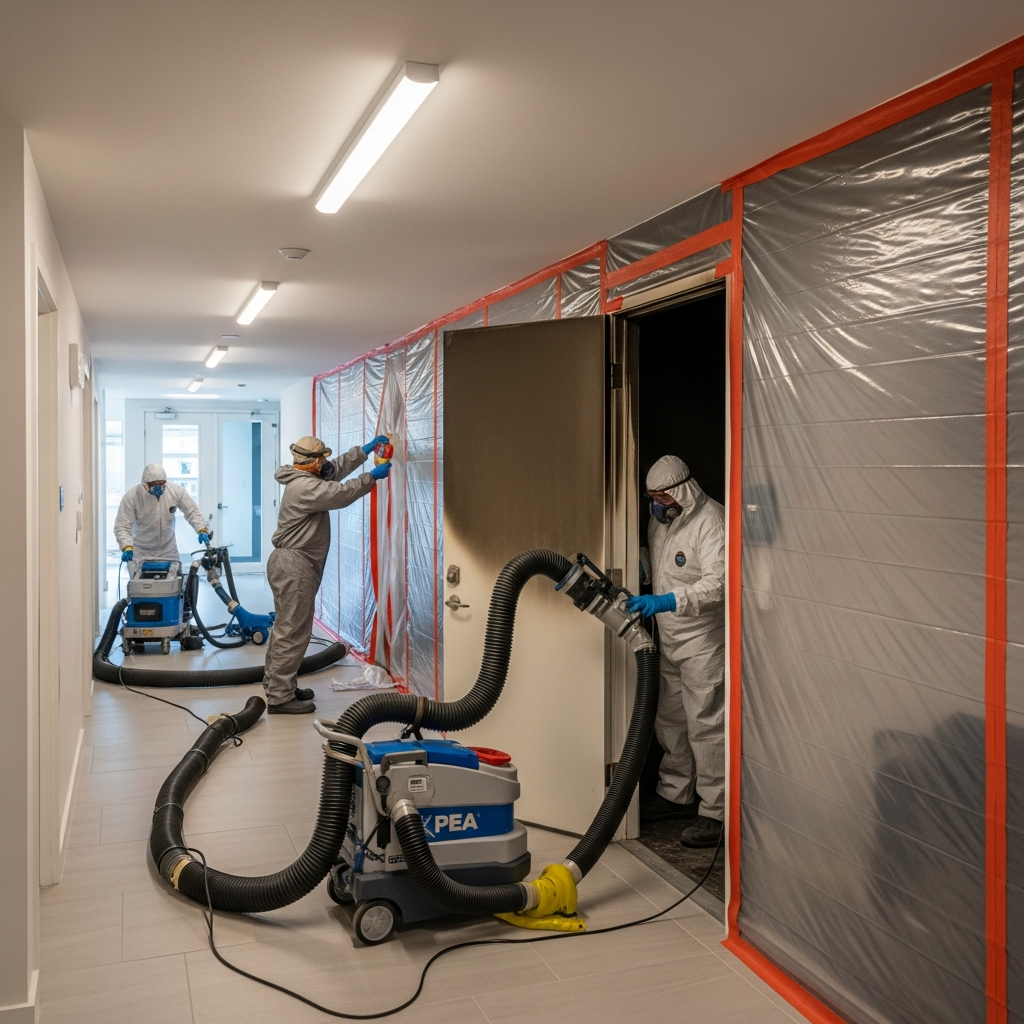
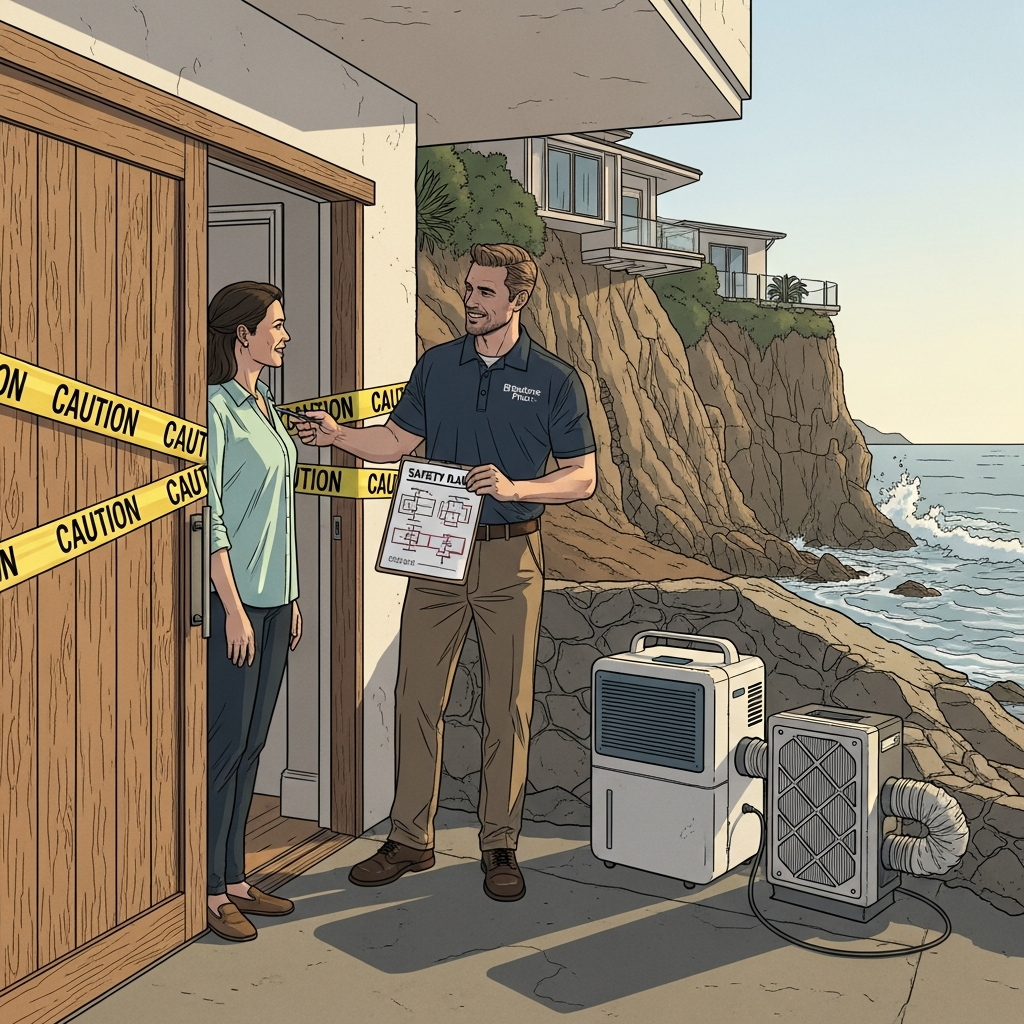
We begin with a safety assessment: structural soundness, electrical hazards, and air quality. Utilities are isolated if compromised. Openings in the building envelope are sealed to keep humidity and coastal salt air from compounding damage. HVAC systems are shut down and protected so they don’t recirculate contaminants. We set HEPA filtration to improve air and begin source reduction by removing debris and heavily affected materials.
Moisture control after suppression
Even small fires can trigger sprinklers or require targeted water application. Moisture wicks into drywall, trim, and framing fast. We map where it went and establish a drying plan tailored to your home. That may include directed air movement, dehumidification, and focused cavity drying to prevent secondary damage and microbial growth. In hillside homes with crawlspaces, we prioritize those areas early, as they can trap humidity.
Cleaning that restores, not just refreshes
Cleaning methods are matched to materials. Textured paints and raw woods demand gentle, incremental approaches to avoid embedding soot. Stone counters and stainless appliances need corrosion control. Cabinets are addressed both outside and inside, paying special attention to hinges and hardware. For contents, we triage: what can be restored on site, what needs specialized treatment off site, and what should be replaced. The guiding principle is always to remove contamination and preserve value.
Deodorization that reaches the hidden places
Odor is the symptom; residue is the cause. Once the visible and accessible residues are removed, we evaluate hidden cavities. Thermal fogging and hydroxyl generation are effective when applied with intent and proper containment. We vent spaces strategically and verify with the most honest metric of all: a clean, neutral smell in every closed cabinet and closet, not just in the open air.
Documentation and communication
A strong record helps you, your insurer, and the entire team. We photograph conditions, log moisture readings, and inventory contents that move for cleaning. We translate technical decisions into plain language and keep you informed so you can make timely choices. Whether you’re living on site in clean zones or staying elsewhere, those updates keep stress down and momentum up.
Coordinating with insurers
Insurance processes can be complex, but clarity speeds them up. We prepare itemized scopes that explain not only what we recommend but why. When adjusters see the rationale—how residue type informs cleaning chemistry, or why selective demolition in a specific area prevents future odor—approvals move faster and align with best practice.
Mid-course corrections
No two projects are identical. Sometimes a section of framing reveals light charring that wasn’t apparent at first. Sometimes a particular textile holds odor longer than expected. We adapt without losing sight of the goal. If you want to compare options or timelines, review foundational guidance on fire damage restoration and we’ll map the route that best fits your schedule and standards.
Health and re-occupancy
Indoor air quality is central to comfort and health. HEPA filtration runs continuously during active work. We build containment to keep clean and work zones separate. When it’s time to reoccupy, we prioritize bedrooms and primary living areas, confirming with odor checks and particulate control. For anyone with sensitivities, we can tailor schedules and product choices to minimize disruption.
Reconstruction and finishing touches
When repairs are needed, we match textures, colors, and profiles to your home’s design. In this region, we often suggest resilient upgrades: ember-resistant vents, thoughtfully sealed attic transitions, and exterior details that reduce ember intrusion. These are subtle but meaningful ways to return not only to pre-loss condition but to a stronger, more prepared home.
Frequently asked questions
How long does smoke odor removal take?
It depends on the extent of residue and the home’s layout. After source removal and cleaning, deodorization typically progresses steadily, with the final result confirmed by room-by-room checks. Complex layouts and heavy residues require more time and layering.
Is it safe to use my HVAC after a fire?
Not until it’s inspected and cleaned. Running an affected system can recirculate soot and odor. We protect the system early, clean ducts and components as needed, and replace filters to ensure clean air delivery.
Can my artwork and books be saved?
Often, yes. Paper goods and art require careful handling and, in some cases, specialized drying or cleaning. Early identification and proper packaging are key to good outcomes.
Will cleaning damage my finishes?
Not when methods are matched to materials. We start gently and increase only as needed, choosing chemistry and tools that remove residues while protecting the finish.
What if odor returns after a few weeks?
That’s a sign of hidden residue in a cavity or porous material. We revisit, reassess, and address the source. A thorough project includes a plan for this possibility and stands behind the outcome.
Next steps when you’re ready
When you want to move forward with confidence, begin with a clear understanding of each phase and choose a team that knows our hills and coast as well as the chemistry of smoke. Explore the fundamentals of fire damage restoration and reach out to start a plan that brings your home back to a clean, comfortable, and truly restored state.