Wildfire season in Malibu is not a single event; it is a rhythm woven into fall winds, summer droughts, and the shape of canyons that funnel embers toward the coast. When flames crest a ridge and the sky turns sepia, the best response is built on preparation, calm logistics, and hard-won local experience. The finest results after a wildfire are rarely about a single technique—they come from a sequence of smart moves that begin the moment an area reopens: stabilizing the structure, mapping soot and ash patterns, protecting belongings, and restoring indoor air. If you are reading this as you return to a smoke-darkened home, remember that damage can be reversed. With skilled fire damage restoration, Malibu homes can regain their clarity, their light, and their familiar scent of ocean air.
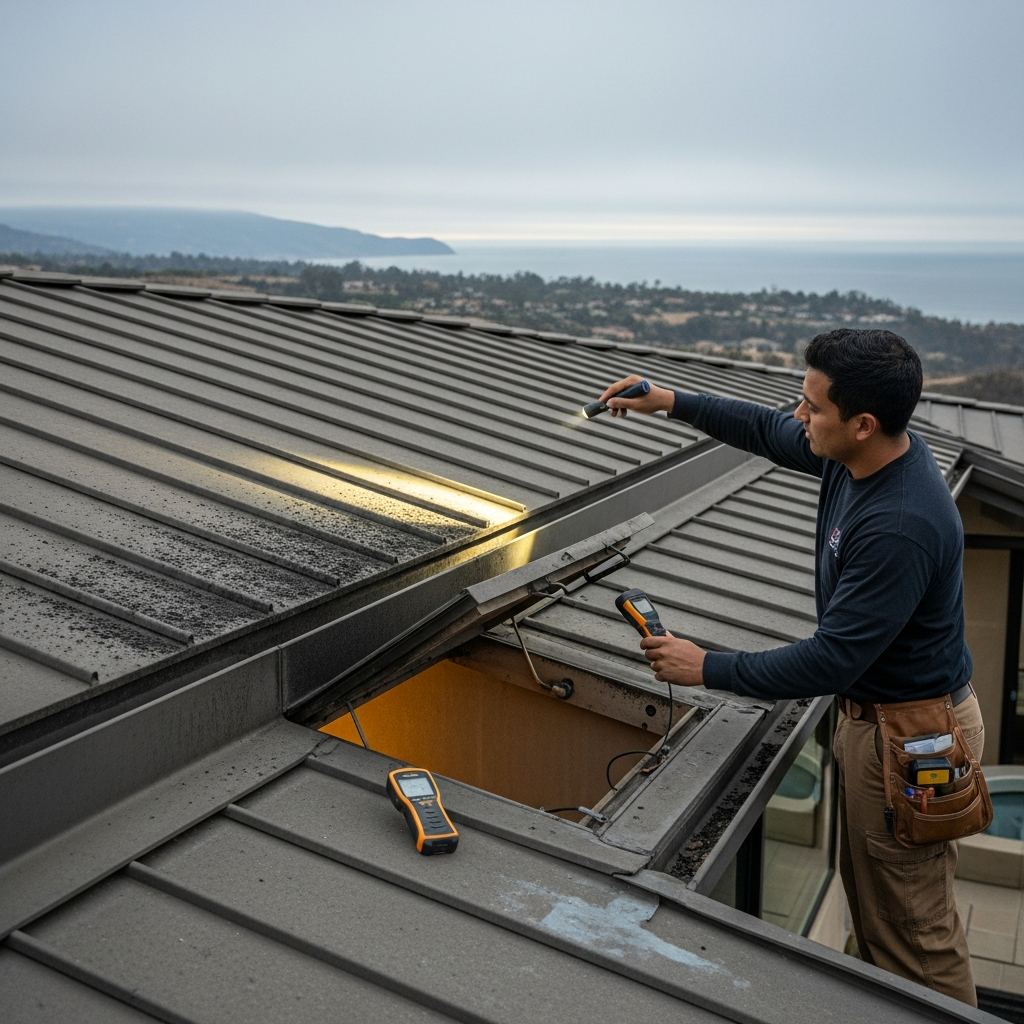
Every wildfire leaves its own signature. One storm of embers may pepper a roof and attic vents, while another drifts a fine, gray powder through the tiniest cracks around windows and doors. In Malibu, the way winds run down Las Flores, Corral, and Latigo Canyons dictates where ash collects; homes on windward slopes often see heavier sooting on the exterior, while leeward rooms may take in odor without visible residue. Recognizing those patterns early tells us where to open inspection points, where to create negative pressure, and which surfaces need immediate attention to avoid permanent staining.
Stabilization and Safety First
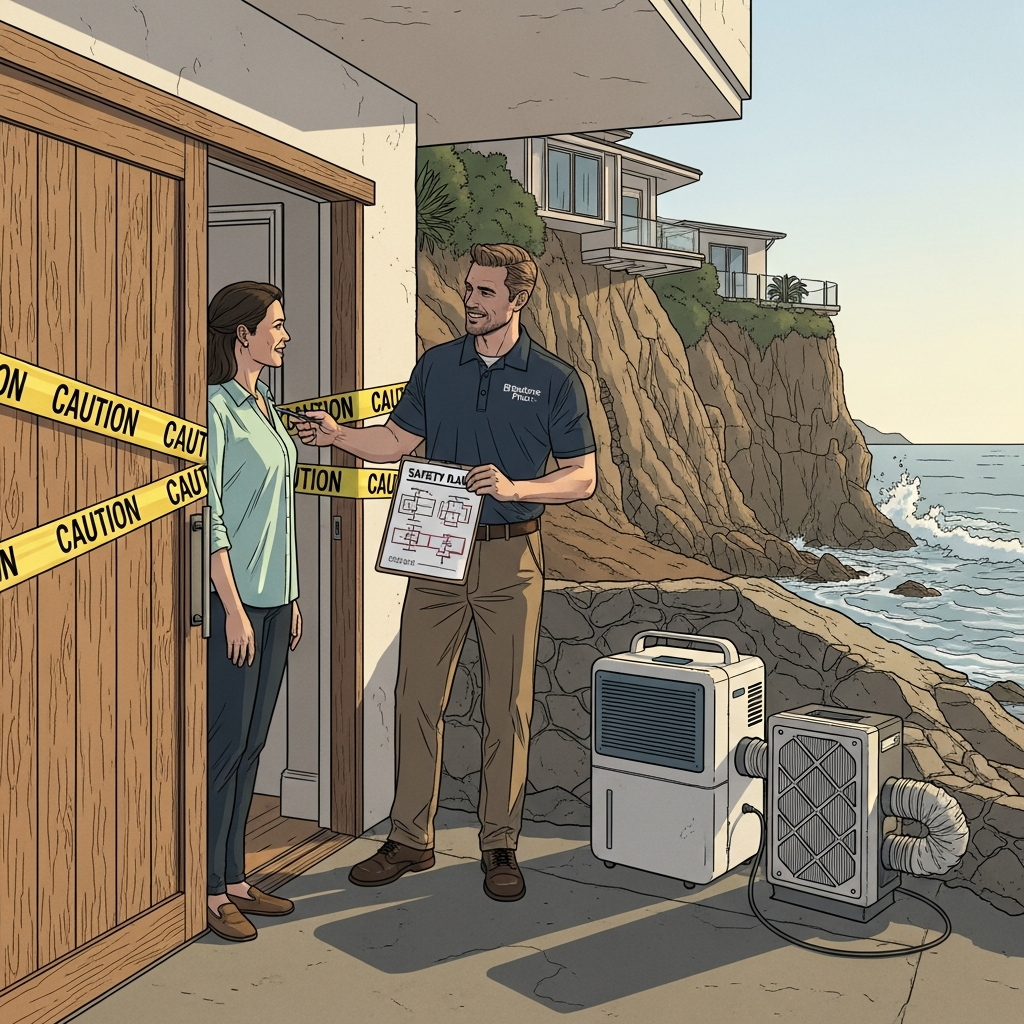
Even when flames have passed, hazards can remain. We secure utilities, evaluate structural elements heated beyond their tolerance, and board broken glazing that might still be shedding shards. Malibu properties with large spans of glass, clerestories, and roof decks need particular care; thermal shock can weaken frames and seals, inviting coastal moisture to mingle with soot. By sealing the envelope and separating impacted zones, we prevent a house from “re-sooting” itself as crews move through.
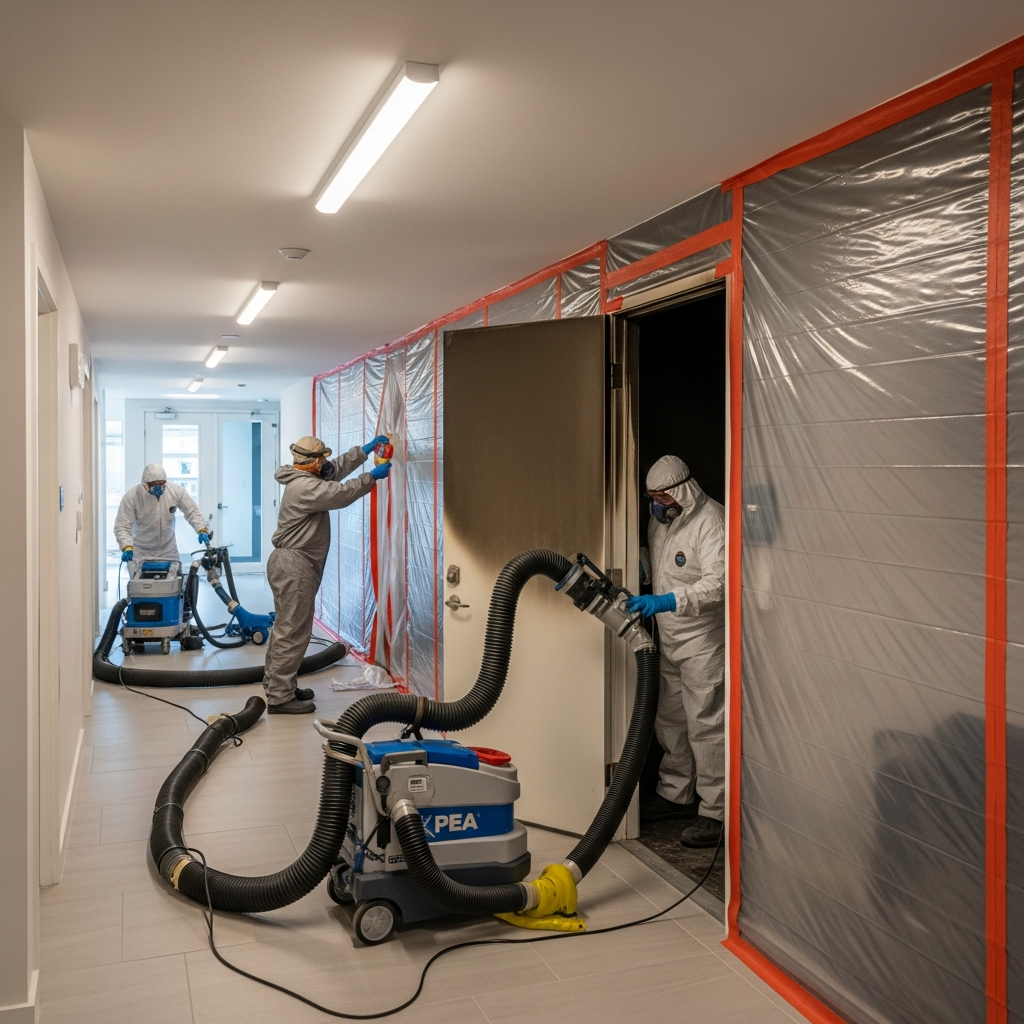
We also protect indoor air from day one. Portable HEPA filtration, strategic ventilation, and containment barriers keep particles captured. The marine layer that drifts in before sunrise can paint a deceptive picture—odors seem stronger as cool air traps them—so we schedule early deodorization steps for those hours, ensuring our treatments align with the day’s weather pattern.
From Soot Mapping to Thoughtful Cleaning
The best restoration follows testing, not guesswork. We sample residues to distinguish dry soot from oily deposits and adjust cleaning chemistry accordingly. Dry residues respond to gentle lifting and controlled vacuuming; smearing them with wet cleaners only fixes the problem into paint and plaster. Oily residues demand a different approach, often with alkaline solutions and dwell times tailored to the surface. Malibu’s mix of plaster, natural stone, and bespoke millwork means we proceed carefully, prioritizing surfaces that can etch or discolor if soot sits too long.
Contents care unfolds in parallel. Artwork, books, and textiles move to clean environments where appropriate, while electronics are protected from further particulate exposure. We label, photo-document, and maintain chain-of-custody so insurance conversations remain straightforward. Families often sigh with relief when they learn how many items can be saved; the best outcomes frequently come from early, well-ordered triage rather than aggressive, unfocused cleaning.
Odor, Air Quality, and the Return of Normal
Eliminating smoke odor is the heart of feeling “home” again. We combine ventilation, hydroxyl or ozone as appropriate, and targeted sealing of porous substrates. We verify results not only by smell but through particle counts and surface testing, repeating steps where needed. Malibu’s coastal setting complicates this work in subtle ways—salt air, marine fog, and afternoon winds all shift how odor expresses—so timing matters as much as technique.
As the project reaches the middle innings, momentum is everything. Rooms start to clear, windows brighten, and routine returns. This is when communication turns good work into the best work. We map progress with photographs, align schedules with inspectors or HOA requirements, and fine-tune sequencing so trades do not overlap and recontaminate spaces. It is also where proven fire damage restoration practices ensure each day builds on the last, moving from cleaning to selective repairs with minimal backtracking.
Rebuilding with Resilience
Wildfires invite a rethink of home defenses. We discuss ember-resistant venting, tighter attic sealing, and landscaping that creates defensible space without sacrificing beauty. Decks, soffits, and window assemblies often benefit from upgraded materials or details that resist ember intrusion. The aim is not to change Malibu’s character, but to enhance survivability in the face of a climate that asks more of our homes each year.
Above all, we do this with respect for the pace of life here. School drop-offs at Pepperdine, early surfs at First Point, a sunset walk at Zuma—restoration should return these rhythms, not elbow them aside. That is why the best results are as much about coordination as craftsmanship, keeping families informed and decisions transparent from beginning to end.
Frequently Asked Questions
How do you know which rooms to clean first after a wildfire?
We start with soot mapping, wind analysis, and the rooms that restore core functions early—bedrooms, kitchens, baths—so life begins to feel familiar again while deeper cleaning continues. Testing residue type helps us choose methods that work the first time.
Can wildfire ash be harmful if left unattended?
Yes. Fine ash contains particles that irritate lungs and can etch finishes if it absorbs moisture. Early containment, HEPA filtration, and controlled cleaning protect both health and materials, preventing avoidable secondary damage.
Is it better to replace smoky items than try to save them?
Not always. Many items clean beautifully when handled quickly and correctly. We test-clean to demonstrate likely outcomes before you choose, then establish chain-of-custody for anything sent off-site for specialized treatment.
What if my house smells fine in the afternoon but smoky at dawn?
That is common in Malibu. Cool, damp morning air holds odor closer to surfaces. We verify deodorization across multiple weather windows to ensure results are real and lasting, not just masked by time of day.
How long does a top-quality restoration take?
Severity, square footage, and permitting drive timelines. Stabilization can be quick; comprehensive cleaning and deodorization may take several weeks; rebuilds vary by scope. We present a roadmap at the outset and update it with clear checkpoints.
Do you coordinate with HOAs and local inspectors?
Yes. We schedule inspections around known traffic patterns and community rules, minimizing delays and ensuring work proceeds smoothly within local requirements.
Your Home, Restored to Its Best
If a wildfire has left its mark on your property, choose a partner who understands Malibu’s winds, materials, and rhythms. We will stabilize, clean, and rebuild with a standard that feels invisible when it is done—because home should look and smell exactly like itself. When you are ready, take the next step with expert fire damage restoration and let your rooms fill again with ocean light rather than smoke.