Living and working between Calabasas and Malibu, you learn to read the seasons differently. You can feel it in the late summer heat that clings to the canyon roads, in the way the winds pick up and sweep down from the passes, and in the quiet vigilance neighbors keep year-round. When a wildfire or even a small interior fire breaks out, the aftermath can feel overwhelming—smoke woven into every fiber, water soaking structural cavities, and ash somehow finding its way into sealed cabinets. In those moments, the best fire damage restoration is less about equipment alone and more about local knowledge, clear communication, and a methodical plan that gets you safely back into your home. If you’re navigating that situation now, there’s real value in beginning with a trusted resource for fire damage restoration so you can see what a thorough, local-first approach looks like.
Why local expertise makes a difference
Calabasas and Malibu share a landscape of chaparral hillsides, coastal humidity shifts, and winding routes that can complicate access during and after an incident. A team that knows which canyons funnel wind, which neighborhoods tend to accumulate windblown embers, and how marine layer moisture can change smoke behavior will anticipate problems before they balloon. That local insight also extends to logistics: staging equipment where it won’t block narrow driveways, coordinating with city inspectors familiar with hillside properties, and planning around road closures that sometimes linger after an event.
Beyond geography, there’s a rhythm to restoring homes here that respects how families live, how pets respond to disruption, and how treasured items—from surfboards and vintage amps to heirloom rugs—should be handled. The “best” is not a badge you declare; it’s the standard you prove in each decision, from the first safety walkthrough to the final odor-neutral test.
Safety and stabilization come first
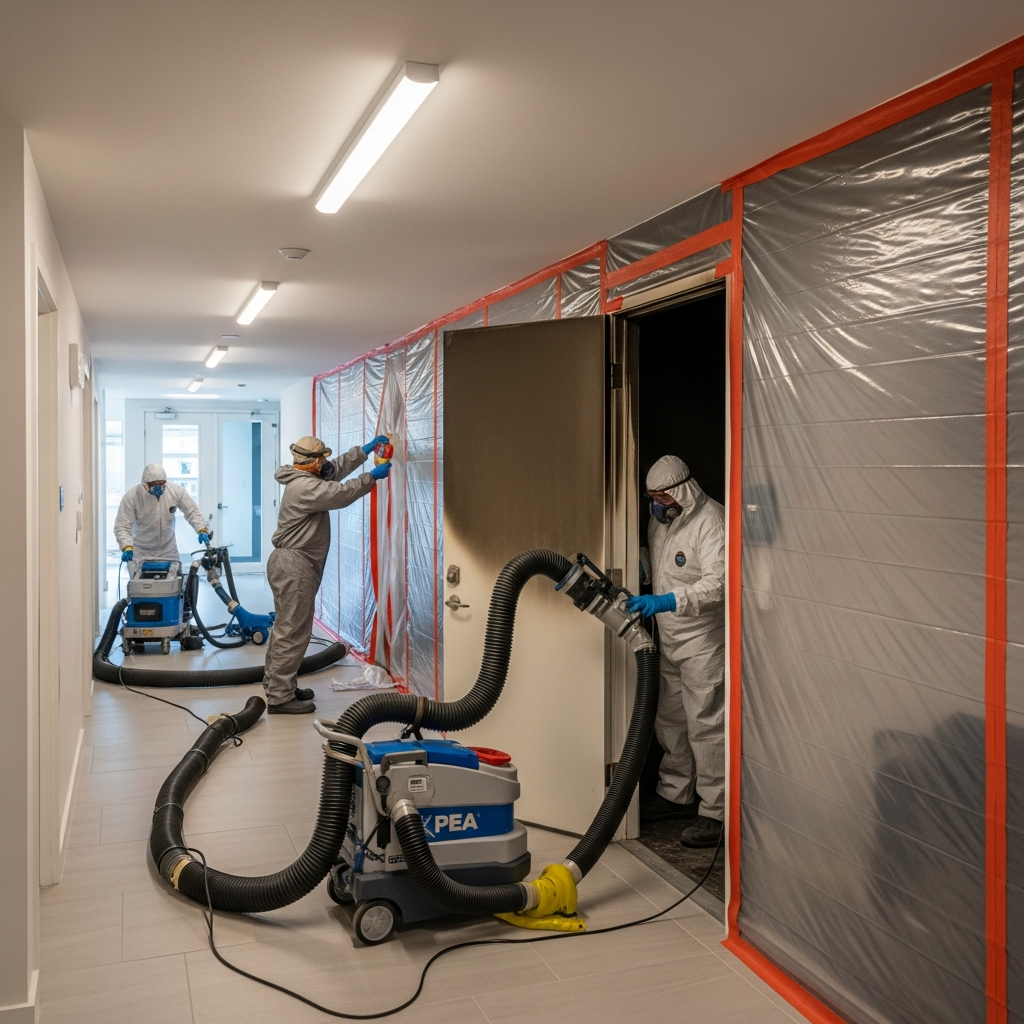
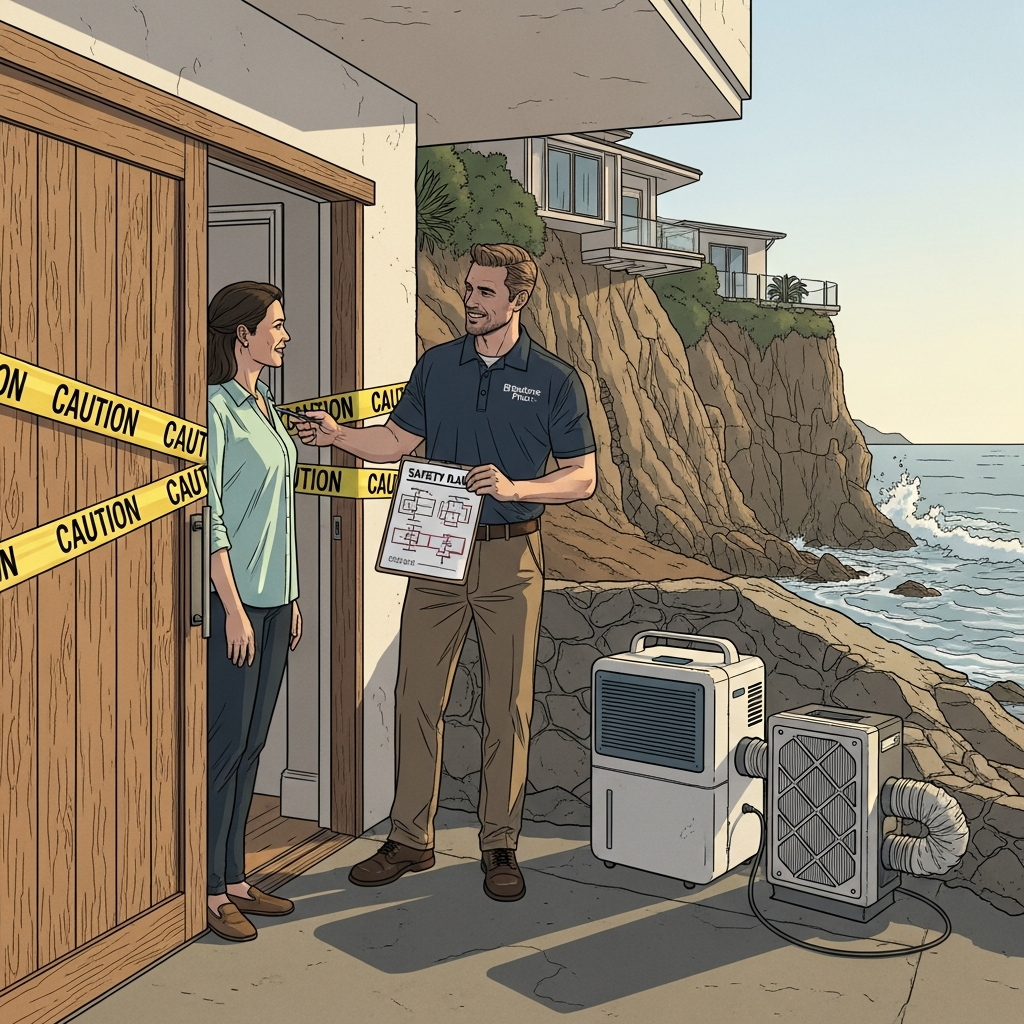
When we arrive at a Calabasas address that serves a Malibu household—quite common for families who split time or commute across the canyon—the first priority is safety. Structural integrity, electrical hazards, and air quality are assessed before any cleanup begins. Walls and ceilings that took heat or water are checked for hidden damage. HVAC systems are isolated to prevent smoke particles from circulating further. If there’s roof or window compromise, board-up and weatherproofing protect the property while the deeper work gets organized.
Stabilization also means protecting what can be saved. Salvageable contents are grouped by material and sensitivity. Paper goods and artwork may head for rapid drying and special handling, while textiles often get pre-treated before a detailed deodorization plan. Time is a major factor—so is knowing which materials respond best to dry versus wet cleaning, and when to use negative air or HEPA filtration to control contamination spread.
The anatomy of thorough fire cleanup
True restoration starts once safety is assured. Smoke and soot are complex; protein fires from kitchens produce a thin, greasy residue that clings differently than soot from burning wood, and what settles in a beach-adjacent home isn’t exactly the same as a foothill property. Cleaning agents and techniques are selected accordingly. Nonporous surfaces may respond to alkaline cleaners, while delicate finishes need dry sponges and precise solvent use. The goal is to remove, not simply mask, contamination.
Deodorization works best when layered. Source removal comes first—heavy soot on trusses, insulation that can’t be salvaged, and debris in chases or under flooring have to go. Then we treat air and materials together. Hydroxyl generation can work while crews are present, breaking down odor molecules over time, while thermal fogging penetrates cavities to neutralize odor at the microscopic level. These tools are effective, but they have to be applied judiciously, with adequate ventilation, temperature control, and monitoring.
Water, moisture, and hidden damage
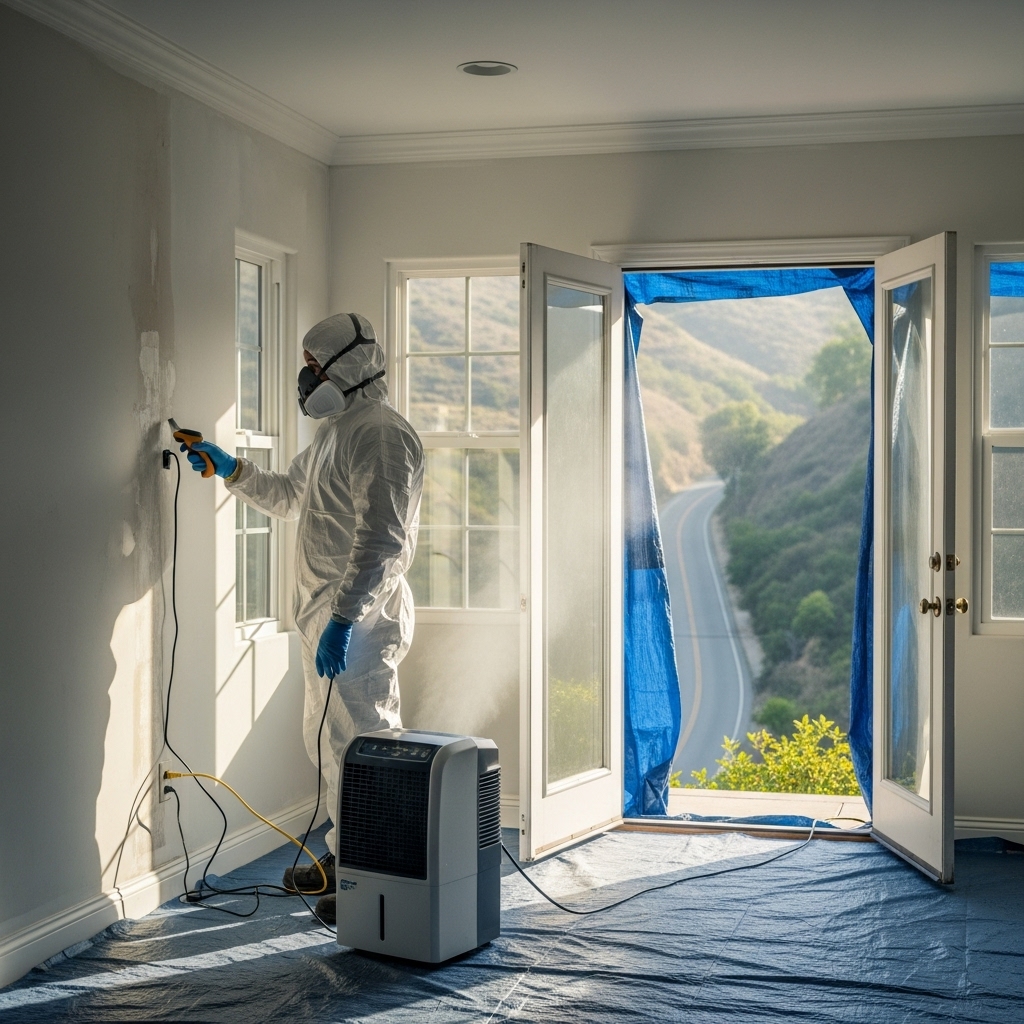
Most fire scenes include water—from sprinklers, fire hoses, or suppression efforts. That means restoration overlaps with water mitigation. We track moisture migration using meters and thermal imaging, not just to find wet drywall, but to understand how water traveled into sill plates, subfloors, and insulation. Drying plans like focused dehumidification and directed air movement are adapted to the home’s build style. In hillside houses where crawlspaces and cantilevered sections abound, we treat those areas early to prevent secondary damage or microbial growth.
Documentation throughout this phase is crucial. Photos, moisture logs, and material inventories create a clear record for insurance and for you, so you understand every recommendation and know where things stand at any moment.
When restoration becomes rebuilding
Some fires leave cosmetic damage; others require reconstruction. Matching Malibu coastal palettes and Calabasas craftsman details is part of returning your home to its pre-loss condition. That involves careful coordination with permitting offices, neighbors’ schedules, and your own plans. We also encourage resilient upgrades where practical—smoke-resistant insulation, ember-resistant vents, and attention to attic-to-eave transitions. These are not merely buzzwords here; they represent hard-won lessons from previous seasons that can make a home both beautiful and better prepared.
Communication that reduces stress
In crisis, clarity is a comfort. The best restoration teams establish a cadence of updates: what’s complete, what’s next, what decisions are needed, and when you can expect milestones. That includes guiding you through insurance documentation, coordinating vendor schedules, and offering realistic timelines. If you’re splitting time between Calabasas and Malibu during the work, remote check-ins and image updates help you stay on top of progress without unnecessary trips.
Working with insurers without losing your voice
Coverage varies, but the process benefits from strong, transparent documentation and a team that can explain technical needs in plain language. We prepare detailed estimates, clarify line items, and advocate for the methods that best protect your property. When adjusters understand why a selective demolition preserves structural integrity or why certain finishes require specialized cleaning, approvals move faster and outcomes improve.
Mid-project realities and staying on course
Even well-planned projects encounter surprises—hidden charring, stubborn odor pockets, or supply backlogs. The key is addressing them promptly and explaining your options clearly. Sometimes a minor scope change, like switching from encapsulation to selective replacement in a specific bay, will save time and produce a better finish. When you’re evaluating options midstream, it’s helpful to reference a guide like this and compare it with best practices for fire damage restoration so you can decide with confidence.
Special considerations for coastal and canyon homes
Homes closer to the water often experience salt-laden air that interacts with soot and metals, accelerating corrosion on fixtures, electronics, and structural connectors. A prompt, targeted wipe-down and protection plan can make a meaningful difference. Canyon and ridge homes, by contrast, may have complex ventilation paths and inaccessible cavities that need targeted negative air and selective opening to ensure clean air returns quickly. Understanding these nuances helps prioritize where to act first and which materials to test for residues.
Protecting health every step of the way
Air quality is more than a comfort; it’s a health concern. Soot particles and volatile compounds can linger if not managed properly. Crews should wear appropriate PPE, set containment where needed, and deploy HEPA filtration in occupied areas. For families with sensitivities or young children, we plan re-entry in phases, beginning with thoroughly cleaned and tested areas, and only after a final odor and particulate assessment. If you have pets, we coordinate to keep them safe during the noisy phases and return them to clean zones as soon as it’s appropriate.
What “best” looks like on the final walk-through
At the end, the difference is in the details: cabinet interiors free of that faint campfire note, attics without ash in the insulation, HVAC registers cleared and filters replaced, and finishes that look—not merely smell—right. We encourage a methodical tour: open drawers, check closets, and run your hand across upper trim and door casings. When projects reach this point cleanly, it means every upstream step was done with intention.
Frequently asked questions
How quickly should restoration begin after a fire?
As soon as the site is released and safe to enter. Early action prevents permanent staining, corrosion, and odor set. That doesn’t mean rushing in; it means stabilizing, protecting contents, and mapping the plan so the right steps happen in the right order.
Will smoke odors ever fully go away?
Yes, when source materials are removed and remaining surfaces are properly cleaned and treated. Odor persists when residues remain hidden in cavities or porous materials. A layered approach—source removal, material cleaning, and targeted deodorization—resolves it.
Can I stay in my home during restoration?
Sometimes, if containment and air filtration can create safe, clean zones away from the work and if essential services are intact. For larger losses, a brief relocation allows faster, more thorough work and a safer environment.
What should I do with valuable documents and keepsakes?
Identify them early. Many items can be restored with careful handling, including books, photos, and art. Pack them for specialized treatment and keep a detailed inventory to track chain-of-custody from site to cleaning and back.
How do Malibu’s coastal conditions affect recovery?
Salt air can accelerate corrosion, so metals and electronics need quick attention. Coastal moisture can also trap odors if ventilation isn’t managed. A restoration plan that accounts for these factors prevents long-term issues.
Final steps and how to move forward
If you’re ready to make a plan, start by gathering your questions, noting what matters most to you, and choosing a partner who shares that attention to detail and local understanding. We’re here to help, from the first safety check to the last walkthrough. For a clear path and a team grounded in the realities of our communities, explore your options for fire damage restoration and reach out to begin the conversation today.