When a fire touches a home in Malibu, it leaves more than charred wood and darkened walls. It disrupts rituals, memories, and the everyday rhythm that makes coastal living feel effortless. As someone who has worked with homeowners throughout the canyons, along the bluffs, and within the hillside neighborhoods, I have seen how essential timely, professional help can be after the immediate crisis passes. Early in the process, one decision has an outsized impact on your recovery: bringing in experts who specialize in fire damage restoration in Malibu. That step sets the tone for clarity, safety, and a return to normal life, even when everything feels uncertain.
Malibu’s landscape is beautiful but unforgiving. Marine layers drift in from the Pacific, Santa Ana winds whip through canyon corridors, and properties range from mid-century gems to contemporary builds tucked into hillsides. Fires here interact with each of those conditions in specific ways. Smoke travels differently when pushed by downslope winds, soot settles into crevices you did not know existed, and firefighting water can flood crawlspaces and seep into hardwood seams. The benefits of professional restoration in this environment are practical and profound, because they combine technical precision with local know-how.
Restoring Safety First
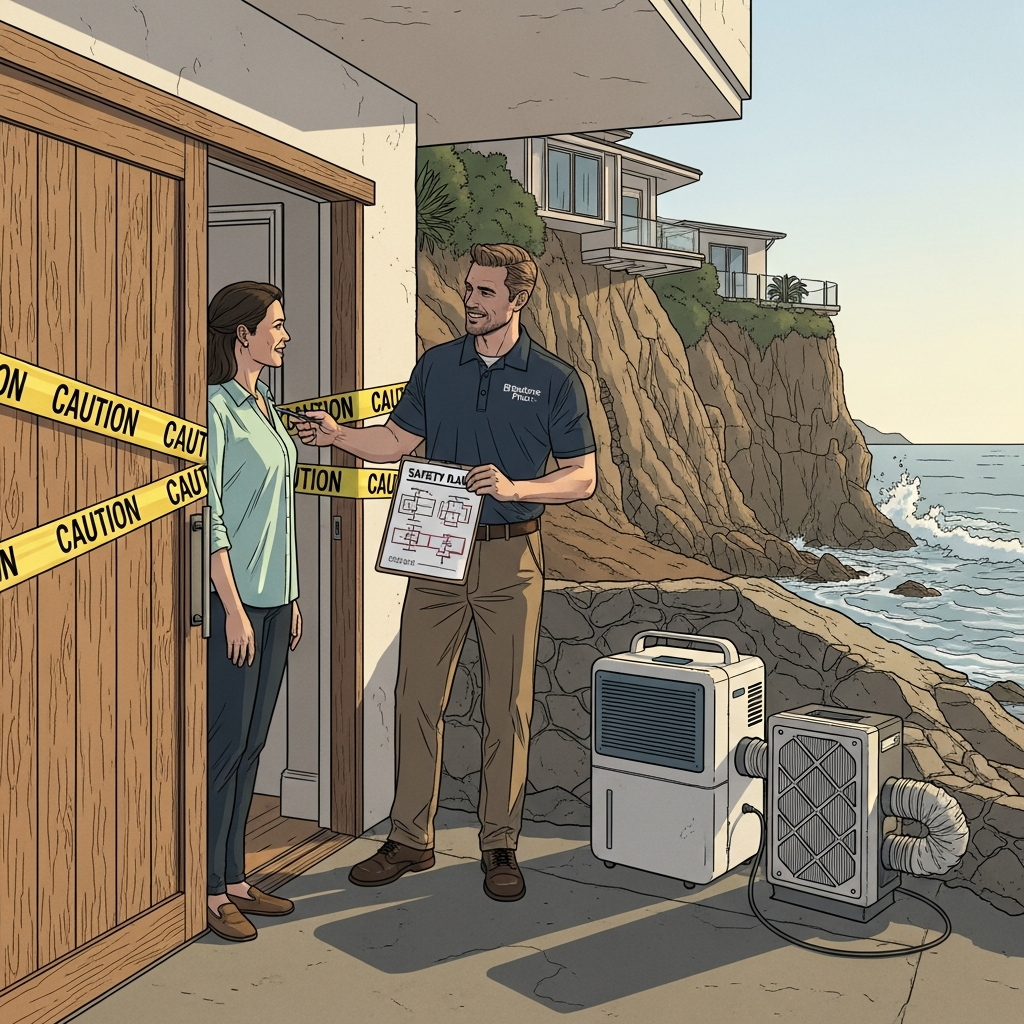
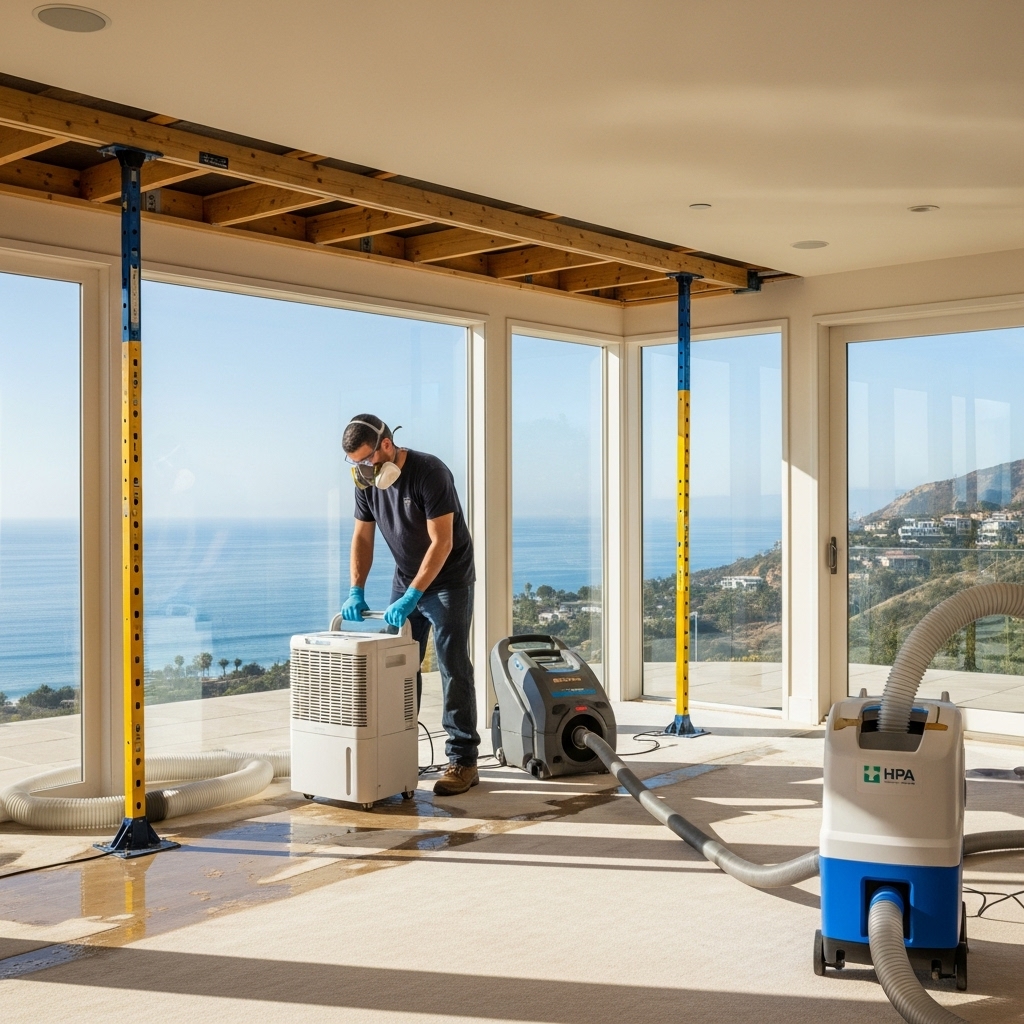
After the flames are out, safety is almost never obvious to the naked eye. A structure may look solid, yet framing can be weakened, subfloors saturated, and electrical systems compromised by corrosive soot. Professional teams begin by stabilizing the site. They evaluate whether load-bearing elements are sound, whether temporary shoring is required, and where immediate hazards exist. That groundwork limits further damage and keeps you and your family out of harm’s way. It also creates a clear plan for what happens next, replacing guesswork with a sequence of steps that are tailored to the condition of the property.
In Malibu, where homes often integrate outdoor spaces, decks, and hillside supports, that initial stabilization can make a crucial difference. Techs familiar with the area know how wind exposure, salt air, and hillside drainage can alter post-fire conditions. Addressing those factors right away prevents small problems from spreading, especially in the days when a house is most vulnerable.
Speed That Protects Your Investment
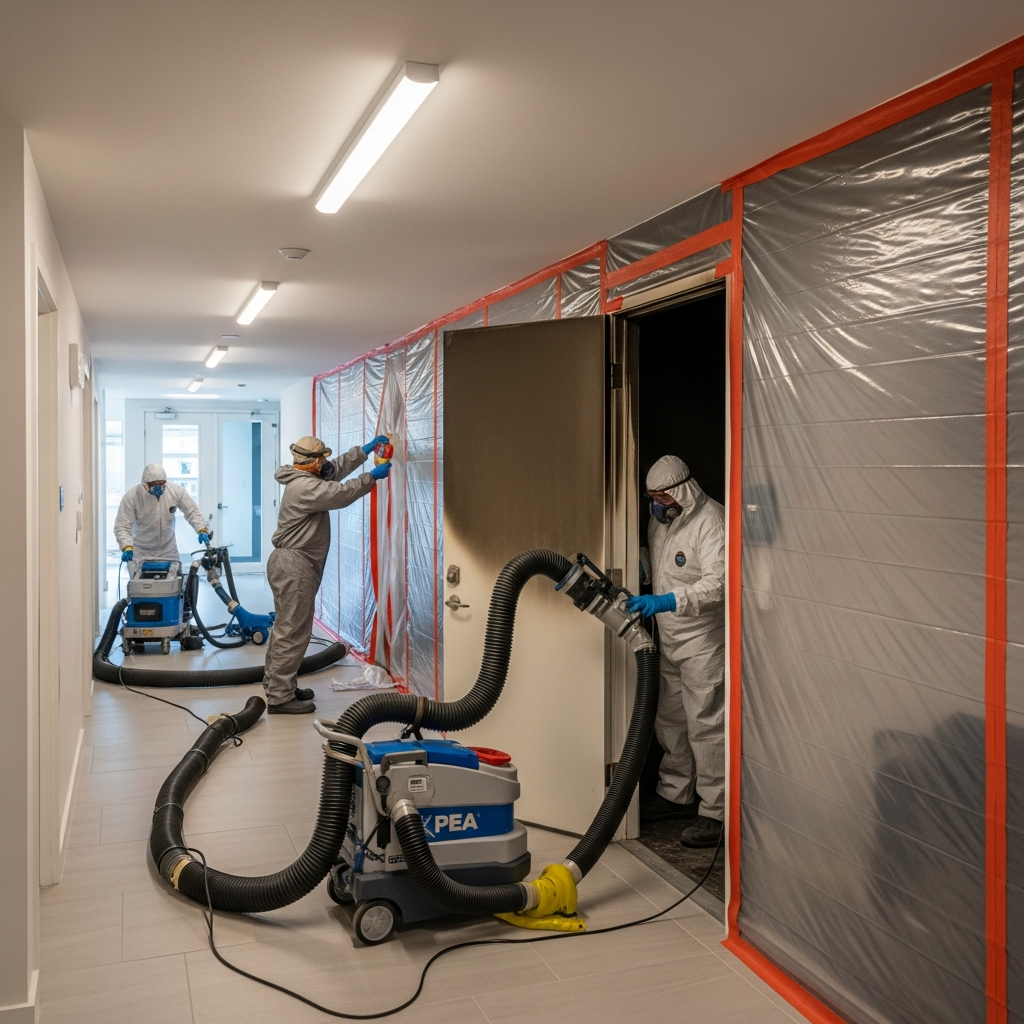
Time matters because fire damage does not sit quietly. Soot is acidic and begins to etch metals and glass within hours. Smoke residues bond to porous materials, creating odors that intensify with heat and humidity. Water left behind from firefighting can spawn mold, warp flooring, and delaminate cabinetry. Professional restoration prioritizes rapid mitigation: extracting water, improving airflow, and isolating affected rooms. That speed saves irreplaceable finishes and preserves structural components that would otherwise need to be removed.
Speed is not just about fast action; it is about smart sequencing. A seasoned crew will know how to dry a space without driving soot deeper into materials, how to remove char without spreading contamination, and when to bring in specialized equipment so the work is efficient and thorough. In a climate as variable as ours, where a foggy morning can turn into a dry afternoon, dialing in the right approach makes all the difference.
Deep Cleaning That Actually Works
Smoke and soot have personalities. Protein smoke from a kitchen fire clings differently than dry soot from a brushfire that traveled through open windows. Malibu homes experience both. The benefit of professional restoration lies in matching the residue to the cleaning method: dry sponges for one surface, alkaline solutions for another, encapsulants where staining is permanent, and careful HEPA filtration to capture fine particulates. Doing this correctly is the only way to prevent phantom odors that resurface weeks later when the sun warms a wall or an HVAC cycle kicks on.
Those details matter in spaces with high ceilings, exposed beams, and indoor-outdoor transitions. Smoke likes to hide in tongue-and-groove joints, attic insulation, and window tracks. A comprehensive approach includes HVAC cleaning, deodorization that neutralizes rather than masks, and post-cleaning verification so peace of mind is more than a promise.
Water and Moisture Management
Nearly every fire loss in Malibu also involves water. Firefighters do an extraordinary job, and the water they deploy saves homes. But that water needs to be removed quickly to avoid secondary damage. Skilled restoration crews bring extraction tools, dehumidifiers, and air movers, adjusting placement as moisture maps evolve. They track progress with meters rather than guesswork, documenting how materials dry over days, not hours. That attention averts mold growth, preserves frames and subfloors, and spares you the future cost and frustration of hidden dampness.
Consider also the microclimates across Malibu. A canyon home shaded in the morning may dry very differently from a beachside property that bakes in afternoon sun. Professionals account for these shifts, rebalancing equipment and checking cavities to ensure drying is uniform and complete.
Protecting What You Own
Beyond structure, your personal belongings tell the story of your life. Family photos, instruments, books, surfboards, and textiles each require their own approach. Restoration offers content services that catalog, pack out, and clean items carefully. Some things are treated onsite; others are taken to a controlled facility where odors and residues can be addressed with specialized processes. This approach is not just about cleaning. It is about respecting what matters most and giving each item its best chance at a return to pre-loss condition.
Documentation You Can Trust
A major benefit that often goes unnoticed is documentation. A thorough restoration partner creates a record of conditions, actions, materials, and results. In Malibu, where properties often involve custom finishes and complex construction, clear documentation supports smooth communication with adjusters and contractors. It helps justify the right level of work and gives you a file you can refer back to if questions arise months later.
Local Insight, Local Results
Experience specific to Malibu pays dividends. Professionals accustomed to hillside access challenges coordinate staging and equipment so neighbors are minimally impacted. They anticipate permit requirements for debris removal and know when to bring in environmental testing for asbestos or lead in older homes. They also understand the rhythms of wildfire seasons and what it means to work safely during Santa Ana events, when embers and dust can make outdoor work more complicated.
That local insight extends to recommendations that strengthen your home against future events. Sometimes that means suggesting ember-resistant vents, advising on landscaping that reduces risks, or identifying materials that better tolerate smoke and heat. When restoration is done thoughtfully, it becomes the first phase of resilience planning rather than a one-off project.
Confidence Through Clear Communication
Fire damage can feel chaotic. A restoration team that communicates clearly turns an overwhelming situation into a series of manageable decisions. You should know what is happening, why a method is chosen, and what the timeline looks like. This clarity makes it easier to coordinate with family, work around temporary housing, and keep life moving forward while repairs progress. The difference between uncertainty and confidence often comes down to having a guide who explains, checks in, and takes responsibility for outcomes.
Choosing the Right Partner
In the middle of recovery, it is tempting to hire the first company that can arrive. Speed matters, but so does fit. Look for experience with Malibu properties, evidence-based cleaning methods, and a plan that addresses both smoke and water. During your conversations, notice how your concerns are heard and how questions are answered. The right partner will invite questions and provide specifics rather than vague assurances. If you are unsure where to start, consider connecting with a team that focuses on fire damage restoration in Malibu, because specialization often translates to a smoother, more predictable outcome.
From Damage to Renewal
One of the quiet benefits of restoration is the chance to improve your space as it is rebuilt. People often take the opportunity to refine airflow, adjust lighting, or select finishes that better fit how they live now. This is not about turning a loss into a renovation; it is about recovering in a way that honors your routines and makes the home more comfortable for years to come. When restoration is done carefully, the final result often feels more settled and intentional than what existed before.
Emotional Space to Breathe
There is also an emotional dimension. The smell of smoke can trigger stress long after a fire is out. Seeing stains or feeling uncertain about hidden damage keeps the event alive in your mind. Proper restoration removes those reminders. When rooms are cleaned thoroughly, air is fresh, and materials are secure, you can move through your day without being pulled back into the moment of loss. That unseen benefit is perhaps the most important: the restoration of ease.
Looking Ahead With Confidence
Life returns in increments after a fire. The first night you sleep without wondering about the smell in the hallway. The first morning you cook breakfast and the kitchen feels like it belongs to you again. These thresholds come sooner when a clear plan is in motion. Malibu’s environment asks a lot of our homes, but with the right approach and the right team, recovery can happen faster than you think.
Frequently Asked Questions
How quickly should restoration begin after a fire?
Ideally within the first twenty-four to forty-eight hours. Early action limits etching, staining, and moisture-related damage and keeps odors from becoming entrenched. The first visit typically focuses on safety, securing the property, and starting drying and ventilation.
What can I do before a professional arrives?
Prioritize safety and avoid entering areas that may be unstable. If it is safe, open windows to increase ventilation and avoid touching soot-covered items, which can smear and set stains. Do not power up HVAC systems, as they can distribute soot throughout the home.
Will all smoke odors be removed?
In most cases, yes—when cleaning, deodorization, and source removal are performed correctly. Odor control is not just about fragrances; it involves removing residue, cleaning ducts, and using technologies that neutralize odor molecules rather than masking them.
What about my belongings?
Contents are often inventoried, packed, and cleaned offsite in a controlled environment. Delicate items, textiles, and electronics require specialized care. Good documentation ensures you know where everything is and how each item is treated.
How long does restoration take?
Timelines vary with the extent of damage, structural needs, and permitting. Minor smoke damage might resolve in days; more extensive losses can take weeks or longer, particularly if rebuilding is involved. A detailed plan and regular updates help set and meet expectations.
Will restoration address water damage from firefighting?
Yes. Water mitigation is a fundamental part of fire restoration. It includes extraction, controlled drying, and verification with moisture meters to ensure that cavities and subfloors are dry and stable.
Is Malibu’s climate a factor in the process?
Absolutely. Fog, wind, and temperature swings influence how materials dry and how odors behave. Local experience guides equipment placement and method selection so the results hold up as the weather changes.
Ready to Reclaim Your Home
If you are navigating the aftermath of a fire, the choices you make now will shape your recovery. Reach out to a team that understands the terrain, the climate, and the care your home deserves. For expert guidance and skilled hands, connect with specialists in fire damage restoration in Malibu and take the first confident step toward a safer, cleaner, and more comfortable home.