Navigating Fire Restoration and Insurance in Malibu
Recovering from a fire is a two-track journey: the technical work of cleanup and repairs, and the administrative work of coordinating with your insurer. In Malibu, where homes often feature custom materials and complex architecture, the alignment between these tracks is crucial. A well-documented restoration plan becomes the backbone of your claim, and a knowledgeable local team acts as interpreter, turning the science of smoke behavior and moisture control into the language of coverage. From the first site visit, the objective is clarity—what was affected, what is necessary to stabilize the property, and how the home will be restored to safety and comfort. If you are starting this process, partner with professionals in fire damage restoration in Malibu who can synchronize fieldwork with the requirements of your policy.
The days immediately after an incident are decisive. Soot settles, odors migrate, and water used to extinguish flames begins affecting building materials. Meanwhile, your claim begins to take shape. Evidence gathered in these early hours—photos, readings, and detailed notes—anchors both the technical plan and the coverage conversation. It is not about flooding adjusters with data; it is about presenting the right information in the right sequence so decisions are straightforward and approvals move swiftly.
From First Notice of Loss to Mitigation
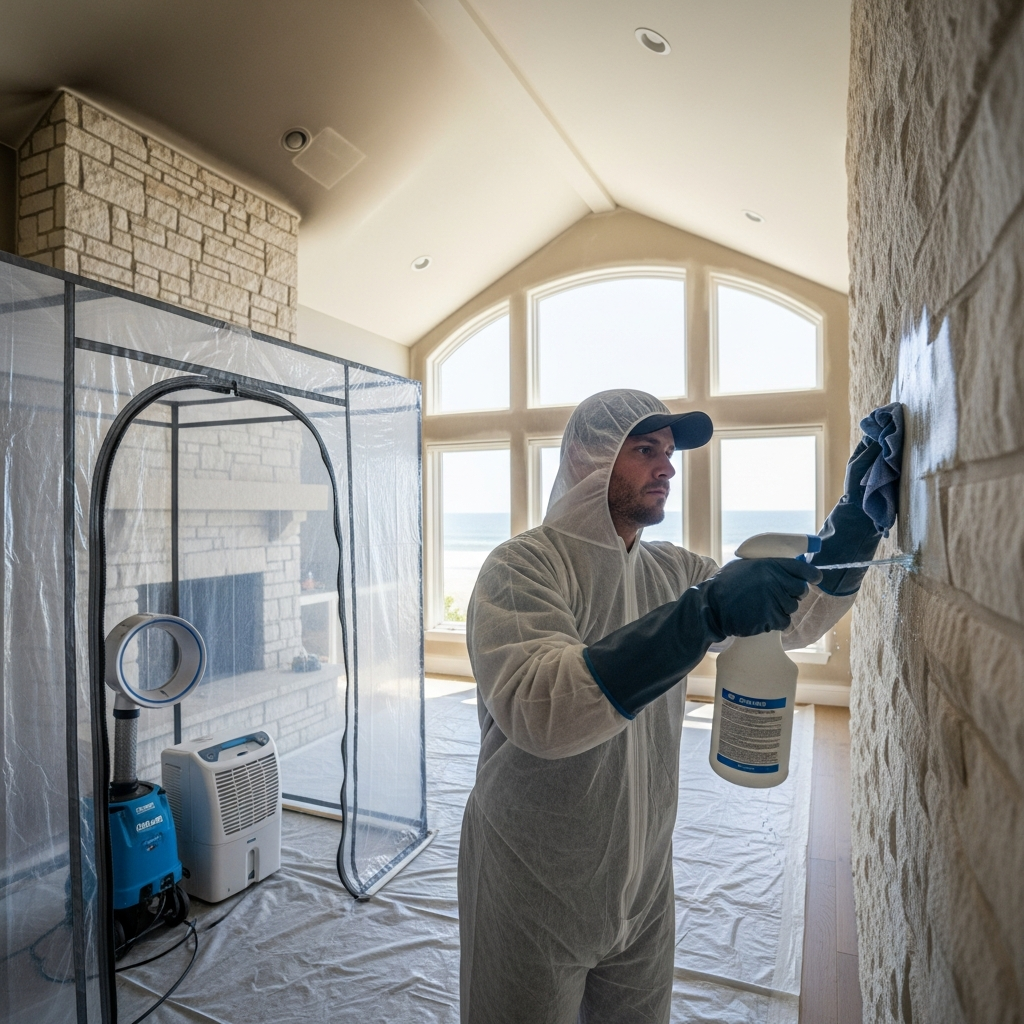
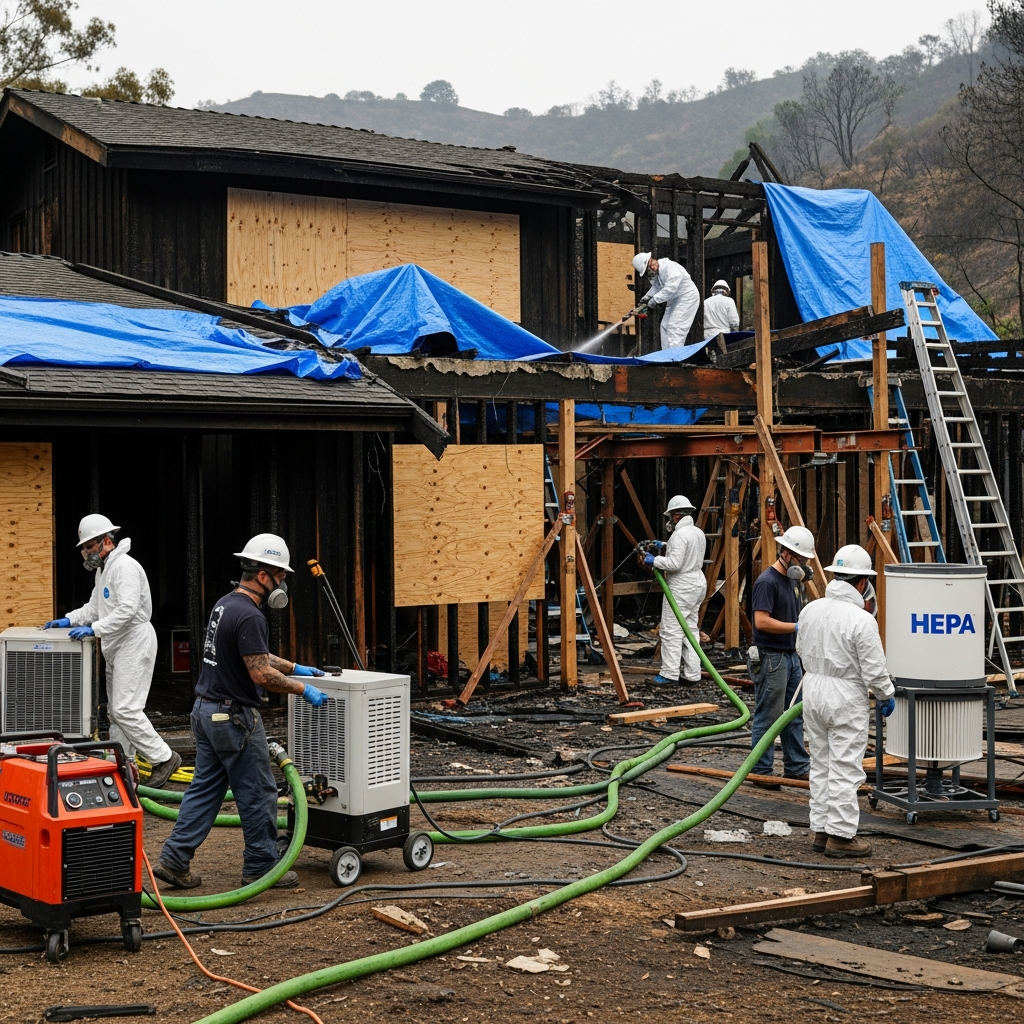
Once you notify your insurer, mitigation typically proceeds in parallel. In Malibu, this includes securing the property, installing containment to protect unaffected areas, deploying air filtration, and addressing any water introduced by suppression. Mitigation is time-sensitive and aimed at preventing further harm. Insurers recognize its importance when it is properly documented. A seasoned team will timestamp actions, capture initial conditions, and keep a clean chain-of-custody for contents so that nothing is lost—neither items nor context.
Good documentation does more than support payment; it informs smarter decisions. For example, identifying HVAC involvement early sets the expectation that ductwork and components may need cleaning, preventing surprise later. Similarly, confirming that certain materials are heat-compromised avoids back-and-forth about whether cleaning will suffice. Facts, gathered professionally, simplify everything downstream.
Understanding Policy Language Without Getting Lost
Policy details vary, but the central ideas are consistent: identifying what was directly affected, distinguishing between necessary mitigation and later repairs, and validating outcomes with evidence. Malibu claims sometimes include additional complexity around architectural features, specialty finishes, and access constraints. A restoration team familiar with local homes anticipates these discussions and frames them in terms that align with coverage criteria. The difference between confusion and clarity often lies in how the plan is presented, not just what the plan includes.
Communication cadence matters as much as content. Establish early how updates will be shared—summary emails with photos, milestone reports, or scheduled calls. This keeps everyone on the same page and reduces surprises. A predictable rhythm of information builds trust with your adjuster and gives you confidence that progress is real and measurable.
Contents: Valuation, Handling, and Care
In Malibu, belongings often include art, instruments, and specialty furnishings that merit careful handling. A methodical inventory, condition notes, and photography preserve detail for the claim while guiding practical decisions. Some items can be cleaned on site; others require a controlled environment. Chain-of-custody procedures protect both value and documentation. When third-party specialists are needed—for textiles, electronics, or fine art—coordination is done with transparency, and results fold back into the claim file so nothing falls through the cracks.
At the same time, the human dimension stays front and center. The most successful projects preserve family rhythms where possible—setting aside essentials, timing pack-outs to reduce disruption, and returning spaces to usability in phases. This sensitivity is not separate from the claim; it shows up in the plan and aligns with the goal of restoring normalcy efficiently.
Clearing the Air—Literally and on Paper
Smoke and odor control are often the most emotionally charged parts of a claim. You feel them. The science behind solving them is precise: remove residues, treat affected systems, and confirm results with sensible verification. Malibu’s coastal environment means airflow can carry particulates into unexpected places, and marine humidity can influence how residues behave. An experienced team tailors cleaning chemistry and sequences to the material and the residue type, preventing re-odor that erodes confidence.
On paper, progress is charted with before-and-after photos, odor logs, and, when appropriate, third-party testing. This keeps the discussion anchored in observable facts. Adjusters appreciate a clear line between cause, method, and result—especially when high-end finishes are involved.
Permits, Repairs, and the Road to Completion
Where repairs are needed, Malibu’s permitting process enters the picture. Structural work, electrical components, and certain exterior elements may require inspection. Your restoration partner should coordinate these steps, aligning schedules so that momentum continues. When a project touches custom finishes, builders and designers may join the team. A strong restoration lead keeps everyone working from the same plan, documenting choices so they align with both quality expectations and coverage parameters.
As rooms are cleaned and repairs progress, systematic sign-offs confirm readiness for re-occupancy. Barriers come down, filtration is removed, and the home begins to feel like itself again. The end of a claim should not be a guess; it should be the culmination of tracked milestones and satisfied standards.
What Malibu Teaches About Claims
Living here sharpens the lessons of restoration and coverage. Terrain and architecture amplify the importance of containment; custom materials highlight the value of testing; coastal air underscores the need for patience with odor control. Above all, Malibu proves that the best way to navigate a claim is to pair technical excellence with transparent storytelling. When every step of the plan is visible and justified, approvals follow, and homeowners feel supported rather than sidelined.
For families, it is the little things that matter: a closet restored so school can resume, a kitchen cleared so meals can be shared, a studio back online so work can continue. Good restoration prioritizes these wins while the bigger picture unfolds, and good claims handling recognizes them as signs of meaningful progress.
Frequently Asked Questions
Q: Should I wait for my adjuster before starting mitigation? A: No. Begin mitigation as soon as it is safe. Properly documented actions to prevent further harm are recognized and help your claim.
Q: How much involvement should I expect from my insurer during the project? A: Expect regular check-ins tied to milestones. Clear updates with photos and notes reduce the need for frequent calls and keep decisions timely.
Q: What if odors linger after cleaning? A: Lingering odors indicate remaining residues or untreated pathways. Targeted follow-up, including HVAC attention, resolves this. Verification should confirm improvements.
Q: How are specialty items like art and electronics handled? A: With documented chain-of-custody and, when needed, specialized vendors who provide condition reports and results that fold into the claim.
Q: Can I occupy part of my home during restoration? A: Often yes, with containment and filtration protecting living areas. Your team will advise based on safety and practicality.
Q: How do permits affect the timeline? A: Permits add coordination but ensure quality and compliance. A local team familiar with Malibu’s process helps maintain momentum.
If you want a clear, confident path from first notice of loss to final sign-off, connect with local experts who coordinate fieldwork and claims with precision. Start today with trusted fire damage restoration in Malibu that brings both technical skill and claims-savvy communication to your project.