Why “Average Cost” Is a Moving Target in Malibu
Homeowners often ask what a typical fire restoration bill looks like in Malibu, and the honest answer is that there is no single number that fits. Malibu’s geography, architecture, and climate create a wide spectrum of scenarios, each with unique needs. A small kitchen incident in a single-story bungalow is a different challenge than a wind-driven smoke event affecting a multilevel hillside home with custom finishes. Discussing the “average” is useful only if we also explain the factors that drive variation. Understanding these variables helps you set expectations, communicate with your insurer, and prioritize the steps that protect your property and health without delay. As you explore your options, align with local fire damage restoration in Malibu that can evaluate your situation precisely and avoid one-size-fits-all assumptions.
In this community, the value of a proper assessment cannot be overstated. Two homes with similar square footage can carry very different restoration plans depending on construction, ventilation patterns, finish materials, and how the fire was suppressed. That is why the most responsible conversations about budget start with an on-site evaluation and a phased strategy, not an estimate based on photos alone.
Scope: The Main Driver of What You Will Spend
Scope is the foundation for understanding your financial exposure. It includes the number of affected rooms, the depth of cleaning required, structural impacts, and the handling of contents. In Malibu, open plans and high ceilings can increase the surface area that requires cleaning and sealing. Multi-story layouts on steep lots can add complexity to containment and equipment placement. The presence of water from suppression extends the scope further by introducing the need for extraction, drying, and microbial prevention. When people ask about the “average,” they are really asking how big the scope is likely to be. And that depends on what the property tells the professionals who inspect it, not on a generic template.
Another subtle but significant driver is whether smoke traveled through HVAC systems. If your air handler ran during the event or the hours after, it can carry particulates far beyond the room of origin. Cleaning or replacing filters is not enough; duct interiors, coils, and returns may require attention. This adds complexity but also reduces the chance that odors reappear months later, which could otherwise push the project back to square one.
Materials, Finishes, and Malibu’s Custom Aesthetic
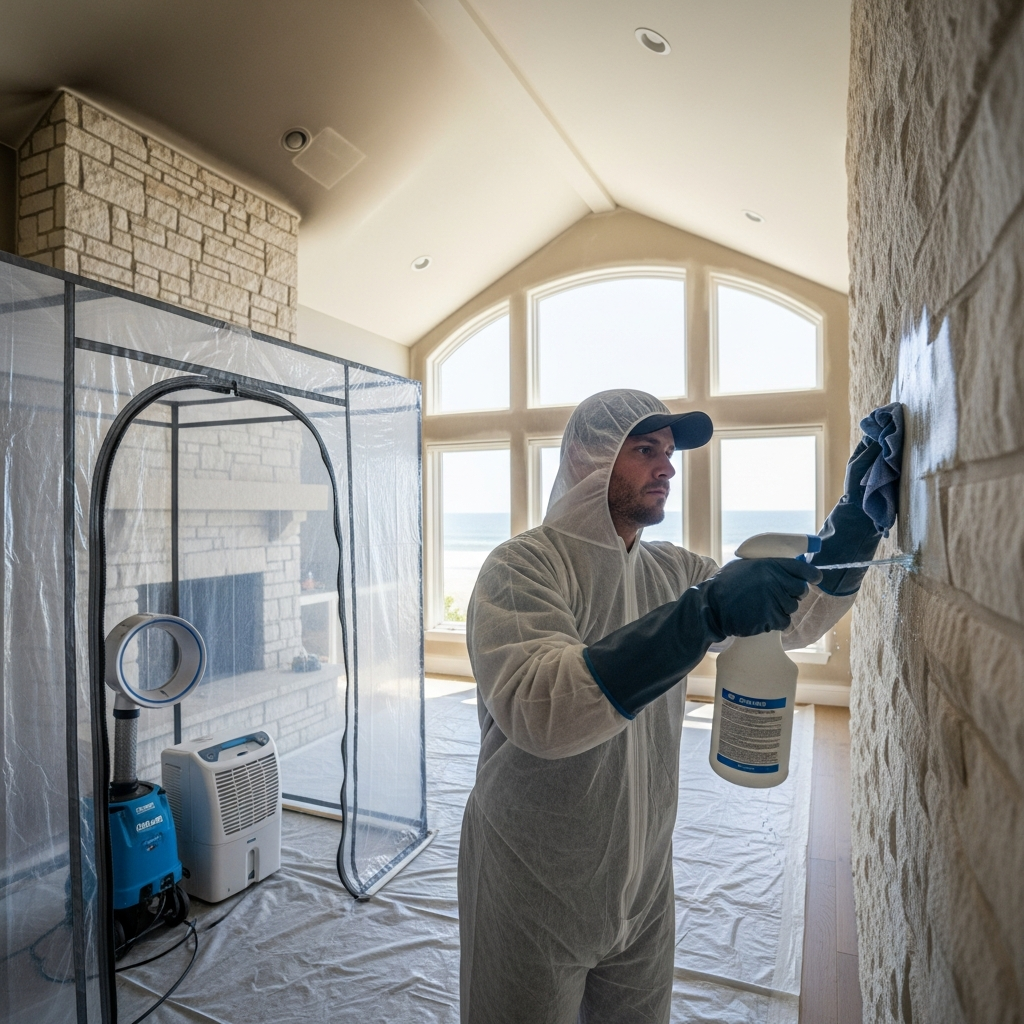
Malibu homes frequently showcase bespoke craftsmanship—imported stone, hand-finished plaster, custom metalwork, and rare hardwoods. Each material responds to heat, soot, and cleaning chemistry differently. Using a method that works for one stone can etch another; a solvent that removes oily residue from one finish can dull or discolor another. The need for testing, mock-ups, and careful sequencing is not indulgent—it is essential to preserve value. These methods can influence the overall investment by increasing time and labor, but they prevent irreversible damage and rework. In the long run, the most efficient path is usually the one that is right the first time.
Textiles and contents also factor into the equation. Area rugs, drapery, upholstered furniture, and artwork often require specialized handling and climate-controlled processing. Electronics exposed to smoke may be salvageable if treated promptly to prevent corrosion. Each category adds a layer to the overall plan, and each deserves a decision based on both function and sentiment.
Extent of Smoke and Odor: Seen and Unseen
Visual damage tells only part of the story. Smoke particles are tiny and tend to migrate into gaps and cavities, especially in homes with complex rooflines and vaulted spaces. Malibu’s coastal airflow can distribute residues across floors and into behind-the-wall areas. Professionals use particulate capture, dry soil removal, and targeted wet cleaning to ensure that odor sources are removed—not just covered. This thoroughness is central to long-term comfort and to avoiding the need for repeat work that disrupts schedules and stretches budgets.
It is also important to consider the type of smoke. Protein smoke from kitchen events is often invisible yet pungent; synthetic residues can be oily and stubborn; dry soot may appear powdery and smear if mishandled. Each type demands specific cleaning chemistry and tools. Matching technique to residue reduces the effort required and increases success, which influences overall timelines.
Permits, Inspections, and Malibu Specificities
Depending on the severity of the incident, portions of your restoration may involve permits and inspections. Structural repairs, electrical work, and certain exterior elements will be subject to review, and in Malibu’s hillsides, environmental protections and slope considerations add diligence that is important for long-term stability. A local team familiar with the city’s procedures streamlines this. While permitting may extend the calendar, it ensures that repairs meet code and that the property is safer and more resilient moving forward.
Access is another Malibu-specific factor. Narrow streets and steep driveways can require different equipment staging and manpower. Beachfront properties may deal with salt-laden air that accelerates corrosion on exposed metals. These realities do not create obstacles so much as they shape the plan. Teams who know the area anticipate them, keeping work efficient and predictable.
The Role of Insurance and Documentation
Most homeowners involve their insurance carrier after a fire, and that relationship is central to planning. The most productive path begins with thorough documentation: photos, moisture readings, odor logs, and a clear narrative of the event. When a restoration plan is backed by evidence, approvals come more smoothly and the pace of work remains steady. Experienced local providers build this documentation in from the first visit, helping everyone understand what is necessary and why.
Communication is equally vital. Establishing a shared expectation for milestones—stabilization, cleaning, odor clearance, and repairs—creates alignment. Your project manager becomes a translator between the science of remediation and the language of policy coverage, ensuring decisions are informed and timely.
How Early Action Shapes the Financial Picture
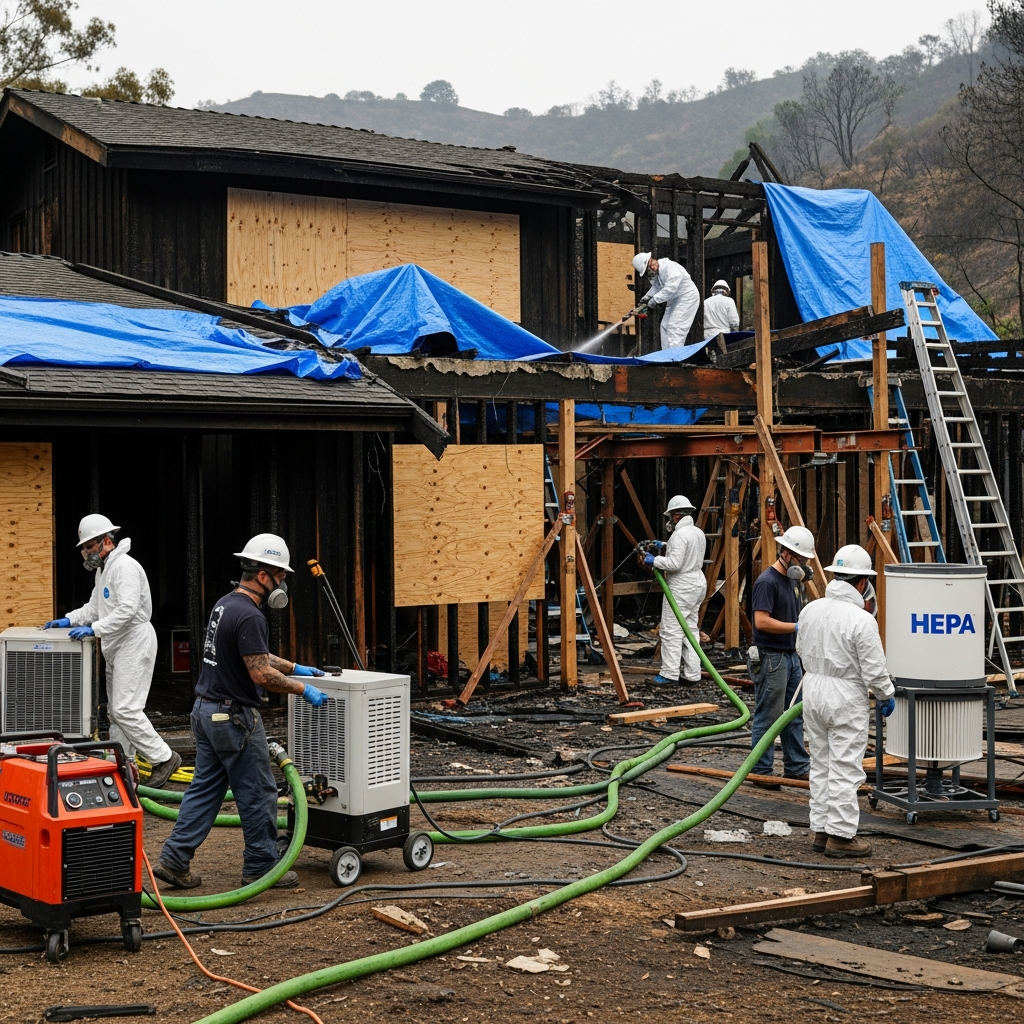
One of the few universal truths in fire restoration is that early action prevents bigger problems. Extracting water promptly, capturing particulates at the source, and isolating unaffected areas prevents secondary damage that otherwise lengthens the timeline and increases the work required. In Malibu, when winds pick up overnight, soot can redeposit far from the origin room if containment is not installed quickly. Acting decisively preserves more materials, improves air quality sooner, and keeps the focus on restoration rather than replacement.
Homeowners sometimes worry that starting work before every detail is approved could create confusion. The key is distinguishing mitigation needed to prevent further harm from later-phase repairs. Emergency mitigation is a recognized and necessary step, and when it is well documented, it supports the overall plan.
Setting Realistic Expectations Without Guessing
While it is natural to want a clear figure immediately, the most responsible approach is to request a detailed, phased scope after an on-site assessment. This breakdown explains which areas require cleaning, which materials may need removal, how odor will be neutralized, and what steps will be taken to verify results. That level of clarity allows you to anticipate the overall investment without relying on broad averages that do not reflect your home’s realities. It also gives you a framework for conversations with your insurer, architect, or designer if repairs are part of the plan.
In the middle of your project, you should see evidence that early goals are being met: fresher air, reduced visual residue, and protected areas staying clean. If you sought help through trusted fire damage restoration in Malibu resources, ask your team to show you before-and-after photos, logs, and readings that confirm progress. Verification is not just for adjusters—it is for your peace of mind.
Preserving Value Over the Long Term
Malibu homes are investments in lifestyle as much as property value. Making thoughtful decisions during restoration protects both. Choosing cleaning over replacement when results will be equal saves character; replacing when materials are compromised prevents recurring problems. The difference between those paths lives in accurate testing and experienced judgment. A team that respects your home’s design, documents outcomes, and communicates plainly can guide you through decisions without second-guessing.
Finally, consider resilience. Improvements made during restoration—better filtration, fire-resistant materials where appropriate, updated ventilation—add everyday comfort and future protection. They are a practical response to living in a beautiful yet wildfire-prone environment.
Frequently Asked Questions
Q: Can I get a reliable ballpark number without an on-site visit? A: Not reliably. Photos miss smoke migration and hidden moisture. A brief site assessment produces a far more accurate plan.
Q: What influences the overall investment the most? A: Scope of affected areas, material types, water involvement, HVAC contamination, and the complexity of access and containment are primary drivers.
Q: How do I keep the budget under control? A: Start mitigation immediately, maintain strong documentation, and choose cleaning methods tailored to residues and materials to avoid rework.
Q: Will custom finishes make the project longer? A: Often yes, because they require testing and gentler techniques, but this protects value and avoids irreversible damage.
Q: How do insurance and restoration teams coordinate? A: With shared documentation, phased scopes, and milestone verification that clarify necessity and outcomes.
Q: Can smoke odor return after completion? A: It should not if residues were removed and HVAC issues addressed. If it does, targeted follow-up should identify and correct the source.
If you are ready to replace guesswork with a tailored plan, connect with a local team that will assess, document, and deliver. Begin with a walk-through and a phased scope from experts in fire damage restoration in Malibu who understand the city’s unique homes and coastal conditions.