Life After the Crews Leave: Post-Restoration Maintenance in Malibu
When the last air scrubber is rolled out and the final walkthrough is complete, most homeowners feel both relief and a flicker of uncertainty. What comes next? In Malibu, where sea air, canyon winds, and seasonal dryness keep homes on their toes, maintenance after fire damage restoration is less about worry and more about rhythm. The right habits protect your investment, keep indoor air quality high, and sustain the sense of calm you worked so hard to regain. To anchor your routine, it helps to revisit the principles of fire damage restoration in Malibu—not because you want to relive the event, but because understanding the why behind each maintenance step turns chores into confidence.
Post-restoration maintenance is not complicated, but it does benefit from consistency. Think of it as gentle stewardship. A few focused checks each season, some attention to airflow and moisture, and a bit of landscaping mindfulness around the home go a long way. The payoff is tangible: fresh air, resilient finishes, and a house that continues to feel like a refuge.
Protecting Indoor Air Quality
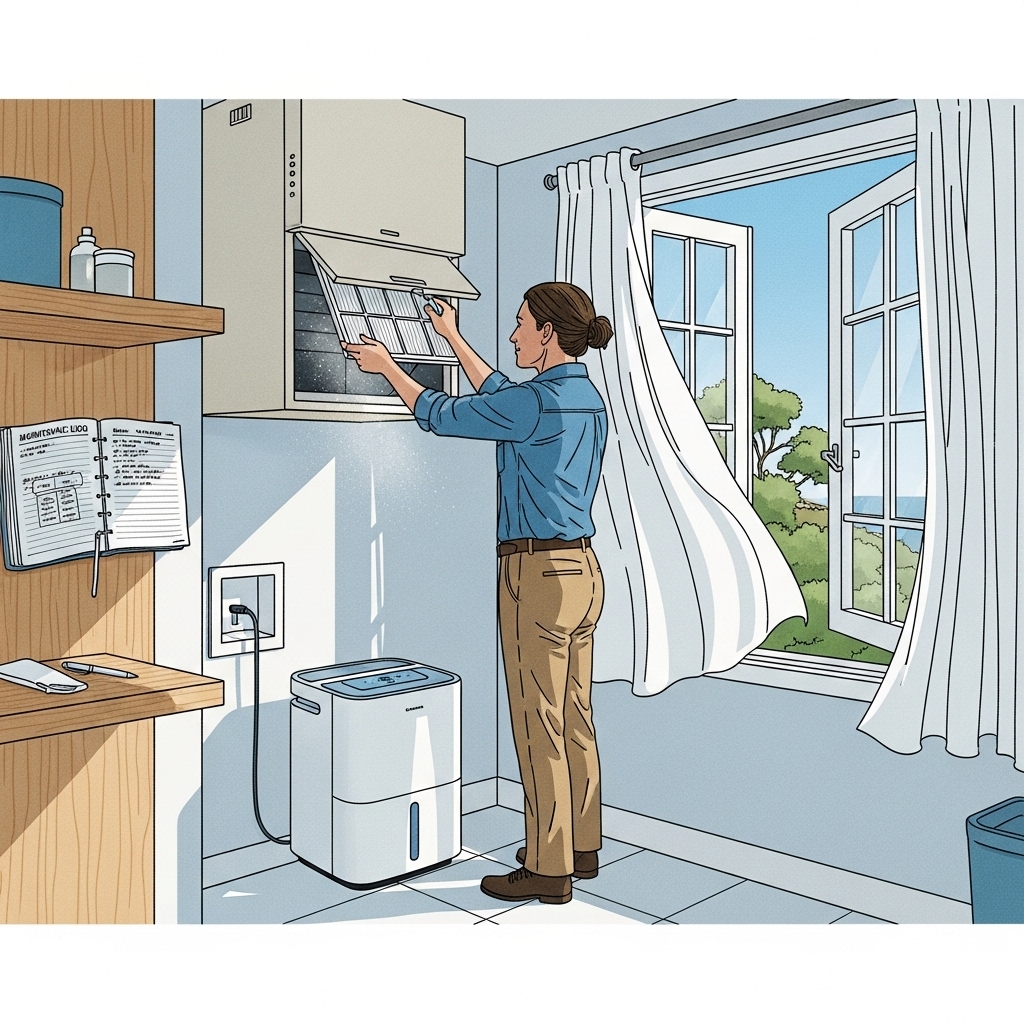
Clean air is the foundation of comfort. After a fire restoration, your HVAC system has been reset, filters replaced, and ducts treated as needed. Keeping that system in top form is the first priority. Change filters on schedule, and consider stepping up to higher-efficiency media if your system supports it. Pay attention to the air you feel and smell; subtle changes can be early signals that it’s time for a check. In our coastal climate, salty moisture rides the breeze, and good filtration helps keep particulates at bay.
Ventilation is just as important. On days when marine layer is heavy, be mindful of bringing in excess moisture. Balanced airflow—using bath fans, kitchen hoods, and occasional window ventilation—keeps indoor humidity steady. If your restoration included new seals at doors and windows, you may notice your home feels tighter and quieter. That’s a good thing, and it makes intentional ventilation even more effective.
Moisture Control in a Coastal Climate
Water is both friend and foe. We rely on gentle breezes and sea air for comfort, but those same elements can challenge finishes and underlayment if moisture accumulates. After restoration, keep an eye on areas that once saw water during suppression: baseboards, lower drywall, and flooring transitions. These should remain stable and dry. If you ever notice swelling, cupping, or staining, call for a moisture check right away. Early attention is the simplest path to peace of mind.
Dehumidifiers can be helpful during foggy stretches, especially in lower levels and spaces with limited airflow. If your home has a crawlspace, periodic inspections ensure vents remain clear and any vapor barriers are intact. Consistency counts more than intensity; a few minutes each month can prevent small issues from becoming larger ones.
Odor Awareness and Gentle Cleaning
When restoration is thorough, persistent smoke odor should not return. That said, Malibu’s humidity can occasionally stir faint notes from hidden places if something was missed. Trust your senses. If you detect an unfamiliar scent, try to pinpoint the area and note the conditions—time of day, weather, nearby activities. Share those details with your restoration partner; they provide valuable clues. Most of the time, the solution is targeted and simple.
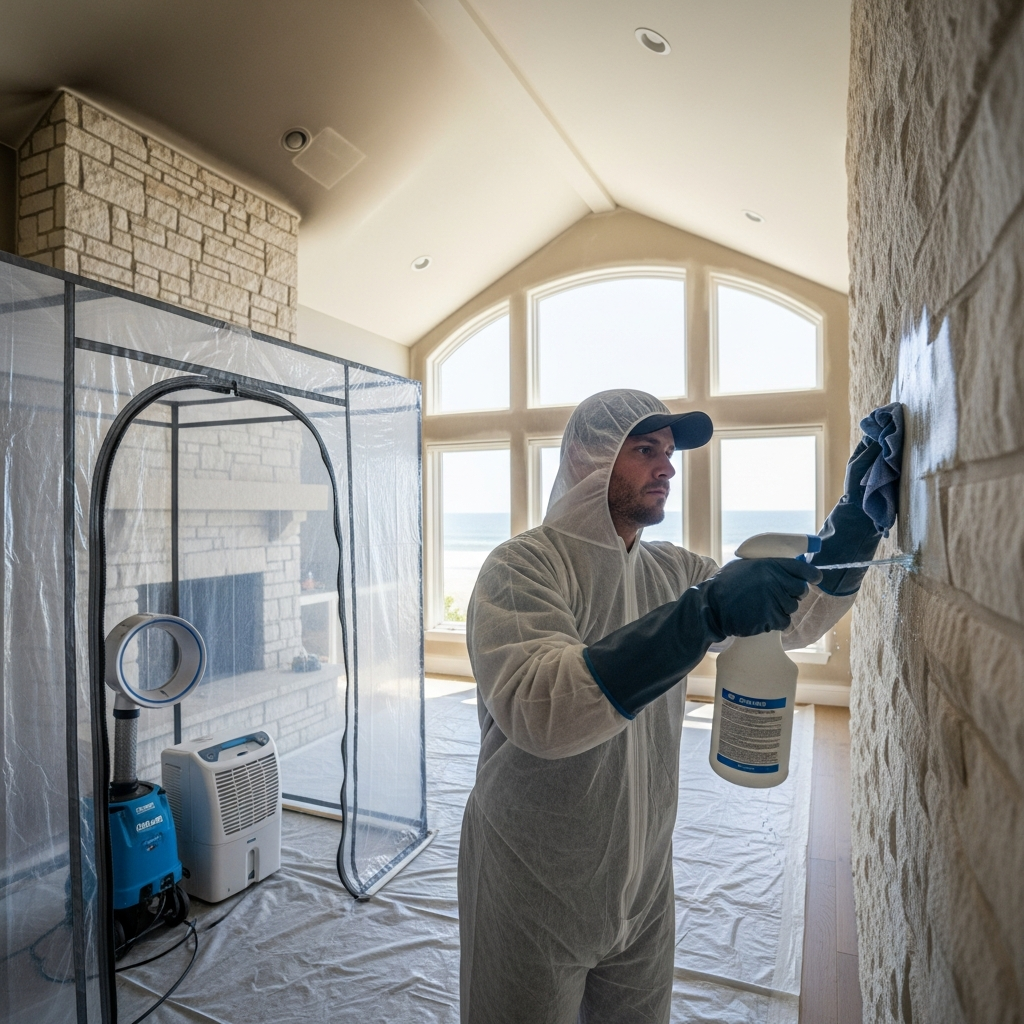
For surfaces, stick with gentle, manufacturer-recommended cleaners. Avoid abrasive pads or harsh chemicals that can etch stone or cloud glass. The finishes that make Malibu homes shine—plaster, stone, hardwood—last longer with a light touch. Periodic professional maintenance for specialty surfaces keeps them at their best.
HVAC, Appliances, and Systems
After a fire event, your systems likely received special attention. Keep that momentum. Schedule regular HVAC service, and don’t ignore strange noises or diminished performance. Kitchen hoods, dryer vents, and bathroom fans all contribute to clean, dry air; keeping them clean is a practical line of defense. In homes with whole-house purification, verify that UV bulbs, carbon media, or other components are replaced on schedule.
Electrical panels and smart home systems sometimes undergo adjustments during restoration. A brief annual check by a qualified professional ensures settings remain optimized and connections are secure. In hillside homes, where access and power stability can vary, that proactive step pays dividends.
Exterior Envelope and Defensible Space
Maintenance outside is as important as maintenance inside. Roofs, gutters, downspouts, and vents work together to keep water moving and embers out. After restoration, ensure gutter guards are intact, patios drain properly, and vents remain protected with ember-resistant covers where installed. Walk the perimeter and look for shrubs or materials that have crept closer to the home than intended.
Defensible space is a living system. Trim back vegetation seasonally, favor firewise planting near structures, and keep wood piles and combustible décor at a respectful distance. In neighborhoods where views matter and landscaping is part of the home’s aesthetic, a thoughtful plan strikes a balance between beauty and safety. The goal is continuity—a property that looks well-loved and naturally ready.
Roofs, Windows, and Doors
Malibu’s sun, salt, and wind test exterior components year-round. Inspect roof flashing and fasteners, especially around skylights and chimneys that may have seen heat. Windows and doors benefit from clean tracks and fresh seals. If your restoration included new hardware or weatherstripping, a small seasonal tune-up keeps everything gliding and sealing properly. Clear weep holes allow water to exit as designed, a small detail that averts bigger headaches.
For ocean-facing properties, salt crystal accumulation is normal. Gentle rinsing and periodic professional cleaning prevent corrosion on railings and fixtures. The combination of sea spray and morning fog is part of the magic here, and routine care keeps it from becoming a maintenance burden.
Documentation and Peace of Mind
Keep a simple log of maintenance actions—filter changes, service visits, observations. Photos taken the day your restoration wrapped provide a baseline for comparison. This isn’t busywork; it’s a quiet confidence builder. If something looks different, you’ll know whether it’s normal settling or a sign to make a call.
Your restoration partner remains a resource. Don’t hesitate to ask questions months later. The best teams stand behind their work and can help you calibrate your maintenance plan to your home’s unique patterns.
Community, Preparedness, and Routine
Recovery doesn’t happen in isolation. Connect with neighbors about seasonal clean-up days or shared resources for green waste hauling. Aligning efforts often makes the work lighter and the results more consistent across a street or cul-de-sac. Emergency preparedness benefits from community, too. Keep your go-bags updated, review evacuation routes, and maintain contact lists for utilities and service providers.
Inside the home, set gentle reminders for quarterly checks. A short walk-through with fresh eyes—listening for drips, feeling for drafts, noting any new marks—keeps you ahead of the curve. Maintenance becomes a habit rather than a chore, woven into the rhythm of living by the coast.
When to Call a Professional
Trust your instincts. If you see staining, warping, recurring condensation, or detect a stubborn odor, a quick professional visit can identify the cause and address it while it’s small. The goal is to preserve the gains of restoration without slipping into worry. Most follow-up needs are straightforward when caught early.
Local professionals understand Malibu’s specific signatures—how fog gathers in certain pockets, how wind drives debris into vents, how salt accelerates wear on exterior metals. That local fluency shortens the path from question to solution.
Frequently Asked Questions
Here are direct answers to common questions about maintaining a Malibu home after fire restoration.
How often should I change HVAC filters?
Follow the manufacturer’s guidance and consider more frequent changes during high pollen or foggy seasons. If you added higher-efficiency media after restoration, confirm the schedule with your service provider to balance air quality and system performance.
What if I notice a faint smoke smell months later?
Note when and where it appears, then reach out to your restoration partner. Humidity can highlight hidden reservoirs. Targeted inspection and treatment usually resolve the issue quickly.
Do I need professional duct cleaning again?
Not routinely. If your system was cleaned during restoration and filters are changed on schedule, you’re in good shape. Consider re-evaluation after major dust events, construction, or if occupants experience respiratory irritation.
How can I keep exterior metals from corroding?
Rinse gently to remove salt, apply appropriate protectants as recommended, and schedule periodic professional cleaning for railings and fixtures. Catching early signs of oxidation prevents more involved repairs.
What landscaping choices help most?
Maintain clearance near structures, choose plants with higher moisture content close to the home, and keep irrigation tuned so vegetation is healthy but not overgrown. Mulch thoughtfully and avoid storing combustibles against walls or under decks.
Is there a checklist I should follow?
Think in seasons: air filters and ventilation checks, moisture and drainage observations, exterior envelope review, and landscape trimming. A simple calendar reminder system keeps it light and effective.
Keep Your Home at Its Best
Maintenance is the quiet continuation of restoration—a few deliberate habits that protect the comfort you’ve rebuilt. If you’d like help tailoring a plan to your home’s location and design, reach out to a local team that knows our coast and its quirks. Begin by browsing trusted insights on fire damage restoration in Malibu, then schedule a friendly check-in to keep your home feeling fresh, resilient, and unequivocally yours.