Navigating What Influences Fire Damage Restoration Cost in Malibu
When a fire touches a Malibu home, the story that follows is rarely simple. Between our canyon winds, coastal humidity, and steep hillside lots, every project unfolds with its own rhythm. Homeowners often ask what drives the overall investment required to bring a property back to life, and while no two situations are alike, there are consistent forces at play here on the coast. As a local who has walked many ash-streaked driveways and stood beside families as the first rays of hope filtered through the haze, I can tell you that understanding the factors behind the work is just as important as the work itself. If you’re early in your decision-making, you might find it helpful to explore the options and scope of fire damage restoration in Malibu so you know how the process typically unfolds in our community.
Costs are ultimately a reflection of complexity, safety, time, and the expertise required to steward a property from crisis into habitability. In Malibu, those threads tangle with terrain, road access, municipal coordination, and the particular way smoke and moisture travel through high-end finishes. Knowing the influences behind the numbers not only helps you prepare, it empowers you to direct the process with clarity—prioritizing the steps that protect structure and health first, then choosing where to restore, refinish, or rebuild in a way that honors how you want to live in the home again.
Local Conditions That Shape the Scope
Wildfire behavior along the Santa Monica Mountains is different than what you’ll find inland. Wind patterns push heat and embers across canyons; salt air and nightly marine layers introduce moisture right as suppression water saturates framing; and the grade of hillside lots complicates access for crews, equipment, and debris removal. Each of these local characteristics can broaden the work plan. For example, vented roofs on ocean-facing properties often carry smoke deeper into attics than expected, and tight roads can demand small-load logistics over many trips. Those details translate into additional protective measures, containment strategies, and time on site.
The mix of custom architecture across Malibu also matters. Many homes feature extensive glazing, bespoke millwork, plaster finishes, and imported stone—materials that respond differently to heat, soot, and cleaning chemistry. Evaluating whether a surface can be restored without altering its character is both an art and a science, and that evaluation guides every subsequent decision about materials and labor. In short, Malibu’s beauty is also why restoration here requires such surgical precision.
From Emergency Stabilization to Full Restoration
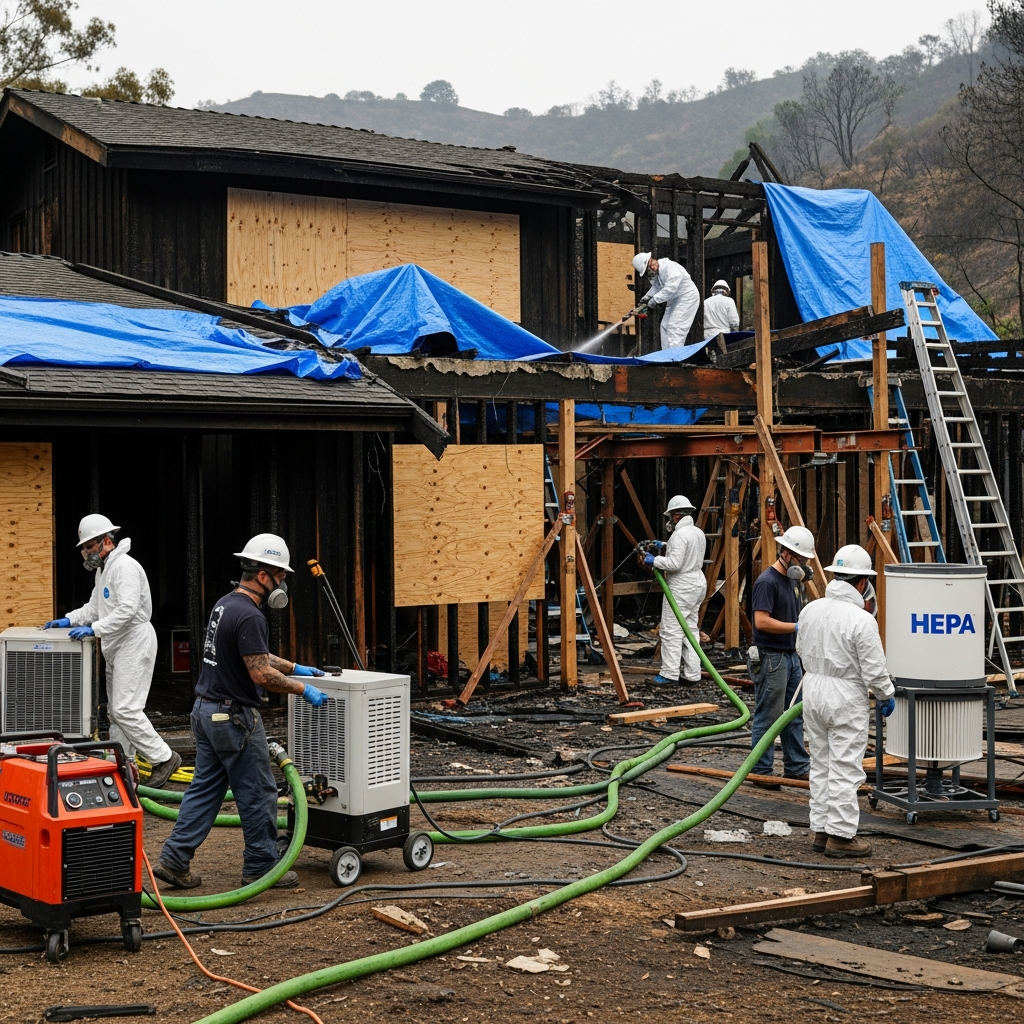
The earliest hours set the tone. Boarding up damaged entry points, tarping compromised roofs, extracting water, and stabilizing the environment with negative air and dehumidification all work together to stop secondary damage. In our coastal climate, that moisture control is pivotal. If humidity spikes while soot is present, corrosive residues can etch metal, stain stone, and embed odors more deeply in porous materials. Getting ahead of this chain reaction reduces rework later and keeps your options open for salvage versus replacement.
Once the property is stable, a thorough assessment follows. This is where the undisguised damage (charred framing, blistered finishes) is documented alongside the subtle, such as smoke infiltration pathways and hidden moisture in cavities. On Malibu projects, I always look closely at areas where sea air already exerts stress—window assemblies, exterior doors, and hardware—because the combination of salt and acidic soot can accelerate corrosion. A meticulous assessment translates into a precise scope, and a precise scope is the most reliable compass you can have.
Structural Considerations and Hidden Complexities
Not all fire damage is visible. Heat can compromise fasteners and fracture adhesives behind finished surfaces. Trusses can be intact yet weakened; engineered lumber can look fine but need reinforcement. In multi-level homes perched on slopes, lateral bracing and hillside footings deserve special attention. The way Malibu homes are designed—to open to the view, to blend indoors and out—means smoke can travel quickly, settling into ducts, crawlspaces, and behind cladding. Every place soot travels is a place odor can persist. Addressing those runs thoroughly the first time is the surest path to a satisfying outcome.
It’s also common to encounter legacy materials that require special handling. Older homes may contain lead-based coatings or asbestos-containing materials. When those are impacted by heat or demolition, the protocols become more involved. This isn’t a setback; it’s simply part of protecting your family and the crews on site. Experienced local teams coordinate abatement and restoration in lockstep so momentum isn’t lost.
Contents: What to Salvage, What to Let Go
Personal belongings carry the heart of a home, and decisions about them are deeply individual. In practice, contents triage happens in waves. Items with direct flame damage or heavy smoke saturation may be photographed for documentation and then removed. Others can be carefully packed, inventoried, and transferred for specialty cleaning. In Malibu, I’ve seen heirloom textiles and fine art respond beautifully to controlled deodorization and conservation techniques, but it takes careful handling and realistic expectations. The key is aligning the sentimental value, the likelihood of successful restoration, and the practical timeline.
Appliances, electronics, and home systems warrant thoughtful evaluation as well. Smoke and moisture can compromise their internals even if casings appear intact. Independent testing and documentation support informed decisions about what to restore or replace as the project advances.
Permitting, Inspections, and Neighborhood Realities
Within Malibu, coordination with municipal departments is part of the rhythm. Temporary power needs, inspections for structural repairs, and guidelines for debris management can all influence how the schedule unfolds. Add in neighborhood considerations—HOA rules, private road agreements, and shared access—and you begin to see why planning isn’t just a spreadsheet; it’s a dialogue with the place itself. The best outcomes come from teams that respect those rhythms and lay out a sequence that keeps work moving without surprises.
For coastal homes, environmental protections are woven into the process too. Erosion control around slopes, containment to prevent contaminated wash water from reaching storm drains, and proper disposal of fire debris all factor into both compliance and good stewardship. These measures protect our community and the ecosystems that make Malibu extraordinary.
Insurance Collaboration and Clear Documentation
Most homeowners will engage with an insurance claim after a fire, and collaboration is more productive than confrontation. The strongest position you can take is to build a clear, detailed scope that ties observable damage to the remediation steps required by industry standards. Photographs, moisture readings, material data, and expert notes create a narrative that aligns the work performed with the realities of your property.
Policy details vary, but I always encourage homeowners to understand how code upgrades, dwelling limits, and additional living arrangements are handled. Malibu’s building codes evolve, and sometimes repairs must include adjustments for safety and resilience. When those needs are documented early, the project benefits from fewer pauses later. Communication is the lubricant that keeps progress smooth.
Odor, Soot, and the Science of Clean
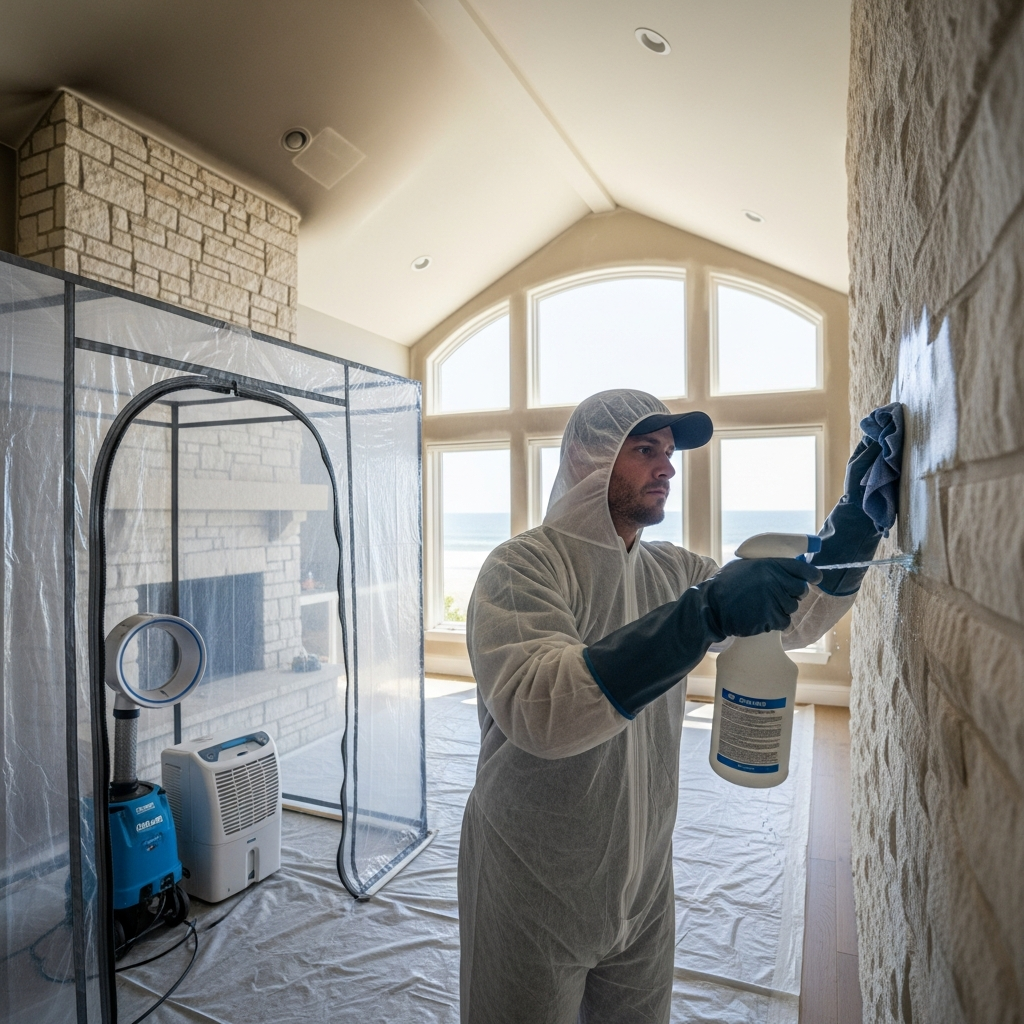
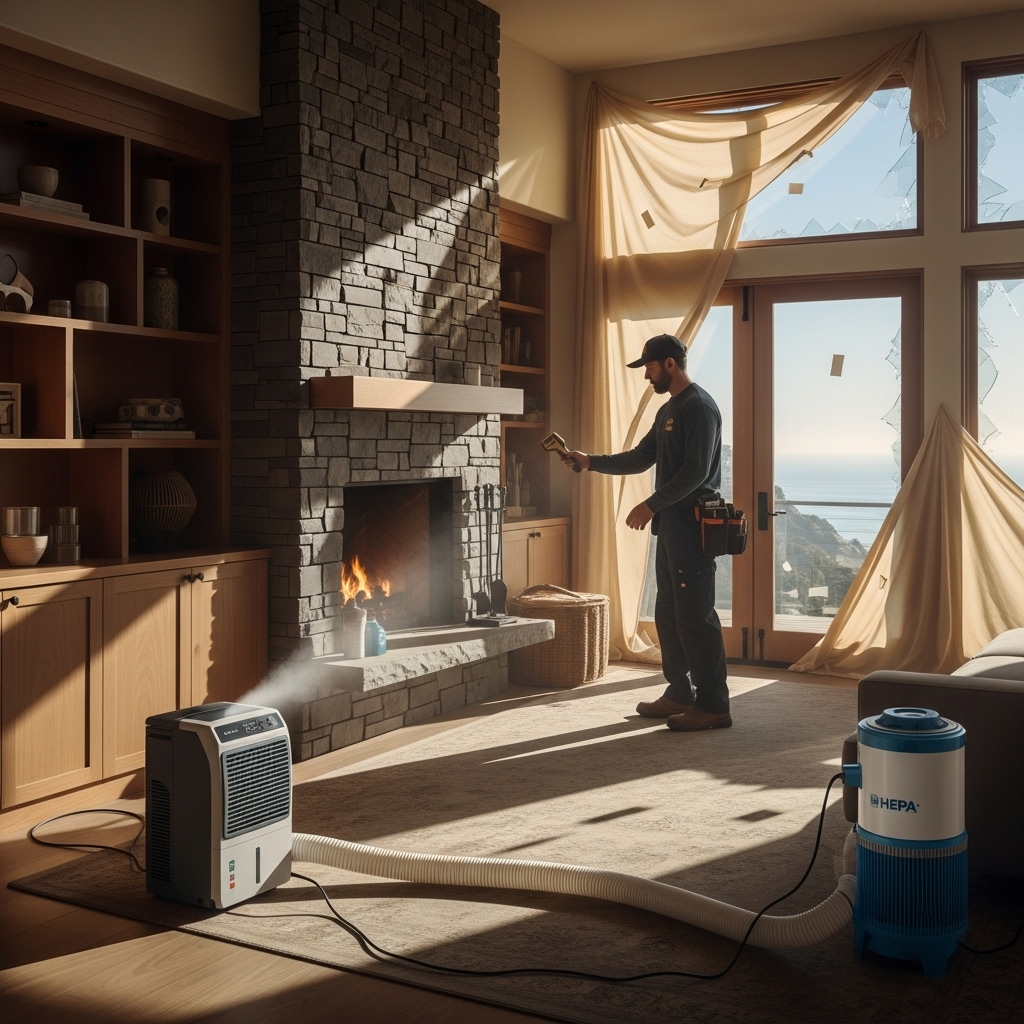
Odor removal is both chemistry and craftsmanship. In a coastal environment, where moisture can cycle through a structure twice a day, odor molecules behave differently. The sequence matters: dry, clean, deodorize, and seal only when appropriate. Techniques like HEPA vacuuming, alkaline residue neutralization, thermal fogging, ozone, and hydroxyl generators are tools—not one-size-fits-all solutions. Matching the method to the material and the damage profile is what brings a property back without leaving a trace.
Stone counters, natural wood, and wool textiles have distinct tolerances. Overcleaning can cause as much harm as undercleaning. That’s why targeted test cleans in inconspicuous areas are invaluable. They show what’s possible and what isn’t before you commit across a large surface.
Schedules, Access, and the Malibu Calendar
In the aftermath of regional fire activity, schedules get tight. Skilled trades and specialty vendors fill up quickly. Gated communities, private water systems, and narrow roads can limit work hours and staging locations. Aligning expectations with these realities minimizes frustration. When owners, adjusters, and contractors share a calendar that accounts for inspections, material lead times, and homeowner milestones, the path forward feels steady.
Weather plays a role, too. Rain events following fire can introduce new vulnerabilities, so preemptive tarping and water management remain important even after the flames are out. The arc of a Malibu restoration is rarely linear, but with attentive management, it remains progressive.
Making Informed Choices That Fit Your Vision
There are moments when choices shape not just the scope but the spirit of the project. Do you refinish original floors with their sun-aged character or opt for new planks that better meet current performance standards? Do you clean and seal smoke-affected framing or replace sections to support future upgrades? These decisions often blend practicality with the feeling you want to have when you walk back through your front door. Reviewing mockups, samples, and small test areas keeps the process grounded and ensures the outcome reflects your vision.
If you need a clearer picture of the sequencing and craft involved, many local teams share detailed overviews of Malibu fire damage restoration methods, which can help you understand what to expect from inspection through final walkthrough. Seeing how the work is typically staged makes each decision feel less abstract and more manageable.
What You Can Do Right Now
Even before a comprehensive plan is in place, simple steps protect what remains. Ventilate cautiously when conditions allow and ash isn’t heavy in the air. Avoid dry wiping soot from surfaces—this can smear residues deeper. Do not power up electrical systems or HVAC until they’re inspected. Keep a dedicated place for documentation, and photograph each room and space before any removal or cleaning begins. These actions preserve options and help every professional who joins your project do their best work.
Engage in steady, honest conversations with your team. Ask how they handle unexpected findings, what their communication cadence looks like, and how they coordinate with adjusters and inspectors. A strong partnership builds trust, and trust speeds progress.
Frequently Asked Questions
Homeowners often share similar concerns when they first begin this journey. Below are straightforward answers that reflect Malibu realities and the ways experienced teams approach the work here.
How long does a typical Malibu restoration take?
Timelines vary with severity and scope, but the early stabilization phase happens quickly to prevent secondary damage. Structural repairs, specialty cleaning, and finish work then progress in stages that reflect permitting, inspections, and material availability. Hillside access, custom finishes, and coordination with multiple stakeholders can extend the schedule. What matters most is momentum—steady, visible progress that keeps you informed.
Can smoke odors ever be fully removed?
Yes, when odor pathways are identified and treated systematically. That means cleaning or removing odor reservoirs, deodorizing appropriately, and ensuring HVAC and cavities are addressed. Incomplete efforts often leave stubborn notes that reappear with humidity. Thorough work prevents that cycle.
What should I do with clothing and soft goods?
Separate and bag items by room if possible, note pre-existing conditions, and avoid home laundering until evaluated. Professional textile restoration can achieve excellent results, especially when started early and performed with controlled processes designed for soot and odor removal.
Will I be able to stay in the home during the process?
It depends on the extent of damage and the safety measures in place. Negative air containment, ongoing demolition, and chemical deodorization can make occupancy impractical. Your team will help you weigh comfort, safety, and efficiency so you can decide what’s right for your situation.
How do I choose the right restoration partner?
Look for deep local experience, clear communication, robust documentation practices, and a plan tailored to your property’s architecture and location. Ask to see sample scopes, daily reporting formats, and references from projects in similar neighborhoods. The right fit should feel collaborative and transparent.
What about environmental considerations near the coast?
Proper containment, debris handling, and water management are essential to protect our watersheds and beaches. Teams familiar with Malibu’s expectations will build those measures into the plan from day one, keeping your project compliant and respectful of the environment.
Is it better to restore or replace?
There’s no universal answer. Historic or custom elements may be worth the careful effort to restore; other components may serve you better if replaced with modern, resilient materials. Test cleaning, cost-benefit analysis, and your personal priorities all guide the decision.
Final Thoughts and Next Steps
Bringing a Malibu property back after fire is a journey defined by craft, patience, and care. The most reliable way to feel in control is to surround yourself with professionals who listen, explain, and document, then execute with precision. If you’re ready to have a grounded conversation about options tailored to your home and neighborhood, reach out to a local team that lives this work. Start by exploring trusted resources on fire damage restoration in Malibu and then schedule a site visit to translate your questions into a concrete plan you can feel confident about.