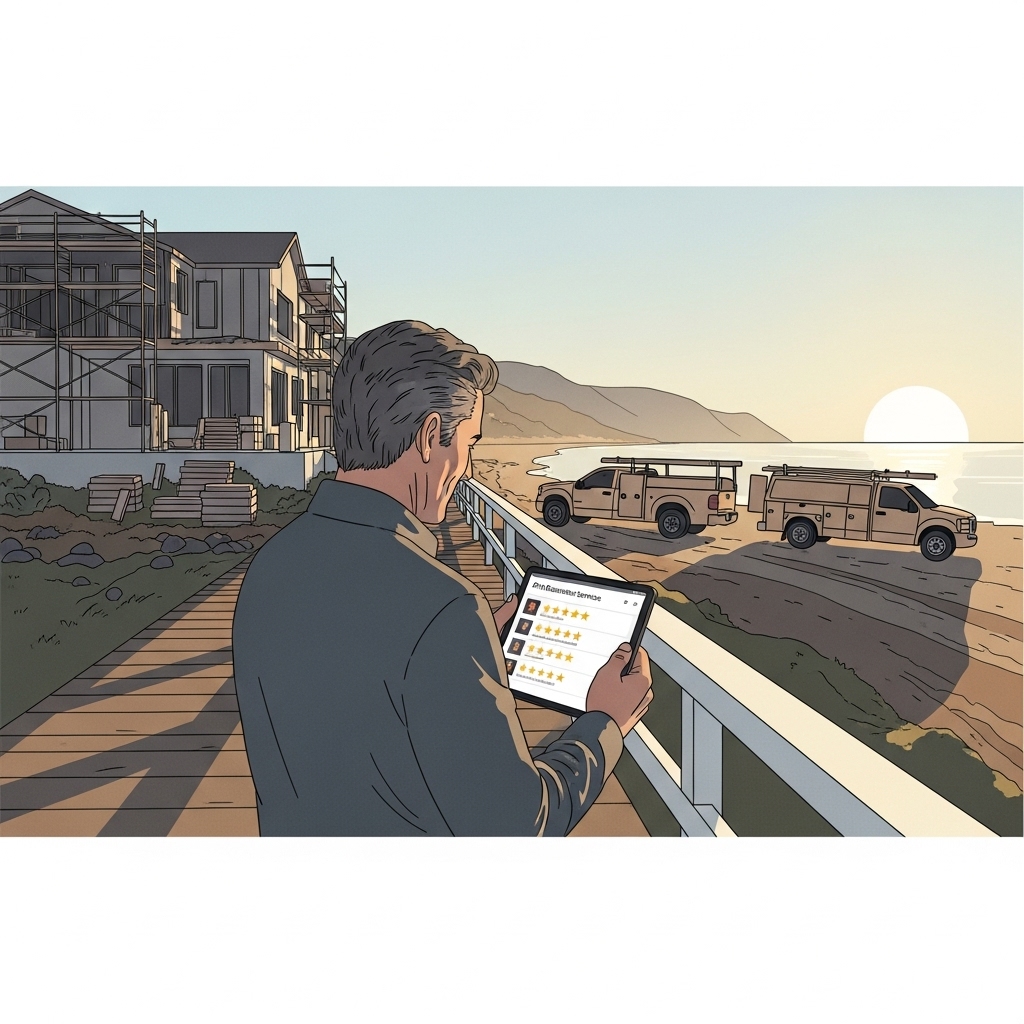
In Malibu, neighbors talk. We share recommendations over morning coffee at the pier and trade hard-won lessons after long nights in the canyons. When it comes to choosing help after a fire, those conversations often start with reviews and word-of-mouth. But reviews can be noisy, and the stakes are high. I have read thousands spanning beachfront cottages, hillside estates, and everything in between, and I have seen patterns emerge that can help you make sense of the feedback. If you know what to look for—and what to ignore—you will find the signals that point to a competent partner for fire damage restoration who understands Malibu’s specific challenges.
The first insight is that context matters as much as star ratings. A five-star review from a small condo fire is not the same as a four-star review from a complex, months-long restoration of a large home. Read for details about scope, location, and conditions. Did the team manage access on a narrow road above the coast? Did they work through fog and wind without losing days? Did they handle contents with care? The more a review reflects conditions that resemble your situation, the more its praise—or criticism—should influence your choice.
Patterns that separate great restorers from the rest
High-quality reviews in Malibu often highlight proactive communication. Look for mentions of daily updates, clear explanations of next steps, and honest discussions when surprises emerged. You should also see references to environmental sensitivity—respect for neighbors, careful debris handling, and adherence to coastal guidelines. When reviewers describe a team that moved quickly while staying disciplined, you are likely looking at a company worth your trust.
Another recurring theme is mastery of odor control. Many negative reviews boil down to smoke that came back after a week or two. Positive reviews praise teams that addressed hidden cavities, cleaned HVAC systems properly, and confirmed results at different times of day. That attention to detail is a meaningful predictor of long-term satisfaction.
Reading between the lines of negative feedback
Not all negative reviews are created equal. Some stem from insurance frustrations or rebuild delays that were outside the restoration company’s control. Others reveal genuine red flags: missed appointments with no communication, dismissive responses to homeowner concerns, or a lack of documentation that slowed claims. Pay attention when multiple reviewers mention the same issue. A single complaint might be a fluke; a pattern is a warning.
It is also worth noting when a company responds constructively to criticism. Honest, solution-focused replies show respect and professionalism. In Malibu, where relationships matter, the tone of a response often mirrors how a team behaves on site.
Local experience shows up on the page
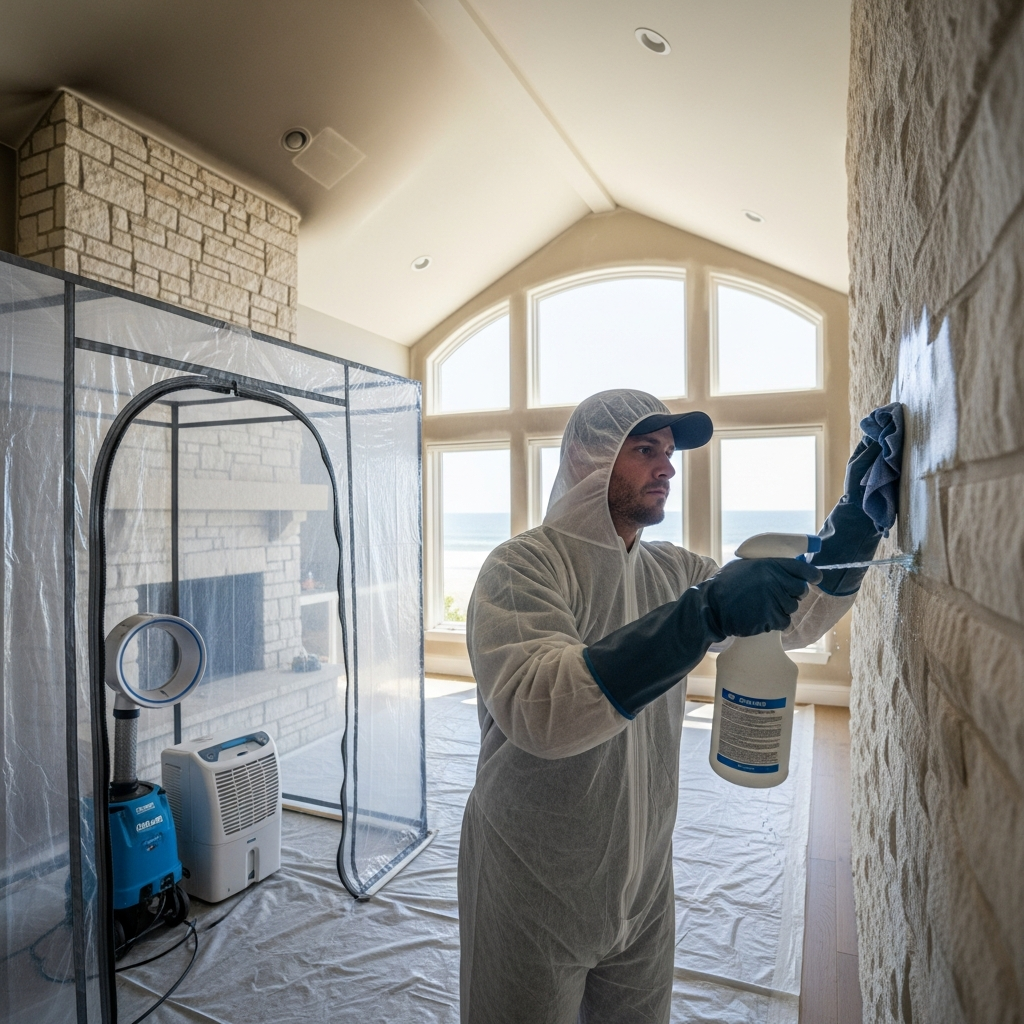
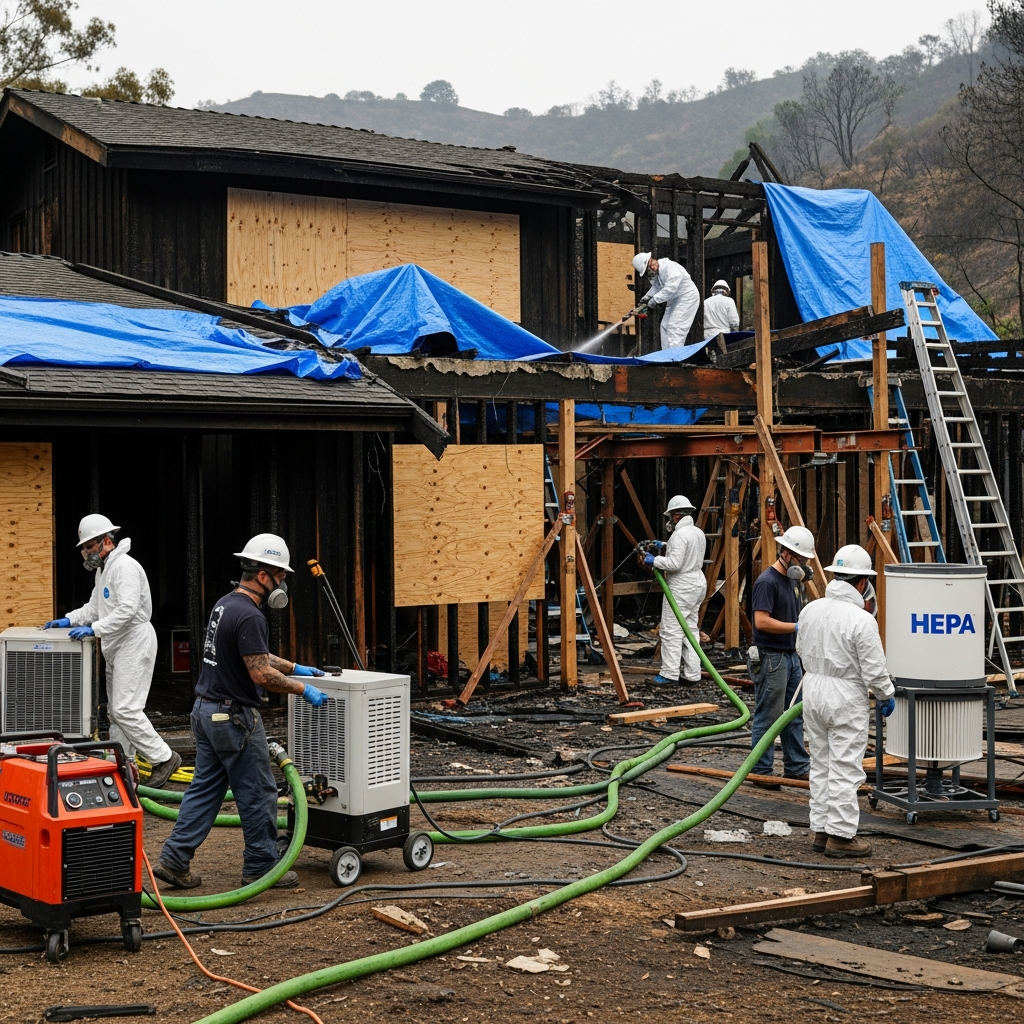
Reviews that reference Malibu specifics—salt air corrosion, marine layer drying challenges, canyon access, or HOA coordination—provide evidence that the team understands our environment. Look for stories about tight tarping that held through a windy night, meticulous zoning to protect unaffected rooms, or careful contents handling that saved treasured items. When homeowners take the time to write those details, they are telling you the company paid attention where it counts.
You might also notice reviewers praising crews by name and describing how they were treated during stressful moments. That kind of feedback suggests consistency and culture, qualities that are hard to fake across multiple projects and months.
How to use reviews to plan your own project
Start by identifying two or three companies with consistently strong local feedback. Then call and test for responsiveness. Do they answer quickly and ask the right questions about safety, weather, and access? Request recent Malibu references and a sample plan for the first 48 hours. This is not about shopping for the lowest promise; it is about finding a team that demonstrates competence before they set foot on your property.
Once you meet on site, compare how each company sequences tasks and how they communicate risks. The best plans address board-ups, drying strategy, soot removal methods, and odor control without leaning on vague assurances. They measure progress and explain how you will see that progress in plain terms.
Common myths reviews can help dispel
One myth is that a home that smells like smoke weeks later is an unavoidable fact of fire. Reviews from successful projects prove otherwise; lingering odor is a solvable problem when source removal is thorough and the air system is addressed. Another myth is that faster always means better. The best Malibu reviews praise speed paired with discipline, not rushed decisions that lead to rework.
A third myth is that out-of-area providers with big fleets automatically perform better. In reality, local knowledge—of weather, logistics, and regulations—often has more impact on your timeline and outcome than fleet size. Reviews that celebrate teams who navigated local challenges gracefully carry more weight than generic praise.
What reviews reveal about contents care
Homeowners rarely forget how their belongings were handled. Great reviews describe careful triage, respectful pack-outs, and restored keepsakes that seemed lost. They also point out honest conversations about what could not be saved and why. If you see many comments about chaotic contents handling or items returned with lingering odor, consider that a caution signal.
Pay attention to how companies coordinate move-back day. Organized returns with labeled boxes, photo inventories, and clean rooms ready to receive items are hallmarks of teams that respect both your time and your home.
Mid-project transparency as a trust indicator
The middle of a restoration is where reviews diverge most. In strong testimonials, homeowners describe milestone check-ins when the team paused to confirm that drying, soot removal, and odor control were on track. They recount collaborative decisions made with adjusters, designers, and trades. In weaker reviews, the middle reads like a blur, with little communication and surprises popping up late. You want the first pattern, and thoughtful companies will be eager to show you how they manage those checkpoints, aligning with recognized fire damage restoration practices.
It is empowering to ask for a mid-project review before you sign. If a company welcomes that conversation and explains how they measure progress, you are on the right track.
Turning insights into action
Armed with patterns from real Malibu reviews, you can structure your project for success. Set expectations for daily updates and define what progress means in measurable terms. Agree on how contents will be handled and how odor clearance will be verified. Decide now when milestone meetings will occur. When both sides commit to these practices, trust builds quickly, and your restoration stays on course.
These steps do not make a stressful situation easy, but they do replace uncertainty with a sense of control. The right partner will welcome this clarity because it leads to better outcomes for everyone involved.
Frequently Asked Questions
How many reviews should I read before choosing a company?
Focus on quality over quantity. A dozen detailed, locally relevant reviews often reveal more than a hundred generic ratings. Look for specificity about Malibu conditions and project scope.
Are negative reviews a deal-breaker?
Not necessarily. Consider patterns and responses. A thoughtful reply and a corrective action plan can turn a negative into a reason to trust. Repeated issues without accountability are the real red flags.
What should I ask references?
Ask how the team handled the first 48 hours, whether communication stayed consistent, how odor was addressed, and whether the final result felt complete weeks later. References grounded in Malibu homes provide the most useful insight.
Do star ratings matter as much as comments?
Comments are more valuable. Stars provide a snapshot; comments tell the story. Detailed narratives help you compare your situation to the reviewer’s and predict how the company will handle yours.
Can I request a mid-project review upfront?
Yes, and you should. Agreeing on milestones and documentation expectations before work begins ensures transparency and keeps the project on schedule.
How can I tell if a company understands coastal challenges?
Look for reviews that mention corrosion control, humidity-balanced drying, and tight containment that holds in wind. Ask the company to explain how they adapt methods for Malibu’s marine layer and access realities.
If you are sorting through options and want confident guidance, lean on local experience and the real stories your neighbors have shared. Reach out today for knowledgeable Malibu fire damage restoration support that turns insights into action and brings your home back with care and clarity.