If you live in Malibu, you know how quickly a calm afternoon can turn into a night of sirens, shifting winds, and orange glow over the ridgelines. I have spent years navigating those canyon roads at all hours, from Point Dume to Serra Retreat and deep into Latigo, showing up for neighbors when the unexpected happens. In those first moments after a fire, the right actions make a world of difference, and the pace of decisions can feel overwhelming. That is why having a clear path toward rapid, professional fire damage restoration is so essential. The threats here are unique: coastal humidity mixing with soot, salt air accelerating corrosion, ash finding its way into crawlspaces, and the ever-present possibility of winds kicking embers back to life. Knowing Malibu means respecting all of that from the minute the scene is safe.
Emergency response is not only about speed; it is about sequencing. The order in which we board up, extract water, address smoke, and stabilize structure affects everything that follows. I have seen homes spared from weeks of disruption simply because early containment steps were taken correctly, and I have seen preventable setbacks when those same steps were rushed or skipped. If you are reading this in the immediate aftermath, pause, breathe, and trust that there is a proven playbook we can follow together. The goal is to protect what is salvageable, prevent secondary damage, and position you for a smoother insurance process.
What happens in the first hours after a Malibu fire
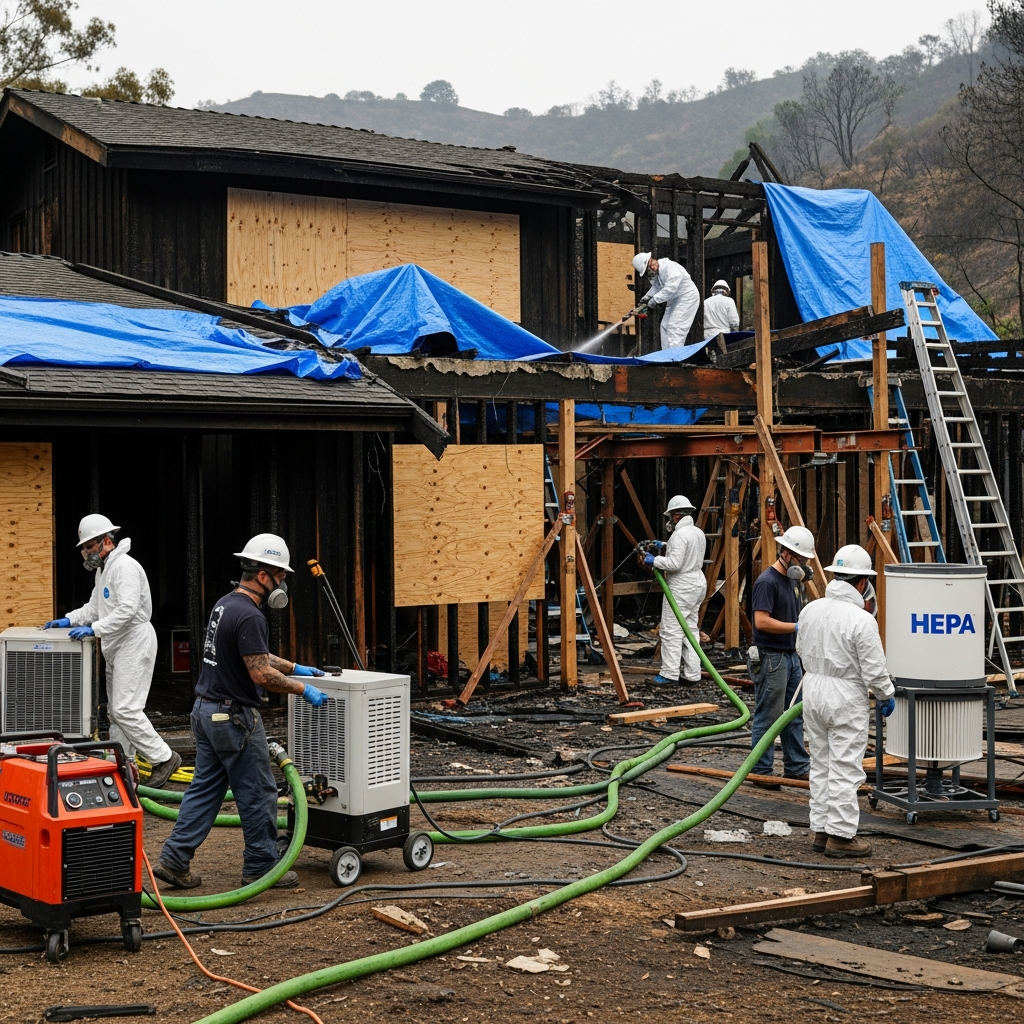
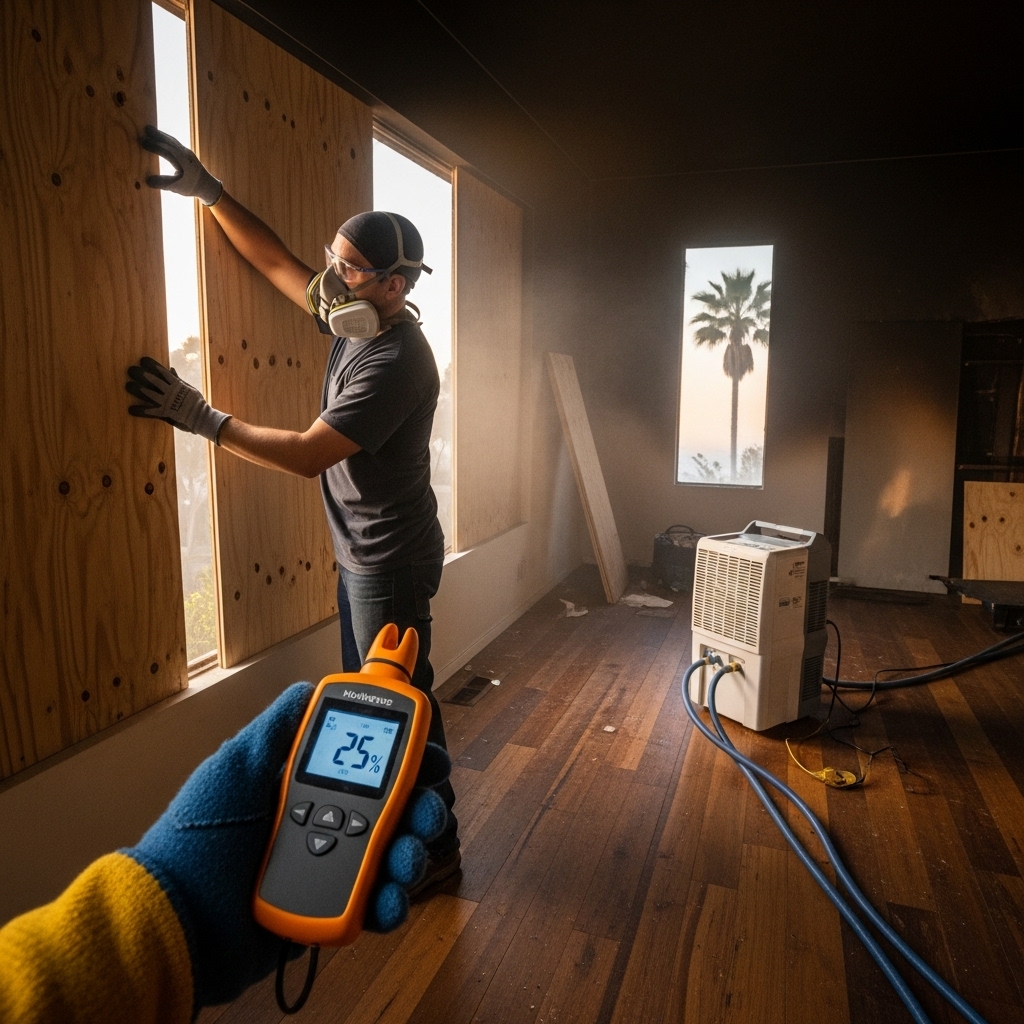
Once the fire department clears the site, the first priority is securing the envelope of the home. Malibu’s coastal breezes can push soot deeper into structures that are left open, and night moisture can settle into wall cavities, mingling with fire suppression water to encourage microbial growth. We move quickly to install board-ups where glass has failed and to tarp roof openings before fog and salt-laden air drift in off the water. This is true even miles inland along the canyons, where temperature swings drive condensation that can complicate drying.
At the same time, we perform a rapid assessment that does not confuse urgency with guesswork. We are looking for the difference between thermal damage, which compromises structural elements, and smoke or soot deposition, which is corrosive but often reversible with the right methods. We document conditions with photographs and moisture readings that will serve both the restoration plan and your claim. It is critical not to bag up belongings or disturb ash patterns until documentation is complete; those details can matter when insurers question cause and scope.
Understanding fire and smoke damage in Malibu’s microclimates
Malibu is a long, complex coastline with microclimates that change from beach to bluff to canyon. Smoke behaves differently in a beach cottage than it does in a hillside villa. Onshore winds drive soot into leeward corners, and negative pressure inside cooled rooms pulls particulates through gaps you did not know existed. In older bungalows, wood paneling can absorb odor and release it back slowly as temperatures warm through the day. In modern builds with tight envelopes, the HVAC can become a delivery system for a problem that started in one room and spread to fifty vents. Knowing these patterns helps us deploy targeted containment and filtration quickly.
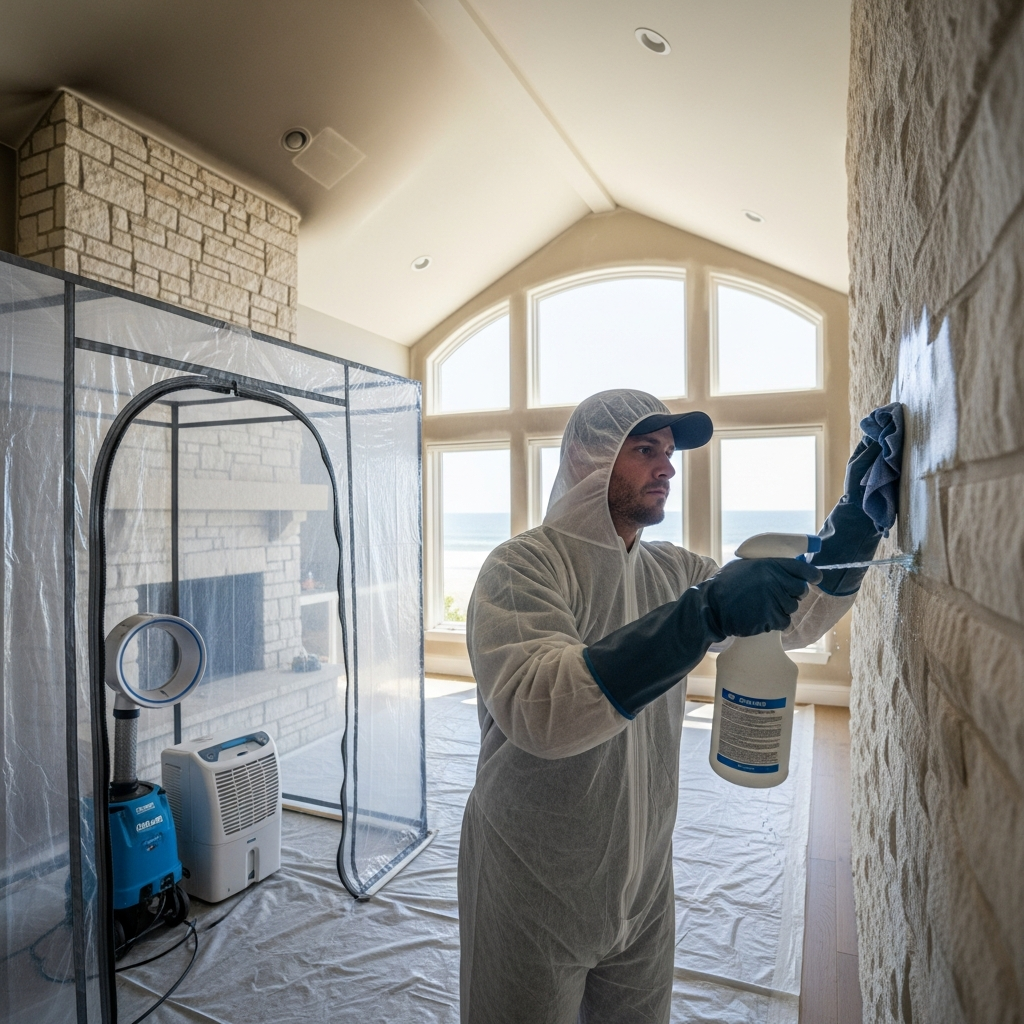
Ash from brush fires carries oils and minerals that cling to surfaces and corrode metal. Combine that with the marine layer, and you have a recipe for rapid deterioration of fixtures, hinges, and electronics. That is why we isolate clean rooms early and establish pressure differentials with air filtration devices, protecting areas that were not directly affected. Meticulous zoning may feel like overkill in the moment, but it keeps your restoration from becoming a whole-house ordeal.
Stabilizing structure and preventing secondary damage
When flames have compromised framing or roof members, shoring must be installed before anyone goes deeper into the space. We evaluate char depth and structural integrity while coordinating with the building department when permits are necessary for temporary supports. At the same time, water used to extinguish the fire needs to be removed with extraction and aggressive drying. Malibu’s humidity means that simply opening windows is often the wrong move, especially at night. Controlled dehumidification and directed air movement are safer, preventing warping of hardwoods and swelling of cabinetry.
Corrosion control is another early step that too many teams overlook. Soot plus salt air equals accelerated pitting on appliances, railings, and even plumbing fixtures. We apply corrosion inhibitors where appropriate and begin fine particulate removal using dry sponges and HEPA vacuuming, reserving wet cleaning for surfaces that can tolerate it. That sequence matters; if you jump straight to wet cleaning in the wrong place, you can set stains or force contamination deeper.
Working with insurance without losing momentum
Every minute counts after a fire, but you also need to align documentation with your carrier’s expectations. In Malibu, we are accustomed to adjusters who must balance wildfire claims with individual house fires, and we plan for that reality by making our reporting unambiguous. We catalog structural materials, finishes, and contents with photographs and line-item descriptions that tie directly to restoration tasks. The more complete our early package, the fewer delays we face later when approvals are needed for specialty cleaning, pack-out, or reconstruction.
It helps to think of the claim as a narrative that starts on day one. We gather witness notes from first responders when possible, capture weather conditions, and record utility shutoffs. Those details corroborate the sequence of events and defend the necessity of certain emergency measures. I always remind clients that it is better to ask questions early than to rework submittals three weeks later. Good documentation does not slow us down; it keeps us moving.
Caring for contents and the memories inside them
Homes in Malibu tell stories—surfboards with decades of wax, handwoven textiles brought back from travels, framed art that once hung in a downtown studio. Contents care is as much about respect as it is about technique. We triage items by material and porosity and decide on-site whether to stabilize or pack-out. Textiles that smell heavily of smoke can often be recovered with ozone or hydroxyl treatment after thorough pre-cleaning, while delicate papers require dry cleaning and controlled desorption to avoid distortion.
We set up clean zones for inspection, and we invite homeowners to walk through selections with us when it is safe to do so. I find that involvement reduces stress and aligns expectations. Not every item can be saved, but more can be recovered than most people assume, especially when soot is addressed before it has time to etch finishes. Balanced decision-making preserves what matters while avoiding the trap of spending weeks on things that will never feel right again.
Odor removal that truly works
Lingering smoke odor is the detail that makes or breaks a restoration. Malibu’s daily warm-and-cool cycles can pull odor out of hidden cavities if those areas are not properly cleaned and sealed. We start with source removal—char and residues must be physically eliminated—then we use advanced filtration and odor counteractants to neutralize what remains. Thermal fogging or vapor-phase treatments can be powerful when used with precision, but they are never a substitute for thorough cleaning.
In many homes, the HVAC system becomes the hidden reservoir for fine particulates. We methodically seal registers, change filters, and arrange professional duct cleaning when warranted, followed by a system run test to confirm odor control. The payoff is a house that smells like home when the doors open, not a place that masks smoke with perfumes that fade by the weekend.
Water, ash, and the coastal climate
After a fire, water is both friend and foe. It saved the structure, yet it now threatens hardwoods, drywall, and cabinetry. Malibu’s proximity to the ocean adds two challenges: salt and humidity. Salt crystals suspended in the air settle on damp surfaces, drawing moisture and speeding corrosion. That is why we focus on balanced drying—steady dehumidification, proper air movement, and frequent monitoring to adjust equipment before materials are over-dried or left wet. As the property stabilizes, we transition from emergency mitigation to detailed cleaning so the house not only survives but is ready for rebuilding with confidence.
Partway through a project, owners often ask whether it is time to shift from triage to rebuilding. The answer lives in the data we track daily—moisture readings, odor checks, and clearance tests. When those metrics show real progress, it is appropriate to revisit the scope with your adjuster and contractor. This is also when a mid-project consultation about professional fire damage restoration methods can align everyone on the final push, ensuring specialty cleaning, sealers, and material choices support a durable outcome in our coastal environment.
Why local expertise matters
Malibu is not a place you learn from a manual. You learn it by driving PCH at dawn to beat a closure near Las Flores, by knowing when fog will roll in under the bluffs, by anticipating how a canyon will funnel wind toward a fragile tarp if you secure it the usual way. Local experience shows up in a hundred small decisions that prevent a job from unraveling. It is in the habit of bringing corrosion wipes for fixtures, of protecting stone counters from etching during cleaning, of setting up equipment to keep noise down when neighbors are rebuilding too and everyone is short on sleep.
It also shows up in relationships—with building inspectors who understand emergency shoring, with waste facilities that handle debris responsibly, and with tradespeople who can be trusted to show up when promised. In an emergency, trust is currency. The teams that live and work here know what it means to safeguard a home that carries decades of memories and to do it while respecting Malibu’s environmental standards.
Real experiences from our coastline
One December, a wind-driven kitchen fire in a Point Dume ranch could have spread through the attic, but fast suppression limited the burn. The real threat became the wet insulation and the soot that had crept into the tongue-and-groove ceiling. By focusing first on controlled demolition in select bays and sealing off the rest of the home, we preserved holiday plans that had seemed impossible a day earlier. In another case above Carbon Canyon, the fire was small, but the odor was relentless because of an unsealed chase behind a built-in. Once we found and cleaned that cavity, the house cleared in days.
These stories carry a shared lesson: success comes from seeing the whole picture—weather, materials, airflow, and the lived rhythms of a Malibu home. When you address all of it, the path back is shorter and a lot less stressful.
Preparing for what comes next
After emergency mitigation, reconstruction can proceed with a calm, methodical pace. Selecting low-porosity finishes, improving attic access for future inspections, and upgrading alarms are smart choices that respect our local realities. Some homeowners choose to install ember-resistant vents or to relocate combustible storage away from heat sources. While prevention lives partly outside restoration, the moment right after a fire is often when the motivation and attention are highest, and thoughtful upgrades can make the home more resilient without changing its character.
Frequently Asked Questions
How soon should I start restoration after the fire department leaves?
Begin as soon as the scene is cleared for entry. Early steps like board-up, moisture control, and soot stabilization prevent secondary damage and make the insurance process simpler. Waiting even a day in Malibu’s humid, salty air can accelerate corrosion and drive odor deeper.
Is everything that smells like smoke a total loss?
No. Many items, especially hard-surface furnishings, area rugs, and certain textiles, can be cleaned and deodorized successfully. The key is proper assessment and a methodical cleaning plan that prioritizes source removal and careful odor treatment.
What should I do with food and medications after a fire?
Discard anything exposed to heat, soot, or firefighting water, even if packaging appears intact. Smoke and elevated temperatures can compromise safety. Photograph items for your records before disposal to support your claim.
Will my insurance cover emergency measures like board-up and drying?
Most homeowner policies include coverage for reasonable emergency services required to protect the property from further damage. Clear documentation and timely communication help secure approvals. Your restoration team should provide detailed invoices and reports that align with your policy language.
How long does smoke odor removal take?
It depends on the extent of contamination and the building’s complexity. A small, contained fire may clear in days, while a whole-home event can take weeks of phased cleaning, ventilation, and verification. We focus on measurable progress, not masking odors, and we confirm results with walk-throughs and, when appropriate, third-party testing.
Do I need to replace my HVAC system?
Not usually. Many systems can be restored through professional duct cleaning, filter changes, and careful coil treatment, followed by performance testing. Severe contamination or heat damage may require component replacement, which should be evaluated by qualified technicians.
Can I stay in my home during restoration?
Sometimes, in unaffected areas that are safely isolated and have clean air. Many Malibu homes allow for partial occupancy during later phases. We will talk through safety, comfort, and logistics to decide what works best for you and your family.
What makes Malibu restorations different from inland projects?
Salt air, humidity, coastal winds, and the region’s microclimates change how soot behaves and how drying should be managed. Local regulations and access challenges also influence scheduling and debris handling. Teams with Malibu experience anticipate these factors and plan around them.
If you need immediate help, trust a local team that arrives quickly, secures the home, and communicates clearly from the first hour through the final walkthrough. For rapid support rooted in Malibu know-how, reach out today and let us guide you step by step with proven Malibu fire damage restoration that brings your space back with care and precision.