Malibu’s business community is as diverse as the coastline itself—restaurants that spill onto patios, boutiques that curate ocean-inspired design, galleries and studios that showcase local talent, and hospitality spaces that welcome travelers from around the world. When fire or pervasive smoke disrupts these environments, owners feel the pressure immediately. Every hour matters. The challenge is restoring not just a building, but brand experience, employee confidence, and customer trust. In our coastal climate, where salt air and humidity complicate cleanup, timely, coordinated fire damage restoration can be the difference between a smooth reopening and lingering setbacks.
Commercial properties introduce unique variables compared to homes. Inventory management, health and safety requirements, mechanical systems, and the need for continuity all play a role. Malibu’s layout adds layers—access along Pacific Coast Highway, canyon roads that change with weather and response activity, and the marine layer that can drive odor deeper into porous materials. Restoration for businesses must be precise, respectful of operations, and synchronized with stakeholders—from landlords and risk managers to staff and vendors.
Stabilize First: Safety, Access, and Business Continuity
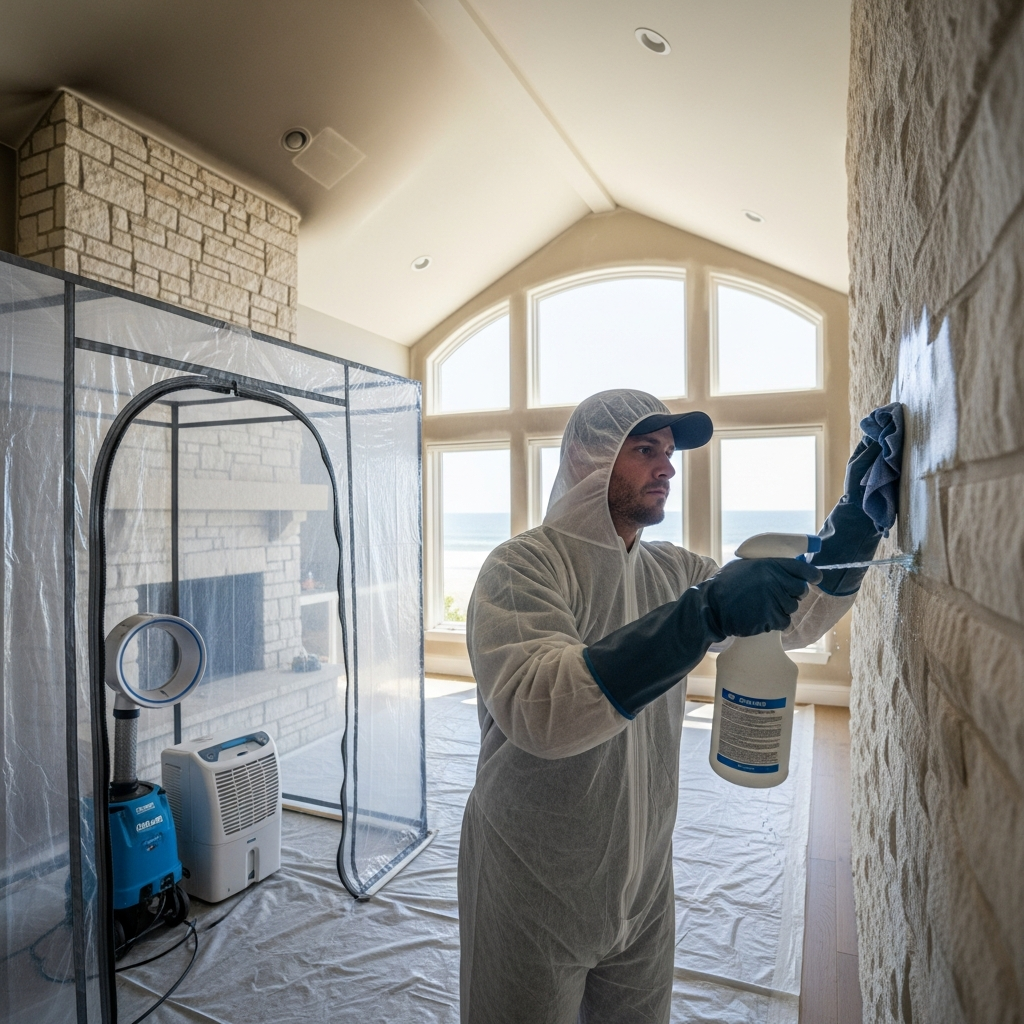
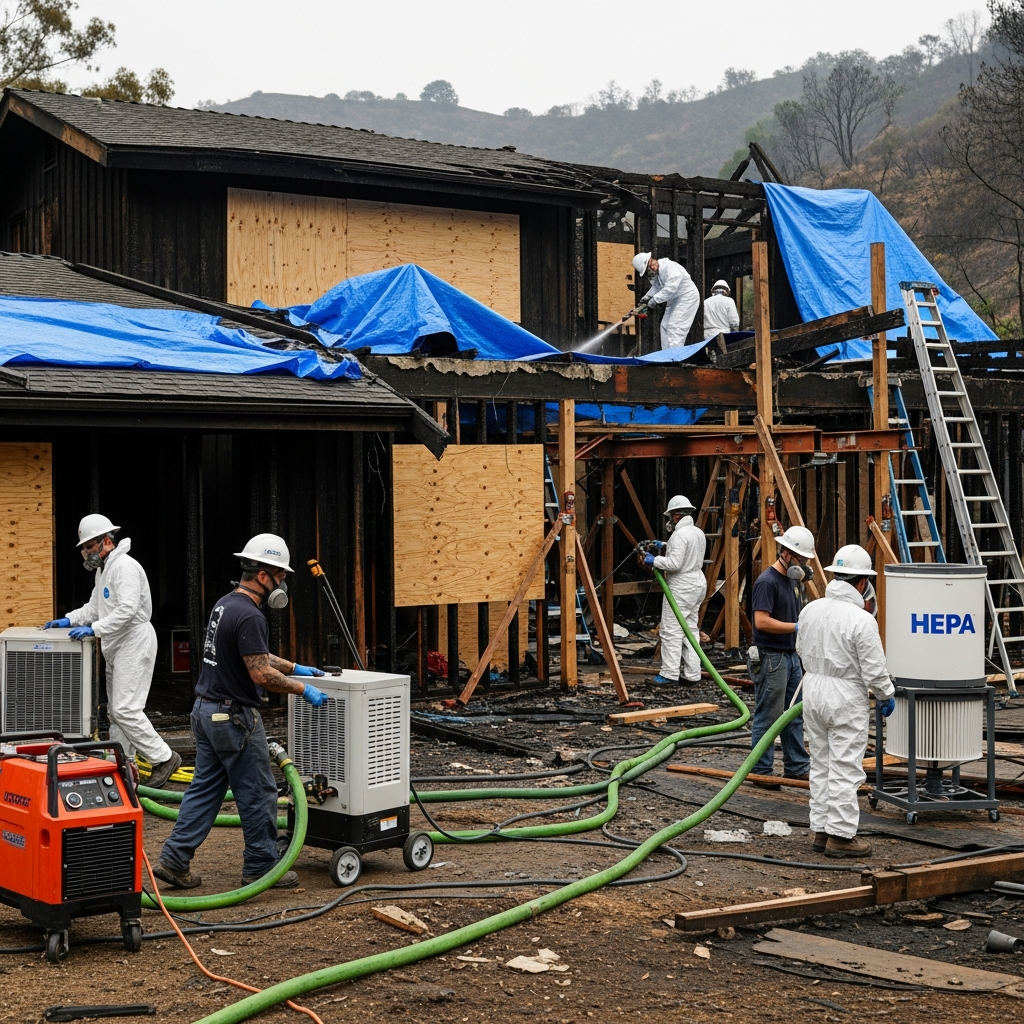
The first hours are about stabilization and control. Crews secure entries, board windows or doors if needed, and establish safe access routes so critical personnel can enter and evaluate. For restaurants and hospitality venues, that may include isolating kitchens and refrigeration, protecting food safety, and documenting temperatures or power interruptions. For retail or gallery spaces, inventory protection and cataloging prevent losses and streamline claims. In all cases, containment and HEPA filtration help keep smoke particulates from migrating to areas that can stay operational.
Temporary power and lighting ensure essential systems can run without risk. If firefighting introduced water, extraction and dehumidification start right away. At the coast, humidity is a silent accelerant for corrosion, so controlling the indoor environment buys time and prevents setbacks. Detailed photo logs and condition notes inform insurance communication and give ownership teams a clear snapshot of what must be addressed.
Odor and Air Quality: Winning Customers Back
For businesses, odor can be as damaging as visible soot. Customers judge experience by the senses, and lingering smoke undermines that instantly. Effective deodorization is layered: physical removal of residues, targeted cleaning of HVAC and return air pathways, and neutralization that matches the source. In restaurants, grease and smoke residues may require different chemistry than residues in a boutique with natural fiber textiles. Galleries with canvas, paper, or wood frames demand gentle techniques to preserve texture while removing odor.
Because Malibu businesses rely on open doors and fresh ocean air, controlling airflow during restoration is critical. Containment, negative air, and HEPA filtration create clean zones where staff can work safely even as other areas are restored. Verification—through particle counts, odor checks, and surface testing—confirms progress and builds confidence for reopening.
Protecting Equipment, Inventory, and Technology
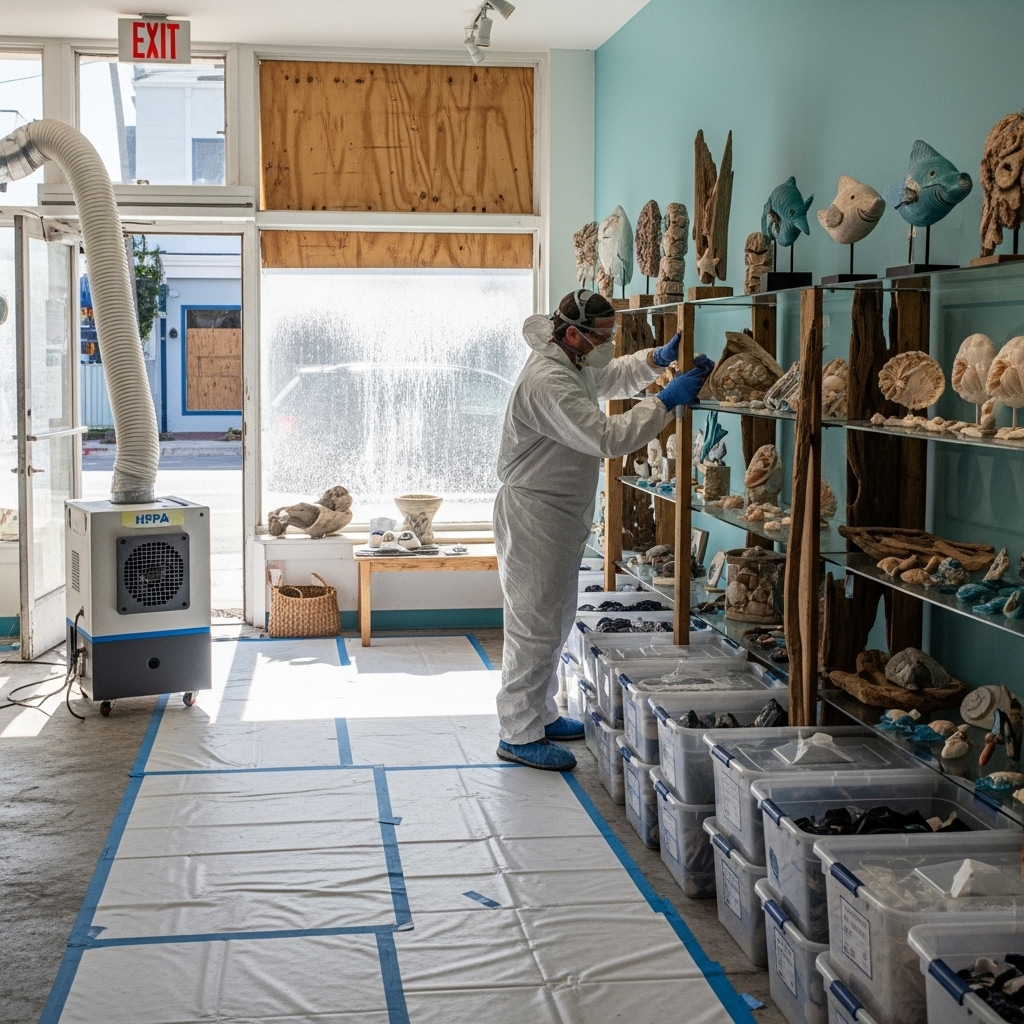
Every business has its heartbeat equipment: POS systems, refrigeration, lighting controls, audio-visual gear, even espresso machines that must perform flawlessly. Smoke and salt can corrode contacts and shorten equipment life if not addressed. Prioritizing sensitive electronics for evaluation and cleaning pays off, as does controlling humidity while systems are offline. Pack-out to a controlled environment may be appropriate for certain assets, especially if the location must remain open in a limited capacity during restoration.
Inventory often drives the bottom line. For retailers, accurate counts and condition notes simplify claims and guide decisions on what can be sold, cleaned, or must be discarded. For restaurants and hospitality operators, food safety protocols dictate how to handle exposed items, and careful documentation protects both compliance and reputation. Coordinating with suppliers on delivery schedules helps ensure that restocking and reopening align.
Scheduling Work to Reduce Downtime
One hallmark of business-centered restoration is scheduling that respects operations. Night work, phased areas, and off-hour cleaning allow partial reopening sooner. Communication is the linchpin—daily updates to ownership, punch lists that track progress, and clear signage for staff navigating containment zones. When a team anticipates your service peaks and staffing rhythms, they can shape the work to minimize impact while moving efficiently toward full restoration.
In multi-tenant centers, landlords and neighboring businesses become part of the conversation. Coordinated schedules, shared safety plans, and transparency reduce friction and keep the center’s overall experience positive. In Malibu, where community perception is strong, a professional, considerate presence during restoration reflects well on everyone involved.
Compliance, Documentation, and Insurance
Commercial claims bring unique requirements. Ownership groups and insurers expect thorough documentation, from initial photos and moisture maps to equipment test results and air quality checks. For food and beverage operations, records showing temperature control and handling decisions provide clarity. For galleries, provenance and condition reports support conservation choices. The best restoration partners present information in a way that makes approvals straightforward and keeps the project moving.
Permitting and inspections may be necessary if structural repairs are involved. Coordination with general contractors ensures that cleaned surfaces are prepared correctly for rebuild and that odor sealing aligns with future finishes. Clear scopes protect budgets and timelines by preventing rework and surprises late in the process.
Mid-Project Communication and Stakeholder Confidence
Halfway through restoration, it is common for fatigue to set in among staff and management. Momentum matters. Regular progress meetings, photo updates, and walk-throughs re-energize teams and demonstrate how each phase sets up the next. Carbon and soot look daunting at first; seeing clean, sealed areas and breathing fresher air restores optimism. If you are unsure whether your plan is calibrated for Malibu’s coastal variables, consult professionals experienced in Malibu fire damage restoration to validate the sequence and make adjustments before small issues become delays.
Examples from the Local Business Community
A beachside café experienced heavy smoke incursion after a nearby brush fire. While the kitchen remained intact, dining spaces smelled strongly of smoke. The team set containment to keep the kitchen sanitary, deep-cleaned ductwork, and treated seating areas with layered deodorization. Because work was phased overnight, the café reopened its patio three days later with indoor seating following shortly after, and customer reviews noted the clean, fresh feel.
In another case, a boutique hotel had a small fire in a laundry area, with smoke traveling into the lobby and hallways. Rather than closing the entire property, restoration proceeded floor by floor, with HEPA filtration and noise control after hours. Guests remained comfortable, and the hotel maintained operations while the affected wing was cleaned, sealed, and verified for odor-free comfort.
Frequently Asked Questions
How quickly can a business reopen after smoke damage?
It depends on the extent of damage and the type of operation. Phased approaches often allow partial reopening within days while deeper cleaning continues. Clear communication and verification of air quality help ensure customers and staff feel confident.
What makes coastal business restoration different?
Salt and humidity increase corrosion risk on electronics and fixtures and can make odors linger. Restoration plans for Malibu businesses prioritize humidity control, corrosion protection, and HVAC cleaning to handle these coastal variables.
Can we operate in part of the space during restoration?
Often yes. With containment, HEPA filtration, and thoughtful scheduling, businesses can continue limited operations while work progresses in other zones. Safety and comfort remain the top priorities.
How do you protect inventory and brand assets?
Early documentation, secure pack-out when needed, and tailored cleaning for different materials prevent losses. Coordinated logistics with suppliers ensure restocking aligns with reopening, protecting revenue and reputation.
Who manages communication with landlords and insurers?
A strong restoration partner coordinates with property managers, landlords, and insurers, providing documentation and schedules that keep approvals moving and stakeholders aligned.
How do you ensure odors do not return?
By sequencing cleaning, HVAC treatment, and deodorization correctly, then sealing where appropriate and verifying with checks before reopening. Ongoing humidity control prevents reactivation in coastal conditions.
When your Malibu business needs to move from disruption to reopening, choose a partner who understands guest expectations, operational rhythms, and coastal realities. With the right plan and steady coordination, you can protect your brand and welcome customers back quickly. If you are ready to set your recovery in motion, contact a local team that specializes in comprehensive fire damage restoration for Malibu businesses and can align safety, speed, and experience to bring your space back to life.