Living by the ocean in Malibu is a gift—spectacular sunsets, the sound of waves traveling up the canyons, and a community that knows how to embrace the coastline’s beauty. Yet anyone who has lived through a brush fire or a wind-driven ember storm along the bluffs understands that coastal homes face unique vulnerabilities when flames and smoke move through our hillsides. In these moments, calm, informed guidance makes all the difference. When coastal conditions like salt, moisture, and wind intersect with fire and smoke, the path to restoring your home requires strategies built for the shoreline. That is exactly why experienced, local fire damage restoration matters for Malibu homeowners who want a thorough, resilient recovery.
Fires in this region rarely behave in tidy, predictable patterns. The same breezes that cool the afternoons can accelerate ember travel, pushing smoke into attic vents and under eaves. The marine layer adds moisture that transforms soot into a corrosive film on metal fixtures, appliances, and window tracks. Residual salt from the air can amplify corrosion and complicate cleanup if the wrong methods are used. Coastal houses, whether perched above Zuma or tucked along Point Dume, benefit from a restoration approach that respects these microclimates and the materials common to oceanfront construction.
How Coastal Conditions Change Fire and Smoke Behavior
It helps to understand how the shoreline environment surrounding Malibu influences what happens during and after a fire. Along the coast, wind direction shifts rapidly, funneling through canyons and wrapping around headlands. When embers ride these winds, they often lodge in roof valleys, behind decorative facades, and inside soffits. Meanwhile, cool marine air condenses on cooler surfaces at night, so soot particles cling to damp window casings, metal screens, and exposed fasteners. The result is more widespread smoke intrusion, even in rooms that never saw flames, and a higher risk of corrosion on stainless-steel appliances, aluminum sliding doors, and electronics.
Another factor is how coastal architecture influences fire pathways. Many Malibu homes feature open floor plans, expansive window walls, and natural materials like cedar, redwood, or reclaimed beams. These design elements elevate the property’s character, but they also provide channels for smoke flow and surfaces that absorb odor. Stone and plaster can trap odor molecules in pores; natural fabrics like wool or linen, so popular in beach houses, can hold onto smoke residue longer than synthetic blends. A coastal-specific plan addresses each of these materials with tailored cleaning, deodorization, and drying.
Immediate Steps After a Fire in a Coastal Home
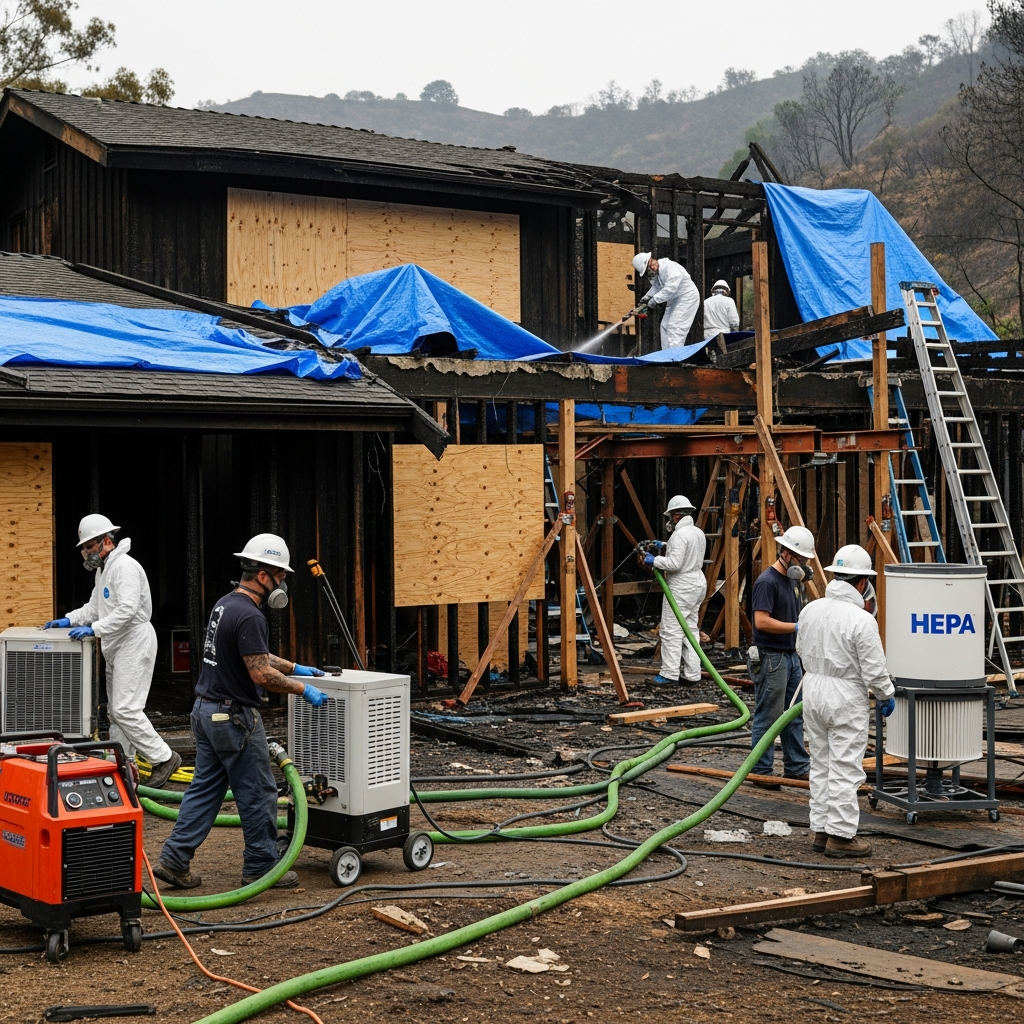
Once the property is safe and cleared by authorities, the first priority is stabilizing the structure and contents. Board-up and roof tarping are crucial near the ocean because the overnight marine layer and salt-laden breezes can accelerate deterioration if openings remain exposed. Protecting unburned areas from moisture intrusion pays dividends later; saturated drywall, salt-caked wiring, and damp insulation can complicate both restoration and rebuild if not addressed quickly. Inside, targeted water removal after firefighting, along with humidity control, prevents secondary damage that thrives in our coastal climate.
Documentation is equally important: comprehensive photographs, itemized inventories for contents, and moisture maps produced by thermal imaging create a clear baseline. This record helps communicate with insurance adjusters and keeps everyone aligned on what can be restored versus what needs replacement. In Malibu, where custom finishes and unique architectural details are common, accurate documentation ensures specialty items—custom cabinetry, hand-troweled plaster, or bespoke lighting—receive the attention they deserve.
Cleaning Soot and Smoke with Coastal Materials in Mind
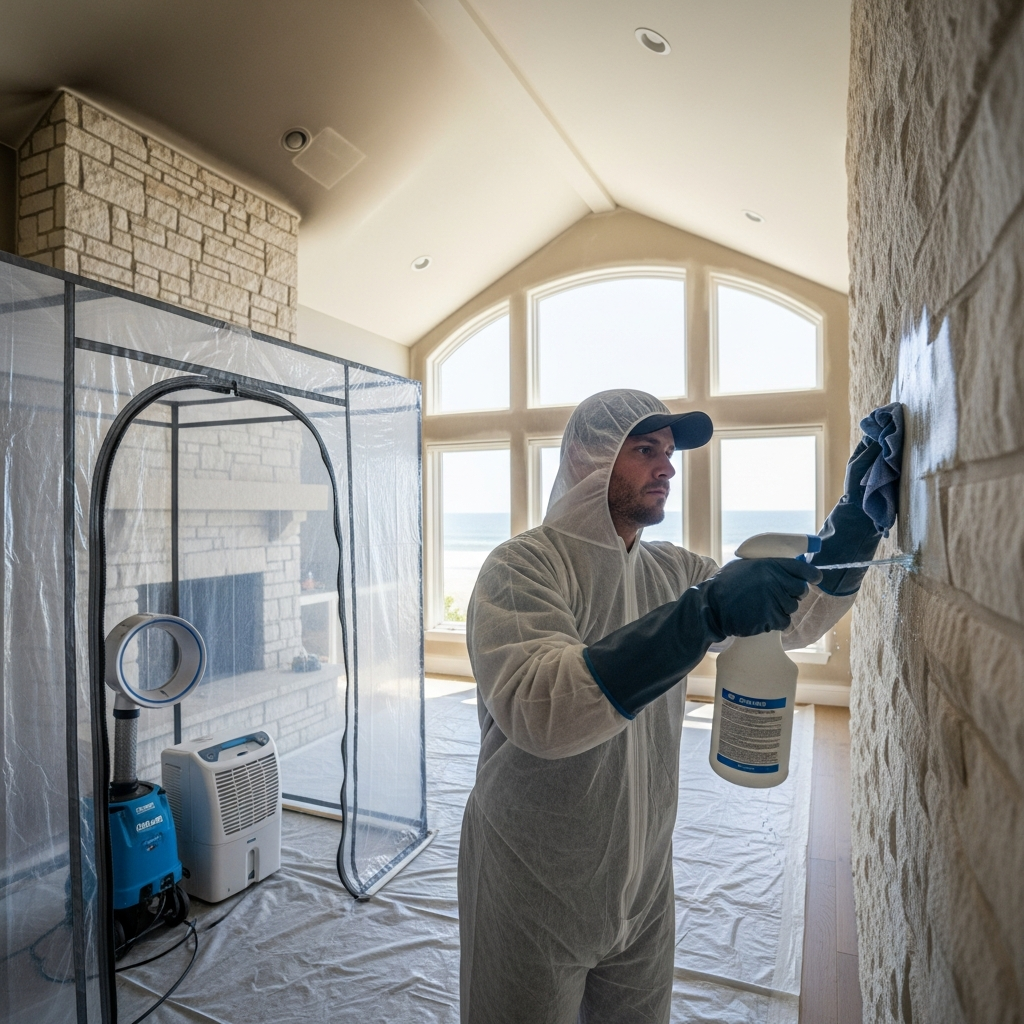
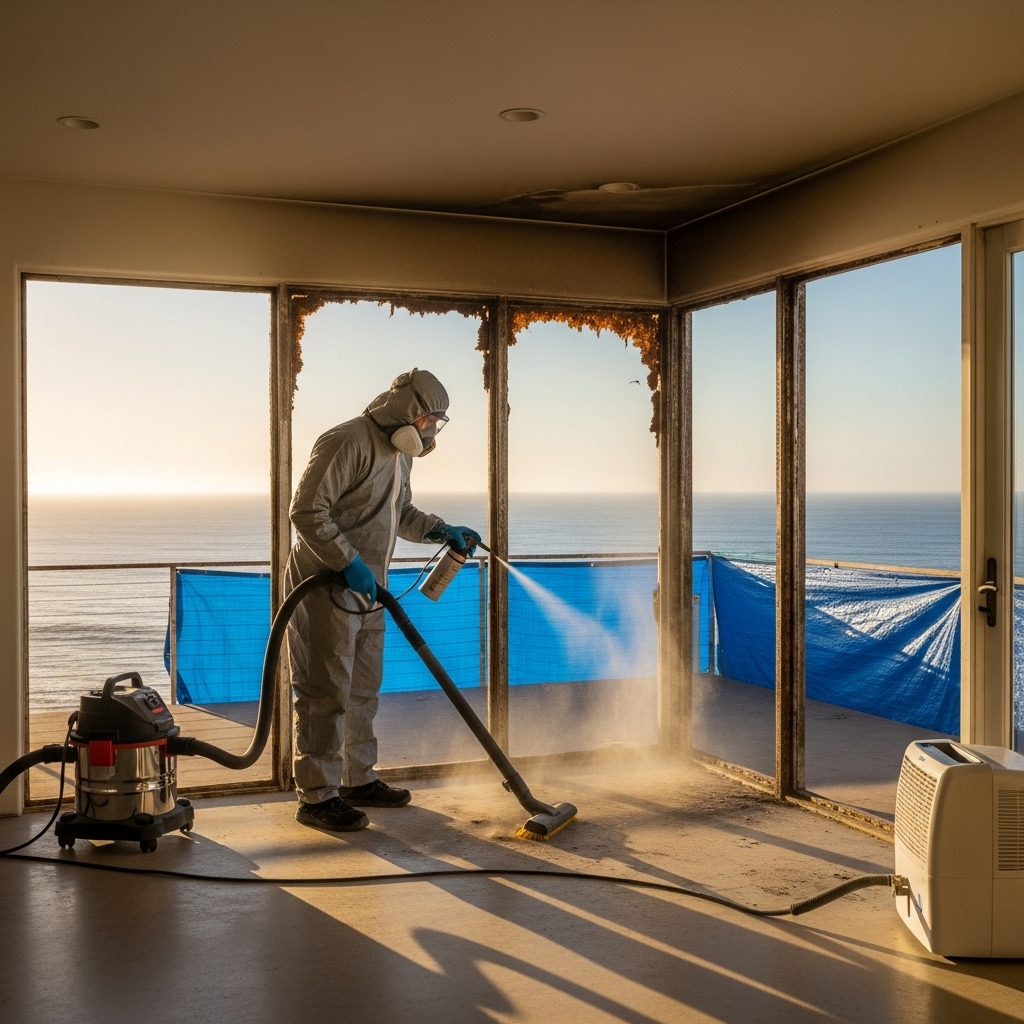
Soot is not a one-size-fits-all contaminant. In Malibu’s coastal homes, soot often mixes with salt and organic debris carried in from the ocean air, forming a film that can etch glass and stain metals if left in place. The cleaning sequence matters: dry removal to lift loose particles, careful HEPA vacuuming to capture fine particulates, and application of chemistry selected for the surface at hand. On stone counters or plaster, aggressive scrubbing can drive odor deeper. On stainless steel, the wrong product can scratch the surface or leave residues that later corrode. A coastal restoration strategy uses pH-balanced cleaners and corrosion inhibitors to protect finishes as they are restored.
For contents, momentum and timing are key. Fine art, musical instruments, and high-end electronics are common in Malibu homes, and their sensitivity to soot plus salt is high. Early pack-out of these items to a controlled environment allows for gentle, methodical cleaning and drying. Odor neutralization for textiles—rugs, draperies, throws—often combines controlled washing processes with advanced deodorization technology. Throughout, the aim is to restore rather than replace where feasible, while acknowledging that some items with heavy contamination near the ocean may require specialized handling.
Moisture, Salt, and Corrosion: The Coastal Trifecta
Salt is an active participant in post-fire damage here. Even homes that did not burn can experience hidden corrosion if smoke drifted in during a windy night. Electrical contacts, hinges, door hardware, sliding mechanisms, and HVAC components are particularly vulnerable. After a fire, a robust inspection includes testing and cleaning these small but essential parts. Moisture control is equally critical; marine humidity can spike in the evenings, so strategic dehumidification and ventilation help keep soot residues from migrating or transforming into corrosive films. Where needed, desiccant dehumidifiers are used to stabilize larger volumes, especially during extended repairs.
When drywall or insulation becomes wet from firefighting efforts, it is not just about drying to a moisture target; it is about preventing long-term odor pockets and microbial growth. Wall cavities along the coast are more likely to develop condensation, so they require careful monitoring. In some cases, removing baseboards and accessing cavities for targeted drying and cleaning creates a healthier, more durable result. Odor sealing with appropriate primers—chosen to match the substrate—provides a final barrier that keeps future humidity swings from reactivating residual smells.
Odor Removal that Respects Open Plans and Ocean Breezes
Coastal homes often depend on cross ventilation and large openings to the outdoors. During restoration, controlling airflow becomes a tool for both safety and effectiveness. Negative air machines, HEPA filtration, and containment zones allow crews to move odor-laden air out while protecting areas already cleaned. Deodorization employs a layered approach: mechanical removal of particles first, followed by neutralization methods suited to the scenario—thermal fogging for structural cavities, hydroxyl technology when occupants or pets need to remain nearby, and sealing when porous materials cannot be fully cleaned.
The choice of deodorization method reflects not just the chemistry of smoke, but the lived reality of Malibu life. For example, a homeowner who wants to reoccupy a guesthouse while the main structure is being rebuilt may prefer low-impact options that do not require vacating the premises. Balancing thoroughness with habitability is part of why a local, coastal-aware team is essential for Malibu properties that combine indoor comfort with outdoor living.
Working with Insurance on High-Value Coastal Properties
Coastal homes frequently include custom upgrades and unique features that benefit from clear communication with insurers. From specialized exterior cladding to pressurized wine rooms and climate-controlled display spaces, every detail matters. A strong restoration partner organizes documentation so that these details are not lost. Line-item estimates, photographs of concealed damage, and testing results for electronics increase confidence that the scope reflects the home’s true needs. Malibu homeowners also appreciate regular progress updates—especially if they are temporarily relocated—so transparent project management keeps stress lower as the work proceeds.
In my experience, aligning the restoration scope with the future rebuild is critical. When charred framing is removed or cleaned, for instance, planning for reinsulation and proper vapor control prevents coastal humidity from creating new problems. Collaborating early with the general contractor helps ensure that the surfaces being prepared for finishing—plaster, hardwood, stone—are clean, dry, and neutralized for a long-lasting result.
Resilience for the Next Season
Once the immediate crisis passes, many Malibu homeowners look for ways to harden their homes without sacrificing the charm of seaside living. That can include ember-resistant vents, improved defensible space tailored to native coastal plants, sealed eaves, and strategic use of noncombustible materials in high-risk areas. Roofing upgrades, careful attic insulation choices, and improved weatherstripping around doors and windows reduce pathways for smoke and embers. Even small changes—like replacing a weathered screen or adjusting attic ventilation—can improve outcomes in future events, especially when paired with a well-practiced plan for evacuation and re-entry.
In the middle of a complex recovery, it helps to lean on a team that knows our coastline’s rhythms. The blend of salt, moisture, and wind that makes Malibu so special also shapes the science of restoration here. Local technicians who are fluent in these conditions move quickly to protect materials, choose the right cleaning process, and guide decisions with clarity. If you are searching for guidance or hands-on help, look for seasoned Malibu pros who specialize in Malibu fire damage restoration and understand what it takes to bring a coastal home back to form and function.
Case Notes from the Coast
Consider a ridge-top property that experienced a wind-driven ember attack without direct flame contact. At first glance, the structure appeared unscathed, but the homeowners noticed a metallic smell and persistent haze in certain rooms. Inspection revealed soot entrained in the HVAC system, corrosion beginning on the stainless kitchen range, and pitting on window hardware facing the ocean. The solution involved simultaneous HVAC cleaning, corrosion control, and targeted deodorization using hydroxyl generators while the family stayed in a detached casita. The result: a clean home, preserved finishes, and confidence that the salty evening air would not reactivate odors later.
In another case, a bungalow closer to the shoreline faced significant water intrusion after firefighters knocked down a blaze in an attached garage. Nighttime moisture condensed inside wall cavities, and by morning, the odor had intensified. Thermal imaging identified damp pockets behind the laundry room and along the base of a window wall. By opening a few targeted areas, drying the cavities, and sealing with appropriate primers, the crew prevented long-term problems, and the rebuild moved forward without lingering smoke notes.
Frequently Asked Questions
Why does smoke damage feel worse near the ocean?
Coastal air carries salt and moisture, which interact with soot to create a more corrosive residue. That combination etches glass faster, stains metals, and allows odors to persist unless surfaces and air pathways are addressed with coastal-aware methods. The marine layer also increases the likelihood of soot bonding to cooler surfaces overnight, so timely cleaning and humidity control become particularly important in Malibu.
What should I do first if my coastal home has smoke damage but no visible charring?
After confirming safety, close exterior openings to limit the flow of moist air into the space, and avoid turning on the HVAC until it can be inspected. Document the condition with photos and make note of any electronics or metal fixtures that smell smoky. Then contact a local restoration team familiar with coastal conditions so they can secure the structure, assess the HVAC, and begin corrosion control promptly.
Can electronics be saved after exposure to coastal soot?
Often yes, but time is critical. Electronics exposed to soot plus salt are at higher risk for corrosion at circuit contacts. Professional assessment and cleaning in a controlled environment can improve the odds of successful restoration. Powering on devices before cleaning can worsen damage, so it is best to let specialists evaluate and stabilize them first.
How do you remove smoke odor from open-plan coastal homes?
Deodorization begins with removing soot particles, then neutralizing residual odor in air pathways and porous materials. Techniques can include HEPA filtration, negative air pressure, thermal fogging for structural cavities, and hydroxyl generators when occupants need to remain nearby. Finally, sealing with appropriate primers on certain substrates prevents humidity swings from reactivating odor.
Will tarping and board-up really help along the coast?
Absolutely. In Malibu, tarping and board-up reduce the influx of moist, salty air that can accelerate corrosion and drive odor deeper into materials. Protecting openings also prevents overnight condensation on freshly cleaned surfaces and preserves progress between workdays during restoration.
How long does coastal fire damage restoration usually take?
Timelines vary based on the extent of smoke spread, material types, and any structural repairs required. Coastal homes sometimes need extra time for corrosion control and drying due to humidity. A well-managed project sets milestones, provides frequent updates, and synchronizes cleaning with rebuild steps to keep momentum steady.
Is it possible to live in the home during restoration?
It depends on the damage, but many Malibu homeowners can remain in a portion of the home if containment, air filtration, and low-impact deodorization are planned carefully. A local team will design zones that keep cleaned areas protected and ensure air quality meets comfort expectations while work continues.
When your home by the sea needs expert attention after smoke or fire, choose specialists who understand the tide, the winds, and the materials that define Malibu living. From corrosion control to odor neutralization and careful protection of finishes, the right partner restores not just the structure, but your ease at home. If you are ready to move forward with confidence, connect with a trusted local team for comprehensive fire damage restoration that respects the unique demands of our coastline and brings your space back with care.