Clarity Before Cleanup: What Accurate Estimates Look Like in Malibu
In the fog of a smoke event, certainty is a gift. Malibu homeowners want to know what it will take to restore their spaces, how long it might take, and what’s involved from start to finish. An accurate estimate is more than a number; it’s a narrative of the work ahead. After walking properties from Rambla Pacifico to Broad Beach for years, I can tell you that estimates rooted in a careful site assessment and Malibu-specific knowledge set the stage for smooth, predictable smoke damage restoration. When you can read an estimate and see your home’s story in it—the way air moved, the materials that need special care, the sequence of steps—you’re far more likely to end up with a result that feels complete.
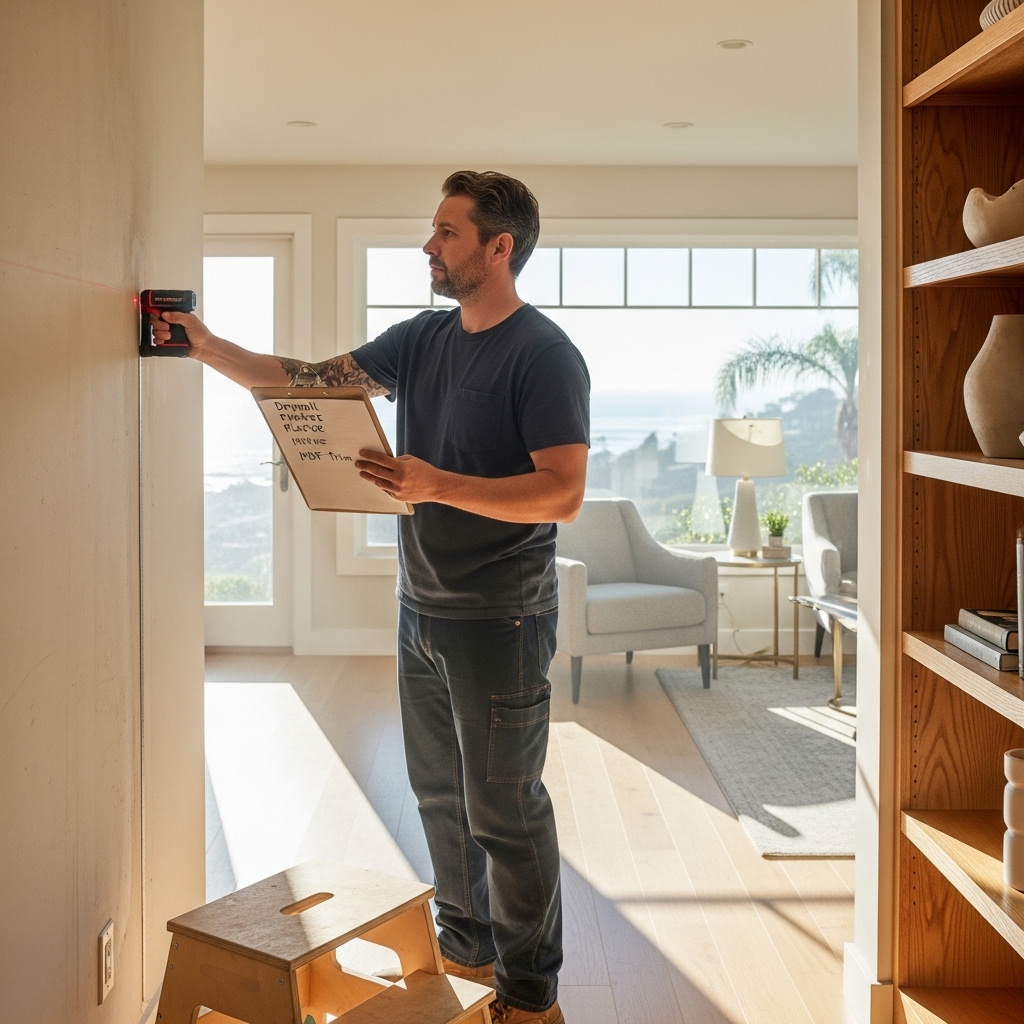
Accuracy begins with visibility. If a company proposes a plan without stepping foot in your home, they’re guessing. The best estimates follow a structured walkthrough that documents residue patterns, notes your home’s finishes, and evaluates how smoke traveled through vents, stairwells, and hidden cavities. Malibu’s topography and microclimates complicate this picture; a hillside property off Malibu Canyon has different airflow than a beach house along the Esplanade. Your estimate should reflect those realities, not a standard template.
What Should Be in a Malibu-Grade Estimate
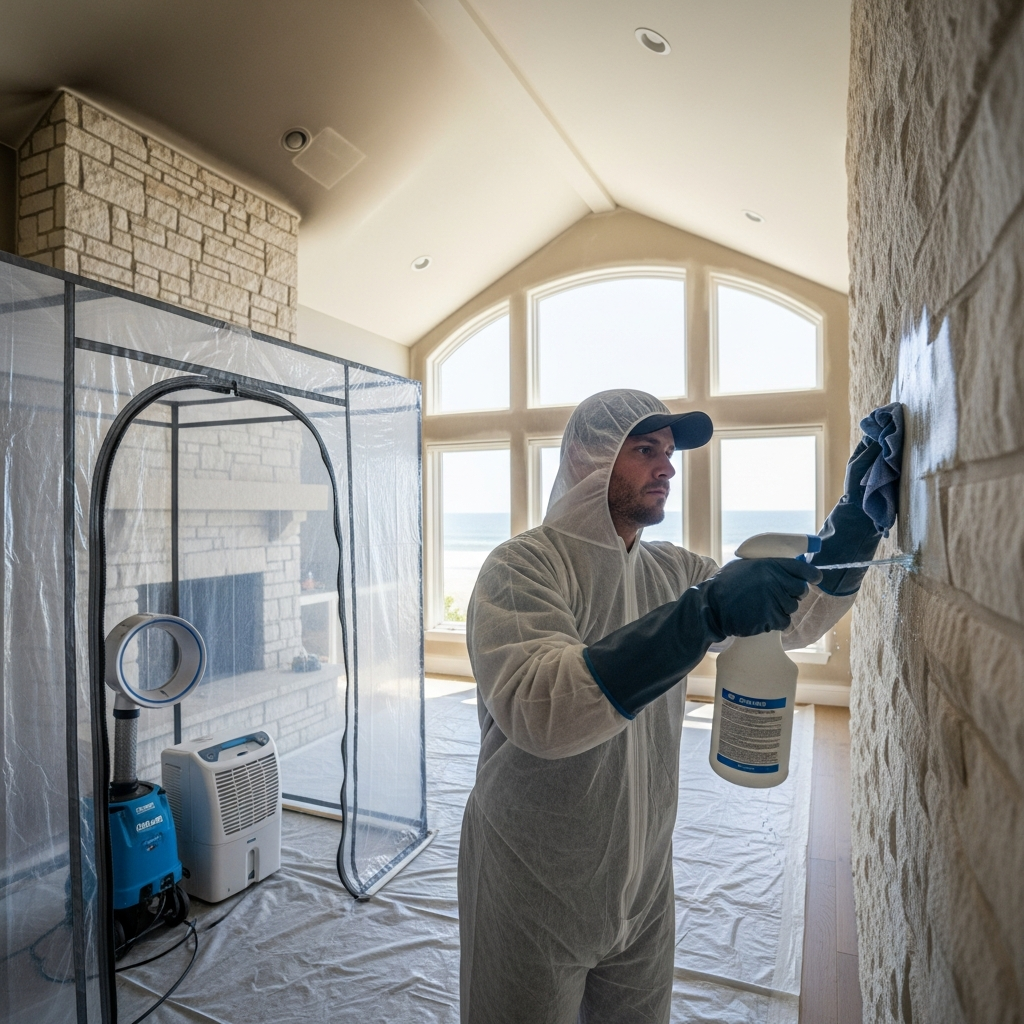
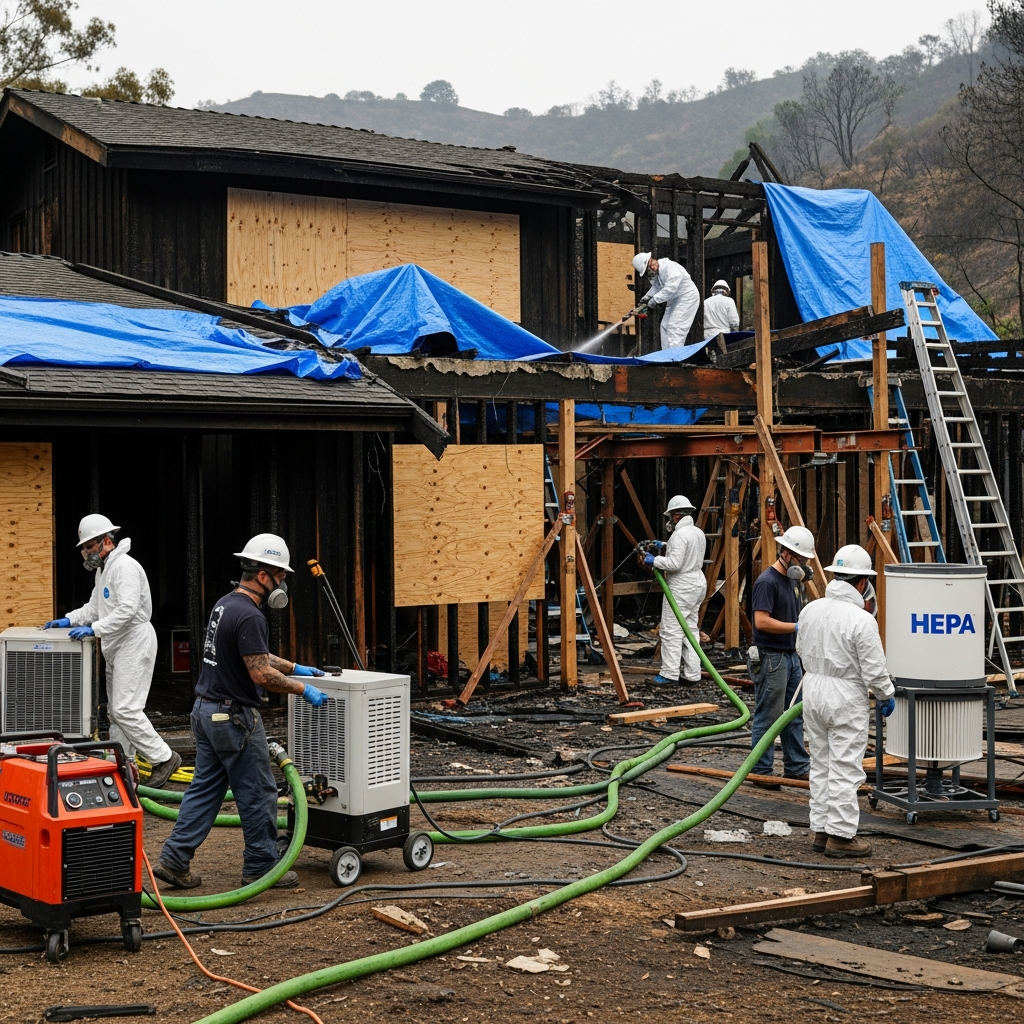
Look first for a clear scope of work. It should list stabilization steps—containment, HEPA filtration, and protection of clean zones—followed by dry removal, targeted wet cleaning, and deodorization. For each area, note the surfaces and contents addressed. Bedrooms with fabric headboards and drapery require a different approach than a glass-and-stone living room. The estimate should call out specialty items: artwork, instruments, electronics, area rugs, and any materials that need off-site treatment or conservator-level care.
Timeframes matter, but they should be realistic ranges tied to the scope. In Malibu, weather can influence schedules; marine layers and Santa Ana winds affect ventilation choices and drying windows. A thoughtful estimate acknowledges these factors and proposes contingencies. Communication milestones are also part of accuracy—when you’ll receive updates, when a mid-project walkthrough happens, and how completion will be validated through tests and your own experience of the space.
Why Measurements and Material Notes Matter
Surface area drives cleaning, not just square footage. Accurate estimates measure or reasonably approximate wall and ceiling areas, cabinet interiors, and built-ins. They note materials—venetian plaster, white oak, limestone—because chemistry dictates cleaner choice and labor time. Failing to account for finishes is a common cause of change orders later. In Malibu, where homes often combine rustic textures with sleek surfaces, this attention to detail separates a careful estimate from a convenient one.
Contents are their own universe. An inventory, even a high-level one, helps define whether items are cleaned on-site, sent to a contents facility, or handled by specialists. The estimate should explain how contents will be tracked, labeled, and returned. If a surfboard quiver, a guitar collection, or a library needs care, you want to see that reality reflected from the start.
HVAC and Hidden Pathways
Accurate estimates address your HVAC system directly. Will returns and supplies be cleaned? How many filter changes are planned? Is the plan to run the fan during certain phases to increase air changes, or keep the system off to avoid redistributing particulates? These details prevent surprises. Hidden pathways—attic hatches, crawlspace vents, service chases—should appear in the scope if inspection shows they played a role in smoke migration. Malibu homes, especially those terraced into hillsides, often hide air routes that only show up under specific wind conditions; your estimate should capture them if they matter.
Deodorization is another line item that demands specificity. Which methods are contemplated, and in what sequence relative to surface cleaning and filtration? Vague language here leads to misunderstandings later. Clarity ensures that everyone knows deodorization supports the finish, it doesn’t substitute for cleaning.
Insurance Coordination Without the Guesswork
An estimate that anticipates documentation needs saves time. Expect photo logs, area-by-area notes, and simple explanations of why certain steps are necessary. Malibu homeowners tend to maintain high standards, and adjusters recognize that properly restoring complex finishes and contents requires care. Your estimate should position your project with that context, without overpromising. The aim is a coherent story backed by evidence: here is how the smoke traveled, here is what we will do about it, and here is how we will prove it worked.
Communication cadence belongs in writing. Weekly updates, checkpoints after major phases, and a clear single point of contact keep the project steady. The best teams make these promises in the estimate so you can hold them to it, and so you feel informed rather than adrift as the work proceeds.
Reading Between the Lines
A strong estimate doesn’t dodge constraints. If a room contains delicate materials that may require testing or a conservator’s opinion, the estimate says so. If access is tight on a hillside driveway, staging time is acknowledged. If you have an upcoming event at home, the estimate proposes a phased plan to get core spaces guest-ready while deeper work continues tactfully. Honesty now removes stress later.
What you won’t see in a trustworthy estimate is a promise that a single machine will erase heavy smoke overnight or that every textile will return to pre-loss condition no matter what. Instead, you’ll see a calibrated plan: thorough source removal, targeted deodorization, and validation. You should also see aftercare steps—filter changes post-completion, touch-up guidance, and resilience suggestions—because the best teams plan for the last day while writing about the first.
How Accurate Estimates Save Time and Disruption
Precision up front means fewer pivots mid-project. When a team knows where residues concentrate, they stage containment correctly the first time. When they’ve measured surfaces, they bring the right quantity of materials. When they’ve noted your finishes, they avoid cleaners that would require do-overs. It’s not magic; it’s respect for your home’s specifics. In Malibu, where light, salt, and hillside airflow complicate everything, that respect is the fastest route to a home that feels truly yours again.
Accurate estimates also clarify your role. If you’d like to remain at home during restoration, the estimate can designate a clean core early in the schedule. If you expect visitors, it can front-load main living areas, then return to detail work later. This alignment between plan and life protects both your comfort and the project’s momentum.
Validation Built In
The end of the estimate should preview the end of the project: what tests will confirm success, when you’ll walk spaces under normal conditions to verify odor removal, and how any lingering concerns will be addressed. In Malibu, a final check often happens in the morning after a sealed overnight to make sure results hold without machines running. Your estimate should mention that cadence, so you know how the story will conclude before it begins.
Aftercare advice belongs here too. Notes on filter changes, when to open windows on clear days, and how to respond to future smoke advisories help you maintain gains. Small improvements like weatherstripping or attic hatch gaskets might appear as recommendations informed by inspection; they are part of a complete plan, not an afterthought.
Frequently Asked Questions
Can an estimate be accurate before inspection?
No. Ballpark figures can be shared, but accurate estimates require on-site inspection. Malibu’s varied microclimates and construction styles make assumptions risky. A short visit pays dividends in clarity and prevents scope changes that disrupt timelines.
Why do two estimates for the same home look different?
Scope, methodology, and attention to materials create differences. One company may plan aggressive deodorization early, another may focus on extended dry removal before any wet cleaning. Compare the logic, not just the total. The estimate that understands your home’s materials and airflow often produces the smoother project.
How are contents handled in the estimate?
The estimate should outline whether items are treated on-site, sent to a contents facility, or handled by specialists. It should describe inventory and labeling procedures so you know how your belongings are tracked and returned. Specifics prevent confusion later.
What if conditions change mid-project?
Accurate estimates include allowances or clearly describe how decisions will adapt. If new odor sources are discovered—say, behind built-ins—the plan should explain how adjustments are approved and documented. Transparent change management is part of an honest estimate.
How is success verified?
Look for validation steps that mirror the inspection: clean wipe tests, normal background particulate levels, and your own sensory check after an overnight seal. A final walkthrough under natural Malibu light should confirm that surfaces and air feel right without masking scents.
When you’re ready to replace uncertainty with a clear, actionable plan, request a site-specific estimate that reads like a roadmap. The right partner will turn inspection findings into a sequence you can trust and deliver complete smoke damage restoration with the craftsmanship and communication Malibu homes deserve.