Quick, Smart Steps for Malibu Homes After Smoke Exposure
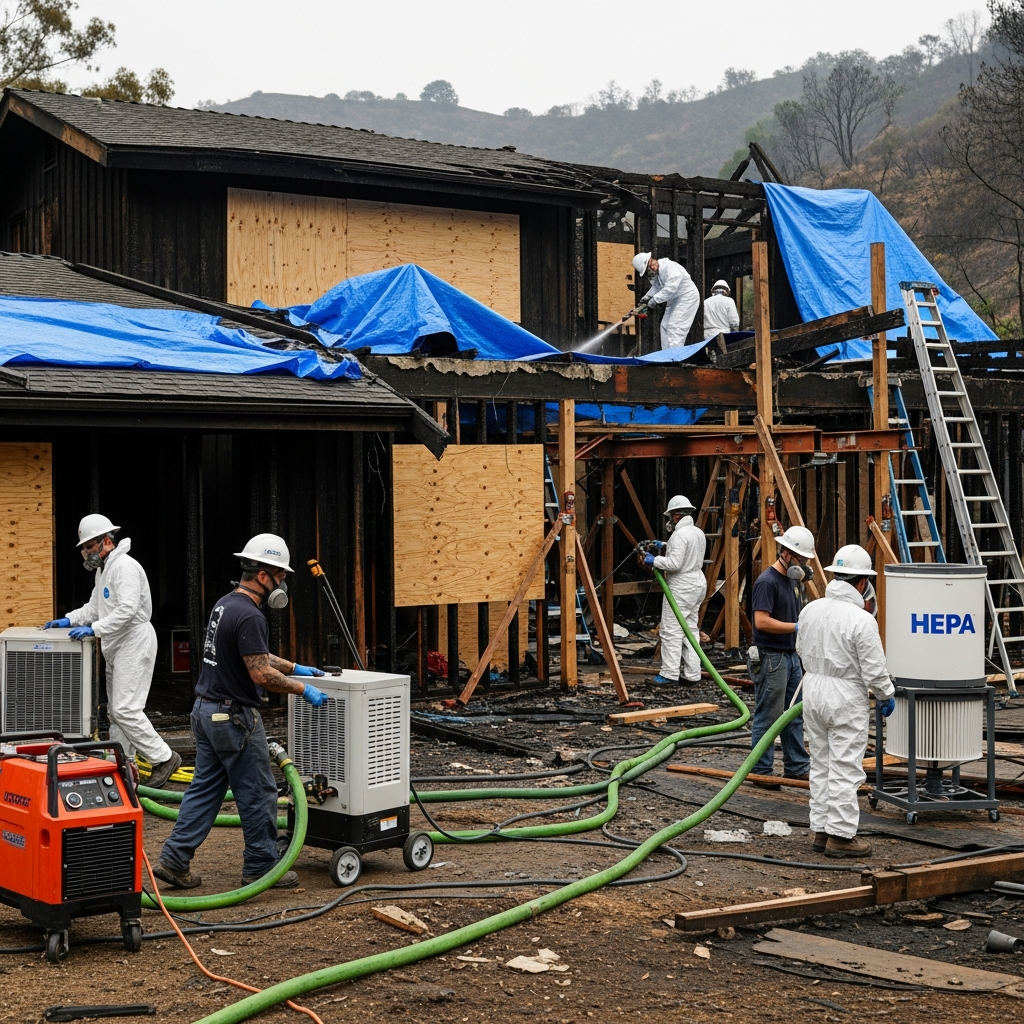
When smoke creeps indoors—whether from a neighborhood wildfire or an overzealous stovetop—every minute you wait allows residues to bond more tightly to your home’s surfaces. In Malibu, where marine layers and canyon winds shape the air we breathe, smart early actions can dramatically shorten the timeline to a truly fresh home. I’ve walked countless properties from Latigo to Zuma, and I’ve seen what works, what backfires, and what saves time without risking finishes. Consider these field-tested insights as a local’s perspective on how to move fast and wisely toward complete smoke damage restoration.
Before you touch a thing, pause to observe. Odor location, dust patterns on horizontal surfaces, and the color of residue on a clean white cloth can tell you where to start. Gray, powdery deposits often respond to gentle dry removal; sticky, brownish films suggest areas that need careful wet cleaning with pH-appropriate solutions. In Malibu’s daylight, especially near large windows, you can see films others might miss. That’s an advantage—use angled light to identify hotspots and plan your passes.
Containment First, Then Cleaning
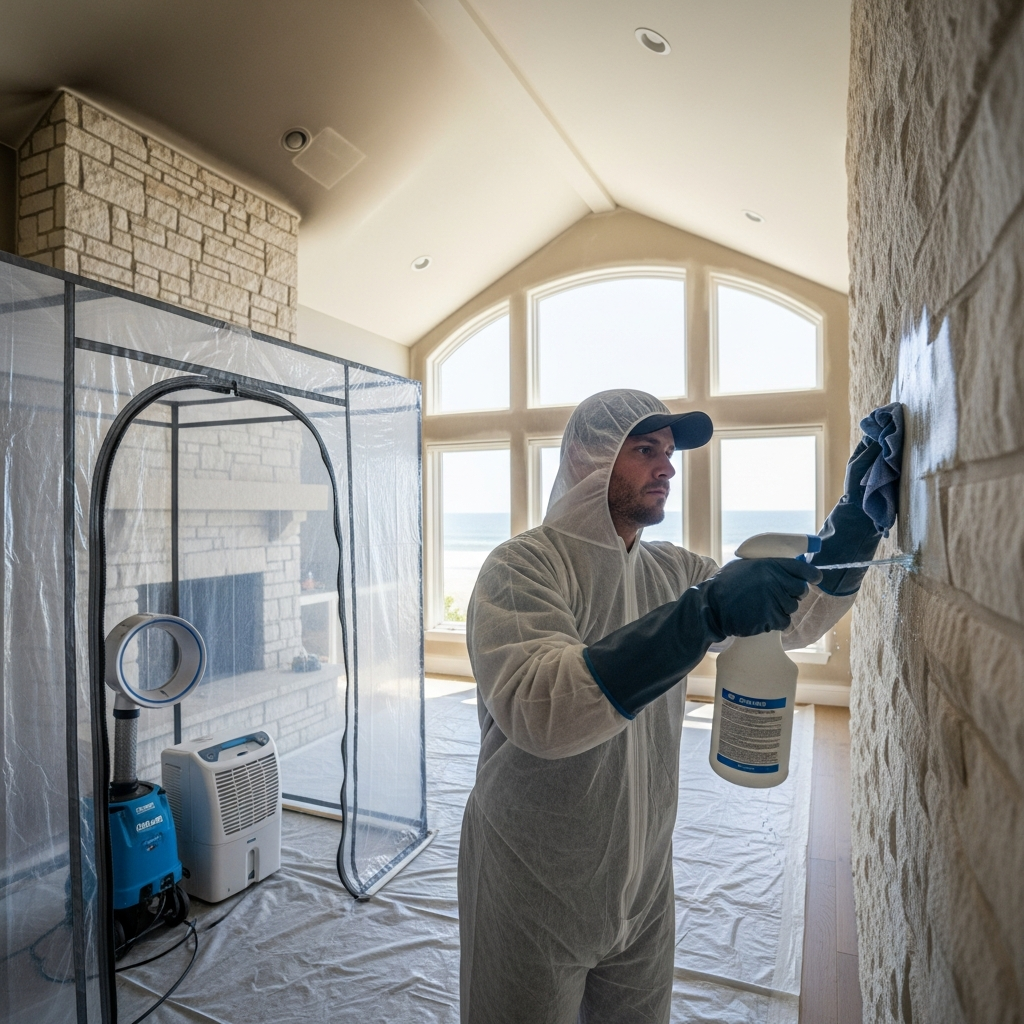
Speedy restoration starts with not making things worse. Identify a clean zone—often a bedroom and bath—and protect it first. Close the door, seal any gaps with painter’s tape if needed, and place a towel under the threshold to reduce cross-drafts. If you have a portable HEPA purifier, run it in that space while you or your crew sets up elsewhere. That room becomes your staging area and your refuge, preventing fatigue and decision overload while the rest of the home gets attention.
In open-plan Malibu homes, air moves freely, which is lovely most days and tricky during cleanup. Even a box fan can stir up particulates, so avoid turning on ceiling or portable fans until dry cleaning steps and air filtration are underway. If the HVAC was running during the smoke event, shut it down until a pro checks filters and returns; running it too soon can redistribute residues to rooms that might otherwise have stayed clean.
Dry Removal: The Time-Saver Most People Skip
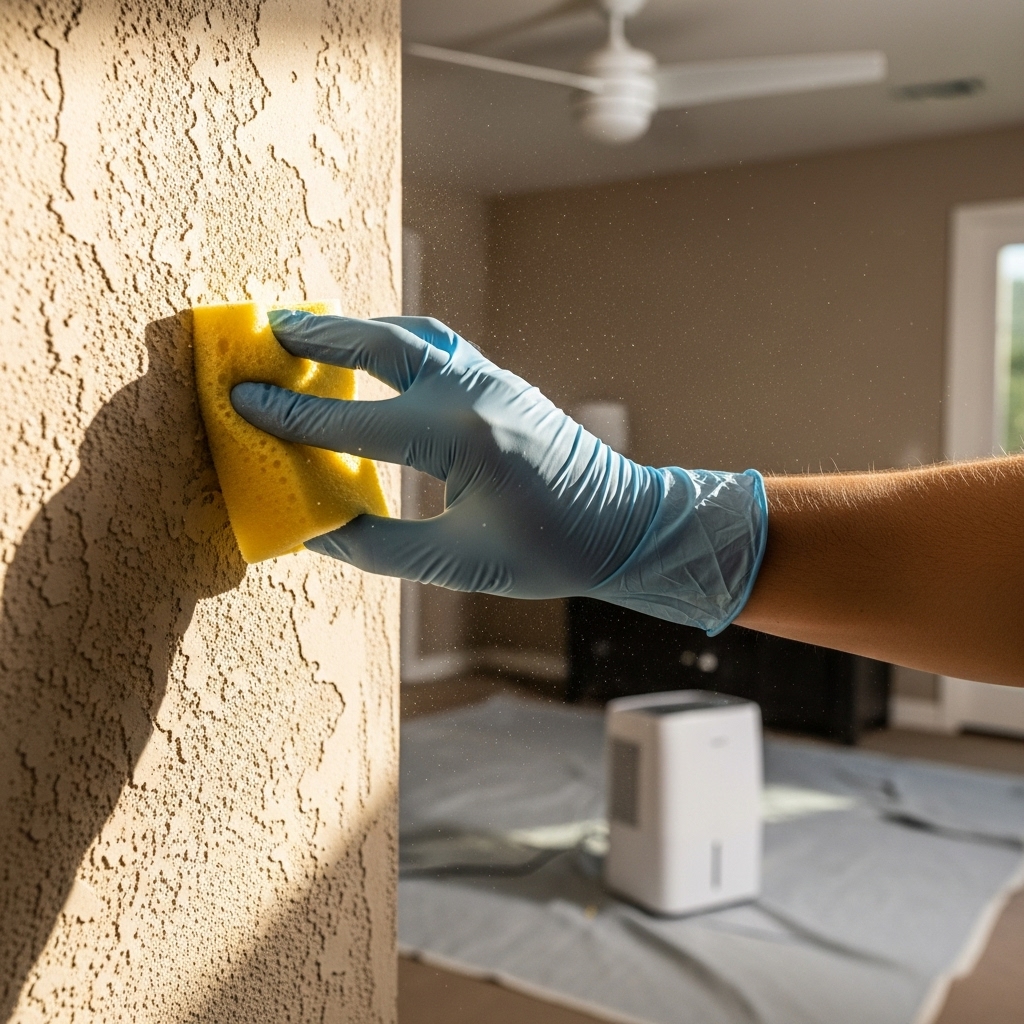
Dry removal is the unsung hero of faster restoration. Start with the highest surfaces—tops of door casings, upper shelves, picture rails—so gravity works in your favor. A gentle HEPA vacuum with a soft brush reduces smearing. For walls and ceilings, specialized soot sponges (dry chemical sponges) lift residue without wetting, which is crucial before any liquid cleaning. In Malibu’s humidity, wetting a surface too early can create a tacky film that slows everything down.
Textiles deserve special attention. If your curtains or upholstered pieces took smoke, a thorough vacuum with an upholstery tool can remove surprising amounts of particulate before any washing or professional treatment. Bag clothing by room or closet so you can track what was where; this helps identify any cross-contamination later and keeps your workflow orderly.
Wet Cleaning: Slow Is Fast
Once dry removal has done its part, wet cleaning takes over. Here, “slow is fast” is the rule. Use minimal moisture and change cloths frequently to avoid smearing. On painted walls, test first in a low-visibility spot. On stone counters or showers, be mindful that some stones react poorly to acidic cleaners. In Malibu’s coastal homes, it’s common to see a blend of natural and engineered materials; tailor your solution to each, and you’ll avoid setbacks that add days to the project.
Woodwork needs patience. Even sealed wood can absorb odor if residues remain in joints and seams. Use a two-step approach—first a light detergent pass, then a clear water wipe, then allow full drying before assessing odor. Rushing and over-wetting can raise grain or cloud finishes, turning a simple cleaning day into a refinishing saga.
Deodorization That Doesn’t Mask
Speed comes from source removal more than from scent. Avoid heavy fragrances; they only confuse your nose and make it harder to gauge progress. True deodorization relies on removing residues, refreshing air volume through filtration and ventilation at the right time, and neutralizing remaining odors with targeted methods. Hydroxyl generators and carbon filtration can be helpful when deployed properly, but they’re tools in a sequence, not the first step. Time deodorization after the bulk of physical cleaning, so you’re neutralizing the last traces rather than fighting an uphill battle.
Ventilation is where Malibu’s microclimates matter. On marine-layer mornings, introducing moist air can slow drying and adhesion of residues during wet cleaning. On clear, dry days, careful window cycles—opening for brief, controlled intervals while scrubbers run—can move you ahead quickly. Think like a sailor reading the wind; a few minutes of the right airflow beats hours of aimless gusts.
HVAC Strategy for a Faster Finish
Your HVAC is a potential shortcut or a stumbling block. If filters are heavily loaded, swap them before any run cycle. Consider running the fan only, paired with high-efficiency filters, while HEPA units are active. This coordinated approach increases air changes without pushing particulates into clean zones. Have returns and supply grilles cleaned early, and don’t forget the overlooked pieces: the closet returns, the laundry room louvered doors, and the ceiling diffusers in bathrooms that accumulate surprising amounts of residue.
Once the system is clean, schedule a post-restoration filter change to catch late releases from contents. Malibu’s coastal air means you’re probably already on a sensible filter replacement cadence; after smoke, that schedule should be temporarily accelerated.
Focus on High-Impact Niches
Not all surfaces account equally for lingering odor. Soft goods and hidden cavities are classic culprits. Drawer boxes, cabinet interiors, and the felt pads under furniture feet often hold onto residues, as do door sweeps and weatherstripping. Cleaning these early prevents the frustrating experience of a room smelling fresh until the afternoon sun warms a cabinet and releases a whisper of smoke. Likewise, check behind framed art, under area rugs, and inside light fixtures where warm bulbs bake odors into dust.
Garages and mudrooms deserve early passes too. Gear like wetsuits, yoga mats, and gym bags can act like odor sponges. Bag them for specialized treatment or give them a thorough vacuum and wipe-down if they’re lightly affected. The idea is to remove slow-release sources so your hard work on primary rooms isn’t undermined later.
What to Avoid if You Want to Save Time
Skipping dry removal, over-wetting delicate materials, running the HVAC too soon, and using strong fragrances are the big four time-wasters. Another subtle mistake is working in too many rooms at once. Focus on completing zones, validating with your nose and a clean cloth test, and then move on. This approach keeps morale high and prevents rework. In larger Malibu homes, consider a floor-by-floor plan with a clearly protected stairwell to stop drift between levels.
Finally, don’t underestimate fatigue. Smoke cleanup is detail work. Breaks keep your senses accurate; tired eyes miss films that show up loud and clear at sunset through those big west-facing windows.
When to Call Pros and How to Help Them Help You
There’s a point where professional help accelerates everything. If you notice sticky residues, a persistent odor after a full day of smart cleaning, or symptoms like irritated eyes and throat, bring in a restoration team. Let them know what you’ve already cleaned, where odors persist, and how your home’s airflow behaves at different times of day. Share whether doors or windows were open during the event, and if the HVAC was running. These clues speed diagnosis and allow the team to target the right sequence immediately.
Before pros arrive, simple prep helps: clear walkways, stage contents by room, and point out sensitive items that need special care. If you have an upcoming event or guests, mention it early so the team can structure work to give you a usable space quickly while deeper treatment proceeds elsewhere.
Measuring Progress Without Guessing
Trust your senses, but verify. Wipe a hidden section of a shelf with a clean white cloth after each pass; when it stays clean, you’re winning. Note the way air feels in your lungs when you first enter a room and again after an hour with filtration running. You’ll often feel the difference before you articulate it. Keep a simple log by day and area; it doesn’t have to be fancy, but it helps you see improvement and identify stubborn zones that need another approach.
Remember that Malibu’s sun is a tough critic. In the afternoon, aim a beam across surfaces; if a fine gray shimmer appears, that area needs another dry pass or a different cloth for wet cleaning. Changing cloths and rinsing more often than you think necessary is a small step with big payoff.
Frequently Asked Questions
Is it okay to open windows right away after smoke exposure?
Not always. If the outdoor air is still smoky or very humid, opening windows can pull more contaminants inside or slow drying. Time your ventilation for clear periods and coordinate with air filtration. In Malibu, that often means short, strategic openings late morning or mid-afternoon when conditions are favorable.
Can baking soda or coffee grounds remove smoke odor?
They can help absorb mild odors in small spaces, but they are not a substitute for cleaning. Think of them as finishing touches after residues are removed. Relying on absorbents too early often delays the necessary steps and extends the overall timeline.
Do scented candles or sprays help?
They usually hinder progress by masking the problem and overwhelming your senses. True deodorization comes from removing residues and neutralizing remaining compounds, not layering fragrances. Save any light, neutral scents for after validation that the space is actually clean.
What’s the fastest way to deal with smoky clothing?
Start with a thorough HEPA vacuum to remove particulates, then sort by fabric and care instructions. Many items do best with specialized cleaning, particularly delicate or dry-clean-only fabrics. Bag by closet or room to track where items were stored, which helps diagnose persistent odors later.
How long should professional deodorization run?
It depends on the size of the space, the level of impact, and how thoroughly surfaces have been cleaned. In general, deodorization is most efficient after source removal, so running equipment for shorter periods at the right time beats longer runs too early. Your contractor should explain the goals and expected milestones.
Will the ocean breeze eventually clear the smell on its own?
Occasionally, mild exposures dissipate with time and fresh air, but relying on that is risky. Residues can set and release odor later, especially when warmed by sun. Cleaning and filtration shorten the timeline and improve indoor air quality, making “fresh ocean air” part of the solution, not the only strategy.
If you want a faster return to normal and a home that truly feels like Malibu again, partner with specialists who can take your hard work the last mile. Schedule a focused assessment today and let a pro-led plan finish the job with complete, professional smoke damage restoration that respects your time, your materials, and your coastal lifestyle.