Conversations about the aftermath of a fire in Malibu often circle around one central question: what will it take to restore the home, and how do professionals determine that scope? While the word in the title suggests dollars and cents, the more useful focus is on the drivers behind an estimate and the decisions that influence the path forward. In our coastal hills and beachside neighborhoods, the range of scenarios is wide, and so are the factors that shape the work. Understanding those factors helps homeowners make confident choices about fire damage restoration without getting lost in speculation.
Every project begins with a structured assessment. Think of it as a map drawn from both visible signs and invisible clues. Was the damage direct flame or primarily smoke and soot? Did firefighting introduce water into the structure? What are the home’s materials—plaster, drywall, hardwood, stone—and how did they respond? In Malibu, the assessment also weighs the coastal environment, where salt air can accelerate corrosion and morning moisture can complicate drying. This initial clarity underpins a reliable plan and sets expectations about sequence and duration.
The scope behind the estimate
When restoration teams talk about scope, they are describing the set of tasks required to return a home to a healthy, livable condition. Scope includes emergency stabilization, selective demolition, detailed cleaning, odor control, HVAC work, and coordination with reconstruction. Each component expands or contracts based on the home’s unique conditions. For example, a small area of direct fire damage may be straightforward to remove, but widespread smoke infiltration can require extensive cleaning and verification in rooms untouched by flames.
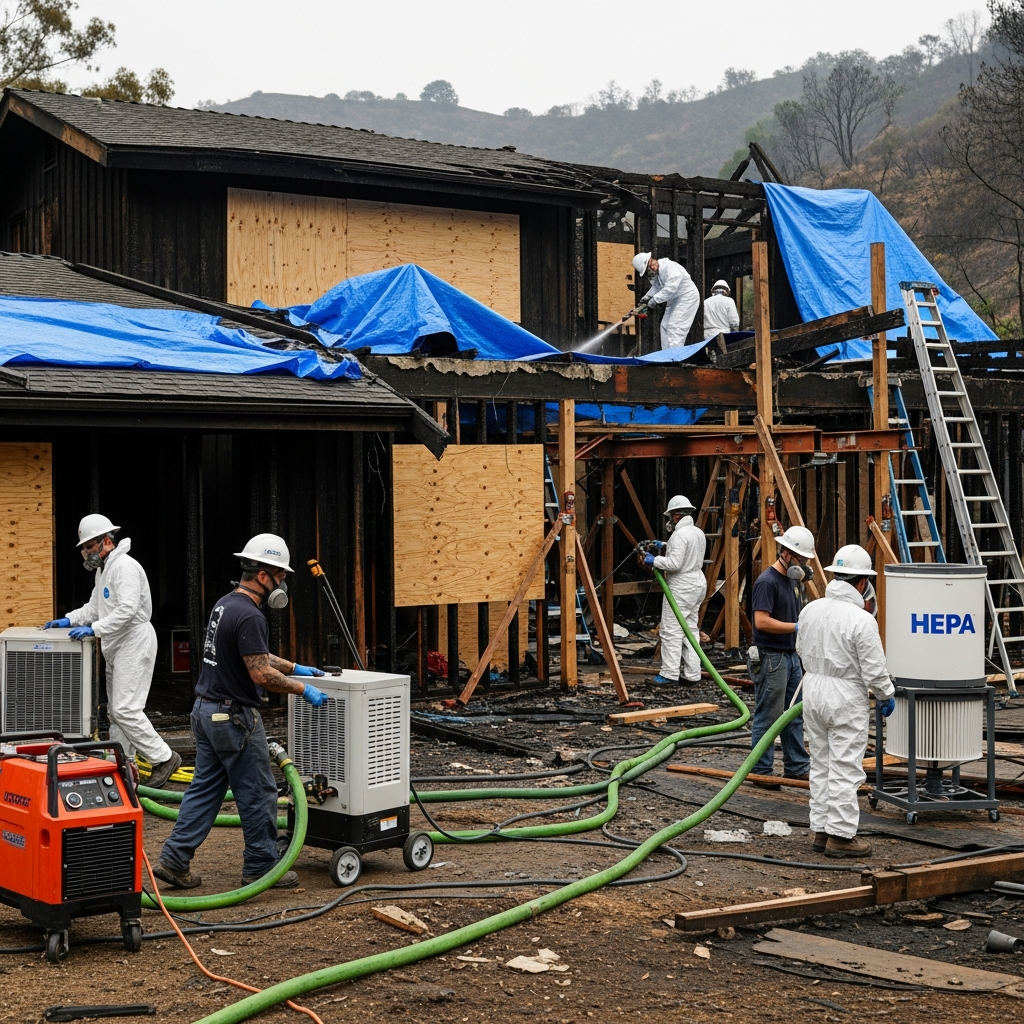
Emergency measures are often the first line items because they protect what remains. Boarding up doors and windows, tarping roof penetrations, and setting containment reduce the risk of theft, weather intrusion, and cross-contamination. In Malibu, access challenges—tight canyon roads, steep driveways, or limited staging areas—can add time to these steps, and expert teams plan accordingly.
Materials and construction details
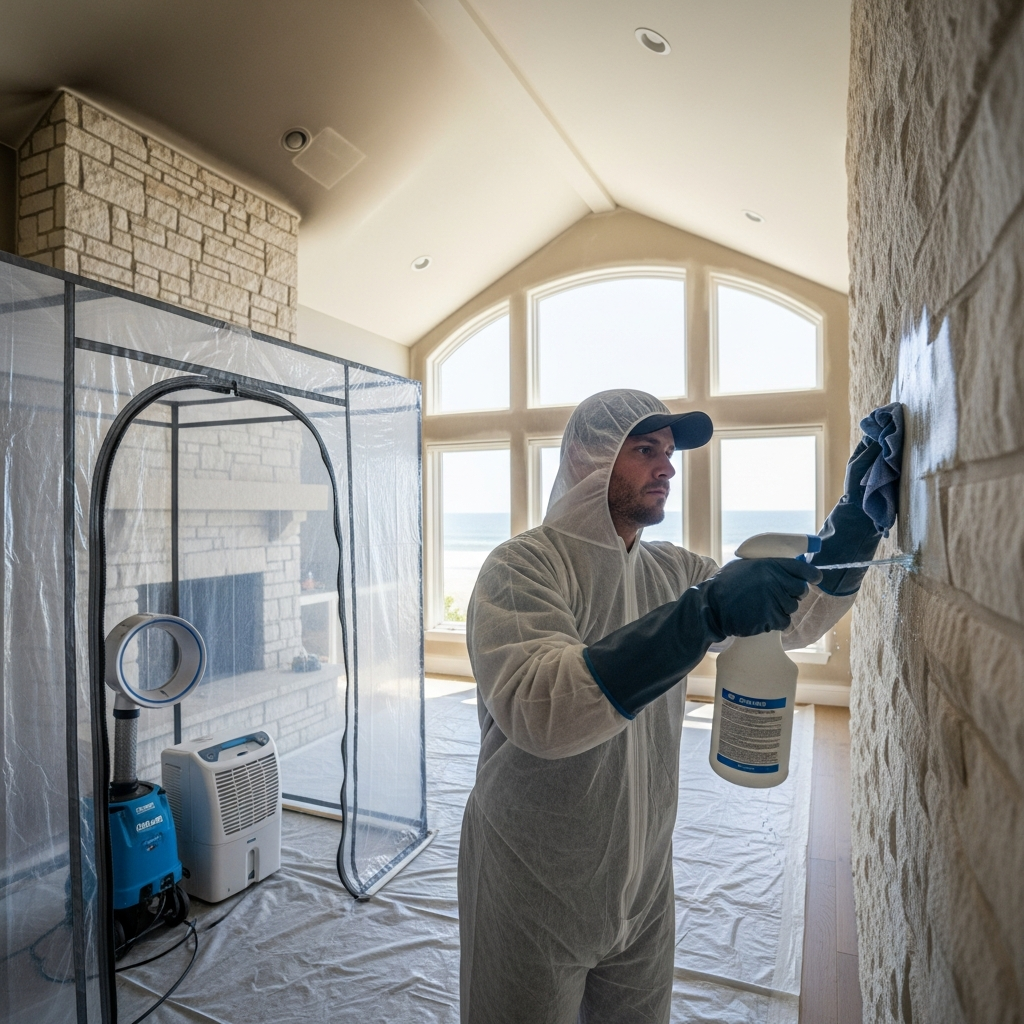
The character of Malibu homes—light-filled rooms, custom woodwork, and varied architectural styles—directly influences the restoration plan. Plaster walls respond differently to cleaning than painted drywall. Open-beam ceilings are beautiful but can harbor soot on upper surfaces that require specialized access and cleaning. Stone and tile need chemistry that neutralizes acidity without dulling or etching finishes. Experienced teams catalog these details and tailor methods to protect both aesthetics and health.
Older homes can reveal surprises: layers of finishes, hidden cavities, or obsolete wiring that complicates selective demolition. Newer builds may have advanced mechanical systems—mini-splits, ERVs, or smart controls—that require careful coordination during inspection and cleaning. These details do not just affect sequence; they shape the level of effort required for a quality outcome.
Smoke type and spread
Not all smoke is the same. Protein residues from a kitchen incident are different from wildfire smoke that traveled miles, carrying a mix of combusted materials. The latter can be finer and more pervasive, making it harder to capture without redistributing. Understanding the smoke type guides tool and chemical choices and influences how much of the home must be included in the cleaning plan. In post-wildfire scenarios common to Malibu, attics, crawlspaces, and HVAC systems often require attention even when living spaces look relatively clean.
Spread matters as much as type. Smoke that drifted through a home for hours can settle invisibly behind baseboards and inside cabinets. The more thoroughly it spread, the more containment, time, and verification are necessary to ensure that odors do not return later. Incorporating these realities into the plan avoids rework and frustration.
Water and humidity considerations
Where there is firefighting, there is often water. Water changes the restoration equation. It can saturate materials, warp flooring, and raise humidity that encourages microbial growth. Malibu’s coastal moisture adds a layer of complexity, as nighttime air can slow drying if not managed correctly. Restoration teams respond with extraction, dehumidification, and careful monitoring, shaping the sequence of work so that moisture-sensitive tasks happen at the right time.
Even in smoke-only events, humidity plays a role. Moist air can carry odor compounds and settle them into porous materials. Wise planning accounts for this, using controlled ventilation and targeted drying as part of the overall strategy.
HVAC systems: the hidden variable
Heating and cooling systems are the lungs of the house. If they cycled during a smoke event, they may have distributed particulates throughout. Cleaning under negative pressure, replacing filters, and verifying air handler cleanliness are critical steps. The complexity of these systems—from traditional forced air to multi-zone mini-splits—affects timing and coordination. Failing to include them in the plan can lead to odor returning after move-in, which is both frustrating and avoidable.
In Malibu, ocean air and fine soot can combine inside mechanicals to promote corrosion. Early attention to electronics and metallic components within these systems protects performance and longevity. These tasks aren’t just technical; they inform move-back readiness and comfort.
Contents: decisions that shape effort
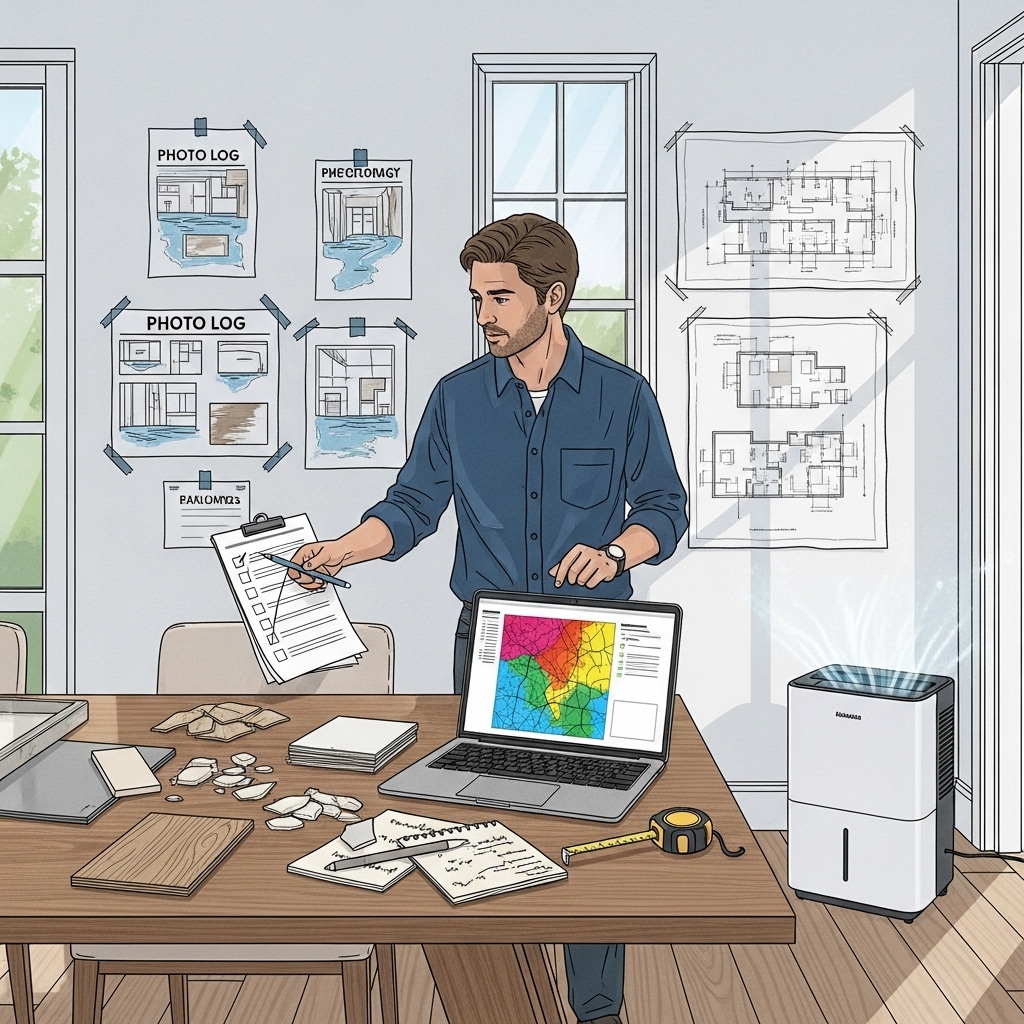
Belongings are both practical and personal. The approach to contents—what can be cleaned on-site, what should go off-site, and what cannot be saved—affects workflow and timing. Detailed inventories and photo documentation help everyone align on priorities. High-sentiment items may receive special attention even when technical salvageability is borderline. That care is part of a restoration plan that respects the home’s story.
Electronics, instruments, and specialty gear are common in Malibu households. Their evaluation and treatment often involve outside specialists, coordinated by the restoration team. These decisions are integrated into the schedule so that move-back can happen smoothly.
Verification and testing
Confidence comes from verification. Visual checks under strong light, white-glove testing, and, when appropriate, third-party environmental sampling all help confirm that cleaning and odor control have achieved the goal. Verification steps are built into the plan so that problems are discovered and corrected before rebuilding or move-back begins.
For households with sensitive occupants, verification may include additional air quality checks or extended monitoring. These measures are not just about compliance; they are about comfort and peace of mind, which are as important as any finish material.
Permits, coordination, and access
Some elements of restoration require permits, and repair work certainly does. Malibu’s hills and coastal zones can add process steps that require planning. Experienced teams account for inspections and approvals in the schedule. They also manage access thoughtfully, coordinating deliveries and parking to respect narrow roads and neighbors. These logistics don’t show up as a line of paint or tile, but they influence how smoothly the project moves.
Coordination with other trades—roofers, electricians, plumbers, and builders—is another determinant of efficiency. Clear handoffs and shared documentation prevent delays and rework. When teams align early on scope and sequence, the home reaches stability and comfort sooner.
Timeline drivers
The calendar matters because it shapes everything else. Stabilization happens first and quickly. Demolition and detailed cleaning follow, paced by the extent of smoke and water impacts. Odor control is methodical and may require hold times to verify results. HVAC cleaning and contents processing run in parallel. Repairs begin when the site is clean, dry, and ready, with permits and materials lined up. Each step is necessary, and the time invested in doing it right pays dividends in durability and comfort.
Weather can nudge the schedule. Santa Ana winds, coastal fog, and heat waves each bring different challenges. Experienced teams adapt, protecting progress with containment and adjusting equipment to maintain target conditions.
Insurance and documentation
Insurance participation is common. Restoration teams that document thoroughly—photos, inventories, moisture maps, and clear scopes—help align understanding and keep decisions timely. The goal is a collaborative process that supports the necessary work without losing momentum. Homeowners benefit from a single point of contact who can translate technical steps into clear updates and who anticipates the information adjusters need.
Documentation also serves the future. If certain materials are cleaned and saved, records of the methods used inform later maintenance. If assemblies are opened, notes and photos guide builders during repairs. This continuity reduces surprises and preserves quality.
Resilience as part of the plan
Restoration is an opportunity to think ahead. Upgrades that make a home more resilient—ember-resistant vents, improved seals at penetrations, and thoughtful landscaping that increases defensible space—fit naturally into the transition from mitigation to repair. Teams familiar with Malibu’s wildfire patterns can offer practical, proportionate suggestions and coordinate timing so that improvements don’t conflict with final cleaning and verification.
Resilience also extends to daily habits. Regular filter changes, seasonal system checks, and a plan for closing the home during smoke events help protect indoor air quality long after the project ends. These habits are cost-free in the truest sense: they trade attention for comfort.
Choosing the right partner
Ultimately, the partner you choose shapes both the experience and the outcome. Look for a company that explains its sequence clearly, listens to what matters most in your household, and demonstrates fluency in Malibu’s logistics and building styles. Ask how they address HVAC systems, how they verify odor control, and how they plan to protect clean areas from cross-contamination. The clarity of their answers is as important as the answers themselves.
Midway through most projects, a check-in helps confirm alignment. By then, emergency measures are complete, selective demolition has clarified hidden conditions, and detailed cleaning is underway. This is the time to review priorities, ensure that contents decisions are on track, and confirm that the second half of your fire damage restoration plan—final deodorization, verification, and move-back preparation—matches your expectations for comfort and timing.
FAQ: Understanding the factors behind restoration estimates
What influences the overall scope of a restoration plan? The type and extent of damage, building materials, smoke characteristics, presence of water, HVAC involvement, contents decisions, and the logistics of access and coordination all play roles.
Why are emergency measures emphasized early? They protect what remains, prevent secondary damage, and set the stage for efficient cleaning and repairs. Early action often reduces total effort later.
How do I know if my HVAC system needs attention? If it was running during the smoke event or shows signs of contamination, it should be evaluated. Proper cleaning prevents recontamination and helps ensure good indoor air quality after move-back.
Can I prioritize certain rooms or items? Yes. A good plan reflects household priorities. Communicate what matters most—essential rooms, work-from-home areas, or sentimental items—so effort is aligned accordingly.
What kind of verification should I expect? Visual and tactile checks, odor verification over time, and, when appropriate, third-party environmental sampling. Verification provides confidence before repairs and move-back.
How does Malibu’s climate affect the work? Coastal moisture and wind-driven events can complicate drying and introduce soot in waves. Experienced teams anticipate these variables and adjust methods to maintain steady progress.
When you’re ready to turn clarity into action, choose a team that explains the plan, respects your priorities, and balances speed with thoroughness. Start a conversation today about tailored fire damage restoration in Malibu, and take confident steps toward a home that feels healthy, comfortable, and wholly your own again.