Emergencies do not wait for business hours, and neither can fire damage mitigation. In Malibu, conditions can shift in minutes—winds rise, embers travel, utilities cycle on and off. When a fire event touches a home, the clock starts on protecting what remains. A true 24/7 response is more than an answering service; it is a ready team with the training, equipment, and local knowledge to stabilize a property at any hour. That immediate, disciplined response is the difference between a difficult week and a difficult year, and it begins with on-call professionals focused on fire damage restoration in our unique coastal environment.
Night or day, the first priority is safety. Responders arrive ready to evaluate structural integrity, utilities, and environmental hazards. They coordinate with fire officials and verify that re-entry is permitted. From there, a tightly choreographed sequence begins: securing doors and windows, tarping vulnerable roof sections, and establishing containment to prevent clean spaces from becoming contaminated. These early moves make the site safer for everyone and buy precious time for thoughtful decisions.
Board-ups, tarps, and immediate protection
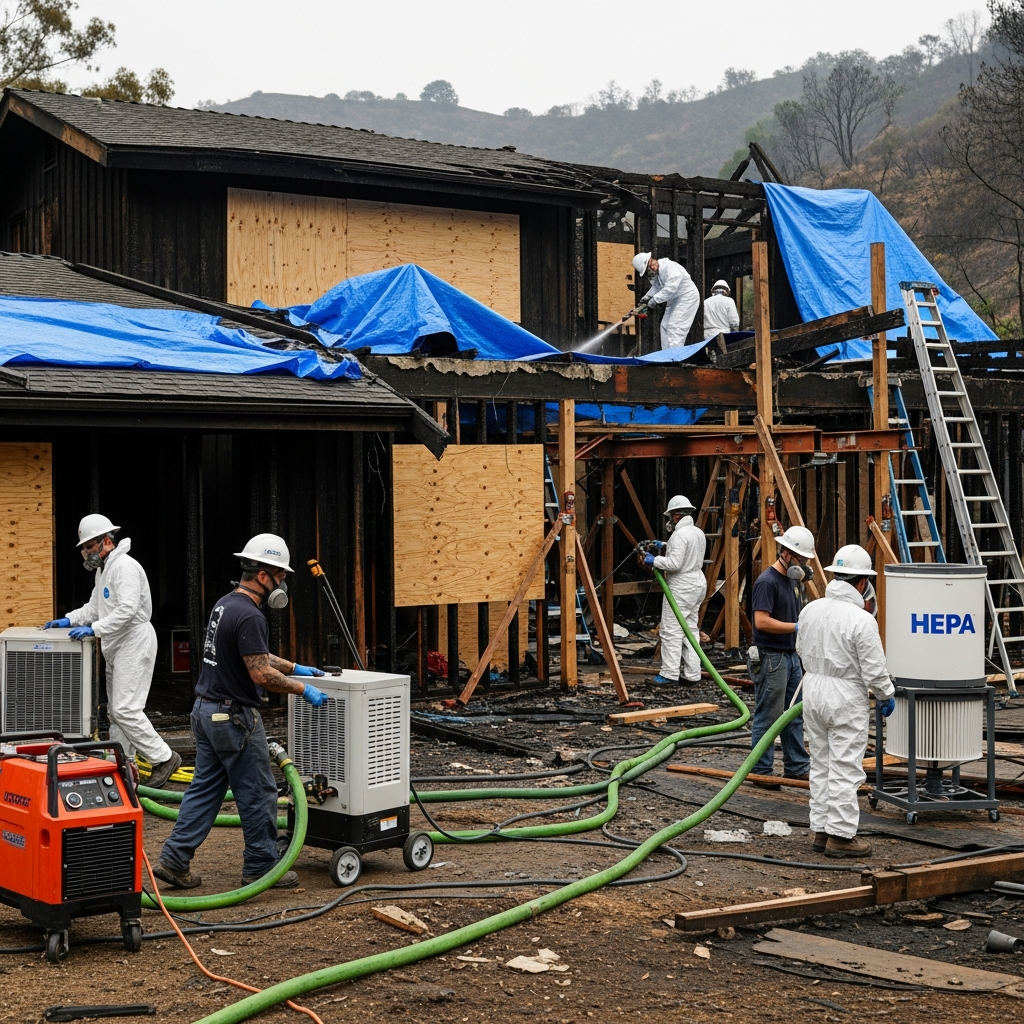
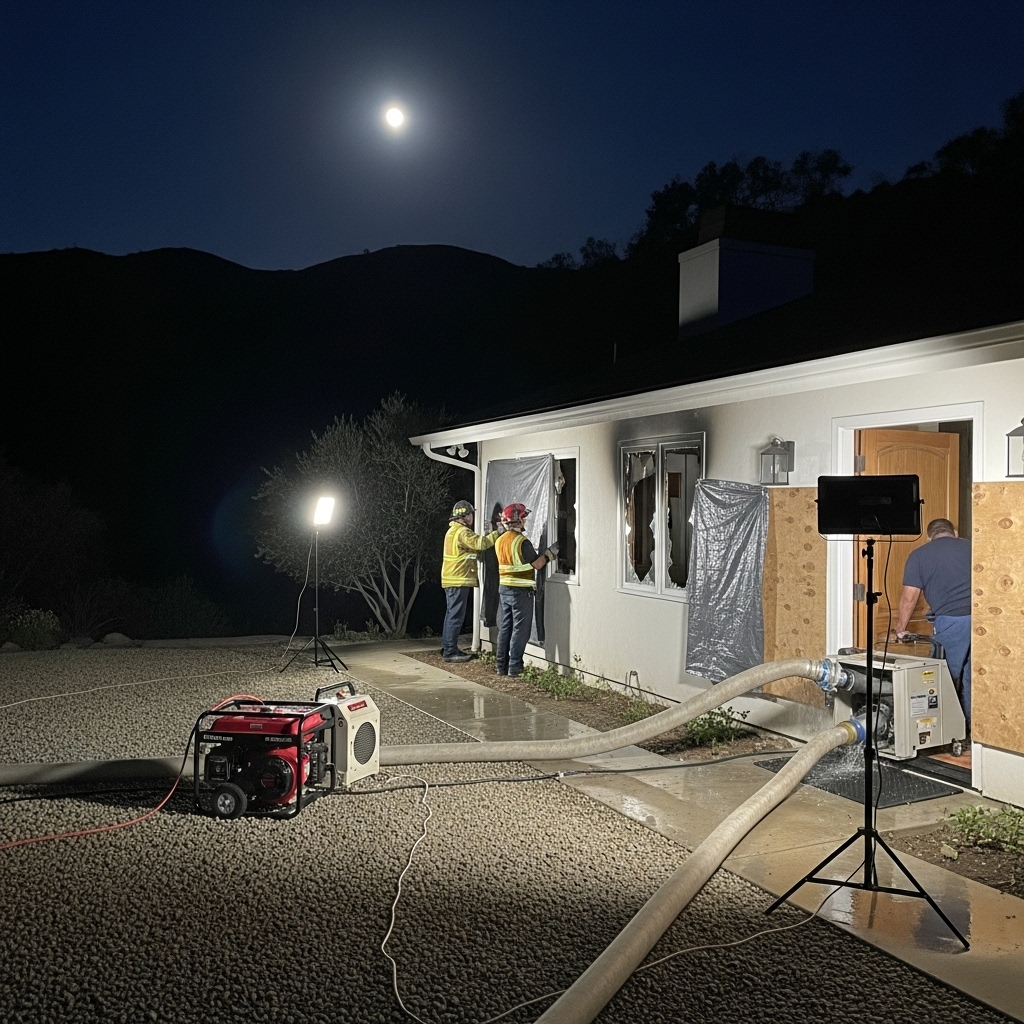
Malibu’s architecture—large windows, open floor plans, and dramatic overhangs—needs tailored protection after a fire. A 24/7 team brings materials to secure glass without damaging frames, fasten tarps without tearing roofing, and protect finishes from the unavoidable dust and debris of initial work. When winds are up, extra care is taken to anchor temporary protections so they hold through the night and the next day’s weather.
Security matters, too. Open structures invite intrusion. Professionals install temporary doors and locks where needed, and they coordinate with homeowners about alarms and cameras to ensure the site remains protected. This layered approach keeps the property secure until permanent repairs can begin.
Water, soot, and the race against time
Fire scenes often include water—from sprinklers, hose lines, or even weather during open exposure. Water plus soot equals urgency. Within hours, materials can stain, swell, or begin to support microbial growth. A 24/7 operation deploys extraction and targeted drying immediately, using equipment sized to the property. In Malibu’s varied microclimates, overnight temperatures and ocean moisture can shift the drying equation, so teams monitor conditions and adjust in real time.
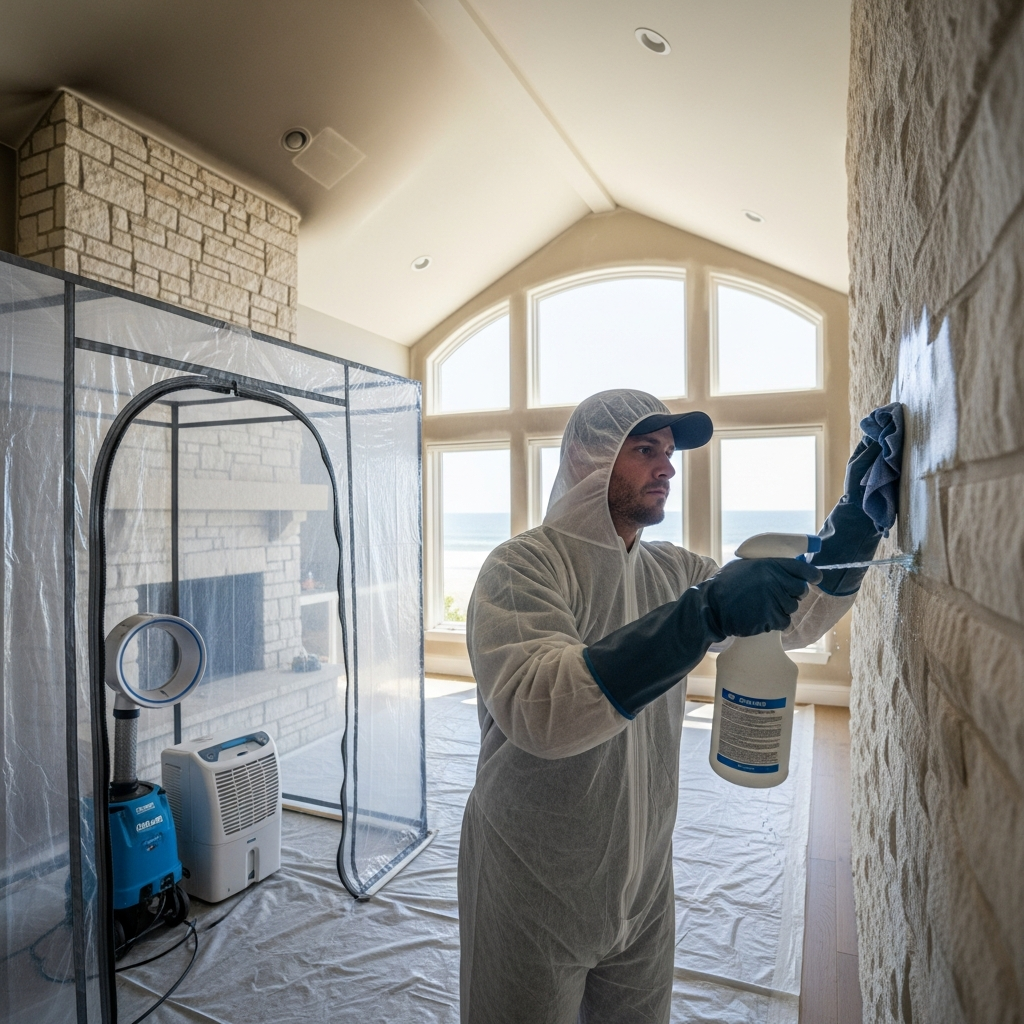
Meanwhile, soot is addressed to prevent spread. Responders set up negative air machines to capture particulates and use HEPA vacuums in the most affected areas. They establish clean pathways through the house so that ongoing work doesn’t grind residue into flooring or furnishings. This care demonstrates why rapid response is not just quick—it is intelligent.
Temporary power and safe access
Night operations demand light and, sometimes, power. Crews arrive with portable lighting to illuminate hazards and with generators when utilities are compromised. They run cords and place equipment with safety in mind, maintaining clear egress and keeping a meticulous site even in the dark. This attention to detail reduces accidents and allows essential work to continue until daylight brings broader resources.
Access can be tricky in Malibu’s hills. Narrow roads, steep driveways, and soft shoulders are part of the landscape. A prepared team stages vehicles and shuttles materials when necessary, respecting neighbors’ access and the terrain’s limits. These logistics are baked into the 24/7 playbook, not improvised at the curb.
Contents triage at odd hours
Some items can’t wait until morning. Electronics exposed to smoke, art near a damaged wall, or a closet of essential clothing—these are priorities during an overnight response. Technicians document, pack, and move items to safer zones or to climate-controlled storage when appropriate. They do it with the same chain-of-custody discipline you’d expect during daytime operations, because the hour should not diminish standards.
Families need essentials, too. A 24/7 team helps locate medications, documents, and comfort items, guiding a calm search through a temporarily chaotic space. This human element is part of a complete response and often makes the difference between a sleepless night and a manageable one.
Communication that doesn’t sleep
Information reduces stress. Even at 2 a.m., homeowners deserve to know what will happen next. The best emergency teams provide a clear, short-term plan before they depart and a path for the morning: who will call, when a project manager will arrive, and what milestones to expect over the next 24 to 72 hours. This continuity prevents the dreaded “now what?” feeling that can follow a long night.
Insurance conversations often begin early. Responders document conditions with photos and notes that will support the claim process. They flag areas where third-party testing might be helpful and gather the data needed to justify mitigation steps already taken. This groundwork accelerates approvals and keeps the restoration moving.
From emergency to restoration: the handoff
Once the immediate hazards are controlled, the work transitions into structured restoration. The same team—or a coordinated partner crew—returns with a detailed plan for cleaning, deodorization, selective demolition, and eventual repairs. Because the site was protected correctly, this next phase begins on solid footing. Surfaces are cleaner, contents are safer, and odors have not been allowed to set deeply.
In Malibu, the handoff also includes neighborhood awareness. Multiple homes on a street may be affected by the same event or by drifting smoke. Coordinated scheduling, considerate parking, and dust control prevent a second wave of disruption. The goal is to restore not just a single house, but the rhythm of a community.
Health and safety as nonnegotiables
Even under pressure, safety never takes a back seat. Teams use appropriate protective equipment, ventilate intelligently, and set containment to separate work from living zones when occupancy is possible. They evaluate indoor air before advising families to remain, prioritizing health over convenience. When vulnerable occupants are involved, decisions lean toward caution, and plans are adjusted accordingly.
Pets are part of the safety equation. Emergency crews help secure animals away from hazards and can suggest short-term arrangements when work will be noisy or disruptive. Clear communication prevents escapes and keeps stress lower for everyone—including the four-legged members of the household.
Why 24/7 matters in Malibu
Our geography, weather, and building styles make delays more costly. Coastal moisture plus soot can etch finishes overnight. Winds can lift tarps or push residue deeper. Access windows for deliveries can be tight. A 24/7 operation that knows Malibu anticipates these realities and acts accordingly. They arrive prepared, execute the essentials, and leave a plan that carries through to daylight and beyond.
Midway through many projects, after emergency work has set the stage and detailed cleaning is underway, there’s a natural pause to confirm trajectory. This is a smart moment to revisit containment, equipment placement, and sequencing. It is also the right time to confirm that all elements of your fire damage restoration plan—in particular, odor control, HVAC cleaning, and contents care—are lining up with your goals before repairs accelerate.
FAQ: 24/7 emergency restoration in Malibu
How fast can an emergency crew arrive? Response times vary with conditions and access, but true 24/7 providers mobilize immediately and communicate realistic ETAs, adjusting as road closures or safety checks require.
What happens first during an overnight response? Safety checks, securing openings, establishing containment, and beginning water extraction and soot control. Essentials and high-value items are triaged alongside site protection.
Can work continue if power is out? Yes. Crews bring lighting and generators as needed to maintain safe working conditions and to run essential equipment for drying and air quality.
Will my home be secure when the crew leaves? Emergency responders install temporary doors, locks, and window protections. They also coordinate with you on alarms and cameras to keep the property protected.
Is it safe to stay in the home right away? It depends on the extent of damage and air quality. The team’s recommendation will prioritize health, and sometimes a short relocation is the wisest choice.
How does the night crew coordinate with the day team? Through documentation and scheduled handoffs. Photos, notes, and a brief plan ensure continuity so the restoration continues without losing momentum.
When minutes matter, choose a partner that answers in the middle of the night with skill, composure, and a plan. Call for immediate, locally informed fire damage restoration support that protects your home now and positions you for a smooth recovery tomorrow.