When a fire disrupts life in Malibu, the hours and days that follow can feel unreal. The ocean air still smells the same, the light is still golden in late afternoon, yet ash gathers on windowsills and the silence inside a damaged home is heavy. As a local who has watched the Santa Ana winds muscle their way through the canyons and seen smoke creep across the Pacific, I know that choosing the right team in that moment is not just a practical decision, it is a deeply personal one. This is why the most trusted companies earn that status long before an emergency—they build it by showing up, practicing discipline on every project, and guiding neighbors through the unfamiliar process of fire damage restoration with calm, clear care.
Trust in Malibu is built in small, steady ways that matter when the unexpected happens. You remember which crews treated your property respectfully during prior work, which estimator returned your call when winds kicked up again, and which project manager had the patience to explain the path from emergency stabilization to final cleaning. In a place where the terrain shifts from beachfront homes to hillside retreats along a few winding miles, companies that earn the community’s confidence understand both the landscape and the lifestyle. They know the quickest routes during road closures, the permitting nuances for specific neighborhoods, and the materials common to local construction that respond best to particular cleaning and deodorization methods.
At the heart of it, trusted companies measure success by how a family feels the first night they sleep back under their own roof. That requires a focus on more than tools and timelines. It means transparent communication, documented procedures, and a safety-first mindset that shields homeowners and workers from hidden hazards. It means knowing when to move swiftly and when to slow down for testing, and it means having the humility to bring in specialty trades when the situation calls for them.
What “trusted” looks like in Malibu
In our coastal canyons, the damage profile after a fire can vary wildly house to house. One home will suffer direct flame impingement on an exterior wall and roof overhang; the next may be spared by a shift in wind but filled with fine soot that has slipped through vents and electrical penetrations. Trusted restoration companies know how to read these patterns. They begin with a detailed assessment that maps visible damage and also the routes smoke likely took through a structure. They use this to build a job plan that is both realistic and nimble, anticipating the surprises that older framing, vaulted ceilings, or modern open-plan designs can present.
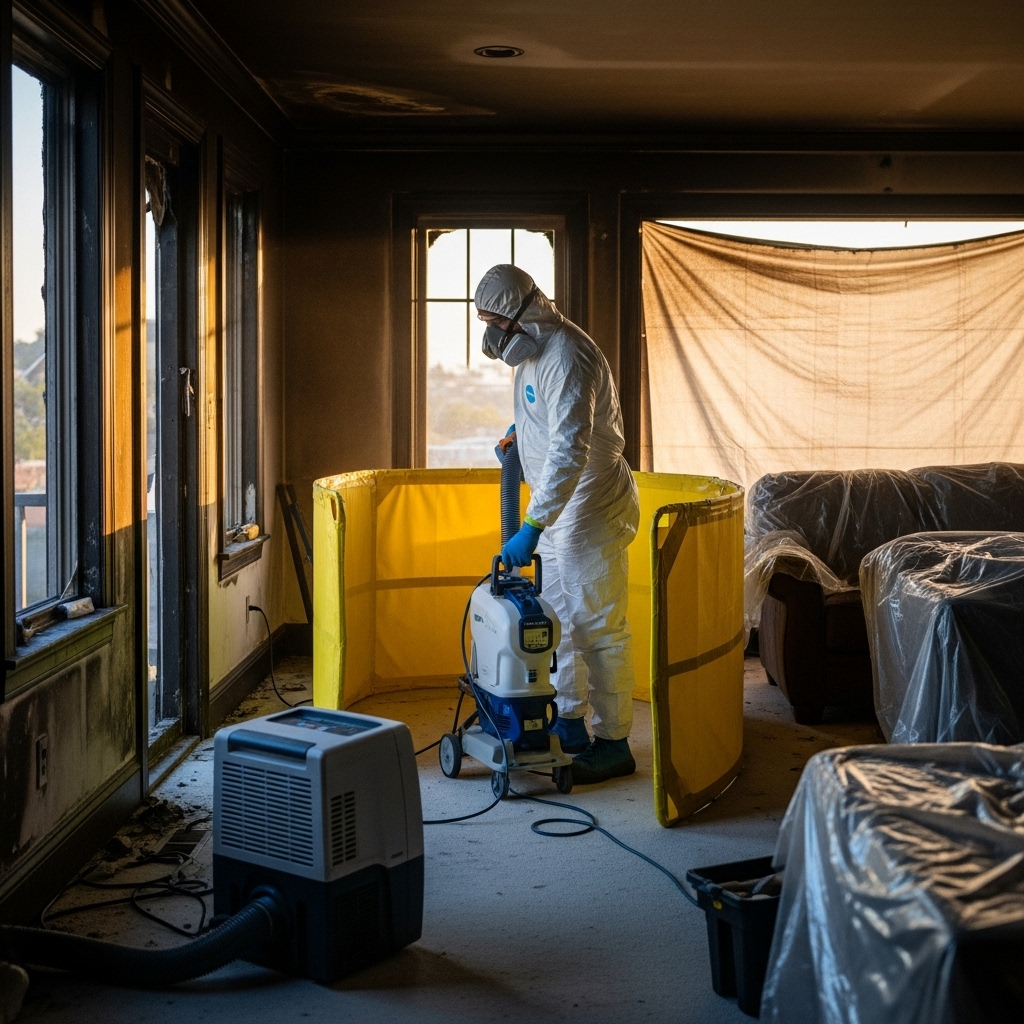
Beyond the technical plan, the best teams set a tone of steady leadership. They explain why negative air pressure machines are positioned a certain way, why some porous items must be removed early, and how HVAC systems should be handled to avoid cross-contamination. They bring documentation tools that matter at claim time—photo logs, moisture maps, and itemized inventories that establish what’s salvageable and what’s not. Homeowners may not remember every acronym, but they remember that someone had a reason for every step and shared it plainly.
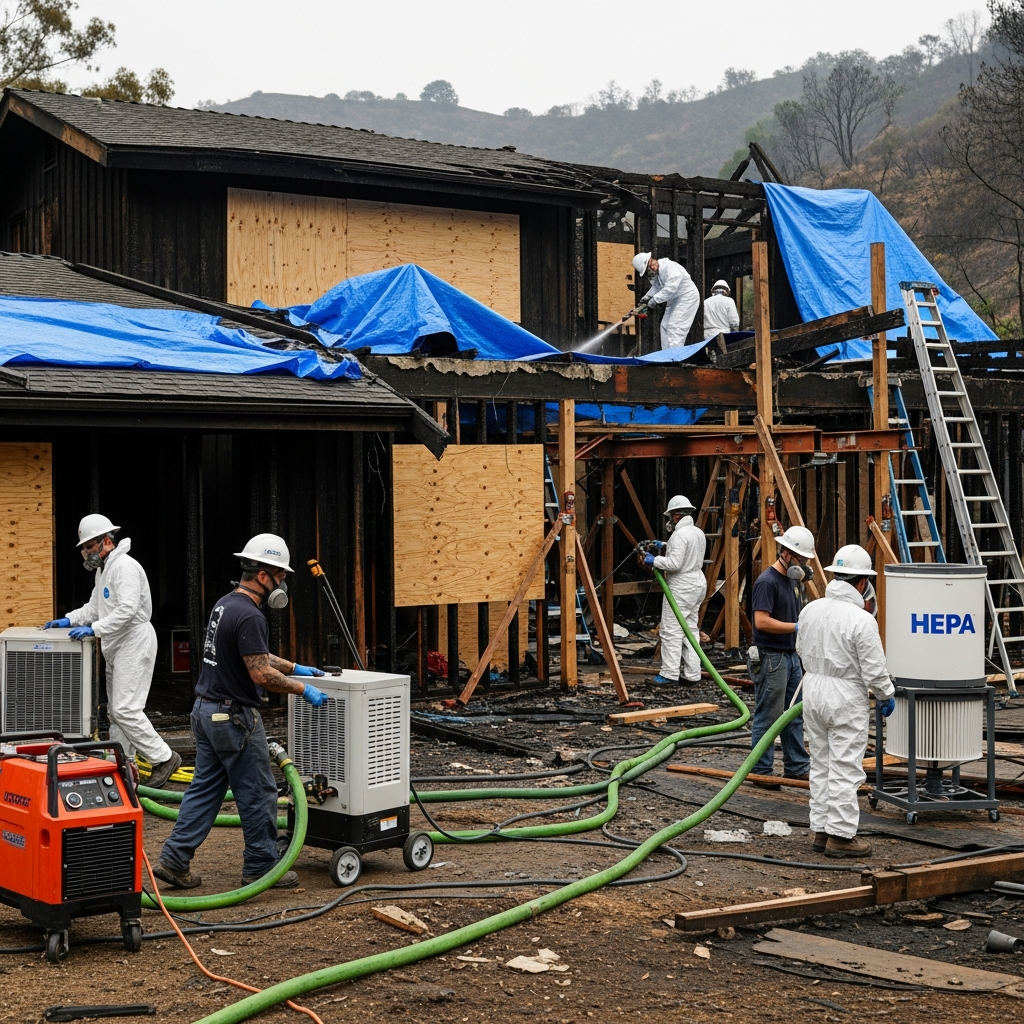
Because Malibu blends coastal moisture with wind-driven ash, metal fittings, electronics, and even plumbing fixtures can show early signs of corrosion after smoke exposure. Trusted companies therefore treat time as a protective tool. Early stabilization—securing openings, extracting water left by firefighting, and isolating contaminated zones—prevents secondary damage that could complicate the rebuild. In practice, this looks like careful board-ups that respect stucco and trim, smart placement of air scrubbers to protect clean areas, and immediate cleaning of high-value items most vulnerable to acidic soot.
Local challenges that shape the work
To outsiders, Malibu’s beauty is its headline. To those who work here, the microclimates and terrain tell the real story. Canyons concentrate wind and heat; coastal mornings add moisture; hilltop homes can be reachable only by tight roads that challenge truck logistics. Trusted companies have contingency plans for all of it. They schedule deliveries in off-peak hours to keep crews moving. They stage equipment at the base of narrow drives and shuttle what’s needed to the site. They carry backup generators because outages and planned shutoffs are a reality when fire danger spikes.
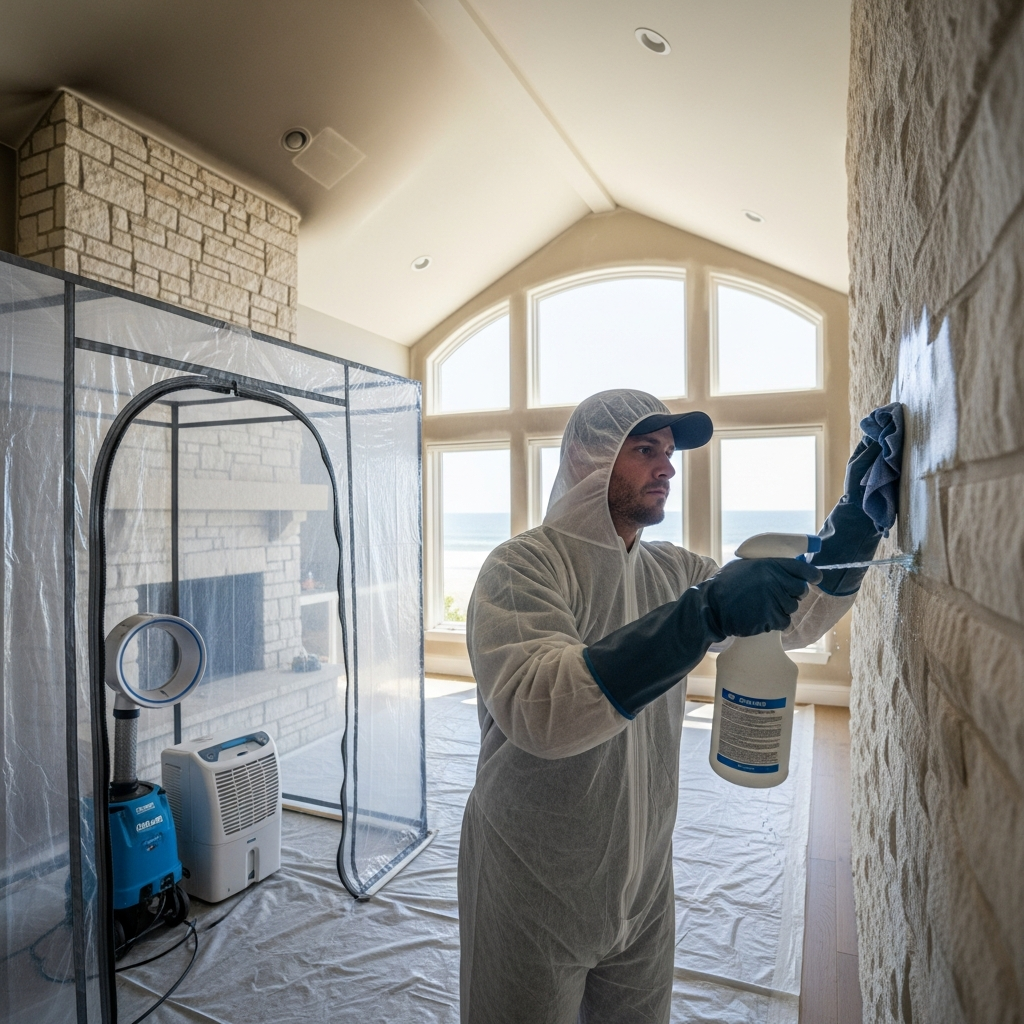
Wildfire smoke behaves differently than smoke from a small kitchen fire. It contains a broader mix of combusted materials and can come in waves over many hours or days. This leads to pressure cycling inside a home that can drive soot deeper into wall cavities and insulation. The best teams know when to bring in specialty cleaning methods like thermal fogging, targeted soda blasting on exterior masonry, or hydroxyl generation for odor control. They also understand when restraint is smarter—there is no reason to fog a space before source removal and detailed cleaning; doing so can muddy the sequence and extend the timeline.
Another Malibu-specific detail is salt air. While beautiful to live with, it can accelerate corrosion when combined with acidic soot. Trusted companies prioritize electronics, polished metals, and fixtures accordingly. You’ll often see technicians wiping and neutralizing appliance surfaces, opening switch plates to check for soot, and isolating valuable art so it can be moved to a controlled environment. This isn’t performative; it’s prevention grounded in the physics of how smoke and salt interact.
From emergency response to detailed cleaning
Every trusted company I’ve seen do outstanding work treats the first visit as two projects in one: stabilization and planning. Stabilization protects what remains—tarping compromised sections of roof, boarding up broken windows, and setting containment to keep clean areas from turning dirty. Planning, on the other hand, is a conversation and a map. It outlines the phases ahead, identifies items the homeowner wants the team to prioritize, and clarifies how access, pets, and security will be handled during the process. This up-front clarity is one of the quiet secrets to a less stressful restoration.
Once the site is safe, the methodical work begins. Crews start with source removal—carefully taking down charred materials, then separating debris to prevent cross-contamination. Next comes detail cleaning, where technicians work from the ceiling down, controlling airflow and capturing soot rather than just moving it around. They’ll use specialized vacuums with HEPA filtration, deploy negative air machines, and select detergents based on the materials being cleaned. Countertops, cabinetry, and flooring receive different treatment than stone or plaster, and each choice reflects training and experience.
Odor control is the step homeowners hope will work like magic and the step pros approach like scientists. Odor lives in both surfaces and air, so trusted companies layer techniques. They might pair aggressive source removal with controlled ventilation, then follow with deodorizing methods matched to the materials affected. The goal isn’t to mask smell; it’s to remove the compounds causing it. Teams verify their work with time and measurement, not just a hopeful sniff.
Communication that reduces stress
In the swirl of to-do lists and insurance forms, straightforward communication becomes a lifeline. The best companies set a cadence for updates and stick to it. They provide a single point of contact who can answer questions, and they keep an eye on the emotional temperature of the household. Fire takes more than objects; it takes routine and ease. Crews that remember this check in respectfully before starting noisy work, pause when a child needs to grab a favorite toy, and leave the site organized at day’s end. These small acts build the trust that marketing cannot.
Documentation also serves the homeowner beyond the project. Photo logs and inventories help with claim clarity and future maintenance. For example, if cabinets are cleaned and saved, documentation of the method and materials used can inform later refinishing work. If attic insulation is removed due to smoke infiltration, a record of that removal can support energy upgrades during rebuild. Trusted companies create this paper trail not because anyone asked, but because they know it keeps doors open later.
Working with insurers without losing momentum
Insurance participation is part of nearly every project, and the company you choose should be as fluent in claim mechanics as they are in cleaning technique. The goal is a collaboration that moves the work forward, not a standoff that leaves a home in limbo. Trusted firms provide line-item scopes that are clear and justified, complete with photos and testing where appropriate. They know when to recommend third-party hygienists for air quality or surface sampling so everyone can align on what “clean” means for this specific home.
Sometimes, momentum depends on knowing what can proceed while waiting for approvals. A seasoned team can often continue with non-contentious tasks—like demolition of obviously unsalvageable materials or protecting unaffected areas—while the finer points of finishes and specialty cleaning are reviewed. This balance conserves time without overstepping, and it’s one reason experienced project managers are worth their weight in calm.
How to evaluate a restoration partner
Credentials matter, but they are the start, not the finish. Ask about training, yes, and also about recent Malibu-specific projects. Inquire how the company handles access on narrow roads, how they coordinate with roofers and electricians in our area, and how they protect indoor air when ocean moisture and hot, dry winds can alternate day to day. Notice whether they listen to what matters to you—grandmother’s piano, a collection of books, surfboards stored under the house—and whether their plan reflects those priorities.
It is reasonable to expect a detailed written scope, clear safety protocols, and an explanation of how the team will prevent cross-contamination. It is also reasonable to ask how they will help you prepare the home for rebuilding, including odor verification and clearance steps. When a company can answer these questions succinctly, it’s evidence of systems that you will feel throughout the project. Somewhere near the midpoint of most jobs, you’ll see this professionalism in full effect, and it’s a good moment to confirm that the plan is still right for your home, especially as the team continues with deep cleaning and deodorization and the second phase of fire damage restoration.
Preparing your family and property
Trusted companies also help you prepare for the work. They’ll advise on temporarily relocating if necessary, securing valuables, and coordinating with pet care. They’ll review which utilities should remain on and which should be shut off for safety, especially in homes where propane or solar systems add complexity. They can offer suggestions for protecting neighboring properties from dust and noise, a kindness that maintains goodwill on tight streets where everyone is living close to the same challenge.
Inside the home, preparation might include setting aside essential documents, identifying especially delicate contents, and establishing a staging area where cleaned items can be organized. Pros make these steps easy by offering checklists and assigning a team member who can answer quick questions throughout the day. The result is a project that feels less like an intrusion and more like a guided process with steady checkpoints.
After the cleaning: setting the stage for rebuild
When the air smells neutral and surfaces pass a white-glove test, the job shifts from emergency to opportunity. This is the moment to align with your builder or designer on the next steps. Trusted restoration companies don’t disappear here; they coordinate. They share documentation with the rebuild team, confirm which areas were opened and which remain closed, and flag any structural or mechanical issues discovered during mitigation. They can also recommend timing for painting and flooring relative to final deodorization, which helps protect your investment in finishes.
In Malibu, rebuilds often include improvements that make homes more resilient—upgraded attic vent screening, defensible space planning, or smarter attic access panels that reduce future smoke intrusion. Restoration companies familiar with our local conditions can offer practical suggestions without overstepping the builder’s role. It’s another example of how trust looks: people staying in their lane but helping pave the road.
Keeping perspective and momentum
As the home turns the corner from damaged to livable, the emotional tempo changes. You begin to picture gatherings again, imagine cooking in your kitchen, and think about ordinary things like laundry and homework. Trusted teams respect this phase by finishing well. They walk the space with you, note any remaining concerns, and address them promptly. They leave you with a clear record of what was done and why, along with maintenance tips to keep odors from returning and guidance on when to change filters as the seasons change.
Most of all, they leave you with the sense that you were heard. That may be the most valuable outcome of all. In a town that has seen its share of fire seasons, neighbors remember who kept their word. Reputations are built here project by project, driveway by driveway, from Point Dume to Latigo Canyon.
FAQ: Trusted fire restoration in Malibu
How quickly should I call a restoration company after a fire? As soon as it is safe and authorities have cleared the property for access. Early stabilization prevents secondary damage like corrosion and mold, and it gives your team a head start on documenting the situation for your claim.
What certifications should I look for? Industry-standard training in fire and smoke restoration, along with safety credentials for handling contaminated environments. Experience in Malibu’s conditions matters just as much—ask about recent local work.
Can smoke damage be invisible? Yes. Fine soot can settle inside wall cavities, behind baseboards, and in HVAC systems. Proper testing and a structured cleaning plan help identify what you can’t see so it is addressed before rebuild.
Will my belongings be cleaned on-site or off-site? It depends on the extent of damage, space available for staging, and the type of items involved. Many companies use a combination approach, moving delicate or high-value items to a controlled facility while cleaning sturdier contents in place.
How is odor actually removed? By removing the source materials, thoroughly cleaning and capturing embedded particulates, and then using targeted deodorization techniques. Odor control is a process, not a product, and it should be verified over time.
How do I know when my home is ready for rebuild? When demolition is complete, affected areas are cleaned to a verifiable standard, odors are neutral, and documentation is in order. Your restoration team should coordinate with your builder to ensure a smooth handoff.
If you’re facing the aftermath of a fire and need steady guidance from people who know Malibu’s terrain, weather, and building styles, reach out to a local team that leads with clarity and care. Start the conversation today and let an experienced crew map your path back home with proven fire damage restoration methods that respect your time, your health, and your peace of mind.