Conversations about the cost of fire damage restoration in Malibu are really conversations about scope, strategy, and the choices that guide a home from emergency to normalcy. Every property, every fire, and every family’s priorities are different. Rather than focusing on figures, the best way to understand the investment is to understand what drives it: the extent of damage, the materials involved, the steps required to protect health and structure, and the direction you choose for finishes and resilience. In a coastal community where salt air, microclimates, and access all influence recovery, local knowledge is central to setting expectations. If you are beginning the journey after a fire, experienced professionals in fire damage restoration in Malibu can help explain each factor and align the plan with what matters most to you.
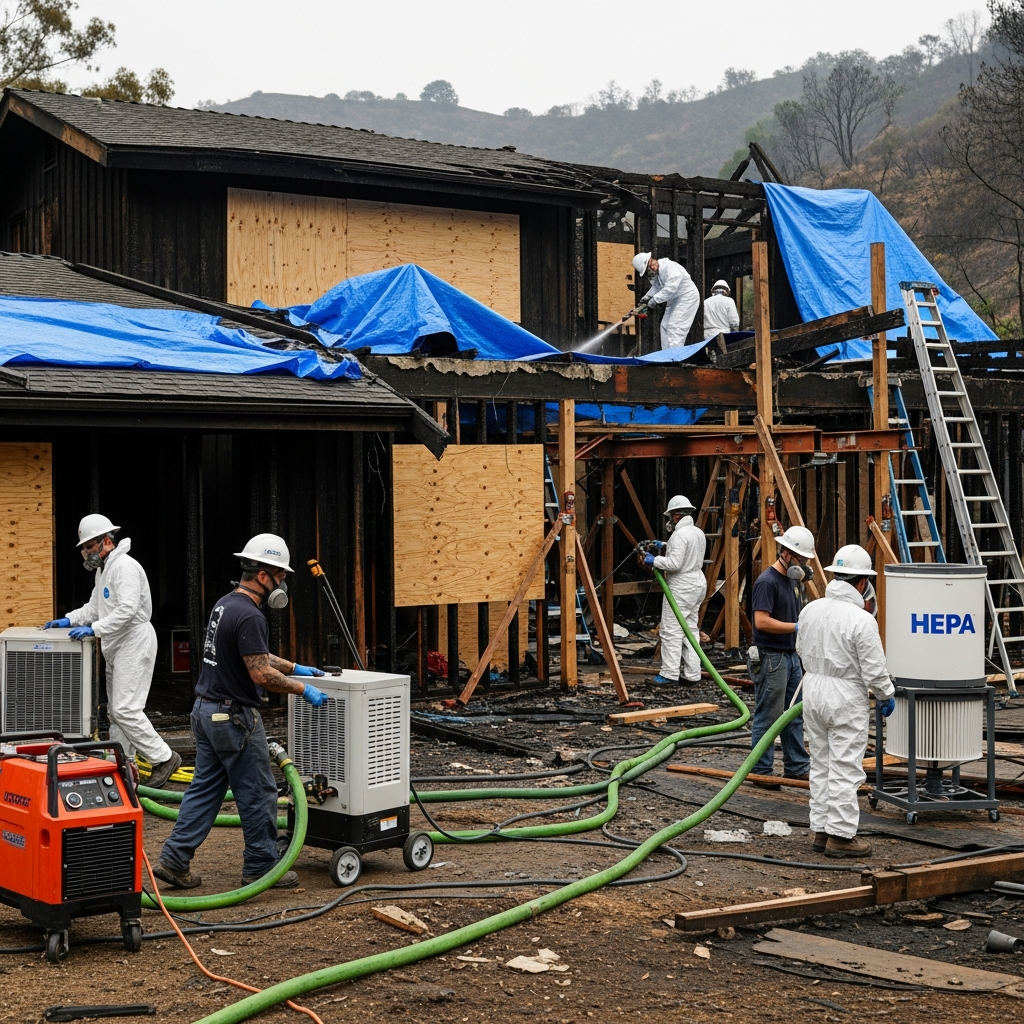
Restoration is a sequence. The early hours are about stabilization — securing openings, addressing water used in firefighting, and protecting indoor air. Then comes the careful work of removing residues, drying structures, deodorizing, and preparing for repairs. Each step shapes the next, and the total effort reflects how these pieces fit together for your specific home. A small kitchen fire with focused smoke may require intensive cleaning and odor control, while a broader event could include structural work and systems evaluation. Understanding these pathways is the key to understanding the investment without getting lost in line items.
What Shapes the Scope of Work
Scope begins with the fire’s footprint and intensity. Did flames affect a single room or multiple levels? Was smoke contained or did it travel through the house via open plans and high ceilings? Was water used to extinguish the fire, and if so, how far did it migrate into walls, subfloors, and insulation? Malibu’s daily swings between warm afternoons and cool evenings can draw moisture deeper into materials, especially in canyon homes, making thorough mapping and drying essential.
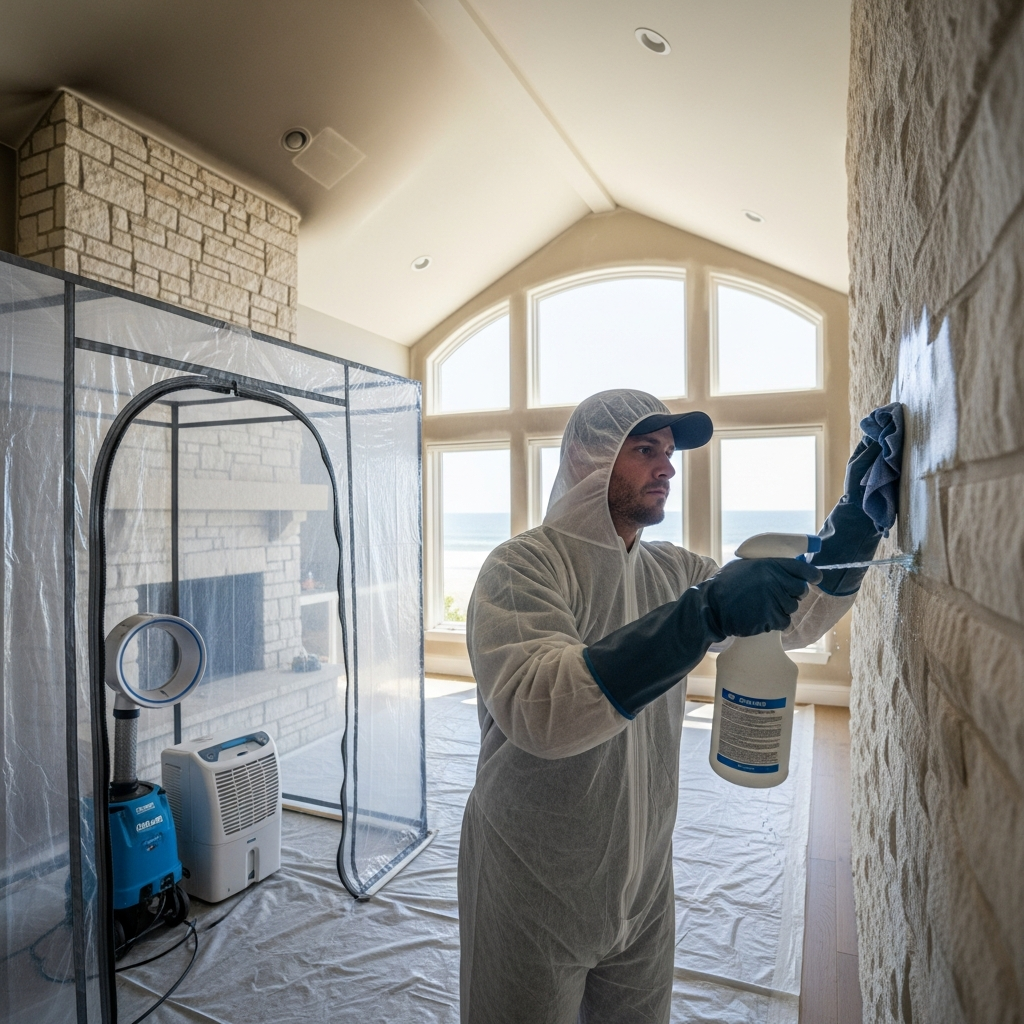
Material type is another driver. Coastal residences often feature natural stone, specialty woods, and glass expanses. These finishes respond differently to soot and moisture. Stone may require pH-sensitive approaches to avoid etching. Specialty woods call for progressive cleaning to protect patina and grain. Electronics and fixtures face higher corrosion risk in our salt air, which may necessitate additional attention. Scope grows or shrinks with these conditions, and a detailed assessment reveals the right balance between cleaning, repair, and replacement.
Time, Access, and Logistics
Time affects outcomes and, by extension, the overall effort required. Fast stabilization limits secondary damage — corrosion from acidic soot, odor embedding in porous materials, and microbial growth triggered by moisture. Access and logistics in Malibu can be unique. Canyon roads, gated drives, and beachside lanes sometimes limit equipment staging and delivery schedules. Skilled planning anticipates these constraints so that work proceeds without idle days or repeated mobilizations.
Weather plays a role too. The marine layer, seasonal winds, and temperature swings can influence drying times and when to ventilate. Local teams make decisions that use weather to your advantage instead of fighting it, coordinating indoor air control with exterior conditions to maintain progress.
Health and Safety Considerations
Protecting health is non-negotiable. Restoration plans account for indoor air quality with filtration, containment, and careful debris handling. If HVAC systems carried smoke or were exposed to heat, they may require targeted cleaning before reactivation. Electrical systems are verified safe. Gas lines and appliances are checked. These measures are both safeguards and confidence builders, allowing families to reoccupy spaces in phases when appropriate and to return fully when conditions meet sensible benchmarks.
Homes with infants, older adults, or members with respiratory sensitivities may benefit from additional steps and staging. A licensed team explains these options clearly so that you can weigh comfort and pace together.
Insurance and Documentation
Insurance collaboration is part of the journey. Detailed documentation — photographs, moisture and odor readings, and clear descriptions of work — supports approvals and helps align expectations. In Malibu, where custom finishes are common, itemized records ensure that repairs aim for like-kind quality. The communication style you experience here often defines your overall sense of ease; look for providers who translate technical detail into plain language and keep you informed at every turn.
Homeowners sometimes ask whether they should begin cleaning on their own to speed things up. While small actions can be helpful, such as retrieving essentials and avoiding HVAC use, many cleaning attempts risk setting residues or spreading contamination. Waiting for a professional assessment prevents missteps that could expand the scope later.
Making Choices That Fit Your Home
Restoration invites choices. You may decide to incorporate resilience upgrades — ember-resistant vents, defensible landscaping, or material selections that perform better in salt air. You may see an opportunity to align repairs with a refreshed design direction. These decisions influence the path forward and should be made in a sequence that keeps the project moving. Local teams offer examples from similar Malibu homes so you can choose with confidence, not guesswork.
On the contents side, priorities matter. Textiles, artwork, and cherished items can often be cleaned and returned to use. Electronics exposed to soot and salt air are evaluated carefully to avoid premature failure. Transparent inventories help you track where items are and when they will come home, and they make it easier to decide what to restore, what to replace, and how to stage returns as rooms are completed.
Drying, Deodorization, and the Return of Comfort
Drying is guided by measurement, not intuition. Moisture mapping reveals wet cavities that may not be visible. Efficient drying protects structural materials and shortens timelines. Deodorization follows source removal and cleaning; it aims to neutralize rather than cover up. This is where indoor air begins to feel truly fresh again, a milestone homeowners look for as eagerly as any visible repair.
Comfort is the ultimate measure. Long after the last coat of paint dries, you will judge success by how the home smells, how the air feels, and how reliably systems perform. Alignment between technical benchmarks and lived experience is the target: odor-free rooms, quiet HVAC, and finishes that look and feel right.
Local Realities, Local Advantages
Malibu’s geography shapes restoration in practical ways. Knowing alternate routes when PCH slows, planning deliveries for tight canyon drives, and respecting neighborhood rhythms prevent delays. Understanding local permitting and environmental expectations keeps projects on schedule. Materials selected for coastal conditions extend the life of repairs. And working with a team that knows the nuances of morning marine layers and afternoon winds allows ventilation and drying to proceed with fewer surprises.
The advantages extend to communication. A local team speaks the shorthand of Malibu — where to stage equipment without blocking neighbors, how to coordinate with HOA rules in beach communities, and when to schedule noisier tasks to minimize disruption. These details build trust and reduce friction throughout the project.
Questions Homeowners Often Ask
How is the scope determined? A thorough inspection evaluates burn patterns, smoke migration, and moisture spread. The team tests residues, maps wet areas, and documents everything with photos and notes, then shares a clear plan that sequences work from stabilization to final touch-ups.
Can I stay in the home during restoration?
Sometimes, yes, depending on the extent of damage and the ability to maintain clean, safe zones. With thoughtful containment and scheduling, critical areas can remain usable while work proceeds elsewhere. Decisions are guided by safety and comfort first.
What if smoke odor keeps coming back?
Persistent odor is a signal to look for hidden sources or residual contamination in contents or building cavities. The solution is targeted: revisiting affected areas, checking HVAC, and verifying that deodorization followed complete source removal and proper cleaning.
How are belongings handled?
Items are inventoried and prioritized. Some are cleaned on site, while others move to a controlled environment for specialized care. Clear labeling and staging plans ensure that essentials return as soon as rooms are ready, restoring a sense of normalcy.
What makes Malibu different from other places?
Salt air, microclimates, and access all play a role. These factors influence material choices, drying times, corrosion risk, and daily logistics. Teams familiar with Malibu anticipate these realities and fold them into the plan from the start.
When you want clarity without guesswork and a plan that respects both your time and your home, choose a neighborly, experienced provider of fire damage restoration in Malibu. A thoughtful conversation can turn uncertainty into a step-by-step roadmap — and with the right guidance, your next view of home will be defined not by the fire, but by the everyday comfort you love.