When a fire disrupts life in Malibu, it never respects the clock. Nights along the coast can be quiet, with the ocean just a low hush in the background, until sirens slice through the dark and the familiar rhythm of our hillside community shifts in an instant. In those moments, the difference between a quick return home and a prolonged displacement often comes down to speed and local know-how. That is why the promise of around-the-clock response matters here more than most, and why residents benefit from proven, neighborhood-focused fire damage restoration in Malibu that understands our terrain, our homes, and our unique coastal conditions.
Across Malibu’s canyons and beachside stretches, each property tells a different story — modern minimalist beachfronts that breathe salt air, estates tucked into chaparral-lined ridgelines, and mid-century gems that have weathered decades of ocean winds. The work of restoring any of these homes after a fire is as much about context as it is about process. It requires an understanding of how smoke moves with the marine layer, how soot rides on the breeze through canyon corridors, and how water used to extinguish flames finds its way into subfloors and joists. A true 24/7 emergency response meets this complexity head-on and does so without delay.
Why Every Minute Matters After a Fire in Malibu
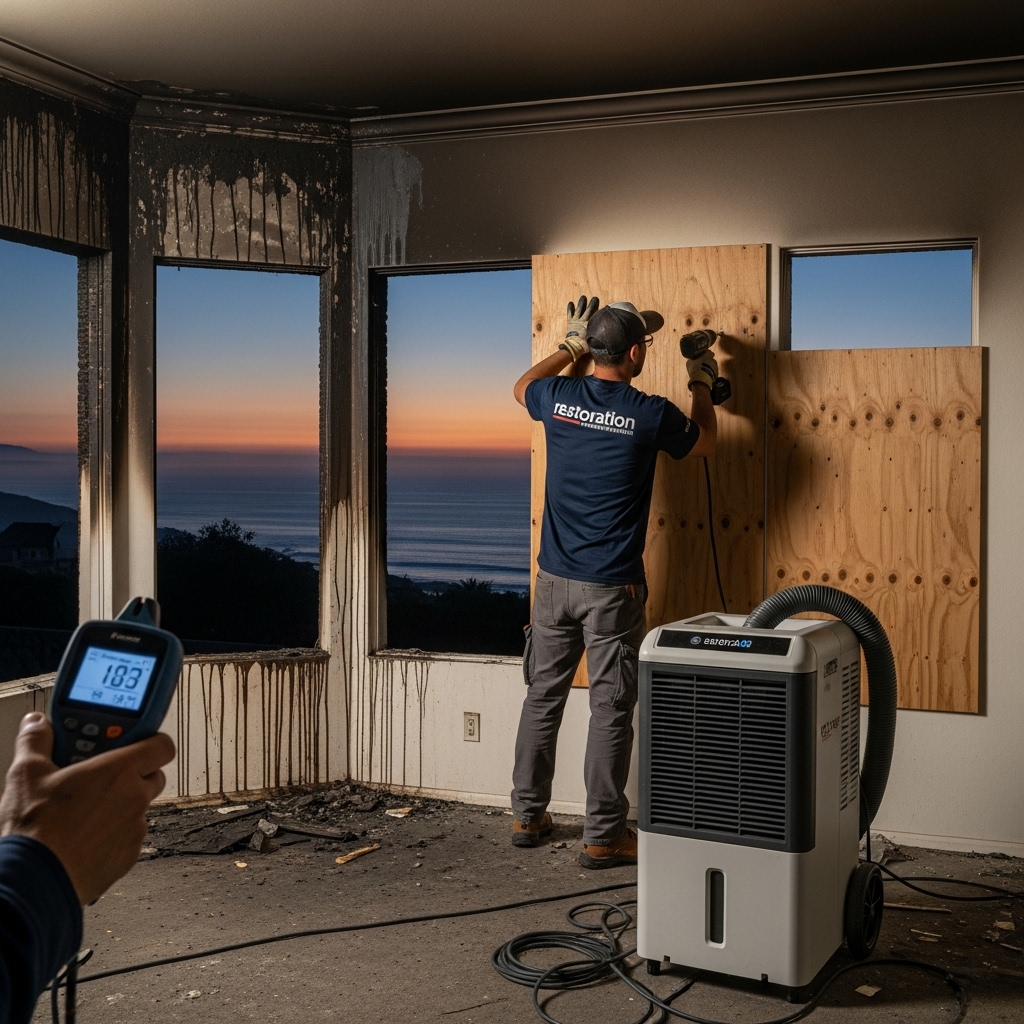
The first hours after a fire are when the most preventable secondary damage happens. Onshore moisture and nighttime dew can mix with acidic soot residues, accelerating corrosion on metal fixtures, electronics, and decorative finishes. Even a minor kitchen blaze can leave behind sticky protein residues that cling to cabinetry, while a heavier, sooty fire can send fine particulates deep into ductwork and insulation. Acting immediately helps stabilize the scene — boarding openings, shutting off compromised utilities, and beginning ventilation and dehumidification so that smoke odor does not embed deeper with each passing hour.
Malibu’s microclimates intensify the urgency. In canyon neighborhoods, temperature swings from afternoon heat to cool marine evenings cause materials to expand and contract, which can draw smoke contamination further into porous surfaces. On the coastline, salt aerosols interact with soot’s acidity, making corrosion on appliances and fixtures even more aggressive. The quicker a mitigation team can begin, the more surfaces can be cleaned rather than replaced, and the smoother the path back to normal living becomes.
What 24/7 Emergency Response Really Looks Like
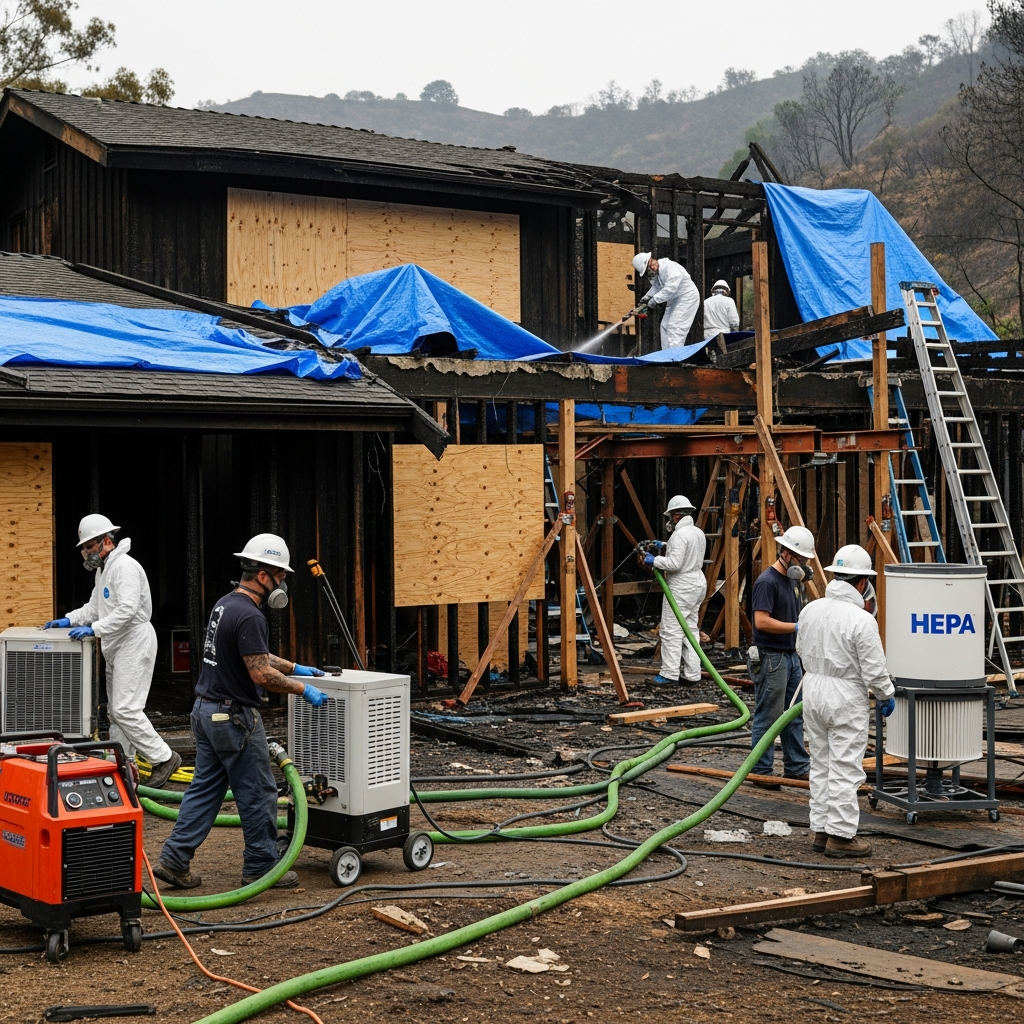
When a call comes in at midnight or dawn, the first arriving team focuses on safety and stabilization. They verify that fire authorities have cleared the site, assess structural conditions, and take immediate steps to secure the property — board-up of windows and doors, temporary roof covers if embers or heat compromised roofing, and tarping against marine moisture. From there, attention turns to stopping damage progression: extracting standing water left by firefighting efforts, deploying dehumidifiers and air movers to dry structural materials, and introducing air filtration to begin reducing airborne particulates that carry odor and health concerns.
Documentation happens in parallel. Detailed photographs and notes of the affected areas, contents, and building systems support the insurance claim and guide the restoration plan. In a 24/7 scenario, this initial documentation is not a formality; it’s the roadmap that keeps the project coordinated among contractors, adjusters, and homeowners. With Malibu’s mixture of high-value finishes and custom details, precise documentation ensures that restoration aims for pre-loss condition rather than quick patches.
The Interplay of Fire, Smoke, and Water
Fire rarely travels alone. It leaves char on framing and finishes, but smoke is the traveler that sees every room, and water is the extinguishing partner that can become tomorrow’s moisture problem. In Malibu homes with expansive windows and open floor plans, smoke readily migrates beyond the immediate burn area, seeking cool surfaces like glass and stone where it condenses. Meanwhile, water used to put out a blaze can seep beneath hardwood planks, wick into drywall, and saturate insulation. If left unchecked, moisture will pave the way for microbial growth that complicates an already difficult recovery.
A thorough emergency approach responds to all three elements at once. Charred materials are isolated and removed to eliminate the primary odor source. Moisture mapping identifies wet cavities behind walls and under floors so targeted drying can begin. Airborne particulates are addressed with filtration, while HVAC systems are shut down or protected to prevent cross-contamination. Malibu’s salt air adds one more variable — corroded electronics and fixtures may be salvageable if cleaned promptly, but they are far more vulnerable than in inland environments, which is why timing is everything.
Local Conditions Shape Local Solutions
Knowing Malibu’s roads, rules, and rhythms speeds recovery. Canyons like Malibu Canyon Road and Latigo can become chokepoints during wildland emergencies or closures, and a team that knows alternate routes can reach your property faster when minutes matter. Familiarity with City of Malibu permitting protocols streamlines temporary power solutions and repairs that require approvals. Even understanding the best times to ventilate a home — when the marine layer lifts, or when winds are less likely to carry smoke into neighboring spaces — becomes part of an effective, local-first strategy.
Inside the home, coastal design choices influence restoration tactics. Painted shiplap or tongue-and-groove wood walls require different cleaning methods than plaster. Honed limestone counters or shower surrounds react differently to acidic soot than engineered stone. And large pivot doors or steel-framed windows demand careful corrosion assessment and treatment so that aesthetics and function are both protected in the long term. Local practice means anticipating these needs rather than discovering them late in the process.
Inside the Restoration Sequence
After emergency stabilization, inspection and planning take center stage. A qualified team evaluates structural integrity, tests indoor air, and prioritizes the spaces that keep your household functioning — kitchens, bedrooms, and bathrooms. Contents that can be damaged by lingering odor or moisture are packed, inventoried, and moved to a secure cleaning environment. Within the structure, charred materials are removed down to a clean, odor-free substrate. Specialized cleaning targets soot residues according to their chemistry — protein, dry, or wet soot — because each adheres differently and responds to distinct techniques.
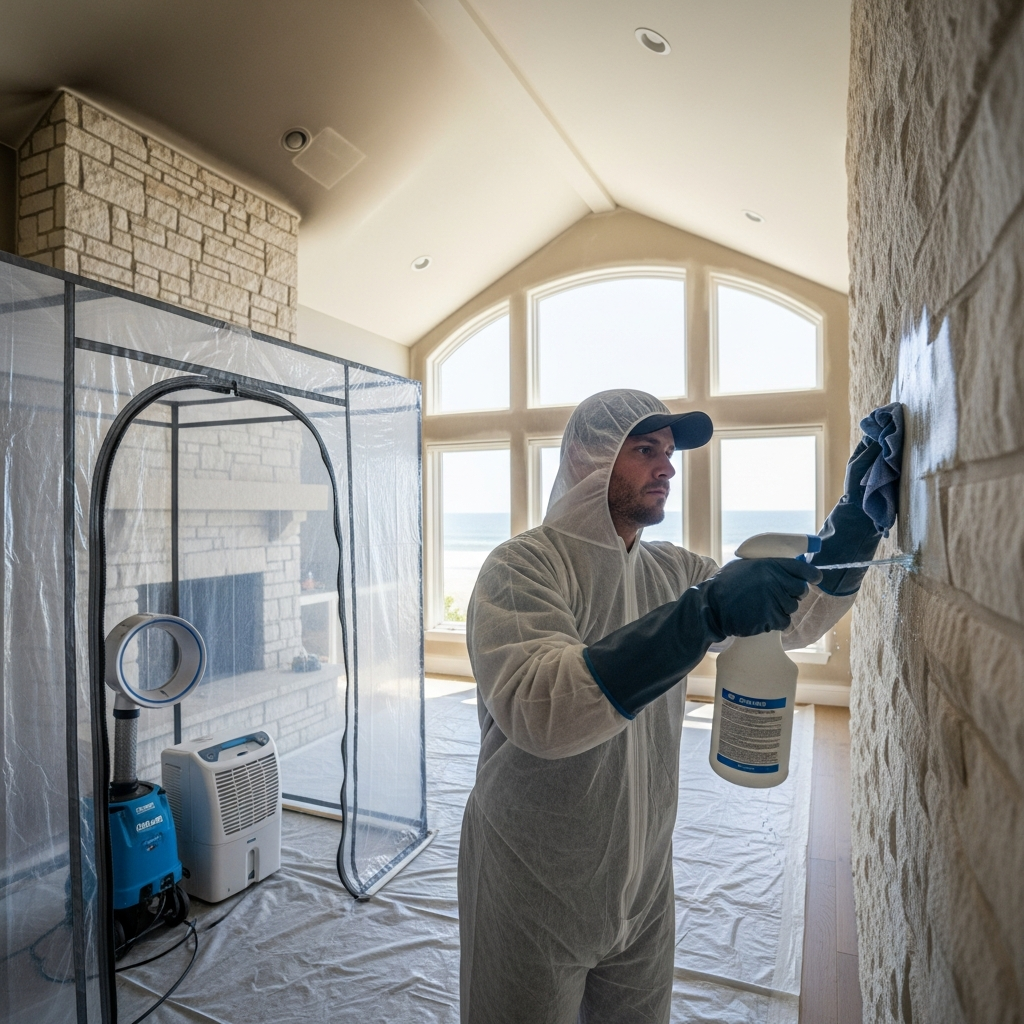
Drying accelerates with a combination of heat, air movement, and dehumidification, guided by moisture readings rather than guesswork. Once the structure is clean and dry, deodorization progresses from source removal to advanced methods designed to neutralize remaining odor molecules. Throughout, indoor air quality is protected through continuous filtration, and workers use containment barriers to prevent cross-contamination to unaffected areas. In Malibu’s open-plan homes, containment design requires careful thought to preserve circulation without letting residues travel.
Midway through many projects, homeowners ask when the house will start to feel like home again. The return of familiar routine is a signal as reassuring as any instrument reading. That point typically follows the transition from mitigation into repairs, when walls are ready for new finishes and fixtures are reinstalled. It is also a natural moment to consider whether upgrades or resilience improvements fit your goals — using more fire-resistant materials on exterior cladding, improving attic ventilation to reduce ember intrusion, or adjusting landscaping to maintain defensible space. With guidance from local expertise, these decisions feel less overwhelming, and professional fire damage restoration in Malibu can integrate them into the broader plan without delaying your return.
Communication You Can Trust
Emergencies are stressful because they take away control. Clear communication restores some of that control by setting expectations, sharing daily progress, and anticipating milestones. In a 24/7 environment, that might mean middle-of-the-night updates after stabilization or early morning briefings before crews resume work. Documentation feeds communication too — moisture maps, photo logs, and odor clearance checks offer tangible markers of forward momentum. When you live in a place like Malibu where family routines revolve around sunrise surf checks, afternoon school pickups, and evening community events, transparency around access and noise helps life go on even while work proceeds.
Insurance coordination is another pillar of communication. Adjusters appreciate detail, and homeowners appreciate advocacy. Thorough scope descriptions, line-item breakdowns, and justification for technical steps such as corrosion control or HVAC cleaning help align the project plan with policy coverage. While no two claims are identical, the shared understanding among the homeowner, restorer, and insurer speeds approvals and keeps timelines intact.
Health, Safety, and Indoor Air Quality
Combustion byproducts include particulates and volatile compounds you cannot see, and Malibu’s tendency to keep windows open can draw those into living spaces quickly. A responsible restoration emphasizes indoor air quality from day one. That includes negative air filtration to capture fine particulates, careful bagging and removal of debris, and cleaning methods that lift residues rather than smear them. If HVAC systems were operating during the fire, ducts may require cleaning and filters must be replaced to prevent recirculation. Sensitive family members — infants, older adults, or those with respiratory conditions — benefit from a cautious re-occupancy plan that favors staged returns as clearance benchmarks are met.
Safety extends to the structure as well. Electrical systems exposed to heat or water are inspected by licensed professionals before re-energizing. Gas lines and appliances are checked so that re-ignition does not risk further damage. Where roofs or decks were compromised by embers, temporary repairs protect against overnight moisture, which is especially important when the marine layer rolls in.
Working with Malibu’s Rules and Realities
Local projects do best with local knowledge. Malibu’s building environment blends environmental protections with coastal-specific guidelines. Temporary power setups might need coordination with inspectors. Exterior repairs along the coast must consider corrosion-resistant fasteners and coatings. Debris disposal follows rules designed to protect our beaches and watersheds. When your restoration team anticipates these requirements, you avoid the start-stop rhythm that can stretch a stressful situation unnecessarily.
Neighbors become part of the equation too. In tight canyon roads or gated communities, parking and staging affect everyone. A considerate plan accounts for access, noise, and dust control, while maintaining the around-the-clock responsiveness that emergencies demand. The goal is to restore not only a house but a sense of community ease.
Preparing Your Household for the First 24 Hours
Even with expert help, there are simple steps homeowners can take. If authorities allow safe re-entry, retrieve medications, important documents, and essentials first. Avoid handling visibly soot-coated items and refrain from running HVAC systems until they are inspected, since you could spread contamination. Resist the urge to wipe walls or furnishings; the wrong technique may set stains or push residues deeper. Instead, focus on family needs — temporary lodging, pet care, and communicating with your support network. Local teams can help with immediate board-up, moisture control, and the documentation your insurer will request.
As the first day turns into the first week, your role shifts to decisions about finishes, contents, and scheduling. The right partner lays these choices out in a clear sequence so you are never asked to decide today what belongs in next month’s plan. This collaborative rhythm is especially valuable in Malibu, where many residents balance work in the city with the pull of ocean and canyon life at home.
Resilience for the Long Term
While emergency response is the immediate focus, long-term resilience deserves attention. Fire-resistant landscaping, ember-resistant vents, and smart home monitoring can all reduce future risk. Interior choices matter too: closed-cell insulation can slow odor absorption compared to fibrous materials, and certain floor systems dry more predictably after water exposure. If your restoration already includes opening walls or replacing finishes, it may be the ideal moment to incorporate these upgrades. Local teams draw on prior projects across Malibu to advise what works best in our climate and community context.
Homes here are personal sanctuaries. They hold the salt-scented mornings, the gatherings that stretch past sunset, and the quiet solace when the canyon is still. Restoring that sense of place is the real goal, and it is achieved through a blend of technical precision and neighborly care — the late-night calls answered, the extra effort to save a treasured piece of art, the diligence to clean a child’s room twice because reassurance matters.
Frequently Asked Questions
How fast can a team reach my Malibu home after I call? In most situations, emergency crews aim to mobilize immediately and provide real-time arrival updates based on road conditions and access. Familiarity with canyon routes and coastal traffic patterns helps ensure the fastest possible response, even during off-hours.
Is it safe to stay in my home if the fire was small?
Even a small fire can leave behind invisible residues and odors that affect air quality. A safety-focused assessment considers heat exposure, soot contamination, and moisture before anyone re-enters. Short, limited access to collect essentials may be appropriate, but overnight stays should wait until air and structural checks are complete.
What should I do before the emergency crew arrives?
If you have been cleared to enter, secure medications, documents, and any valuables that are easy to retrieve, then step back and wait. Avoid using HVAC systems, do not attempt to wash soot-covered items, and keep windows closed unless told otherwise, since marine moisture can set residues.
Will the team handle water damage from firefighting too?
Yes. Effective fire restoration includes water extraction, structural drying, and moisture monitoring, because water is often the largest source of secondary damage. Addressing moisture early is crucial in Malibu’s coastal environment, where humid air can slow natural drying.
How are smoke odors actually removed?
Odor is addressed at the source and through the air. Technicians remove charred materials, clean soot residues with methods matched to their chemistry, and then apply advanced deodorization. Throughout, air filtration and ventilation support the process so that odor molecules are captured or neutralized rather than masked.
What about my HVAC system and electronics?
HVAC systems are typically shut down during mitigation to prevent spreading particulates, then assessed and cleaned as needed. Electronics are evaluated for heat and soot exposure; prompt, specialized cleaning can sometimes prevent corrosion, which is particularly important near the coast where salt increases risk.
How does insurance fit into all of this?
Documentation and clear communication keep claims on track. Detailed scope notes, photos, and measurable benchmarks support your claim and help align work with policy coverage. Your restoration team should coordinate closely with the adjuster so decisions are made quickly and confidently.
When you are ready to move from uncertainty to action, reach out to a neighborly, proven team that knows Malibu’s homes as well as its roads. If you need immediate help, professional fire damage restoration in Malibu is available around the clock to secure your property, protect your health, and guide you step by step back to the comfort of home.