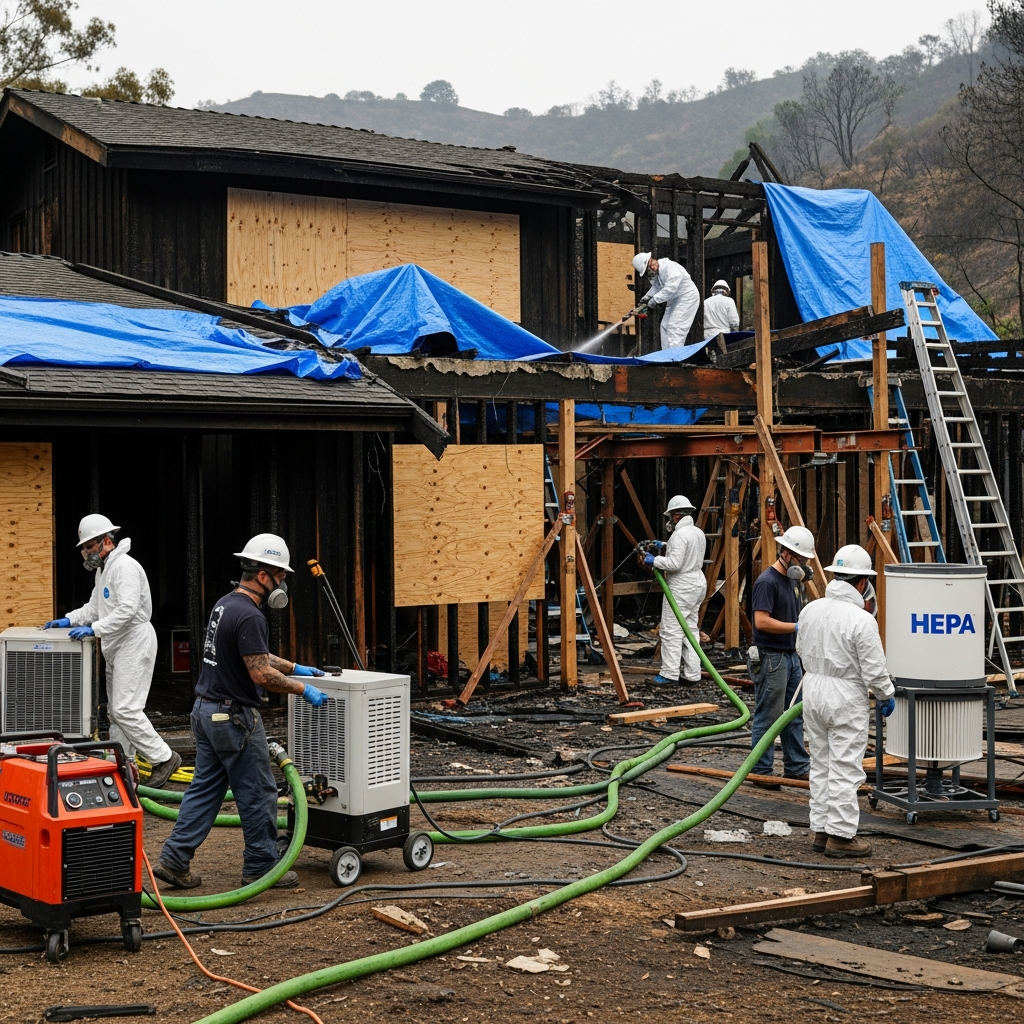
After the last air scrubber leaves and the final walkthrough is complete, Malibu homeowners often ask the same question: how do we keep our home feeling clean, safe, and ready in a place where smoke season returns every year? The answer lives in a rhythm of small, thoughtful habits—habits that Encino-based restoration teams have honed across countless projects from the foothills to the coast. With the right approach, your home becomes easier to maintain and faster to recover, and the memory of a fire fades into the background of everyday life. Throughout this guide, we’ll explore practical, design-friendly ways to care for your home after professional fire damage restoration, with attention to Malibu’s unique climate and architecture.
Start with the air you breathe
Indoor air quality is foundational. In Malibu’s microclimate, onshore flow brings moisture while offshore winds carry fine particulates from distant burns. After a restoration, keep filters on your HVAC schedule, not just your calendar. If your team recommended higher MERV ratings, follow through with replacements at intervals that match your household’s use patterns. Pay attention to return grilles and the areas around them; dust build-up there can be a sign that it’s time for a checkup even if the calendar says otherwise.
Ventilation matters too. On clear-air days, cross-ventilate, especially after cleaning sessions. Balance that with awareness of outdoor conditions; when smoke drifts in from regional events, keep windows closed and rely on filtration. If your system includes a fresh air intake, coordinate its use with real-time conditions so you’re not drawing the outside in when you shouldn’t.
Protect finishes that protect you
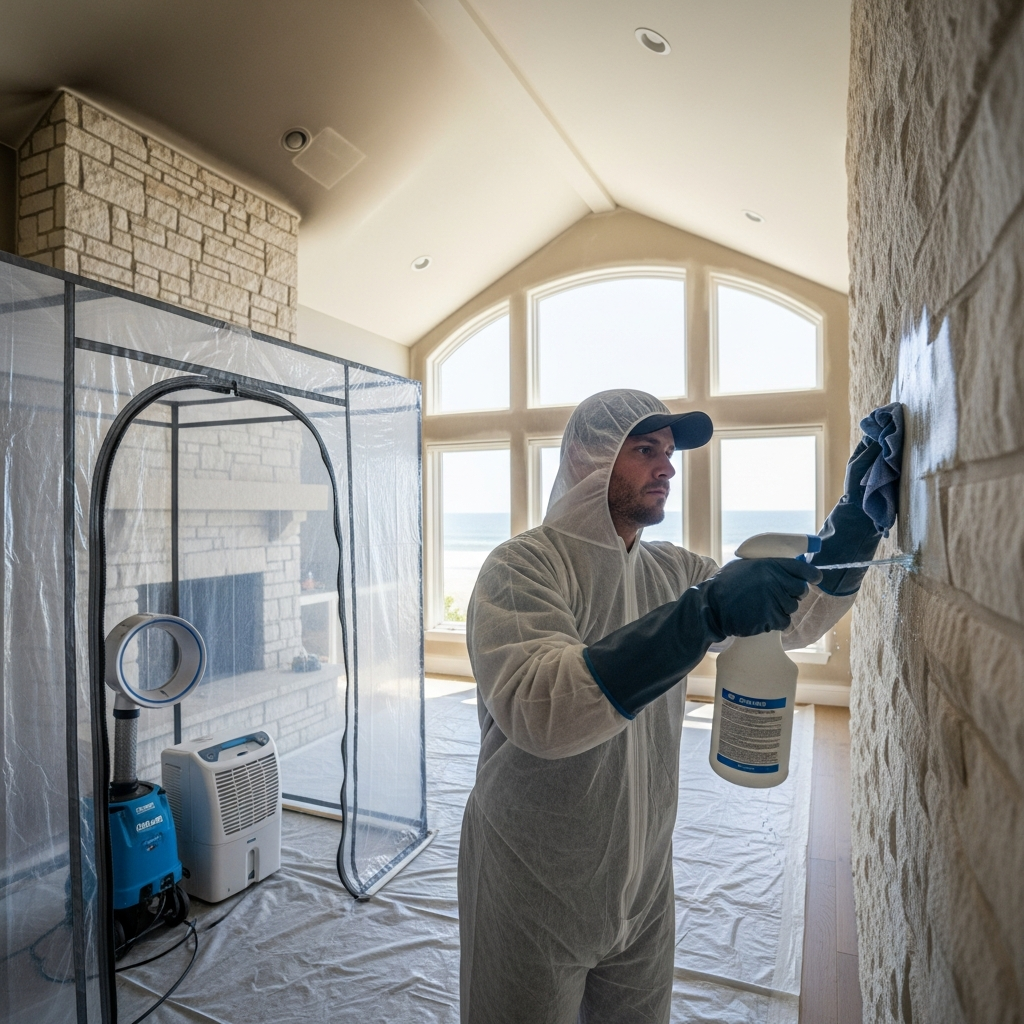
In the months following a fire, subtle residues can continue to off-gas from hidden cavities. Gentle, regular wipe-downs of high-touch areas—stair rails, cabinet pulls, and window tracks—prevent accumulation and keep corrosion at bay. Choose cleaners your restoration team recommended, avoiding harsh products that can etch stone or strip protective layers on metals. In Malibu’s salt air, that gentleness paired with consistency is what sustains the look and feel of your finishes.
For flooring, a mindful routine pays dividends. Grit from canyon roads and beach paths can abrade surfaces, especially on natural wood and stone. Use well-placed mats, and consider seasonal deep cleans that align with your home’s traffic patterns. The goal is prevention, not over-polishing—preserving patina without inviting premature wear.
Mind the hidden spaces
Cabinet toe-kicks, closet corners, and attic access panels are often out of sight, out of mind. Yet these are precisely the places where fine particulates can rest unnoticed. A quarterly pass with a HEPA vacuum in those zones keeps the baseline clean. If you notice musty or smoky hints in a closed space, open it up, ventilate when outdoor air is clean, and wipe surfaces with the same gentle approach used elsewhere. Attention to these quiet corners reinforces the whole-home freshness you want to maintain.
Attics deserve a special note. If insulation was replaced, check that access remains sealed properly and that vents are free of debris. If an upgrade to ember-resistant vents was recommended, ensure screens remain intact and free of salt crystals or cobweb build-up.
HVAC care as an ongoing practice
Consider your HVAC system a partner in maintenance. Filter schedules are the headline, but downstream choices—like keeping supply registers unobstructed and scheduling professional coil cleaning at appropriate intervals—make a significant difference. If you invested in a higher-grade filtration system during restoration, learn its nuances and keep spare filters on hand so replacements are easy, not aspirational.
When in doubt, listen to your home. A faint odor when the system starts or an unusual sound from a return can be early indicators that maintenance is due. Addressing small signals promptly prevents larger disruptions later.
Outdoor habits that support indoor health
Malibu’s beauty can bring in debris—ash after distant burns, dust after Santa Ana events. Regularly clearing entry areas, thresholds, and window sills reduces the load that migrates inside. Gutters, especially on homes near trees or on canyon slopes, should be checked seasonally to prevent overflow that drives moisture into fascias and walls. While these steps are outside, their impact is inside: drier walls, cleaner air, and fewer surprises during storm cycles.
Landscaping choices matter as well. Maintaining defensible space isn’t just a pre-fire strategy; it’s a post-restoration maintenance tool. Thoughtful spacing and plant selection minimize debris accumulation against the structure, and hardscape near the envelope reduces the fine grit that finds its way indoors.
Contents care without fuss
Soft goods hold comfort—and sometimes subtle reminders of smoke. Rotate drapery and area rugs for periodic freshening, and schedule fabric care with providers who understand post-fire sensitivities. For high-value textiles, follow the care recommendations provided at the end of your restoration, which often include gentler products and techniques that preserve fibers while keeping odors at bay.
Electronics deserve care, too. Dusting components with anti-static tools reduces micro-particle accumulation that could shorten lifespan. A simple, steady routine outperforms intense, occasional efforts.
Communication as maintenance
One of the most overlooked tips is keeping your restoration partner in the loop. If a faint odor returns during a particular weather pattern or a surface behaves differently after cleaning, a quick call can yield adjustments that save time and frustration. Encino-based teams pride themselves on responsiveness; they’re close enough to swing by and fine-tune, and they’ve likely seen your exact issue in another Malibu home.
Documentation helps here. Keep the post-restoration summary handy—filter specs, recommended products, and schedules. Treat it like a user manual for your home’s recovery period.
Small upgrades for smoother seasons
If your project concluded with recommendations—ember-resistant vents, improved attic seals, or upgraded door sweeps—prioritize them. These micro-upgrades reduce intrusion of particulates and embers, making maintenance easier and enhancing peace of mind when winds pick up. They’re the quiet heroes of resilience, working daily without demanding attention.
In finish selections, consider low-VOC paints and sealers for future touch-ups. They resist odor absorption and keep indoor air quality on track during maintenance cycles. The best part is they look indistinguishable from traditional options while working harder behind the scenes.
Mindset: steady beats sprint
Maintenance is more marathon than sprint. Set rhythms that fit your life—perhaps a brief monthly circuit focused on vents, returns, and thresholds, and a seasonal tune that includes gutters, filters, and a quick attic check. This cadence keeps tasks small and manageable. When restoration is fresh in memory, motivation is high; use that window to set routines you’ll sustain.
In the midst of habits and schedules, allow space for enjoyment. The goal of maintenance isn’t constant vigilance; it’s creating a home that feels effortless again, so shadow memories fade into the background of good days.
Halfway through any year, many homeowners benefit from revisiting the principles of professional fire damage restoration. It’s a reminder that clean air, protected finishes, and thoughtful logistics all work together. When you align your maintenance with those pillars, the home responds—quieter systems, clearer air, and fewer surprises.
FAQ
How often should I change filters after restoration? Follow the schedule your team provided, which may be more frequent initially. Adjust based on household activity and seasons, increasing changes during high smoke periods or heavy use.
What’s the best way to keep odors from returning? Stay consistent with gentle surface cleaning, mind ventilation on clear-air days, and keep HVAC components clean. If an odor pattern appears, note the conditions and call your restoration partner for a targeted check.
Are there specific cleaners I should avoid? Avoid high-acid or harsh solvent products on stone, metals, and specialty finishes. Use the low-residue, low-VOC cleaners recommended during your project to protect materials and indoor air.
Can I handle attic checks myself? Basic visual checks are fine if access is safe. Look for debris near vents, intact seals, and any signs of moisture. For deeper assessments, schedule a professional visit, especially if insulation or venting was upgraded.
Do rugs and drapes always need professional care? Not always, but periodic professional cleaning by providers familiar with post-fire sensitivities can extend life and preserve freshness. Rotate placements to even out wear and exposure.
How do I manage maintenance during busy seasons? Build small tasks into existing routines—filter checks after a grocery run, a quick threshold wipe after beach days, or a monthly five-minute circuit of returns and vents. Consistency beats intensity.
What if I travel frequently? Before leaving, set systems to maintain gentle airflow and filtration without overworking. On return, do a short reset: ventilate if outdoor air is clean, check filters, and give surfaces a quick pass.
When you want a maintenance plan that keeps pace with Malibu’s seasons and honors the work already done, connect with a team that understands both the art and the science of caring for coastal homes. For friendly guidance, fast tune-ups, and a partner who can be there when conditions shift, reach out to trusted fire damage restoration professionals who will help your home stay ready, resilient, and wonderfully livable.