Malibu residents know the paradox of living in a place as breathtaking as it is vulnerable. The same canyons that funnel ocean breezes on quiet mornings can channel dry winds on high-alert afternoons, and the chaparral that perfumes the hillsides can become fuel in a matter of hours. In this landscape, the question of who shows up after a fire is bigger than a service directory; it’s about a team’s capacity to read conditions, move decisively, and protect the integrity of a coastal home. That’s why a seasoned Encino-based operation matters. Well-practiced fire damage restoration teams bring a blend of Valley logistical agility and Malibu-specific know-how that shortens timelines and safeguards finishes, systems, and health.
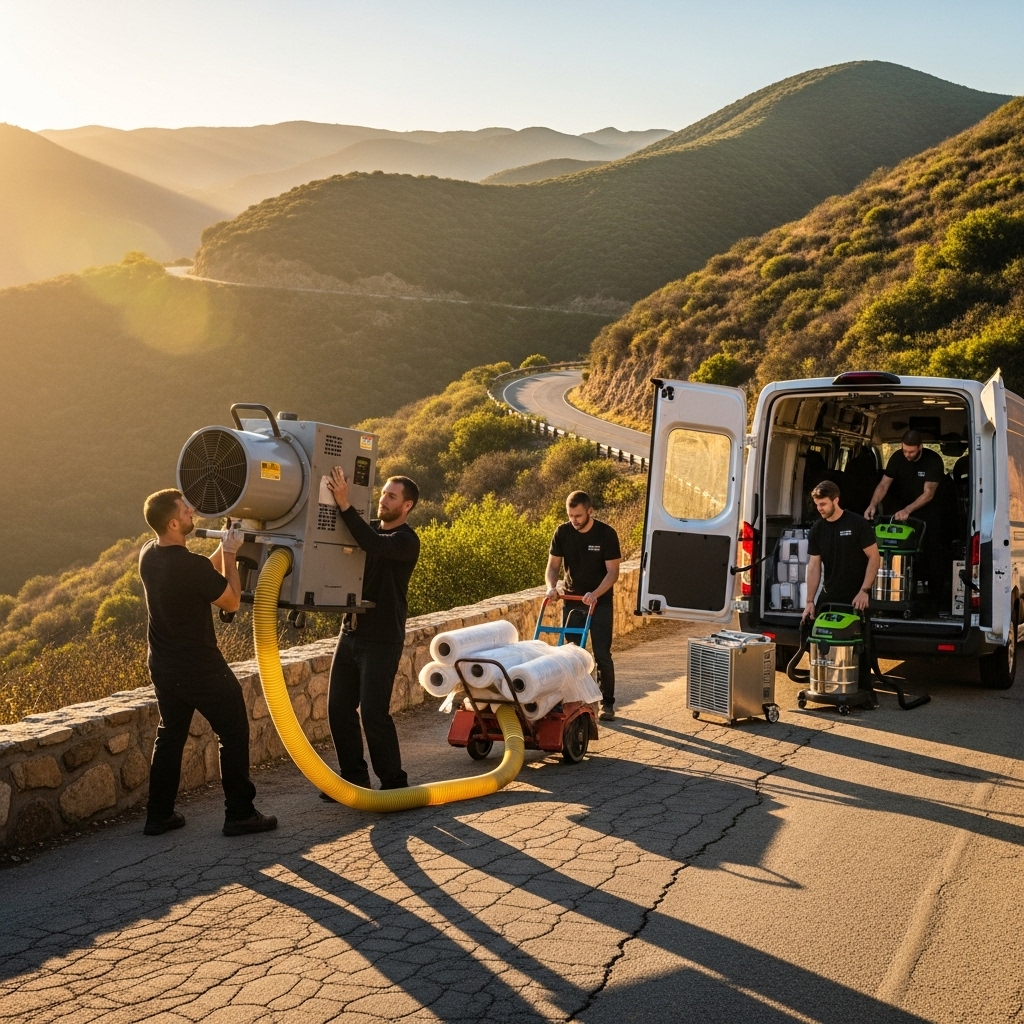
Encino isn’t just nearby; it’s a hub. Equipment depots, vendor relationships, and cross-trained technicians are clustered in ways that give Malibu homeowners a head start when hours matter most. While a map might show mileage, what counts in the wake of smoke and water is a ready queue of negative air machines, HEPA vacuums, air movers, dehumidifiers, and specialty cleaning agents loaded and dispatched with a plan. When that plan anticipates PCH congestion, canyon closures, and rolling power conditions, response becomes reliable rather than hopeful.
The stakes of the first 48 hours
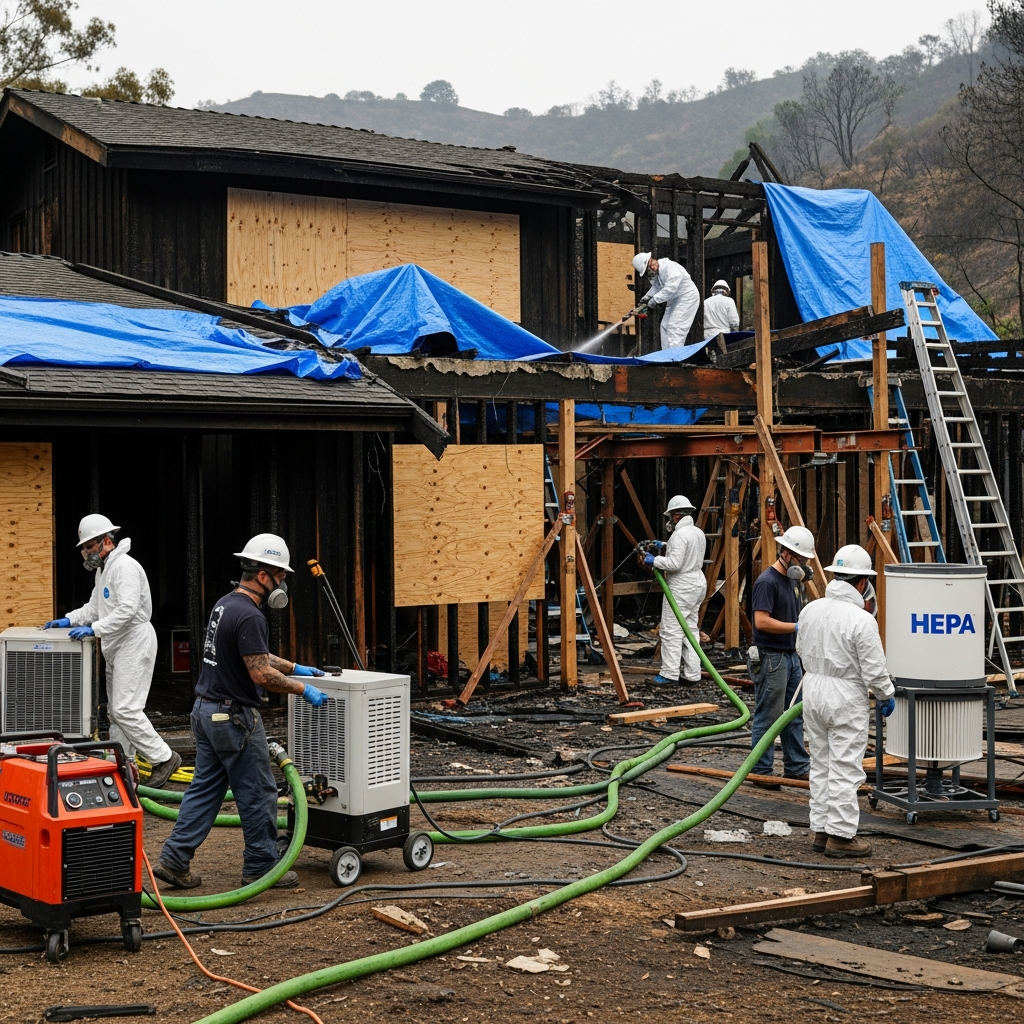
Every minute after a fire, chemistry and physics start reshaping your home. Soot residues—often acidic—begin etching glass and tarnishing metal. Moisture from firefighting can travel invisibly, wicking into baseboards and subfloor assemblies. The first 48 hours are not about perfection, but about preventing a surge of secondary damage. Encino crews accustomed to Malibu’s microclimates know how to triage: stabilize the envelope, stop corrosion on vulnerable surfaces, establish containment, and initiate drying. These early moves protect value while setting the stage for methodical cleanup.
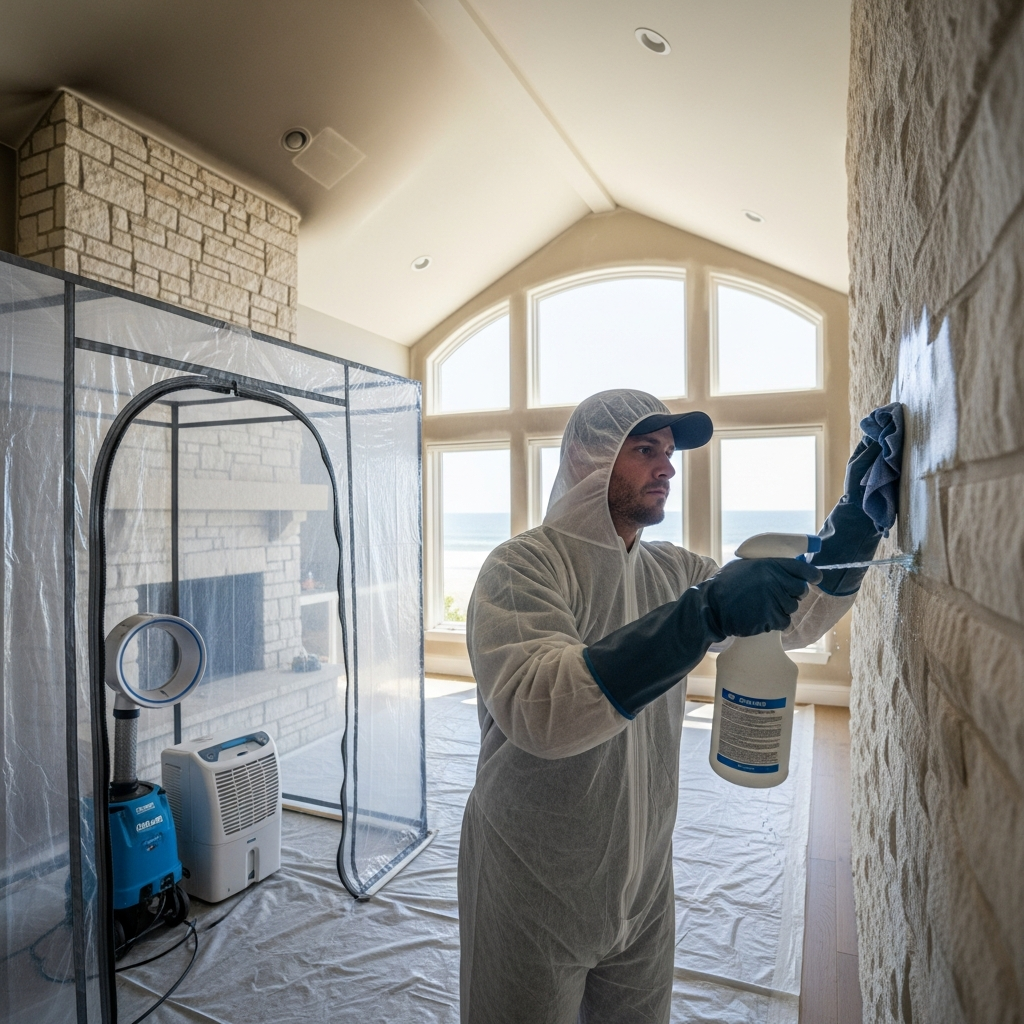
Containment, in particular, is misunderstood. It isn’t just plastic on a doorway; it’s a strategy for preserving clean zones, maintaining negative pressure, and guiding airflow so that the particulate burden decreases rather than spreads. Paired with HEPA filtration, it’s the difference between cleaning once and cleaning twice.
Why “Valley speed” helps on the coast
Encino’s central position means crews can pivot quickly when conditions shift. If a roof tarp requires reinforcement before an evening marine layer rolls in, or if unanticipated water pockets are found during demo, same-day adjustments are feasible because supplies and specialists are close. That responsiveness helps in Malibu, where hillside access and narrow lanes create a premium on well-coordinated staging and minimal disruption to neighbors.
That speed is not rushed; it’s rehearsed. Teams that have run hundreds of similar plays arrive with a sequence, from photo documentation to moisture mapping to priority cleaning of sensitive finishes. Process maturity is what lets a crew move fast without breaking stride.
The Malibu home as an ecosystem
Even in homes that appear lightly affected, smoke can be insidious. It creeps into cabinet cavities, attic insulation, and the tiny gaps around recessed lights. Add the coastal factor—salt air and humidity—and you have a recipe for accelerated corrosion if residues aren’t neutralized quickly. Brass hardware can dim, electronics can degrade, and window tracks can seize. Experienced crews don’t treat cleaning as cosmetic; they treat it as preservation, selecting methods based on material science and the specific residues encountered.
HVAC systems deserve special attention. Running the system before it’s inspected invites odor circulation and particle redistribution. A thorough protocol includes shutting the system down, covering registers during cleaning, HEPA vacuuming static components, and addressing duct interiors with care. Only when the rest of the home is stabilized—and filters are replaced—should the system be restarted. Done properly, the moment you switch it back on should be unremarkable, which is exactly the goal.
Odor control without compromise
There’s a temptation to mask smoke with heavy fragrances. Resist it. Sustainable odor control starts with source removal, then targeted treatments that neutralize compounds rather than bury them. In Malibu, where onshore breezes carry layered scents and homeowners often have sensitivity to additives, low-residue approaches shine. Encino teams experienced with hydroxyl generators and carefully managed ozone applications leverage the technology judiciously, aligned with safe reentry protocols and material compatibility.
Textiles often hold emotional weight—rugs collected over decades, drapes chosen to frame a sunset view. The right approach is to test, not toss. Off-site cleaning in controlled environments allows the structure to progress while soft goods recover under ideal conditions, reducing schedule overlaps and return-to-home delays.
Documentation that aligns with insurers
Another reason Encino matters is the way documentation flows. Clear photo sets, scoped line items, and daily logs presented in standardized formats spare you from playing interpreter between field work and claims. Malibu adjusters familiar with local vendors often appreciate teams that preempt questions with data: moisture readings, equipment run times, and before-and-after evidence. Less friction means more progress.
When structural repairs are needed, the handoff from mitigation to rebuild is smoother with a local network. Schedulers coordinate inspections, material orders, and specialty trades so you aren’t stuck waiting for a single part or permit. The result is momentum—a precious commodity after a disruptive event.
Resilience woven into recovery
The true measure of restoration isn’t just how things look the day the crew leaves; it’s how the home performs in the next season. Experienced teams use the recovery phase to recommend subtle improvements: better sealing around attic penetrations to minimize ember intrusion, upgraded vent screens, or alternative finish systems in high-touch areas for easier maintenance. In Malibu, where weather and terrain test homes year-round, these choices add up.
Neighbors often share intel—what worked, what didn’t, which routes are open, who to call at odd hours. Encino operations that have supported multiple Malibu neighborhoods bring that crowdsourced wisdom to every job. They know which canyon roads back up first, which suppliers stock a specific gasket, and how to stage equipment without clogging a narrow lane.
Midway through the process, many homeowners realize that the value of professional fire damage restoration is as much about advocacy as it is about cleaning. You’re not supposed to know the difference between a protein fire and a dry soot signature, or when to apply alkaline cleaners versus neutral solutions. Your team does, and they translate those decisions into clear next steps so you can focus on family and work.
Health-first, always
Particulates from smoke are small enough to bypass many natural defenses. That’s why containment and HEPA filtration aren’t negotiable—they’re necessary. Teams trained in indoor air quality best practices emphasize source removal, conscientious ventilation, and filter changes that match the home’s use patterns. If sensitivities are present, they’ll opt for low-VOC sealers and cleaning agents, extending air scrubbing a bit longer to ensure comfort when you reoccupy.
Children’s rooms and home offices often receive priority, allowing parts of the home to reopen earlier. This phased approach keeps life moving while full restoration progresses, a practical nod to the way Malibu families actually live.
From chaos to clarity
Fire events are disorienting. The work of a great restoration team is to replace chaos with a sequence: secure, stabilize, clean, verify, rebuild. Each step is explained, documented, and executed with respect for your routines and the surrounding community. In a place where beauty and risk coexist, that sequence is a form of care.
FAQ
Why choose an Encino team for a Malibu home? Proximity, supply access, and deep experience with regional fire behavior combine to reduce response times and improve outcomes. Encino’s hub status means equipment and specialists are close, which matters when hours count.
How quickly should I call after a fire? As soon as the property is safe to access. Early stabilization—board-ups, tarps, and corrosion control—prevents secondary damage and preserves options for restoration instead of replacement.
Will my home ever smell the same? With a complete plan—source removal, detail cleaning, HVAC attention, and targeted odor treatment—yes. Masking agents are avoided in favor of neutralization so the home returns to a clean, natural scent profile.
Do electronics need special handling? Smoke residues and humidity can accelerate corrosion on circuit boards. Technicians often recommend evaluation and, when appropriate, specialized cleaning or replacement to prevent latent failures.
What about my art and heirlooms? High-value items receive priority assessment and may be transported to controlled environments for careful treatment. Documentation and chain-of-custody protocols ensure accountability throughout.
How will restoration affect my neighbors? Experienced teams plan staging thoughtfully, manage noise and parking, and communicate timeline expectations, which is crucial on narrow canyon roads and shared driveways.
When does rebuild begin? Once mitigation is complete and the structure is verified clean and dry, scopes for repairs proceed in coordination with permits and material lead times. A seamless handoff from mitigation to construction helps maintain momentum.
When you’re ready to turn the page with a plan that respects the rhythms of Malibu living, connect with a trusted Encino-based partner. Start by speaking with local fire damage restoration professionals who can mobilize quickly, communicate clearly, and guide your home from first response to final finishes.