When you live along Malibu’s dramatic coastline, fire season is more than a date on the calendar—it’s a rhythm that shapes how we build, breathe, and plan our days. Neighbors talk about red flag warnings over coffee; parents track canyon closures the way others track sports scores. In that reality, the benefits of choosing an Encino-based team for post-fire recovery can feel surprisingly tangible. The Valley may be a short drive away, but the right technicians carry decades of wildfire wisdom in their toolkits, plus the agility that Malibu’s winding topography and coastal microclimates demand. From the first phone call to the final walkthrough, expertly managed fire damage restoration is about speed, precision, and the nuanced choices that keep salt air, soot, and water intrusion from turning a bad day into a long-term problem.
Locals know how quickly conditions can shift. A crisp offshore breeze can become a punishing push of Santa Anas by late afternoon. A small attic ember can translate into a smoky odor signature across the entire living space. That is where an Encino team’s proximity, combined with deep experience on both sides of the hills, makes a difference. The fastest route might be the 101 to Malibu Canyon, or Topanga on a clear day, but an experienced crew doesn’t just drive fast—they mobilize smart, securing board-ups, setting negative air pressure, and prioritizing corrosion control for metals within hours, not days.
The local advantage that travels well
Encino sits in the San Fernando Valley’s crossroads, where logistics genuinely matter. Suppliers stock the deodorizers, HEPA filters, poly sheeting, and specialized cleaners that a Malibu job needs, and those materials are minutes—not hours—away. That supply speed pairs with an understanding of Malibu’s architecture: coastal moderns with steel and glass, canyon cottages with legacy wood, and hillside homes clad in stucco that hides hairline cracks where smoke intrudes. Familiarity with these details helps crews choose techniques that work with, not against, the home’s materials.
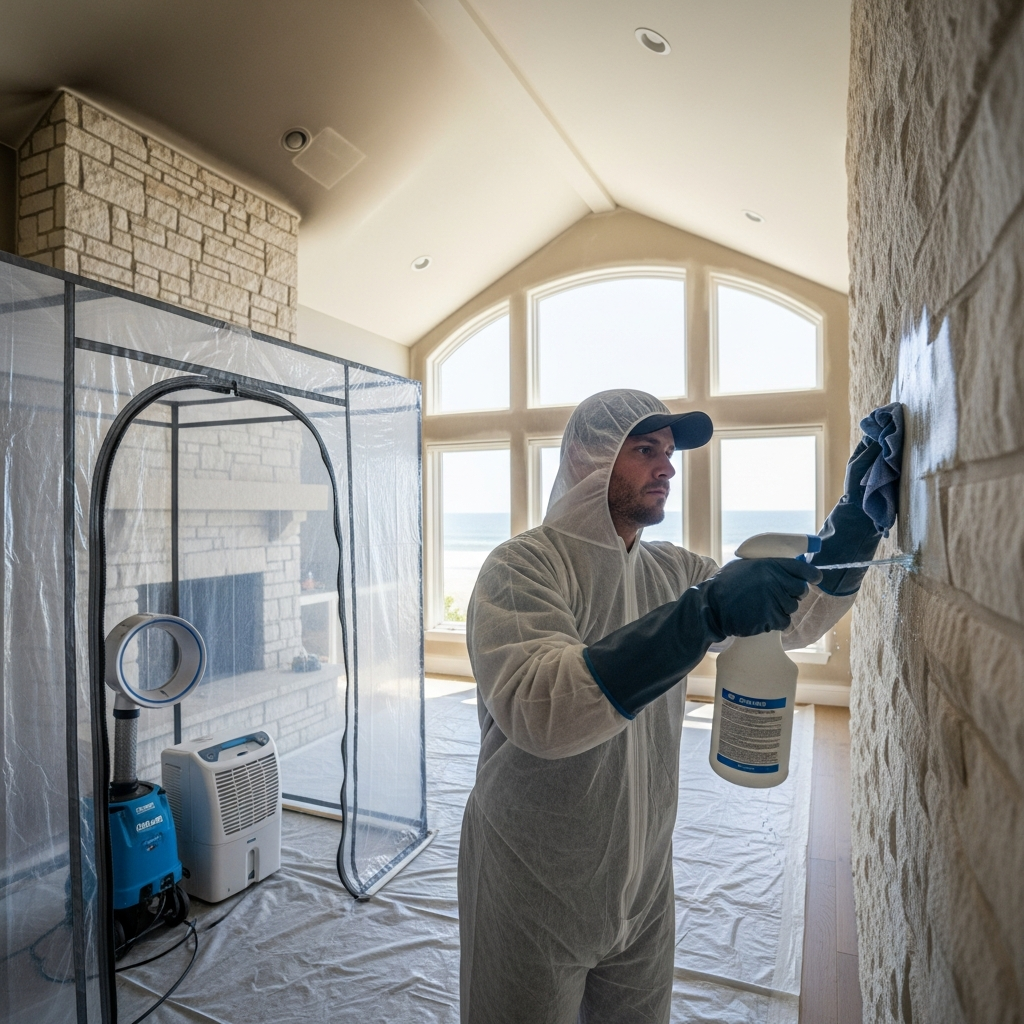
Even the ah-ha moments are regional. Salty marine layers interact with soot residues, accelerating oxidation on fixtures, railings, and appliances. A crew versed in coastal corrosion protocols prioritizes immediate wipe-downs with appropriate neutralizers and follows with protective steps that keep metals from pitting. In practical terms, that means door hardware keeps its sheen, window tracks remain smooth, and stainless maintains the clean lines your builder intended.
Speed married to sequence
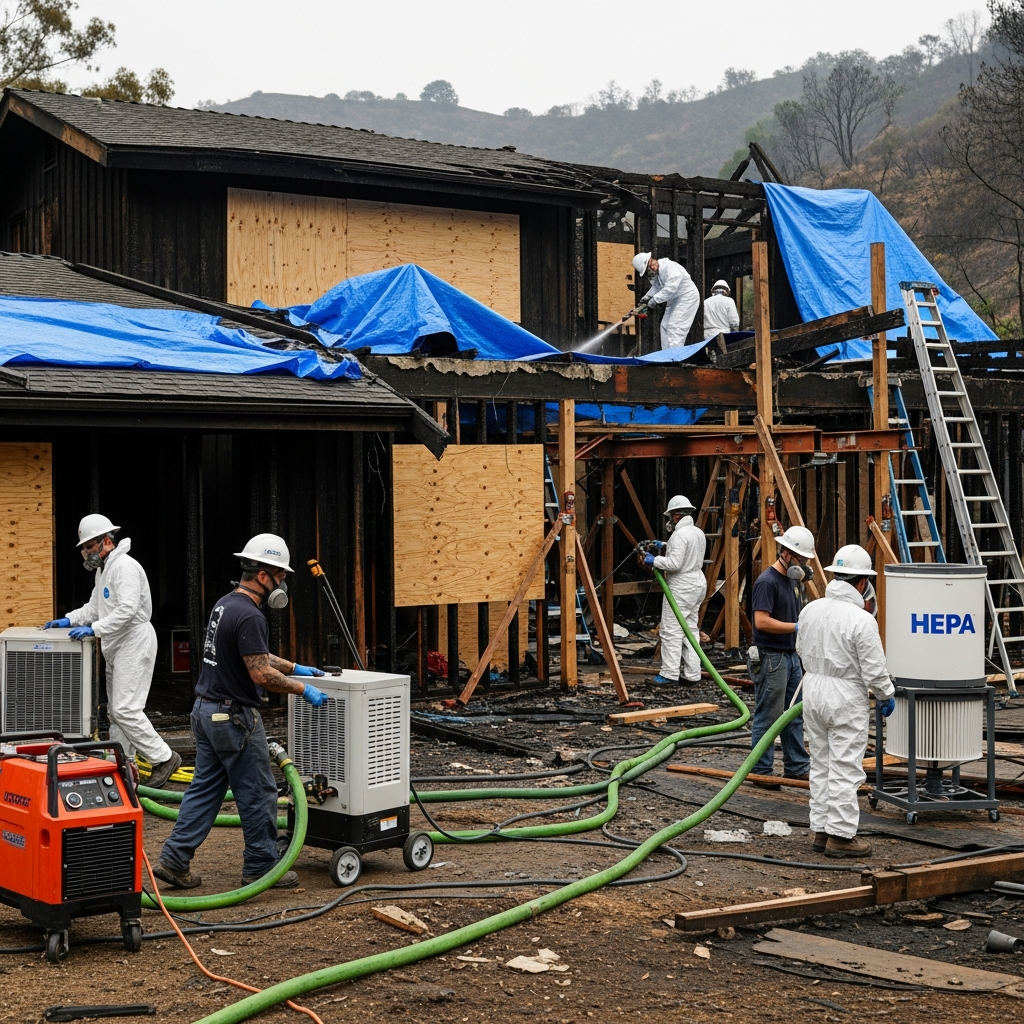
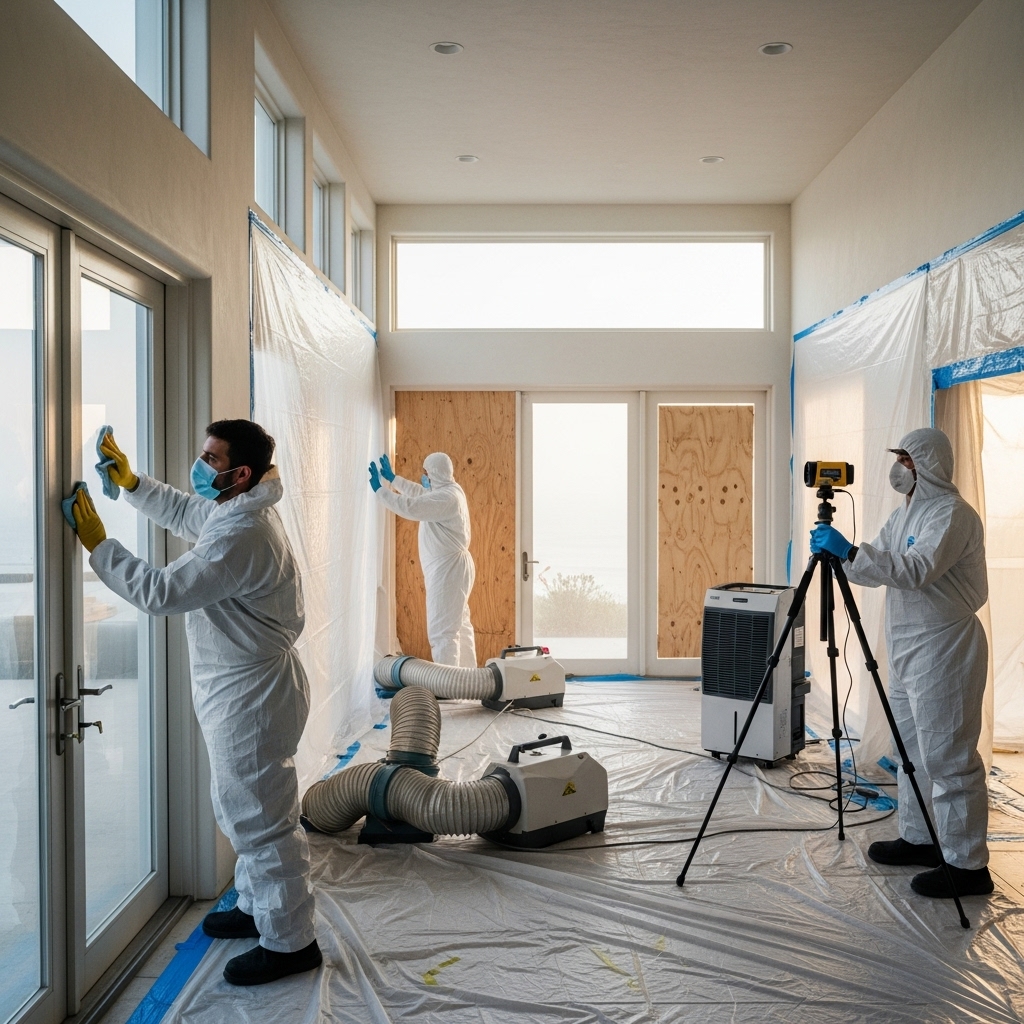
Fire recovery is about doing the right things in the right order. Start with stabilization: board-ups, roof tarps, and a check on utilities. Then comes air management. Negative air machines with HEPA filtration keep particulates from migrating, while containment zones allow work to progress without cross-contamination. Soot removal is not a single pass; it’s a layered approach—dry methods for fragile surfaces, wet cleaning with the correct pH for residues, followed by odor control that respects both indoor air quality and the home’s finishes. The best Encino crews move through this choreography as second nature, saving time in ways that you feel in the first 24 to 72 hours.
That early clock matters most for two reasons. First, acidic soot starts attacking surfaces immediately, turning chrome dull and etching glass if left alone. Second, water from firefighting or burst lines can wick into baseboards and subfloors, setting the stage for hidden moisture pockets. Rapid extraction, targeted dehumidification, and thermal imaging to verify dry standards are not luxuries—they are the difference between a short recovery and lingering complications.
Malibu’s materials and how to care for them
From Broad Beach to the canyons above Carbon, Malibu homes mix textured plaster, reclaimed woods, bespoke tile, and high-performance glazing. Each material tells a story, and each responds differently to heat and smoke. Plaster may hold onto odor longer than expected if micro-cracking occurred. Open-grain wood can trap fine particulates deep in its pores. Natural stone can react unpredictably if cleaned with the wrong solution. An Encino team that routinely works on high-end Valley and Westside properties brings a conservation mindset to Malibu—test wipes, small-area trials, and close coordination with your designer to ensure that cleaning restores rather than strips character.
HVAC systems, often out of sight, deserve center stage in discussion. If smoke passed through the return, ducts and coils can carry odor long after walls look pristine. Proper protocol involves shutting the system down, protecting registers during cleaning, and addressing the air handler and ductwork with a combination of HEPA vacuuming and appropriate treatment. When done well, the first time you switch the system back on should be uneventful—a quiet hum without the slightest whiff of yesterday’s fire.
Odor is chemistry, and chemistry is local
People talk about “that wildfire smell” as if it is one thing, but in truth it’s a cocktail. Resinous chaparral smoke behaves differently than the remnants of a small kitchen fire. Malibu’s brush ecosystem leaves a fingerprint on textiles and paint films, and the coastal humidity affects how those compounds settle. An Encino crew fluent in hydroxyl machines, time-restricted ozone (used judiciously and safely), and vapor-phase odor counteractants can tailor solutions to this chemistry without overwhelming the home with perfumes or leaving residues that trigger sensitivities.
Textiles and soft goods—area rugs, drapery, and upholstered pieces—benefit from a pack-out to a controlled facility. This is where Encino’s warehouse network comes in. Items can be inventoried, cleaned using appropriate methods, and returned once the structure is cleared. It’s not just about odor removal; it’s also about stopping corrosion on metal furniture frames and resetting the psychological comfort of your spaces.
Insurance conversations you actually understand
One overlooked benefit of working with a nearby restoration team is how they translate the process for you and your adjuster. Photos, moisture logs, and scope notes are produced in plain language and backed by standards the industry recognizes. When local teams collaborate frequently with Malibu-based adjusters and inspectors, expectations align. The outcome is fewer surprises and a smoother path from emergency work to repairs.
Permits and inspections can also come into play, especially when structural elements are involved. While emergency mitigation focuses on safety and stabilization, the transition into rebuild often touches Malibu’s permitting process. Encino-based project managers who have shepherded similar projects in the city know how to stage work so you’re not waiting on one signature to move forward.
Community-minded resilience
After a fire, the relief of seeing your home secured is matched only by the need to feel normal again. Crews that have served our region through multiple wildfire seasons understand the emotional landscape as well as the technical one. They arrive with empathy and practical advice: how to protect children’s rooms from cross-traffic during cleaning, which heirlooms to triage first, and what to expect from the first 48 hours through the first two weeks. The process becomes something navigable rather than chaotic.
Beyond the property line, good restoration work reduces neighborhood stress. Clearing debris, securing tarps properly, and managing staging areas means fewer nuisances for neighbors on narrow canyon streets. In Malibu, where community ties are strong, that matters.
In the middle of this journey, homeowners often rediscover the value of experienced fire damage restoration as a partner rather than a transaction. When experts guide you through choices—what to clean, what to replace, what to monitor—you spend less energy second-guessing and more energy getting life back on track. The work becomes a roadmap with clear milestones instead of a maze.
Health-forward indoor air
Restoration is as much about what you smell as what you breathe. Fine particulates can irritate airways and linger in crevices you wouldn’t think to check—behind toe kicks, inside cabinet cavities, and in attic insulation. Encino crews trained in IAQ best practices approach the home as a living system. They combine source removal with ventilation strategies and filtration improvements so that when you reoccupy, the air feels as clean as the surfaces look.
For families with sensitivities, the plan may include more time under negative air, additional filter changes, or targeted sealers chosen for low-VOC performance. Small, smart adjustments like these are often what transform a technical success into a lived-in comfort.
From mitigation to meaningful rebuild
There’s a point in every project where drying logs give way to finish schedules. The benefit of a seasoned Encino operation is continuity between phases. The same project manager who coordinated soot removal can brief the rebuild team on what materials performed well and which details need a rethink. Maybe that’s a better soffit vent configuration to reduce ember intrusion, or a paint system with improved cleanability in a high-traffic mudroom. These choices are subtle, yet together they elevate resilience for the next season.
Local artisans and trades—cabinetmakers, stone fabricators, and metalworkers—often collaborate on Malibu projects. An Encino hub provides access to that bench of talent, with realistic lead times and quality control that respects the architectural character of your home.
Preparedness layered into the finish
The story doesn’t end when the last air scrubber is loaded onto a truck. Homeowners who come through fire events often embrace small upgrades with outsized impact: ember-resistant vents, improved attic access panels, and thoughtfully sealed penetrations around utilities. These aren’t dramatic changes, but they work in concert with defensible space outside and smart material choices inside to create a home that’s easier to maintain and faster to recover the next time smoke drifts across the horizon.
Even in a place as beautiful and complex as Malibu, recovery can be a catalyst for betterment. And when your team is close enough to drop in for a next-day check or a quick tune of the HVAC after duct cleaning, the benefits compound.
FAQ
How fast should mitigation begin after a fire? The first 24 to 48 hours are critical. Securing the structure, stabilizing utilities, and starting corrosion control and drying helps prevent secondary damage that can complicate recovery. Encino-based teams can typically arrive quickly, even with canyon or PCH delays, because they plan around regional traffic patterns and keep equipment staged nearby.
Will smoke odors ever fully leave my home? Yes, when cleanup follows a comprehensive plan. That includes source removal, detail cleaning, HVAC attention, and appropriate odor treatment. Odor isn’t masked; it’s neutralized at a molecular level. The right process restores a neutral, clean indoor environment without heavy fragrances.
Do I need to replace all of my soft goods? Not necessarily. Many textiles can be cleaned effectively off-site with controlled methods. A careful inspection and testing phase helps determine what’s salvageable. Sentimental items often receive specialized attention to balance preservation with practicality.
What makes Malibu fire recovery unique? The interaction of coastal humidity, salt air, and canyon winds creates distinct residue patterns and corrosion risks. Add hillside access, variable power restoration, and architectural diversity, and you have a puzzle that benefits from a local, experienced approach.
How is indoor air quality verified? Teams use a combination of visual inspections, particle counts, and odor assessments, paired with verification that HVAC systems, ductwork, and filtration are addressed. Thermal imaging and moisture meters confirm that drying reached targets, which indirectly supports clean air outcomes by preventing hidden damp spots.
Will I work with one point of contact? The best experiences come from a single project manager who coordinates mitigation and rebuild, provides regular updates, and aligns with your insurer, trades, and schedule. That continuity preserves context and reduces miscommunication.
What happens if we discover hidden issues during cleaning? Transparent change orders and updated scopes keep the project on track. Local teams are used to adjusting plans when opening a wall reveals unexpected conditions, and they’ll communicate options clearly so you stay in control of decisions.
When you’re ready to move from uncertainty to progress, choose a team that understands Malibu’s terrain and the Valley’s pace. For a clear plan, rapid response, and craftsmanship that respects your home, reach out to professionals who live this work every season. Start your conversation today with trusted fire damage restoration specialists who can be at your door quickly and guide you from the first assessment to the final handoff.