In Malibu, the phrase “qualified professional” carries real weight. When fire touches a home, the team you invite inside must do more than clean what you can see; they must protect the health of the structure and the people living there. That is why certification and proper licensing matter. The science of smoke behavior, the chemistry of cleaning, the physics of structural drying—these disciplines come together under standards that guide responsible practice. As you explore options, it’s useful to understand which credentials signal real expertise and how they apply in Malibu’s coastal, hillside environment. If you’re beginning your research, start with the fundamentals of fire damage restoration and the qualifications that indicate a company is prepared to do the job right.
Certification is not a one-time card; it’s a commitment to ongoing education. Materials change, building codes evolve, and new equipment arrives every year. Malibu presents added complexity: salt air that can accelerate corrosion, homes with custom finishes that require delicate handling, and access challenges that demand careful planning. A company grounded in current standards is better prepared to anticipate these variables and sequence work to protect both structure and indoor air quality.
Core Industry Certifications
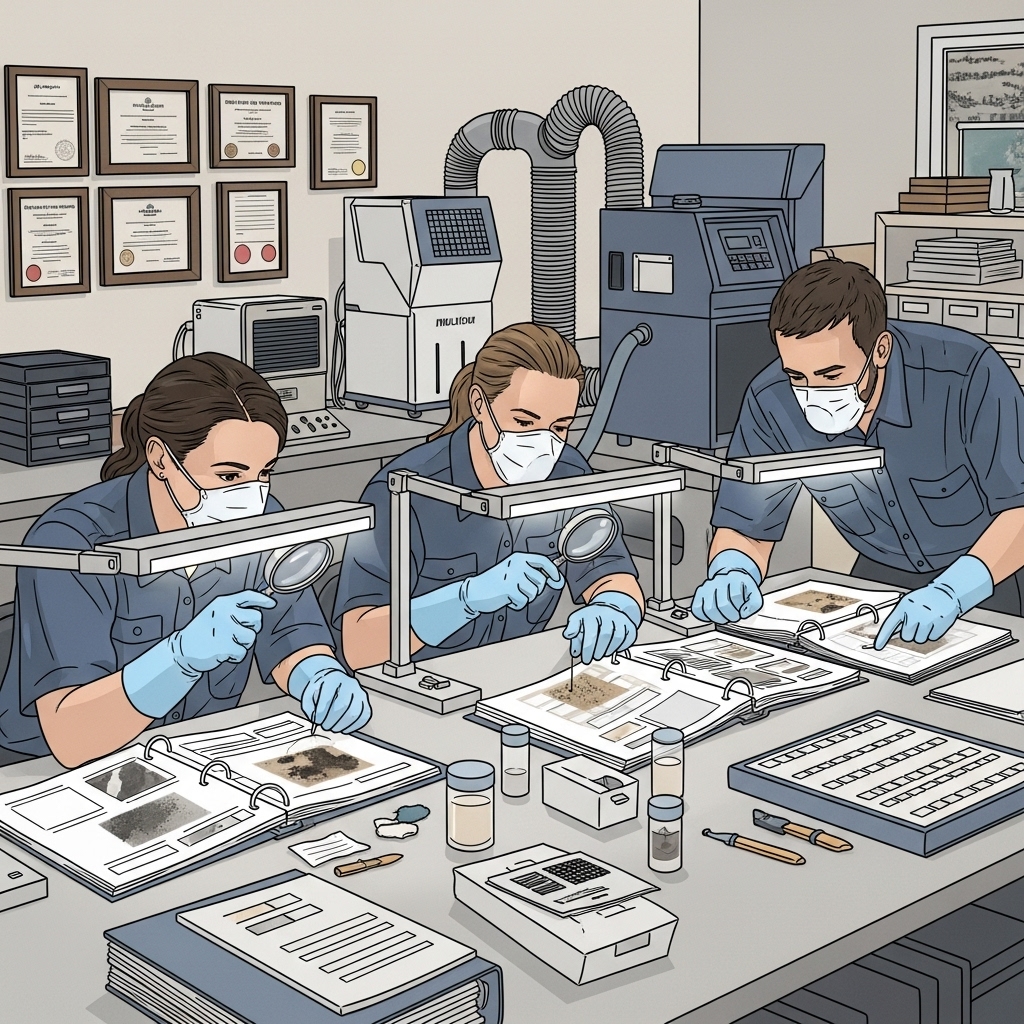
Within the restoration field, several widely recognized training tracks focus directly on smoke, odor, and building recovery. Technicians often pursue instruction that addresses the chemistry of residues, material testing, and method selection for everything from drywall to natural stone. Programs dedicated to smoke and soot teach how different fires—protein, plastic, wood—produce distinct residues that demand tailored cleaning strategies. Complementary training in odor control and water mitigation rounds out the skill set needed for complex projects, where firefighting water intersects with heat and smoke exposure.
Water mitigation training is especially relevant in Malibu. It covers moisture mapping, drying science, and verification through measurement. A strong understanding of how to establish dry standards and document progress helps prevent secondary issues and underpins a clean, efficient rebuild. Together, these certifications equip teams to approach fire restoration holistically rather than as a series of disconnected tasks.
Licensing and Regulatory Considerations in California
Beyond technical certifications, companies performing structural repairs in California operate under state and local regulations. A properly licensed contractor understands how to coordinate permits, schedule inspections, and complete work that meets code. Malibu’s permitting requirements and the region’s environmental sensitivities call for thorough documentation and responsible jobsite management. Licensed firms also carry appropriate insurance and have systems for worker safety—both critical in post-fire environments where hazards can include compromised structures, electrical issues, and airborne particulates.
Projects in older homes or buildings may require additional oversight for lead-based paint or asbestos-containing materials. Trained professionals know how to test, contain, and handle these hazards in accordance with regulations. They also understand when to involve specialized abatement contractors so that restoration can proceed safely and legally.
Why Credentials Matter for Malibu Homes
Malibu’s coastal climate and topography present unique risks. Soot residues are acidic; add salt air and moisture, and you have a recipe for corrosion on metals and mechanical systems. Certified technicians are trained to identify and neutralize these threats early. Homes with custom woodwork, high-end finishes, and integrated mechanicals demand nuanced decisions about what can be salvaged versus replaced. Trained professionals bring method and measurement to these choices, justifying recommendations with data rather than guesswork.
Communication is part of competence. Credentialed teams are practiced in presenting scopes that insurers understand, with supporting photos, readings, and rationales. This clarity shortens review cycles and reduces friction, keeping your project moving from emergency stabilization to final completion.
Key Competencies to Look For
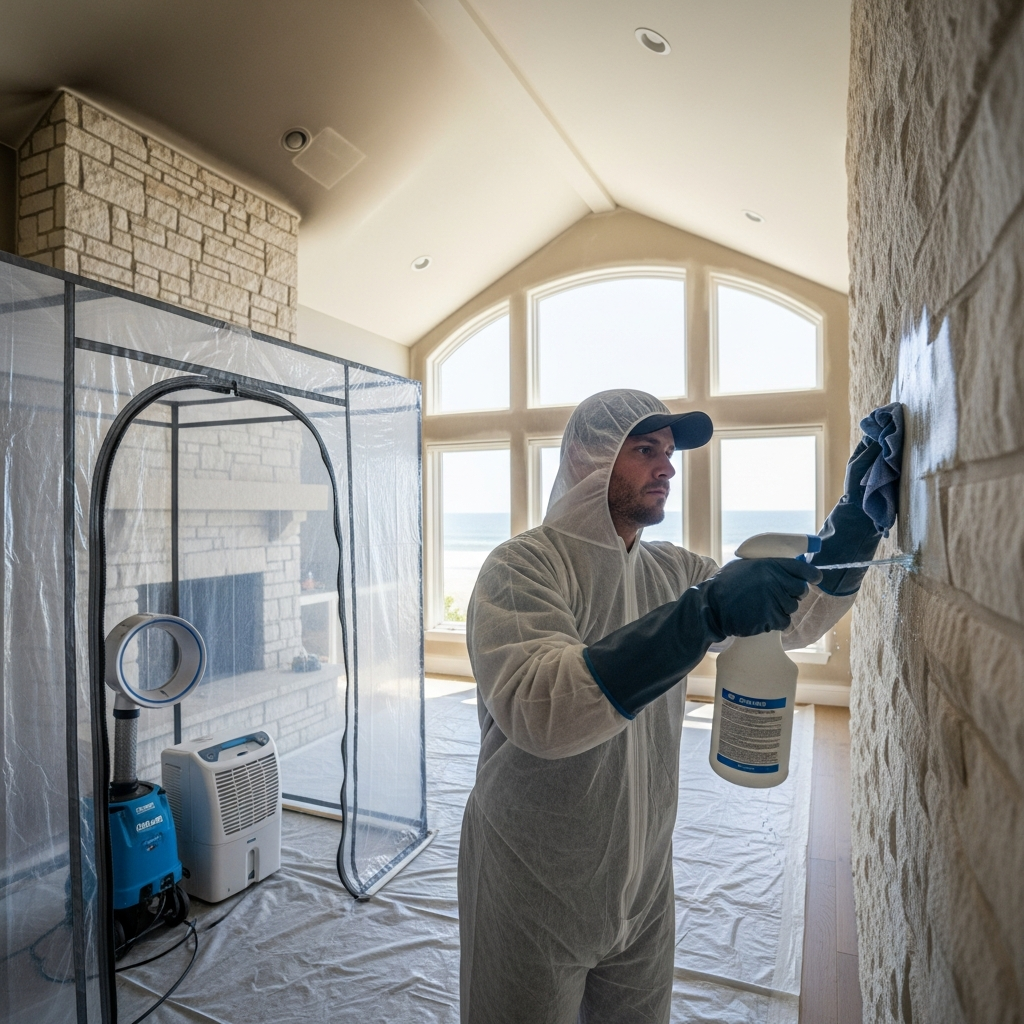
Technical skill shows up in the field as clean containment, efficient airflow management, careful removal of non-salvage materials, and meticulous cleaning. Odor control begins with source removal, followed by treatments appropriate to the residue type and material. Structural drying is verified by readings, and unaffected areas are protected from cross-contamination. Malibu’s homes, with their mix of stone, hardwood, glass, and metal, require teams that can adapt methods to material tolerance without compromising results.
Another sign of professionalism is documentation. Detailed inventories of contents, moisture maps, and daily logs of progress become the backbone of communication with insurers and inspectors. When you review a contractor’s proposal, look for these elements—they signal an organized, accountable process that respects your home and your time.
Training, Safety, and Ongoing Education
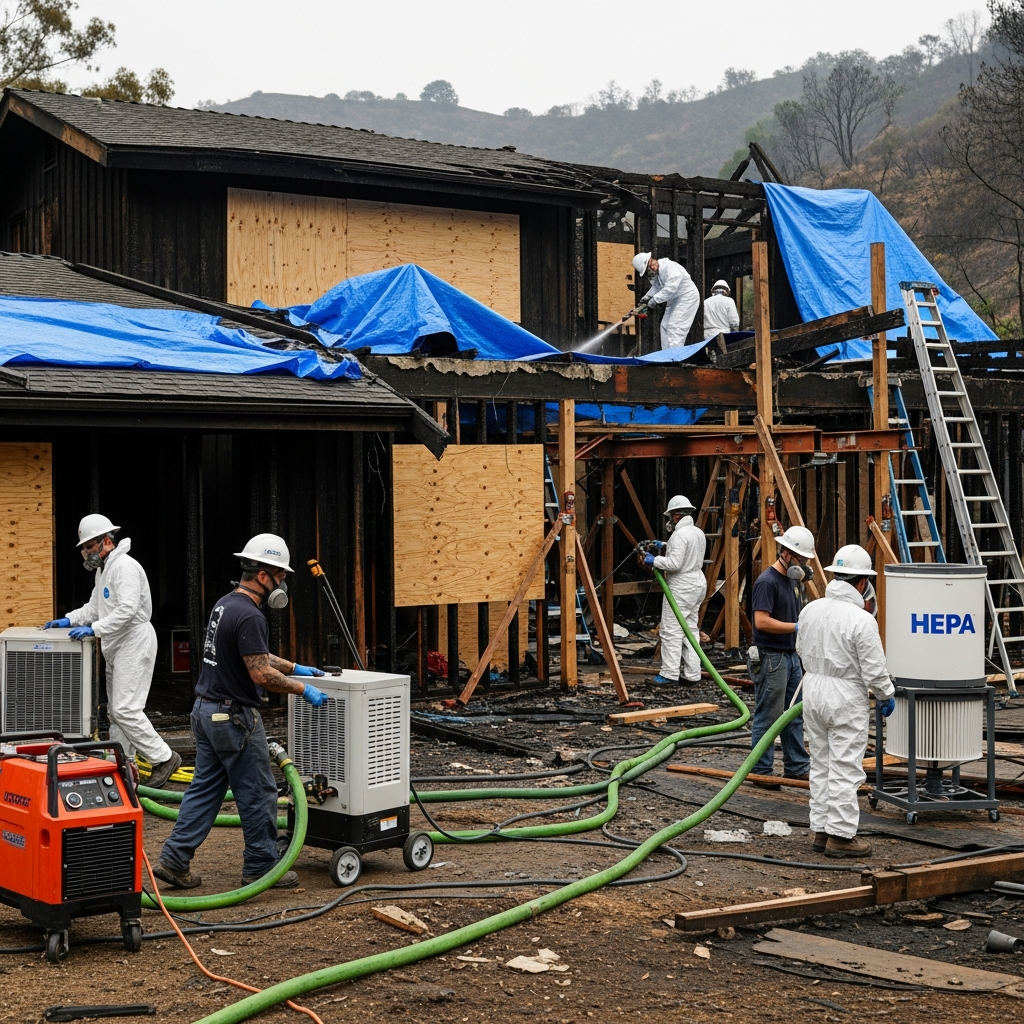
Safety culture is inseparable from quality. Post-fire environments involve sharp debris, compromised structures, and fine particulates. Teams trained in site safety use personal protective equipment, shoring where needed, and HEPA filtration to protect both workers and occupants. They recognize when specialized testing is necessary and coordinate with third parties for clearance when required. Ongoing education keeps this knowledge fresh, and companies committed to training invest in their teams so best practices become everyday habits.
In a coastal community like Malibu, education extends to understanding microclimates and material behavior. For example, how quickly certain woods cup or crown when exposed to moisture, or how metals interact with airborne salts after a heat event. Certified professionals translate these insights into practical decisions on site, from pace of drying to the selection of cleaning agents.
Evaluating a Restoration Company’s Qualifications
When you speak with potential providers, ask them to describe projects similar to yours in Malibu—homes with ocean exposure, hillside access, or complex finishes. Invite them to explain how they document smoke pathways, verify drying, and protect unaffected areas. Listen for specifics rather than generalities. A qualified team is comfortable discussing their process and explaining the “why” behind each step. They will also outline how they coordinate with local permitting and inspections to keep work compliant and on schedule.
As you review proposals, remember the heart of fire damage restoration: restore what can be saved, replace what cannot, and protect indoor environmental quality at every turn. Credentials exist to support that mission, turning technical knowledge into consistent, reliable results.
Frequently Asked Questions
Do I really need a certified professional for a smaller fire?
Even small fires can produce complex residues and hidden moisture. Certified professionals recognize these patterns and apply methods that prevent lingering odors or secondary damage, giving you confidence in the outcome.
What’s the difference between certification and licensing?
Certification reflects technical education in restoration practices, while licensing authorizes a contractor to perform regulated repairs under state and local laws. The best companies have both, ensuring competence and compliance.
How can I verify a company’s qualifications?
Ask for documentation of training and licensing, and request examples of similar projects. Reputable firms provide references and explain their process, including how they verify cleaning, deodorization, and drying.
Will certified technicians coordinate with my insurer?
Yes. Experienced teams communicate in the formats insurers expect, providing photos, readings, and clear scopes to support recommendations and approvals.
Why is ongoing education important?
Materials, codes, and techniques evolve. Ongoing education ensures that technicians apply current best practices, improving efficiency, safety, and long-term results for your home.
If you want a restoration partner whose credentials reflect real-world competence in Malibu’s unique environment, look for a licensed, well-trained team that explains their process clearly and documents every step. For guidance rooted in standards and supported by careful execution, connect with specialists in fire damage restoration. With the right professionals, your home’s recovery will be thorough, measured, and built to last.