Emergencies do not wait for daylight or clear schedules, and in Malibu, fire events often unfold against the backdrop of wind, steep terrain, and limited access. When the flames are out and the fire department releases the scene, minutes matter. Water saturates framing, smoke settles into porous surfaces, and unsecured openings expose your property to weather and intrusion. In this delicate window, having an emergency response team ready to stabilize, document, and protect your home makes all the difference. If you are beginning to research what happens next, start by understanding the pillars of effective fire damage restoration so you know what to expect in the first hours and days.
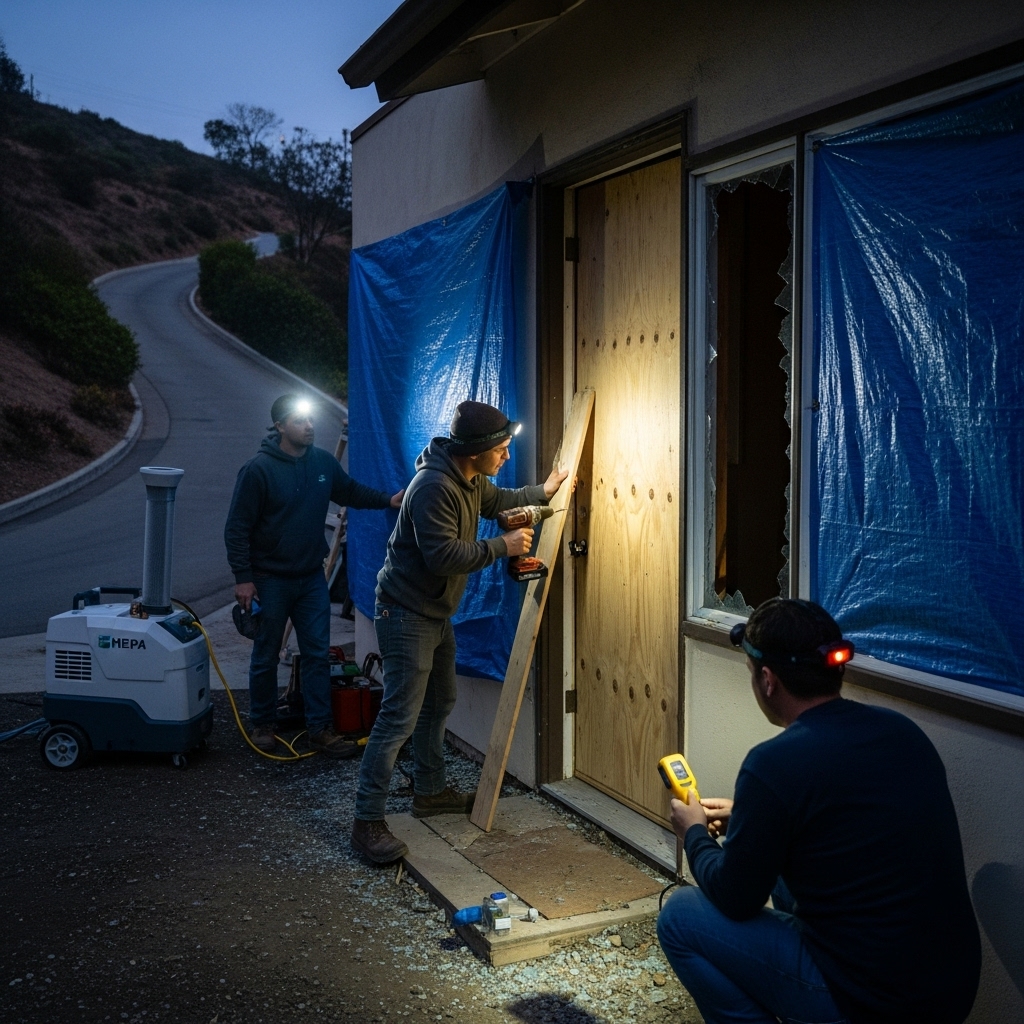
Local expertise is invaluable here. Malibu’s coastal air, canyon winds, and hillside neighborhoods create unique challenges for emergency stabilization. Responders must coordinate access routes, set up safe staging, and establish containment quickly—often after dark or in difficult weather. A seasoned emergency team arrives with the right materials for board-up, shoring, and weatherproofing, along with the tools to assess structural safety. They do not guess about hazards; they test for electrical risks, gas leaks, and structural compromise, and they proceed with a plan that protects both the property and the people working on it.
The First 24 Hours: Stabilize, Document, Mitigate
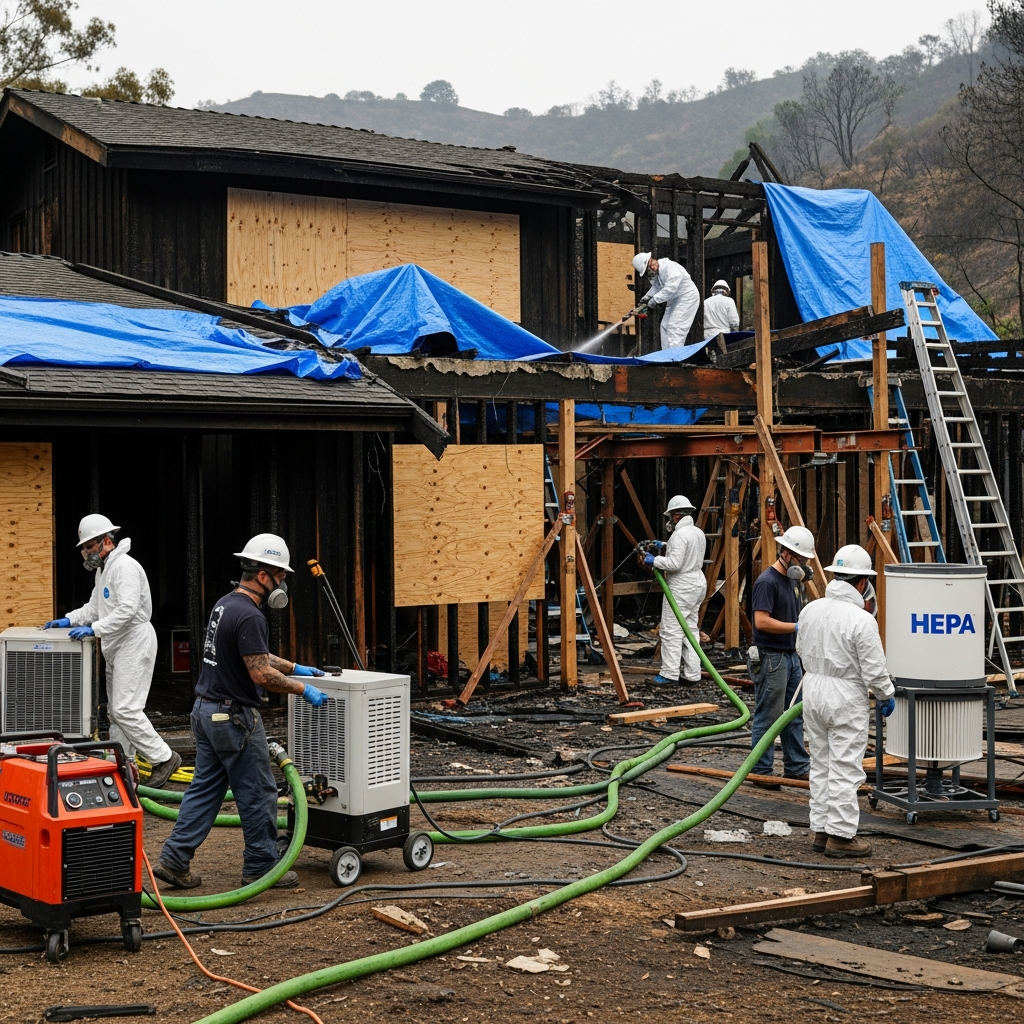
Emergency restoration begins with securing the structure. Openings are boarded, damaged doors and windows are made safe, and roof penetrations are tarped to prevent water intrusion. Inside, standing water is extracted rapidly, and saturated materials are evaluated to determine what can be dried in place and what must be removed. The team deploys dehumidifiers and air movers strategically, using moisture meters to track progress. This early moisture control is crucial, as it reduces swelling, delamination, and the risk of microbial growth.
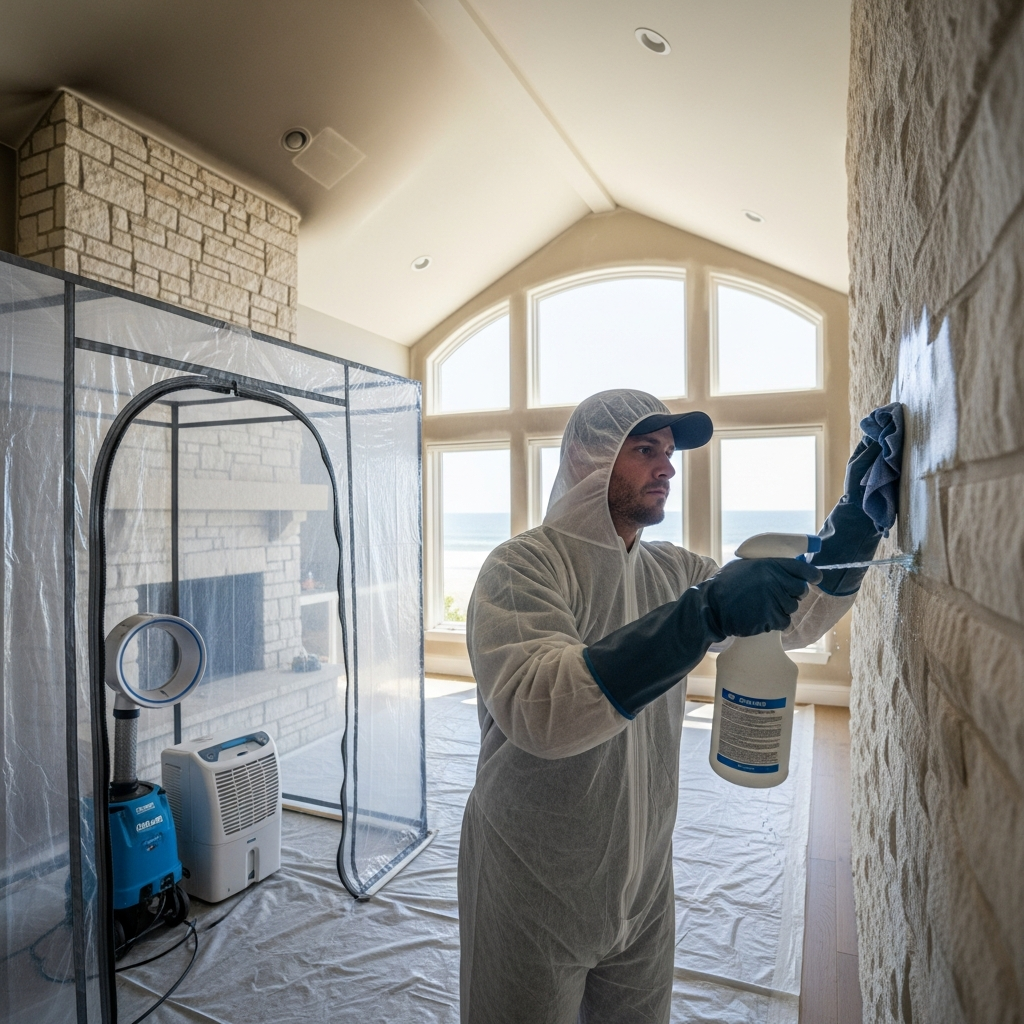
Simultaneously, a thorough documentation process gets underway. Photos, measurements, and notes capture the conditions of both structure and contents. Soot patterns are mapped, and air filtration devices with HEPA filters begin capturing particulates. Containment is set to prevent cross-contamination into areas that survived the fire without direct damage. This is the foundation of a well-run project, because a clean boundary today prevents bigger problems tomorrow.
Understanding Smoke and Soot in an Emergency Context
Smoke is dynamic. Hot, fast-moving smoke behaves differently from the cooler, slow-moving residues often seen far from the source. Protein fires in kitchens produce thin, odorous films that seem invisible but are tenacious on painted surfaces and cabinetry. Plastic and synthetic materials create oily soot that smears and requires specialized cleaning chemistry. In Malibu, where many homes have open floor plans, high ceilings, and mechanical systems that recirculate air, smoke can distribute quickly and widely. Emergency teams anticipate this behavior and begin controlling airflow with negative pressure and filtration to keep soot from spreading as work begins.
Beyond surfaces, HVAC systems are a critical focus. If the system was running during the event, ductwork may carry soot to distant rooms. Emergency professionals evaluate whether sealing registers, replacing filters, or isolating, cleaning, and treating the system is necessary to prevent recontamination.
Coordination With Insurers and Officials
In an emergency, clear communication matters as much as tools and trucks. A qualified team will brief you on the immediate plan, outline safety considerations, and begin the documentation your insurer needs. Malibu’s regulatory environment can require special attention to permits and inspections, particularly for structural repairs following the emergency phase. Experienced teams know when to involve local authorities and how to keep the project moving while staying compliant.
For many families, the emotional side of restoration is significant. An emergency crew that respects your space, secures valuables, and explains next steps helps restore a sense of control. Contents may be packed out and moved to a climate-controlled facility for cleaning and storage, with detailed inventory so nothing is lost in the transition.
From Emergency to Full Restoration
Once the property is stable and dry-out is underway, the project transitions into detailed cleaning, selective demolition, deodorization, and rebuild. This is where the discipline of fire damage restoration becomes visible: choosing the right cleaning methods for different residues, containing work areas, and verifying results. Licensed professionals will differentiate between materials that can be salvaged and those that must be replaced for safety or hygiene. They will also work to repair or refinish prized elements such as hardwood, stone, and custom millwork whenever feasible.
Timelines vary by scope. A small kitchen incident may move quickly, while a larger event with structural repairs requires a phased approach. The best teams balance speed with thoroughness, avoiding shortcuts that invite future problems. Expect regular progress updates and a clear schedule for inspections and milestones.
Health, Safety, and Indoor Air Quality
Emergency conditions can be stressful, but the core objective is always the same: protect health. Technicians use personal protective equipment, HEPA-filtered air scrubbers, and containment to manage particulates. Materials affected by combustion byproducts are addressed systematically, and odors are neutralized through source removal first, followed by professional deodorization techniques as needed. The goal is a home that feels clean and safe, not merely one that looks recovered.
In Malibu’s coastal environment, special attention is paid to potential corrosion on metals exposed to water and salt air, especially after high heat. Appliances, fixtures, and mechanical components are inspected to prevent premature failure. These details add up to dependable results long after the project is over.
Frequently Asked Questions
How fast can an emergency team arrive in Malibu?
Response times vary with conditions, but reputable providers structure their schedules to mobilize rapidly. The first priority is to stabilize the property, control moisture and soot, and secure the site.
Should I turn on my HVAC after a fire?
It’s best to wait for professional guidance. Running the system can spread soot and odors. Technicians will advise on cleaning, sealing registers, and when it’s safe to operate again.
What should I do with wet items right after the fire?
If it is safe, separate wet textiles and keep them cool and ventilated. Avoid bagging them in plastic, which can trap moisture. An emergency crew will assess, inventory, and determine the best path for cleaning and drying.
Can I stay in my home during emergency work?
It depends on the damage and safety considerations. With containment and air filtration, some areas may remain livable, but your team will advise if temporary relocation is safer or more comfortable.
How do I know what can be saved?
Experienced professionals evaluate materials based on safety, cleanability, and long-term performance. They will explain their reasoning and provide options so you can make informed decisions.
When every minute counts, lean on a team that understands Malibu and acts decisively. If you want a clear plan, careful documentation, and technicians trained to protect your home and health from day one, reach out to experts in fire damage restoration. Swift action today sets the stage for a cleaner, safer, faster recovery.