When a fire touches a home in Malibu, the experience is as emotional as it is technical. From the first look at charred beams to the last pass of deodorization, every choice you make impacts your family’s comfort, your property’s safety, and the long-term health of your home. That is why licensed fire restoration professionals matter here more than anywhere. Malibu’s coastal microclimates, hillside access, and local regulations call for specialists who can manage complexity with calm and clarity. In those early hours after a blaze, you want a team trained to stabilize, document, and communicate—people who can put a plan into action quickly and keep you informed at every step. If you’re exploring your options, it helps to understand what licensing truly means and how it translates to diligent, code-compliant work on your property. And if you’re beginning to gather resources, you’ll likely find yourself reading about fire damage restoration and the standards local companies follow to do the job right.
Living and working in Malibu creates a unique perspective on restoration. We see homes built into canyons, ocean-view properties exposed to salt air, and neighborhoods served by winding roads that can complicate access. We also understand how wildfire seasons, Santa Ana winds, and local construction trends affect how smoke moves, where soot hides, and which materials respond best to treatment. Licensed restoration companies in this area typically carry the permits, insurance, and training needed to navigate both the science of fire recovery and the logistics of working in Malibu. That includes coordinating with city officials, documenting for insurers, and sequencing trades so your project moves smoothly from emergency work to final finishes.
What Licensing Means for Malibu Homeowners
Licensing is more than a certificate on a wall; it represents an obligation to do the work safely and within the requirements of California and Los Angeles County. A properly licensed restoration contractor understands building codes, health and safety protocols, and the documentation standards expected by insurers. In practice, that means your project will be planned before it’s performed, with a written scope that identifies structural concerns, smoke contamination pathways, and any hazards such as compromised electrical systems or damaged gas lines. It also means the contractor has the authority to coordinate necessary permits and inspections so that repairs are verifiable and permanent, not just cosmetic.
Malibu homes often feature complex assemblies: open timber framing, custom cabinetry, high-efficiency HVAC systems, and premium floor finishes. Licensed professionals are trained to evaluate how heat, smoke, and firefighting water interacted with those materials. They test, measure, and record conditions rather than guessing. This data-driven approach helps avoid secondary damage like corrosion, mold growth, and persistent odors. And because the work is documented properly, your insurer and local officials can see how decisions were made, which expedites approvals and prevents delays.
The Restoration Process, Step by Step
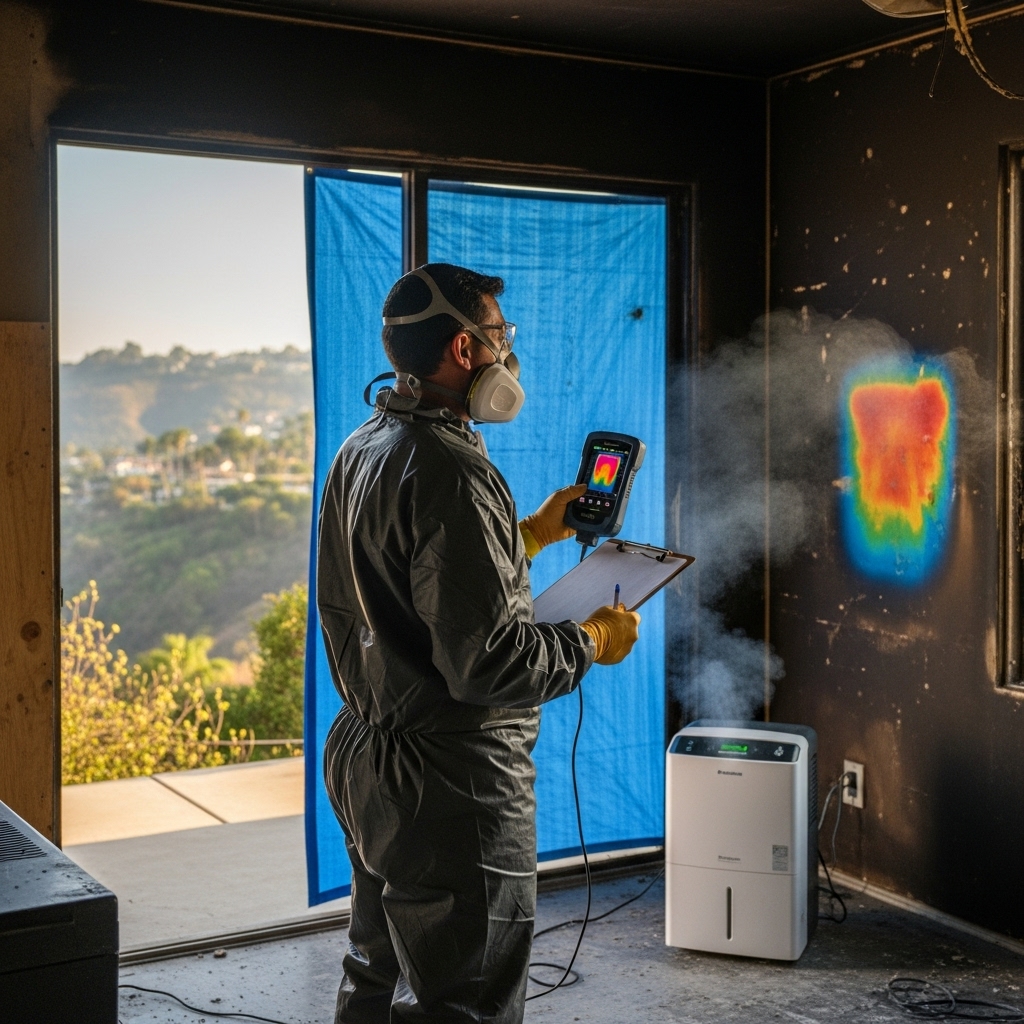
After the property is safe to enter, a thorough assessment begins. Structural elements are checked for charring and loss of integrity. The site is stabilized with board-up or temporary shoring if required, and hazards are mitigated. From there, licensed teams map where smoke traveled, using both visual evidence and instruments to determine soot deposition. They consider airflows created during the fire and by ventilation after the event, paying close attention to attics, crawl spaces, and wall cavities. Cleanable items are separated from non-salvage, and contents are cataloged for pack-out and treatment. This keeps your belongings protected and organized during the phases of demolition, cleaning, and rebuild.
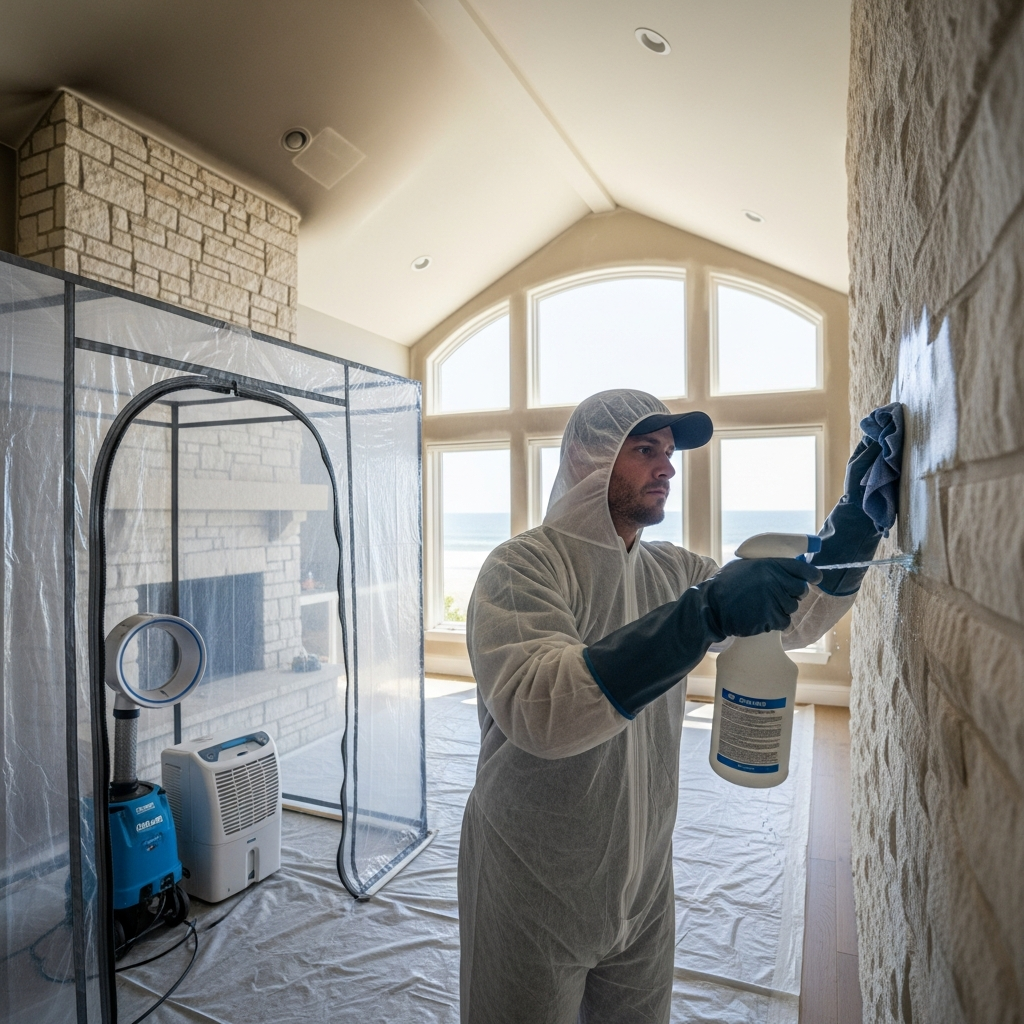
Cleaning is not a single method; it’s a series of material-specific strategies. Light soot on painted walls may respond to dry sponging, while protein residues in kitchens require a very different chemistry. Porous and non-porous surfaces are treated according to their tolerance, with HEPA filtration and negative air used to control particulates. HVAC systems are addressed so they don’t reintroduce odor and soot after the work is complete. Finally, deodorization combines source removal, thermal fogging or vapor treatments, and real ventilation to neutralize smells rather than mask them.
Working With Insurers and Local Authorities
Licensed companies understand the language of claims. They produce photos, measurements, moisture and air-quality readings, and transparent scopes that align with the way adjusters evaluate recovery. This isn’t just paperwork—it’s the architecture of your project. When the facts are clear, the path forward is clear. Malibu’s permitting environment also rewards preparation, and licensed contractors know when to engage inspectors and how to demonstrate that repairs meet code. This keeps your project accountable while minimizing surprises.
Communication is a hallmark of quality restoration. You should expect regular updates, an accessible project manager, and straightforward explanations about what’s happening and why. Good companies will tell you what can be saved, what cannot, and how they’ll protect untouched areas while work progresses. In Malibu, where privacy and security matter, they’ll also coordinate access carefully and respect neighborhood considerations like limited parking and quiet hours.
Health, Safety, and the Coastal Environment
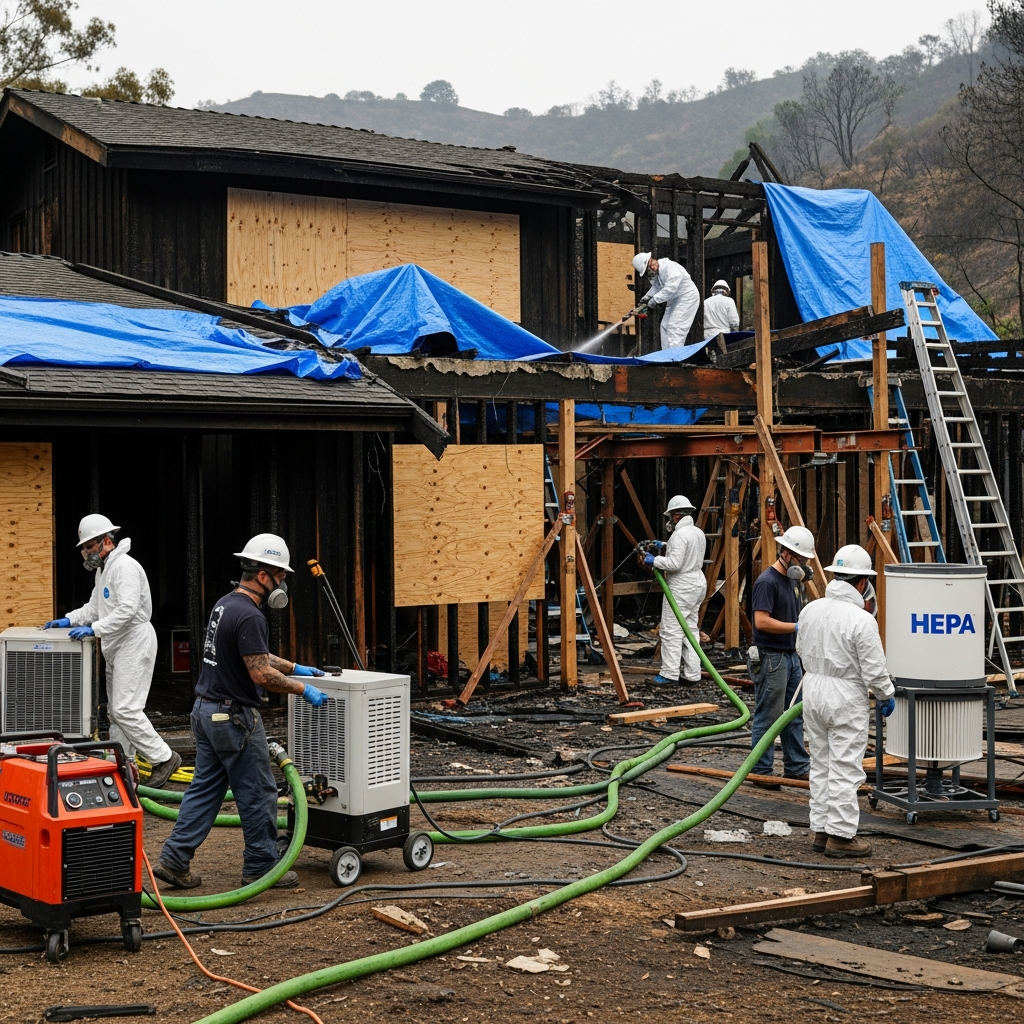
Post-fire environments can contain fine soot, ash, and even combustion byproducts that irritate the respiratory system. Licensed professionals use personal protective equipment, containment, and HEPA filtration to protect both workers and occupants. They also understand the effect of coastal conditions on materials. Salt in the air can accelerate corrosion on metals that were heated and then exposed to moisture during firefighting. Homes that sit close to the ocean may need special attention to metal fixtures, appliances, and mechanical systems. Proper cleaning and neutralization today can prevent failures months or years from now.
Moisture control is another critical factor. Firefighting water and sprinkler activation can introduce significant humidity and liquid moisture into the structure. Licensed restorers measure, dry, and verify—using dehumidification, air movement, and targeted removal of wet materials. They do not guess; they test until dry standards are met. This is how they avert secondary issues like swelling, delamination, or microbial growth.
Choosing the Right Licensed Team
Experience in Malibu matters. Ask about past projects in hillside neighborhoods, homes with complicated access, and properties affected by wildfire smoke. Inquire about training specific to smoke behavior, odor control, and water mitigation. A reputable company welcomes these questions because it demonstrates their readiness and gives you the confidence to proceed. They’ll explain their safety plan, how they’ll protect unaffected areas, and who will be onsite each day. Above all, they’ll set expectations clearly and honor them.
Midway through your evaluation, it can help to ground your research in the core principles of the trade. At heart, fire damage restoration is the disciplined removal of contamination, the repair of damaged structures, and the protection of indoor environmental quality. The best licensed companies practice these fundamentals consistently, no matter the size of the project. They’ll be transparent about what can be cleaned versus what must be replaced, and they’ll help you balance preserving original features with rebuilding where necessary.
Timelines, Quality, and Peace of Mind
Every project has its own rhythm. Smaller smoke events may be resolved relatively quickly, while complex fires involving structural work and specialty finishes take longer. Licensed contractors set a schedule based on scope and site conditions, then adapt thoughtfully if hidden damage is uncovered. The goal is to move efficiently without compromising quality. As the project nears completion, final cleaning, odor verification, and system checks ensure that your home not only looks right but feels right—free of residual odors and ready for normal life to resume.
Frequently Asked Questions
How soon should I contact a licensed restoration company after a fire?
As soon as the property is safe and cleared for entry, early action prevents secondary damage. Board-up, moisture control, and soot containment are most effective when performed promptly. Quick documentation also supports a smoother insurance process.
What’s the difference between a licensed contractor and a general cleaning service?
A licensed contractor operates under state and local regulations, carries appropriate insurance, and is trained to address structural, environmental, and safety issues. A general cleaning service may remove visible soot but is not equipped to manage structural drying, odor elimination, or code-compliant repairs.
Can all smoke odors be removed?
Most odors can be neutralized through source removal, targeted cleaning, and professional deodorization. Success depends on the type of smoke, the materials involved, and how quickly the process begins. A licensed team evaluates these variables and sets realistic expectations.
Will I need to move out during restoration?
It depends on the scope. For heavy damage or when containment and demolition are required, temporary relocation may be recommended for safety and comfort. Your restoration team will help you plan accordingly.
How are my belongings handled?
Contents are inventoried, packed carefully, and transported to a controlled facility for cleaning and storage when appropriate. Items are tracked so they can be returned in an organized fashion once your home is ready.
When you’re ready to move forward, choose a licensed team that treats your home with the diligence it deserves. If you want guidance tailored to Malibu’s unique conditions and a process that prioritizes health, documentation, and craftsmanship, connect with professionals who focus on fire damage restoration. The right partner will help you reclaim comfort, safety, and confidence—one careful step at a time.