Emergencies rarely announce themselves neatly. In Calabasas and the nearby Malibu corridor, when a fire breaks out, the first hours shape everything that follows. That’s why emergency fire damage restoration is not just about showing up fast; it’s about arriving with a plan that fits the terrain, the climate, and the flow of our neighborhoods. From the first call to the last clearance test, the work must be deliberate, transparent, and tailored to how homes here are built and lived in. If you’re dealing with an urgent situation now, it helps to ground your decisions with clear guidance and a trusted partner in fire damage restoration so you can move from uncertainty to action.
Stabilization in the first hours
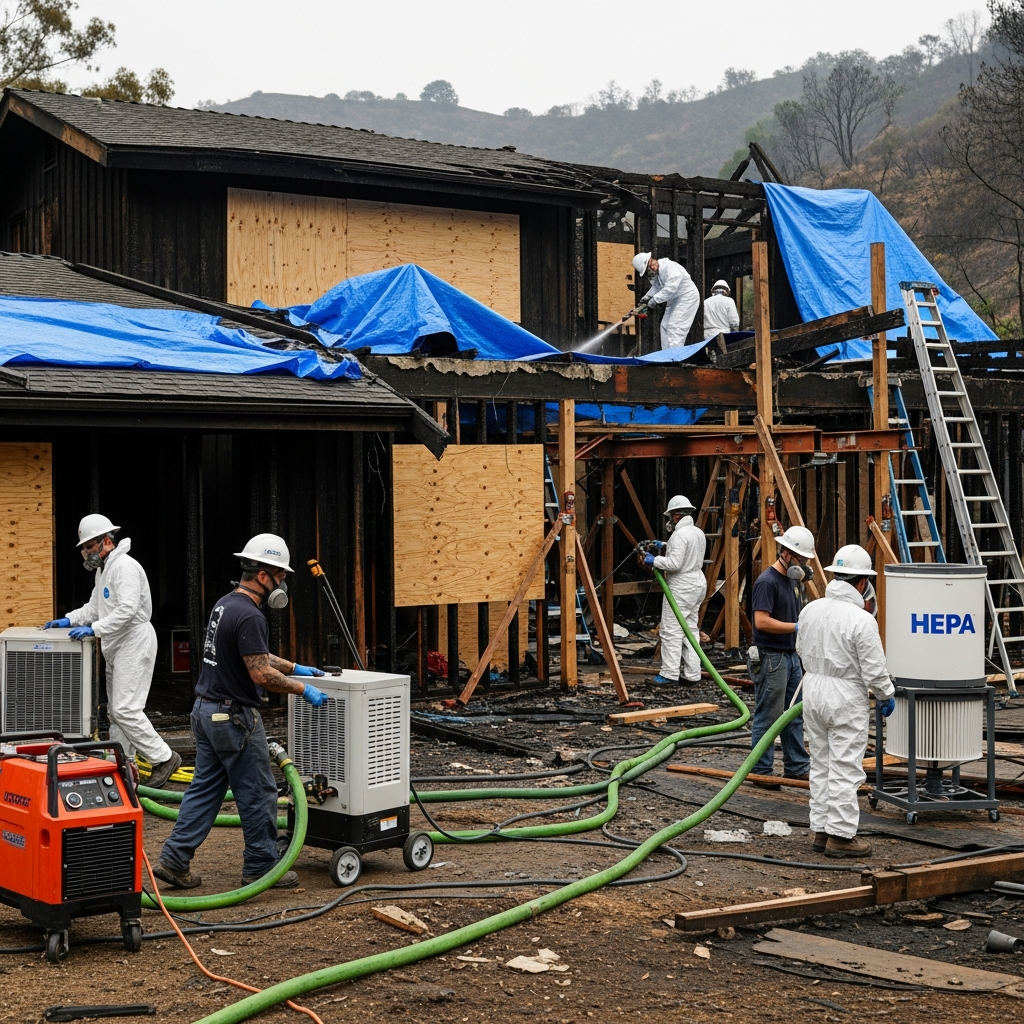
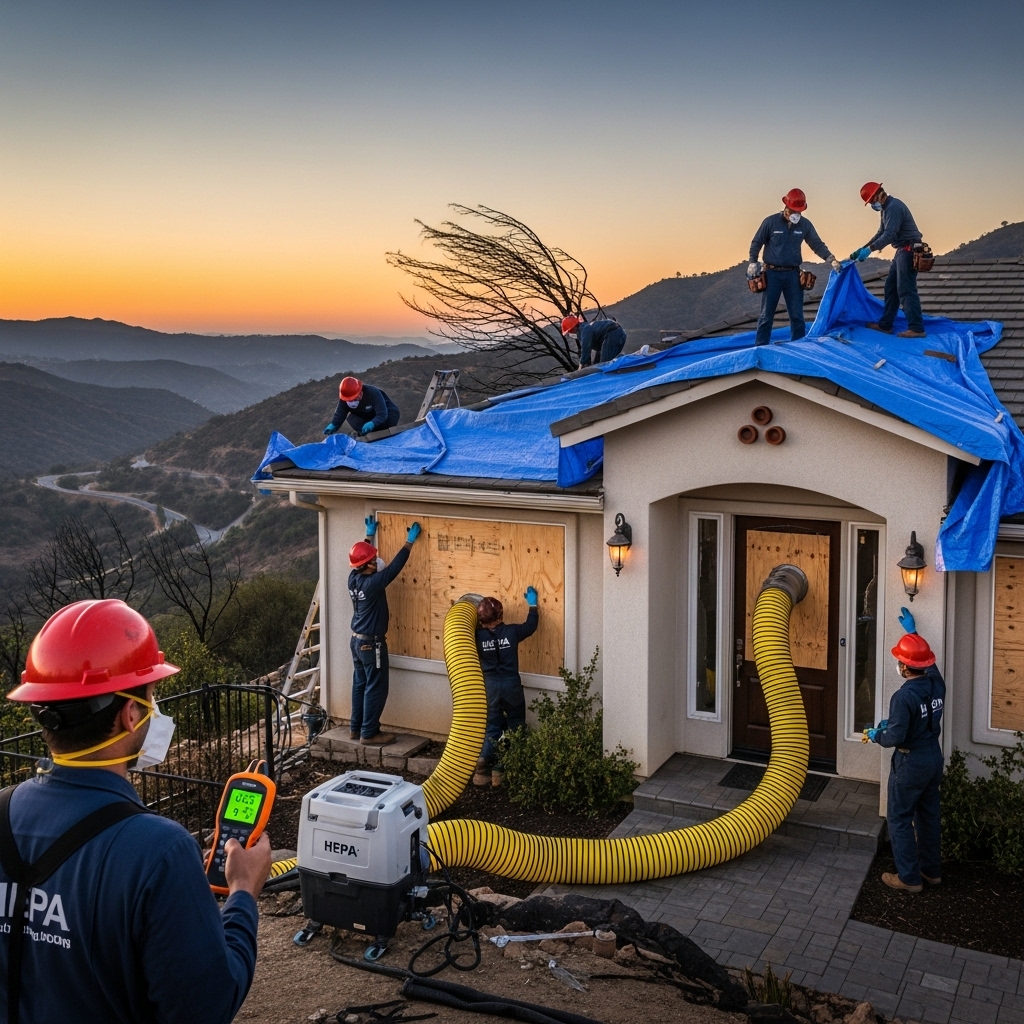
The immediate priority is always safety. We assess structural integrity, shut down compromised utilities, and establish clean, controlled access. Boarding up broken windows, bracing doors, and tarping roof openings protects the interior from wind, marine moisture, and opportunistic intrusion. In our canyons and coastal edges, even a mild overnight breeze can spread soot and debris, so containment and protection happen right away.
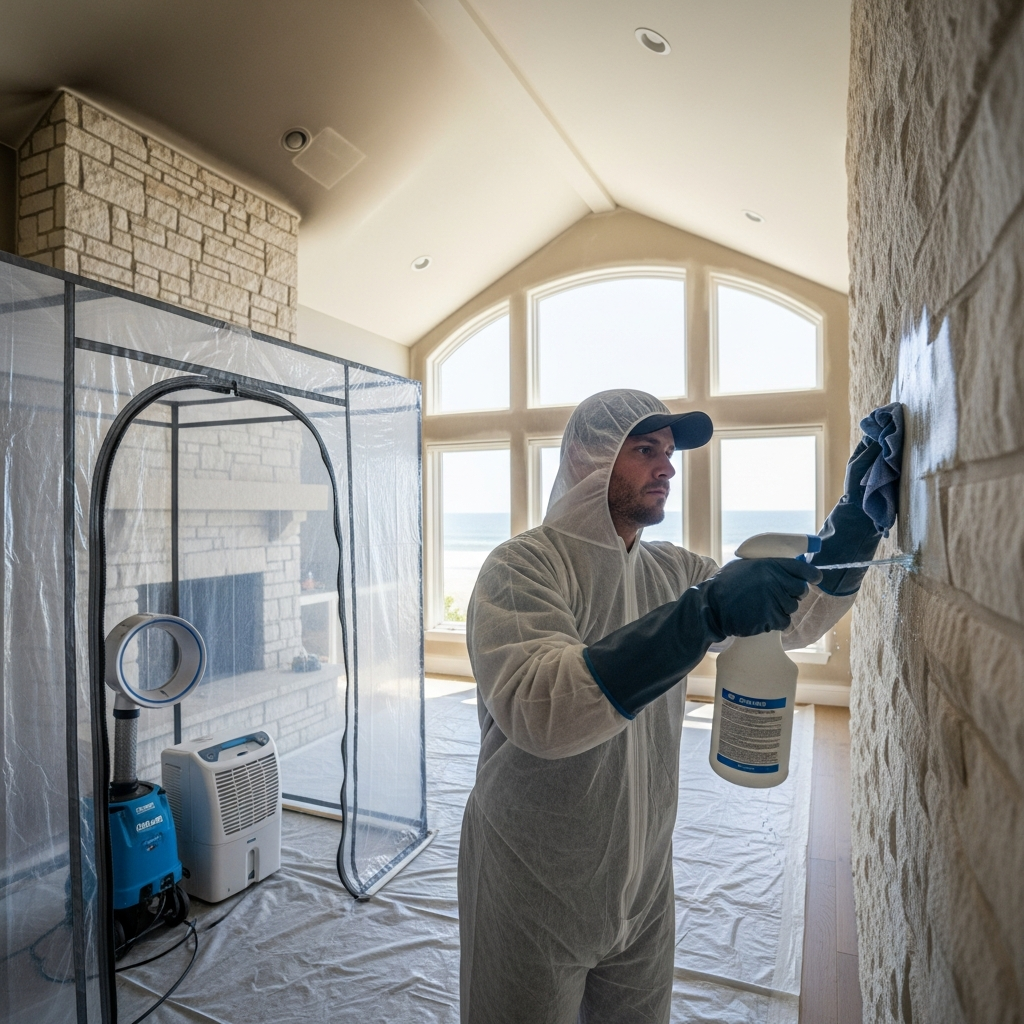
Inside, we isolate HVAC systems to prevent cross-contamination and set up HEPA filtration to improve air quality. We also identify high-value or sensitive contents that need immediate attention—documents, electronics, instruments, and artwork. In an emergency context, these early moves prevent a spillover of damage that is entirely avoidable when addressed promptly.
Rapid moisture control
Water is the quiet partner in fire damage, and it spreads quickly through drywall, subfloors, and insulation. Moisture mapping is not guesswork. We use meters and thermal imaging to track migration and set a drying plan that suits the home’s design. Cantilevered living rooms, crawlspaces, and multipanel sliding doors create pathways that demand precise airflow and dehumidification. The faster we stabilize moisture, the more of your home we preserve—and the shorter your road to recovery.
Emergency cleaning versus full restoration
In the first wave, we target what can’t wait. Heavy debris removal, soot source reduction, and corrosion control on metal fixtures and electronics happen quickly. We apply the right neutralizers so that residues don’t etch stone or stain finishes. But we don’t rush the full sequence either. Once the site is stable, we slow down and plan, because effective smoke and odor removal depends on matching the technique to the residue type and material.
Understanding smoke behavior in our microclimates
Coastal humidity, canyon winds, and temperature inversions all influence how smoke deposits and lingers. Protein fires can leave a nearly invisible film with a persistent odor, while structural fires leave heavier soot that moves differently through open-concept spaces. In Calabasas near Malibu, we often see smoke pushed by winds into upper cabinets, attic chases, and behind decorative wall treatments. That means emergency service includes smart scouting—opening the right cavities, checking the right returns, and planning for a full deodorization strategy that won’t miss hidden pockets.
Communication under pressure
During an emergency, decisions come fast. We keep you informed with clear, concise updates: what’s secure, what needs immediate action, and what can wait for the next phase. We coordinate with adjusters, inspectors, and any other responders to keep the process moving smoothly. That coordination matters if road closures, power outages, or access restrictions are in play—common realities after a regional event.
From emergency to restoration
Once the site is stable and protected, we transition into comprehensive cleanup. That includes detailed surface cleaning, content processing, and odor elimination. We employ a layered approach—source removal, targeted cleaning, and the right mix of deodorization tools—tailored to the home. The shift from triage to methodical restoration is where the long-term result is shaped, and it benefits from clear goals and a realistic timeline.
What to expect in the days that follow
Expect a rhythm: daily progress updates, periodic inspections, and thoughtful adjustments when conditions change. We’ll discuss materials that can be preserved versus those that should be replaced, and we’ll explain why in plain language. That includes addressing hidden spaces—attics, soffits, and behind built-ins—that can hold odor if overlooked. The goal is to remove uncertainty as much as we remove soot.
Insurance and documentation
Emergencies are easier to navigate when documentation is thorough and timely. We create a clear record—before-and-after photos, moisture logs, itemized content lists—so adjusters can make decisions quickly. You remain in control, with a transparent scope and an advocate to explain technical needs. When everyone sees the same facts, approvals follow more smoothly.
Midpoint check: Are we on track?
Halfway through, we pause and review the plan with you. Are odors diminishing on schedule? Are moisture readings trending down? Do any areas require selective demolition instead of surface cleaning? These checkpoints keep the project aligned with your priorities and the realities we discover on site. If you need a reference while considering options, review best practices for fire damage restoration so you can weigh trade-offs with clarity.
Health, safety, and re-occupancy
We take air quality seriously. HEPA filtration, containment, and PPE are nonnegotiable. For families, we aim to establish clean living zones as soon as it’s safe. If re-occupancy during the project makes sense, we’ll plan it in phases, confirming with particulate readings and odor checks. If you have pets, we coordinate with you to minimize stress and keep them clear of noisy or dusty work areas.
Reconstruction and resilience
When repairs are needed, we match finishes to the original design and, where practical, incorporate resilient details—ember-resistant vents, smoke-resistant insulation, and careful sealing of attic and crawlspace transitions. These measures reflect local experience and give your home a stronger posture for the future.
Frequently asked questions
How fast can you start after I call?
We mobilize quickly, but the first actions focus on safety and stabilization. That might mean securing openings, isolating HVAC, and beginning moisture control the same day, followed by a structured plan for detailed cleaning and deodorization.
What should I do before help arrives?
If it’s safe, limit movement through affected areas to avoid tracking soot. Do not power up electronics exposed to smoke or water. If you can, gather essential documents and medications. Beyond that, wait for professional guidance—improper cleaning can set stains and odors.
Will everything smell like smoke forever?
No. Persistent odor is a sign that residues remain in materials or air pathways. With source removal, material-specific cleaning, and targeted deodorization, we can return indoor air and surfaces to a neutral state.
Can work continue if there are road closures?
Yes, with planning. Local crews anticipate closures and stage equipment strategically. We coordinate with authorities and neighbors to maintain safe access without disrupting the community.
How long does the process take?
It depends on extent and complexity. Emergency stabilization happens immediately, while full restoration and any reconstruction follow a documented plan with milestones you can track.
A clear path forward
Emergencies feel chaotic, but the right plan restores order. If you need immediate guidance and a team that understands the landscape between Calabasas and Malibu, reach out today. Start by reviewing the essentials of fire damage restoration and then connect with a local team that can put that plan in motion for your home and family.