Top-rated fire restoration isn’t measured only in stars; it’s measured in the calm you feel when a knowledgeable team steps onto your property and quietly takes charge. In Woodland Hills and Malibu, where wildfire seasons and kitchen mishaps alike can disrupt daily life, quality shows up in the first conversation and carries through to the last walkthrough. The work is part science, part craft, and entirely human. If you’re deciding where to begin, many local homeowners start with reputable resources on fire damage restoration, then decide which partner communicates clearly, respects the home’s character, and keeps momentum without sacrificing care.
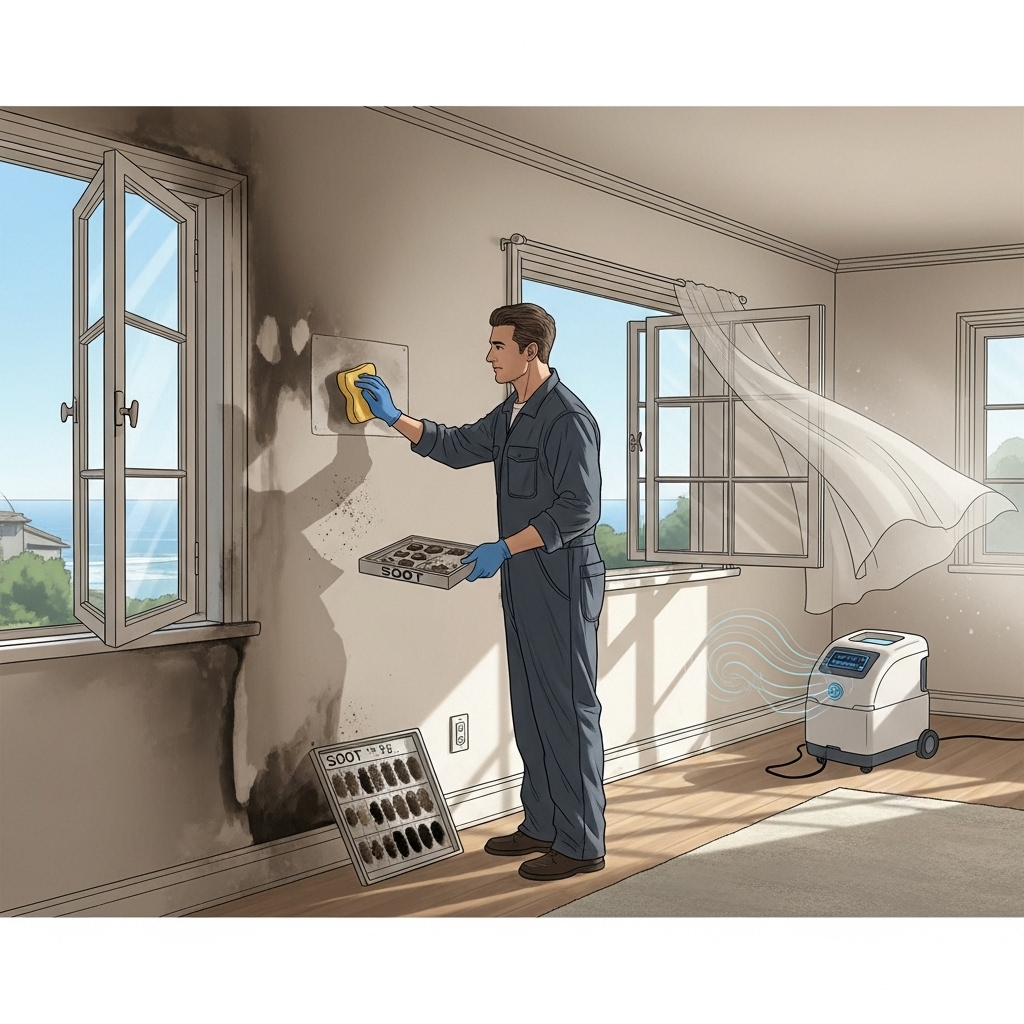
What sets top-rated providers apart is consistency. They don’t guess where smoke traveled; they test. They don’t mask odors; they remove sources and treat air with discipline. They plan for access, weather, and neighborhood rhythms before the first tool is lifted. In Malibu’s coastal zones, that may mean corrosion protection from the outset; in Woodland Hills, it can involve aggressive attic strategies to keep soot from lingering in insulation and ductwork.
First impressions that last through completion
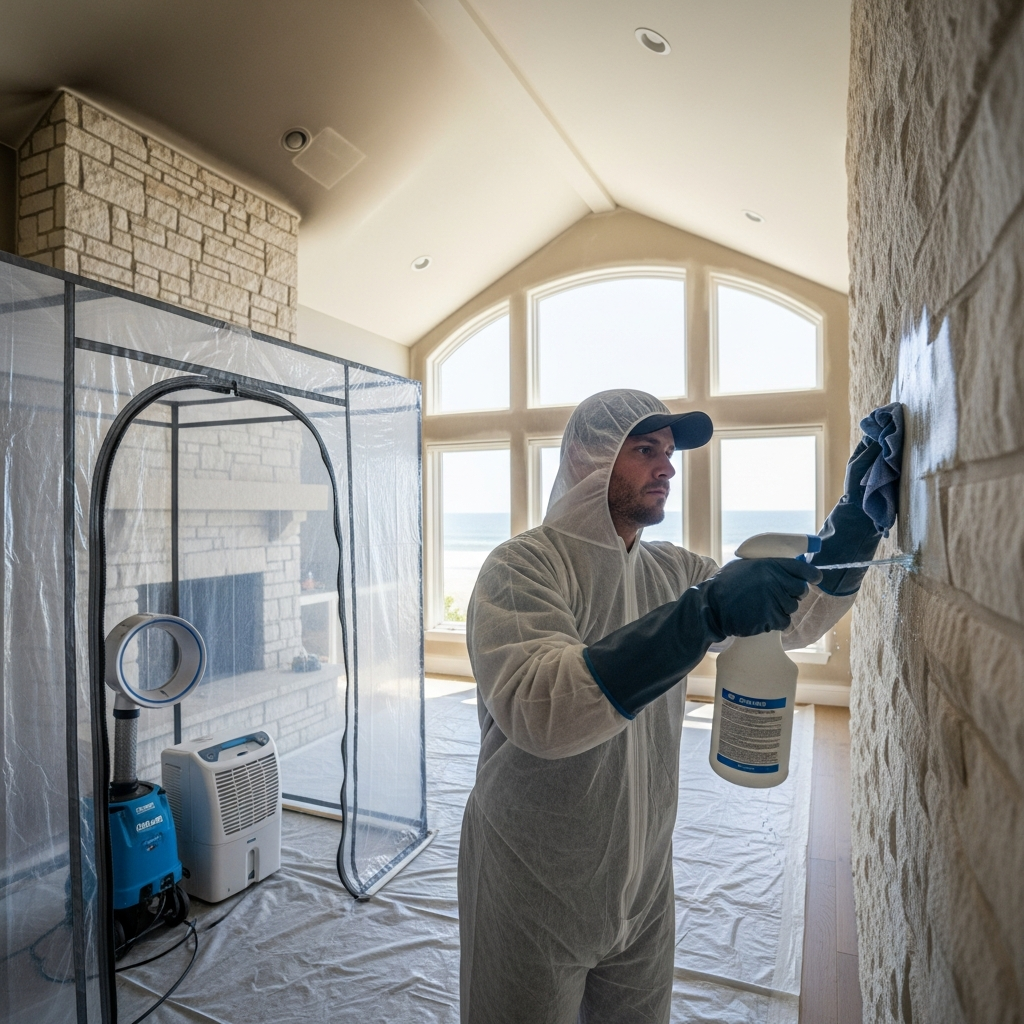
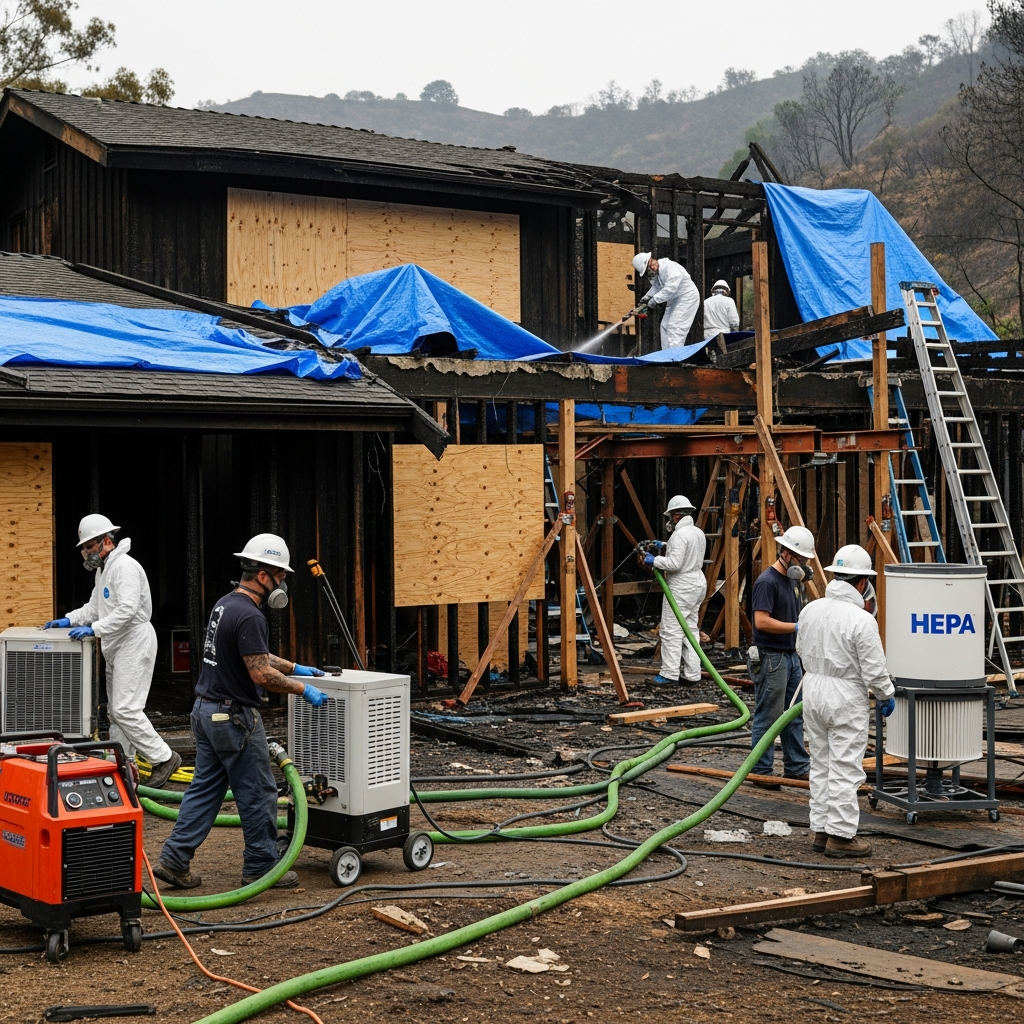
From the initial assessment, you should hear the language of building science. Professionals will talk about pressure differentials, moisture mapping, and the sequencing of demolition, cleaning, and rebuild. They will mark containment lines to keep clean rooms pristine and set up HEPA filtration to capture fine particulates before they resettle. This foundation builds trust in the work you can’t see—the careful cleaning in concealed spaces, the quiet reinforcement of framing, and the detailed preparation that makes finishes look flawless.
Top-rated teams also set expectations well. They will present realistic schedules, explain inspection milestones, and clarify which decisions they’ll need from you and when. That transparency reduces friction and keeps everyone moving in the same direction.
Managing air and odor the right way
Air quality is the red thread that runs through the entire project. After source removal, odor control proceeds with the least intrusive methods that will do the job effectively. Hydroxyl treatment or thermal fogging is applied only when surfaces are ready. Sealing is a precision tool used where appropriate, not a substitute for cleaning. The result is a home that stays fresh across seasons, with no odor rebound during warm valley afternoons or foggy Malibu mornings.
HVAC systems receive special attention. Ducts, coils, and air handlers are inspected and cleaned or replaced as needed. Filters are upgraded, and registers are cleaned so airflow doesn’t reintroduce contaminants. This attention supports both comfort and health.
Contents care that respects memory
We live with objects that tell our stories—photos, instruments, textiles, travel mementos. Top-rated teams protect those stories with careful handling and transparent tracking. Contents are packed with purpose, labeled for room and priority, and routed to appropriate cleaning processes. Electronics are stabilized against corrosion early; textiles go to specialized facilities; and artwork receives the patience and technique it deserves. Move-back feels like a reveal rather than a scramble because the process was organized from the start.
Clear communication continues here too. You’ll know where items are, what treatments they’ve received, and when to expect them back.
Respecting neighborhoods and inspectors
In our hills and along the coast, respect for neighbors and inspectors is part of being top-rated. Clean sites, quiet staging, and friendly, informed crews make the experience better for everyone. Malibu’s canyon routes and Woodland Hills’ cul-de-sacs each require different logistics, but the principle is the same: plan well, communicate often, and leave spaces tidier than you found them. Inspectors appreciate clear documentation and a jobsite that reflects safety and forethought, which smooths approvals and keeps momentum.
Local knowledge also cuts through delays. Familiar teams anticipate HOA expectations, coordinate deliveries at low-traffic windows, and design around the rhythms of our microclimates.
From mitigation to a home that feels renewed
Top-rated work shines in the rebuild phase. Selective demolition is followed by structural repair, then by finishes that restore identity and comfort. This is when craft takes center stage—straight lines, tight miters, color-matched touch-ups, and a keen eye for transitions. Materials are chosen for beauty and resilience, from low-VOC paints to flooring that stands up to active households and changing humidity. The end result should feel cohesive, not patched—a home that quietly declares itself whole again.
Many homeowners take this opportunity to incorporate resilience: ember-resistant details, improved sealing around penetrations, and upgraded ventilation that keeps indoor air fresher through wildfire season. These choices pay dividends in comfort as well as preparedness.
Scheduling that makes sense
Great schedules absorb surprises without collapsing. When demolition reveals hidden damage, top-rated teams adjust with transparency, reshuffling trades and communicating how changes impact milestones. Start times respect heat and wind patterns; deliveries are planned to reduce congestion on narrow roads. The rhythm of the job respects both the craft and the community.
Throughout, you should feel informed rather than inundated. Simple, consistent updates allow you to plan your days and make decisions at the right moments.
Choosing a partner you’ll recommend
Ask prospective teams to walk you through recent projects comparable to yours—similar scope, architecture, and neighborhood dynamics. Listen for how they solved problems and how they protected unaffected rooms. Ask what they do to ensure odor doesn’t return months later. The answers will reveal their priorities and their discipline. Many residents begin with a straightforward conversation about fire damage restoration approaches, then select the partner whose process earns confidence from the first site visit.
Frequently asked questions
How soon should restoration start after a fire?
Stabilization should begin as soon as it’s safe: securing the envelope, controlling moisture, and preventing soot from spreading. Full restoration follows a measured sequence and should start promptly once the site is safe and the plan is set. Early action protects what can be saved and shortens the road back to normal.
What should I look for in a top-rated restoration team?
Look for listening, documentation, and discipline. The best teams ask thoughtful questions, share clear plans, and demonstrate how they will protect clean rooms and manage air quality. Local experience in Malibu and Woodland Hills matters because climate and access shape decisions. References and transparent communication round out the picture.
Can I remain in the home during work?
Sometimes. If damage is localized and containment can be established, you may be able to stay in part of the home. Clear pathways, daily cleaning, and quiet hours help maintain comfort. Where utilities are compromised or demolition is extensive, short-term relocation offers a safer, calmer experience.
How is smoke odor kept from returning?
By following a strict sequence: remove sources, clean thoroughly—including hidden cavities—then apply odor-neutralizing technologies and seal as needed. HVAC systems are addressed so air movement doesn’t reintroduce contaminants. When the fundamentals are sound, odors do not return with heat or humidity changes.
What makes projects near the coast different?
Coastal moisture and salt increase corrosion risk and influence drying times. Materials and hardware choices must account for these conditions, and electronics exposed to smoke require prompt stabilization. Canyon access affects staging and scheduling, so experienced teams plan around traffic and space constraints.
How are my belongings handled?
With planning and care. Contents are inventoried, prioritized, and routed to the right cleaning processes. Fragile items receive special packing, textiles go to specialized facilities, and electronics are stabilized to slow corrosion. Move-back is organized to minimize disruption and return rooms to their familiar rhythms.
If you’re ready for a restoration experience that replaces worry with confidence, reach out to a local team known for steady hands and thoughtful work. Your home can feel whole again with a process that respects your time, your neighborhood, and your story. Begin today by exploring fire damage restoration provided with the consistency and care our communities deserve.