When neighbors in Woodland Hills and Malibu ask what “the best” fire damage restoration looks like, my answer is always the same: it looks like clarity, craft, and care. The finest results begin with a steady assessment, move through a disciplined sequence, and end with a home that feels genuinely yours again—cleaner, safer, and more resilient. Having spent years walking jobsites from Encinal Canyon to Calabash, I’ve seen that excellence isn’t a slogan; it’s the quiet consistency of doing the right thing at the right moment. If you’re just starting to explore your options, it can help to anchor your research with trusted resources on fire damage restoration and then measure every provider against the standards that matter most to your family.
At its core, great restoration honors the story of the house. It recognizes how heat moved, where smoke settled, and which elements are worth saving—original oak stairs, a hand-built mantel, the glazing that frames your view of the hills or ocean. It also respects the realities of our climate: salty air that speeds corrosion in Malibu, dry heat that drives soot deeper into attic insulation in Woodland Hills. A team that knows these nuances will set the right pace from day one.
What distinguishes the best teams
Excellence shows up first in listening. Before equipment hums and crews mobilize, the best professionals will ask about routines, sensitivities, and what matters most in your space. That insight guides how they protect clean rooms, where they stage, and how they sequence work to keep life moving. You’ll hear conversations about thermal patterns, moisture pathways, and negative air—evidence that they’re building a plan tailored to the property, not just the problem.
Documentation is another hallmark. Detailed photo logs, moisture maps, and clear daily summaries create a shared understanding. Inspectors appreciate it, adjusters respect it, and homeowners benefit from decisions that flow rather than stall. When surprises appear behind walls—and they often do—the team’s transparency about options and trade-offs keeps momentum and trust intact.
Air quality and odor control done right
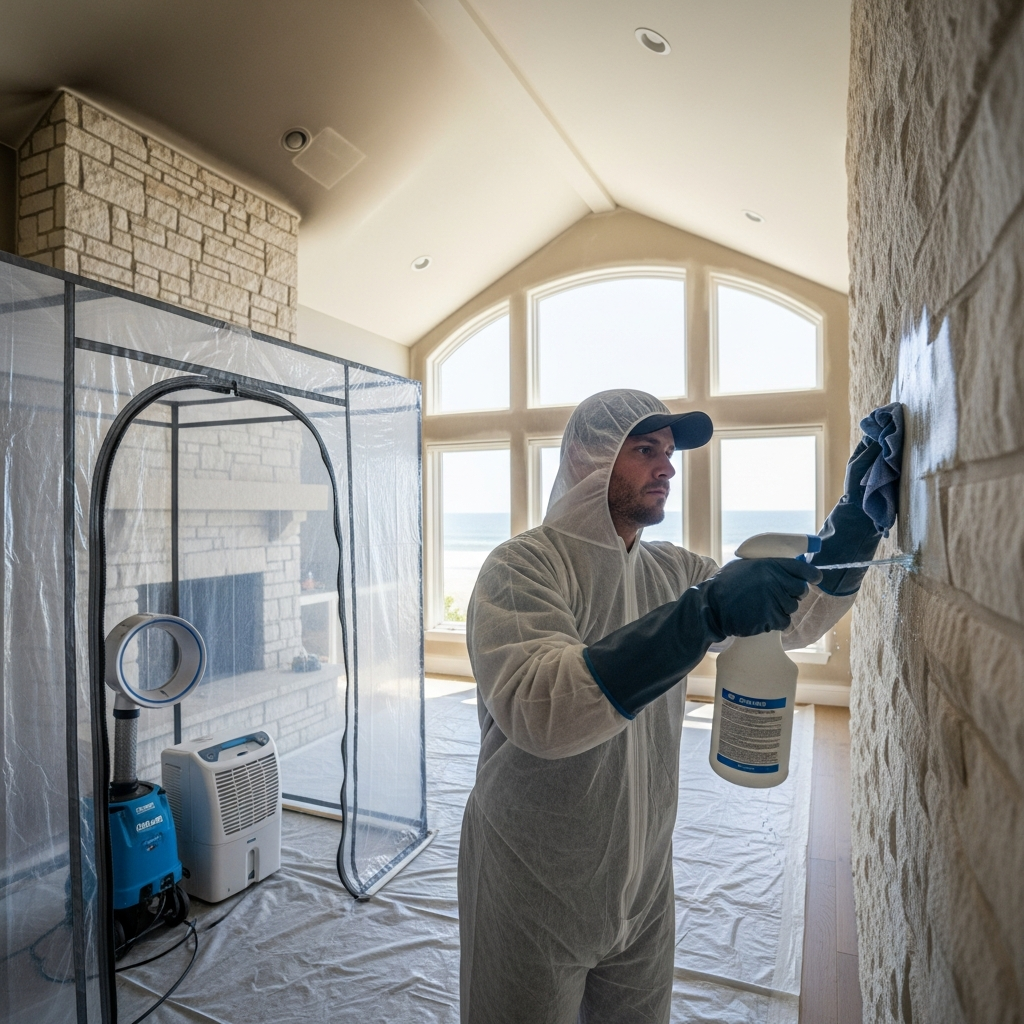
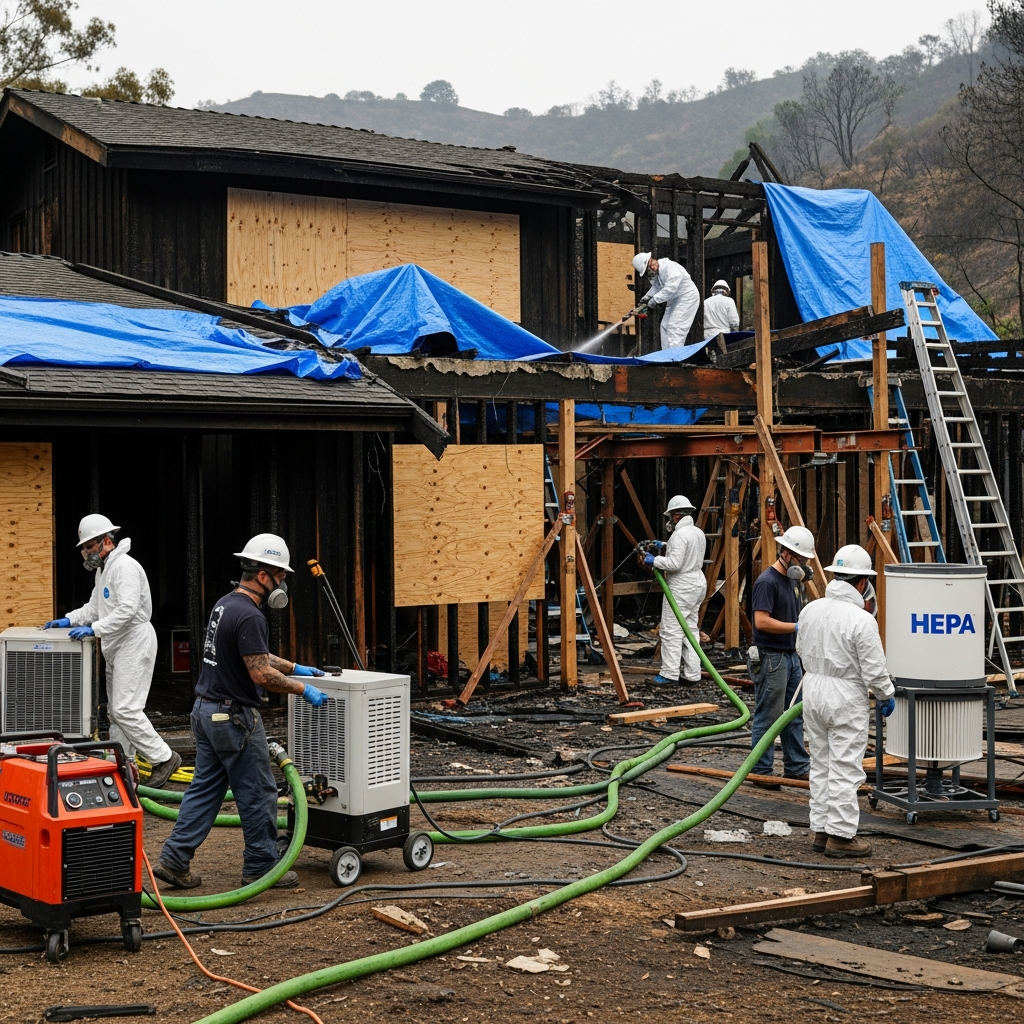
Air is the invisible finish of any restoration. The best teams treat it as seriously as lumber or tile. They manage pressure, filter particulates, and prevent cross-contamination with careful containment. Odor control follows a proven sequence: source removal, deep cleaning, and only then neutralization through appropriate technologies. Sealing becomes a focused tool, not a blanket cure, and primers are matched to substrates so topcoats sit on a stable, odor-free base.
In Malibu, managing humidity and salt in the air while treating smoke particles demands precision; in Woodland Hills, heat and attic volumes require assertive HVAC strategies. Either way, the goal is a home that feels fresh in August as well as January, with no trace of what you’ve endured.
Respect for architecture and craft
Quality shows in the details—the way trim lines up, how a repaired beam blends with the original, and how light plays across a repainted ceiling. The best teams invite skilled trades who value finish as much as speed. They’ll bring samples to compare sheen, test small areas for adhesion, and protect completed rooms while work continues nearby. It’s an approach that honors both the original design and your vision for what comes next.
Many homes in our hills carry character—from mid-century angles to Spanish curves—and restoring them well means understanding proportions, profiles, and materials. When you walk through after completion, rooms should feel cohesive and intentional, not patched together.
Sequencing that respects daily life
Great restoration is a choreography. Workflows anticipate deliveries, inspections, and the ebb and flow of neighborhood life. In Malibu’s canyons, that can mean scheduling around school traffic or surf days when roads clog; in Woodland Hills, it can mean starting early to beat the heat and finishing dusty tasks before breeze patterns shift. The best schedules are realistic and communicated clearly, with space built in for discovery behind walls.
When families remain in part of the home, clean corridors and daily housekeeping routines are established from the start. It’s a small thing that makes a large difference in comfort and morale.
Contents care with heart
Belongings carry history. The best teams protect that history with careful inventory and handling—textiles to specialized cleaning, electronics stabilized against corrosion, keepsakes isolated from soot before it bonds. Move-back is staged room by room, matching floor plans and labels so items land where they belong. The moment a favorite chair returns to a sunlit corner is when the home truly begins to feel like itself again.
Good contents care also means honesty about what can be saved and what should be replaced. Clarity prevents disappointments and focuses effort where it matters most.
Local knowledge: Malibu and Woodland Hills
Local terrain and weather shape restoration. Malibu’s ocean air demands attention to corrosion and careful storage of metal finishes. Canyon access influences staging of scaffolding and material deliveries. Woodland Hills’ heat calls for assertive moisture control and early day scheduling. Across both, relationships with inspectors, familiarity with HOA expectations, and sensitivity to neighborhood rhythms smooth the path forward. The best teams make these considerations feel invisible because they are baked into the plan.
It’s also about community. Crews that work here regularly treat neighbors with respect, keep sites tidy, and communicate to reduce disruption. Reputation travels fast in our hills.
From mitigation to a refined rebuild
After emergencies quiet down, the real craft begins. Selective demolition reveals what the home wants to keep. Framing is cleaned and reinforced as needed, HVAC systems are restored or replaced with health in mind, and finishes are chosen for durability and beauty. This is the time to consider resilience: ember-resistant details, well-sealed penetrations, and materials that look good and stand up to our climate. The best outcomes feel both familiar and improved, like your home has exhaled and returned to itself.
Homeowners often blend restoration with small design updates—better lighting, improved storage, or refined circulation—so that daily routines feel easier and calmer. Done well, these refinements disappear into the whole.
Choosing excellence with confidence
As you speak with providers, listen for clarity in their process and humility in their tone. Ask how they protect unaffected rooms, how they handle air management, and how they track contents. Ask to see sample documentation. Excellence is repeatable, and it shows up in the way teams answer questions and prepare you for the road ahead. Many residents begin with a conversation about fire damage restoration options, then move forward with the partner who demonstrates consistency from the first visit onward.
Frequently asked questions
How do I evaluate which restoration company is truly the best for my home?
Look for process and proof. Process means a clear sequence—assessment, stabilization, mitigation, cleaning, rebuild—tailored to your property. Proof means detailed documentation, strong references, and projects that resemble your home in complexity and setting. Local experience matters in our hills, where access, humidity, and heat shape decisions. The right team will communicate clearly and invite your questions.
Will my home feel like itself again?
Yes—when the work respects both structure and spirit. Thorough cleaning and odor control establish a healthy base; careful repair restores form; and finish decisions bring back the character you love. Many homeowners say their homes feel better than before because airflow is improved, materials are refreshed, and small irritations have been resolved along the way.
Can I remain at home during the process?
Sometimes. If damage is localized and clean zones can be maintained, families often stay in part of the home. When demolition is extensive or utilities are compromised, a short-term relocation provides a safer, calmer experience. The decision is personal, and a good team will help weigh convenience, health, and pace.
What role do inspectors and HOAs play?
Inspectors confirm safety and code compliance, while HOAs may review exterior finishes, staging, and work hours. Clear plans and tidy sites make approvals smoother. Teams with local familiarity anticipate common requests and keep communication open, which shortens timelines and reduces friction.
How is odor prevented from returning months later?
Odor stays away when source removal is comprehensive and materials are sealed appropriately. This requires attention to concealed areas—attic chases, the backs of stairs, the tops of joists—and a disciplined sequence that confirms cleanliness before finishes go on. When humidity or heat rises, a properly restored home remains fresh because the groundwork was done correctly.
What makes restoration in Malibu and Woodland Hills special?
Our communities blend canyon winds, coastal moisture, and hillside construction. Projects must respect access, corrosion risk, and climate-driven drying. The best teams know these rhythms and build them into their plans so the process feels smooth rather than strained.
If you’re ready to move from uncertainty to confidence, reach out to a team that leads with clarity and finishes with care. Your home can be healthy, beautiful, and quietly resilient again. Start the conversation today and explore trusted fire damage restoration support tailored to our coastal hills and valley neighborhoods.