Repairing a home after a fire is more than replacing charred materials; it is the art of understanding how heat, smoke, and water have altered a structure and how to rebuild so it lives better than before. In Woodland Hills and Malibu, where homes range from hillside mid-century designs to coastal contemporary villas, repair work must be tailored to each property’s character and setting. The best outcomes come from a plan that honors the original architecture, addresses hidden damage, and upgrades performance where it counts. To chart this path with confidence, many homeowners begin by exploring reputable local options for fire damage restoration, then aligning the repair phase with their goals for comfort, durability, and resilience.
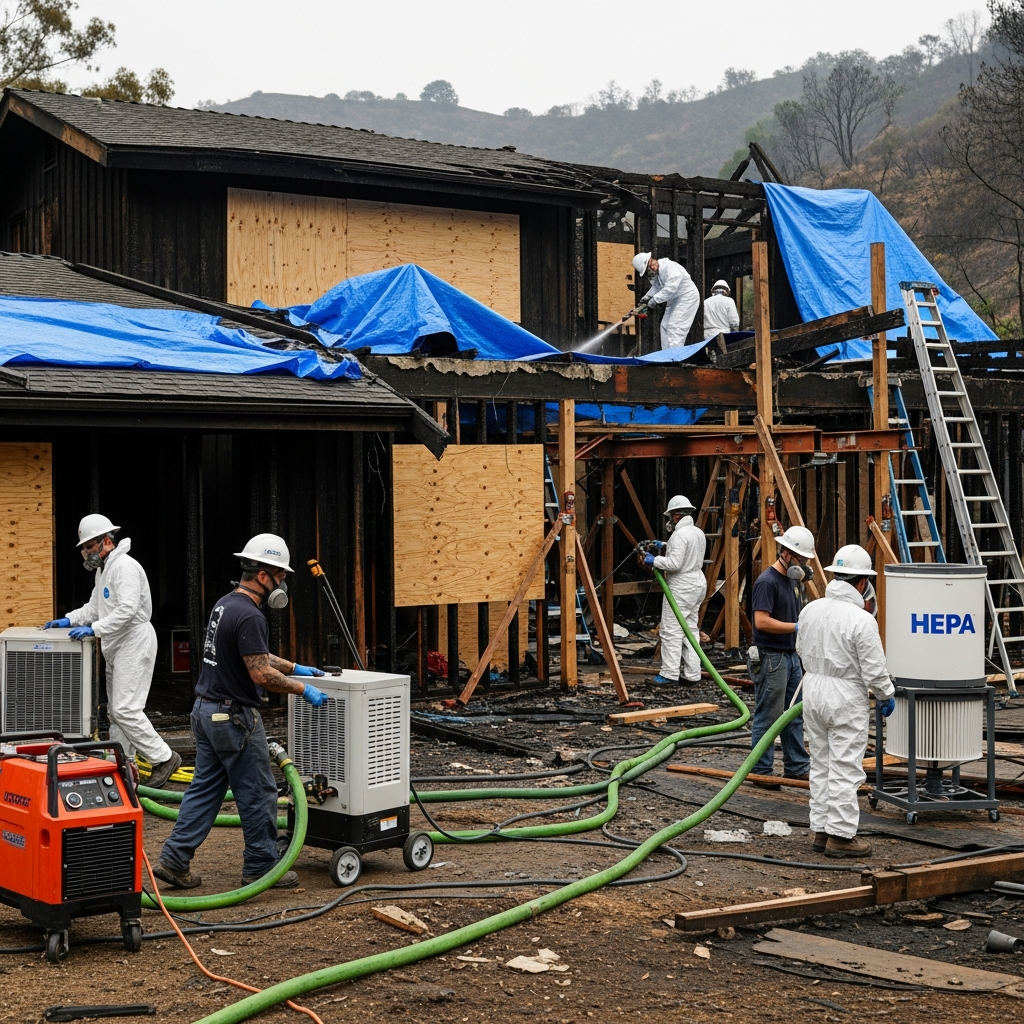
Once emergency stabilization and mitigation are complete, repair moves from discovery to creation. Selective demolition reveals what can be saved: sound framing, intact sheathing, and finishes that respond well to deep cleaning. In some rooms, repair is as subtle as sealing, repainting, and refinishing floors; in others, it involves re-framing, new windows, insulation, and updated systems. The repair plan is a marriage of what the building needs and what you want your daily life to feel like when you return.
Structural evaluation and framing decisions
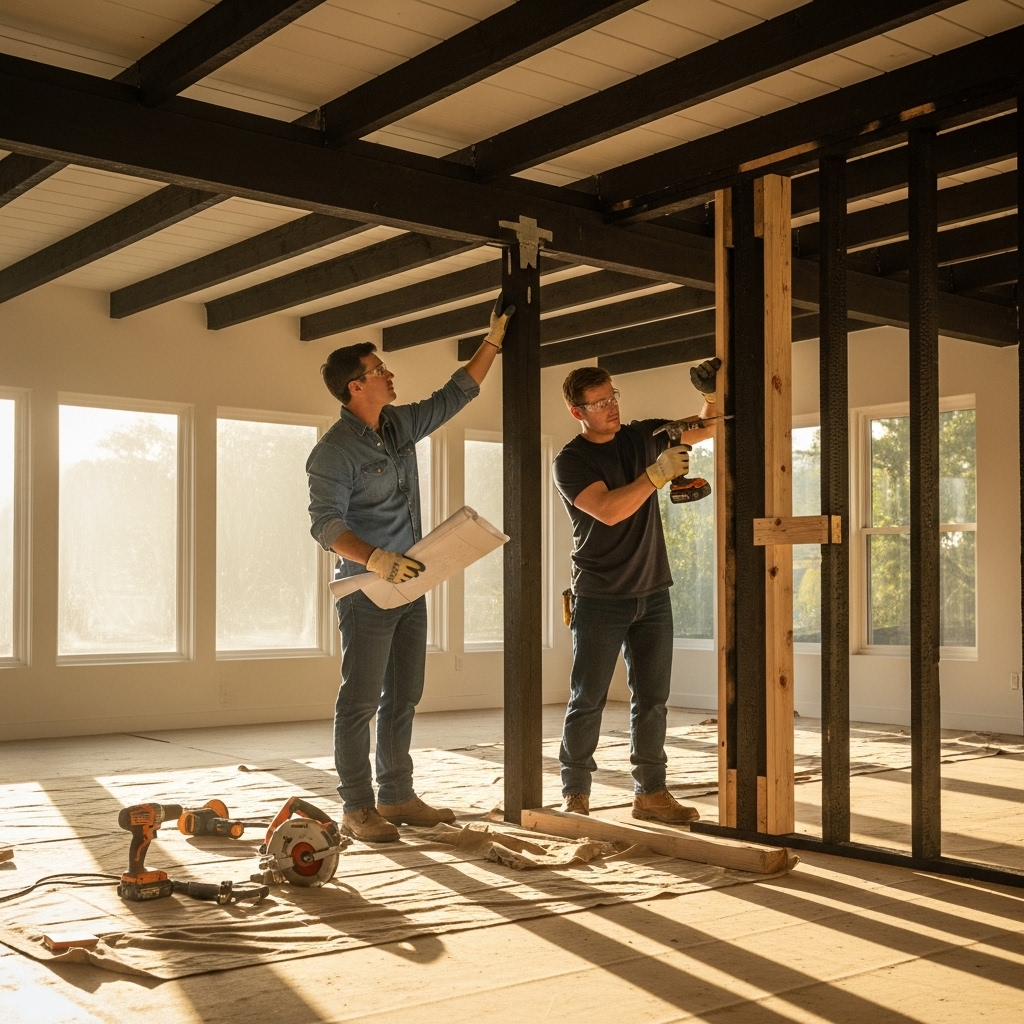
Structural repair begins with load paths and connections. Heat can weaken fasteners or char edges that carry bearing loads. Engineers look for telltale signs—checking, twisting, or charring depth—to determine whether reinforcement, sistering, or replacement is warranted. In Malibu, open beam ceilings and long-span roofs demand special attention to ridge beams and hardware exposed to salt-laden air. In Woodland Hills, vaulted spaces and hillside foundations require careful sequencing so that lateral bracing remains reliable during repair.
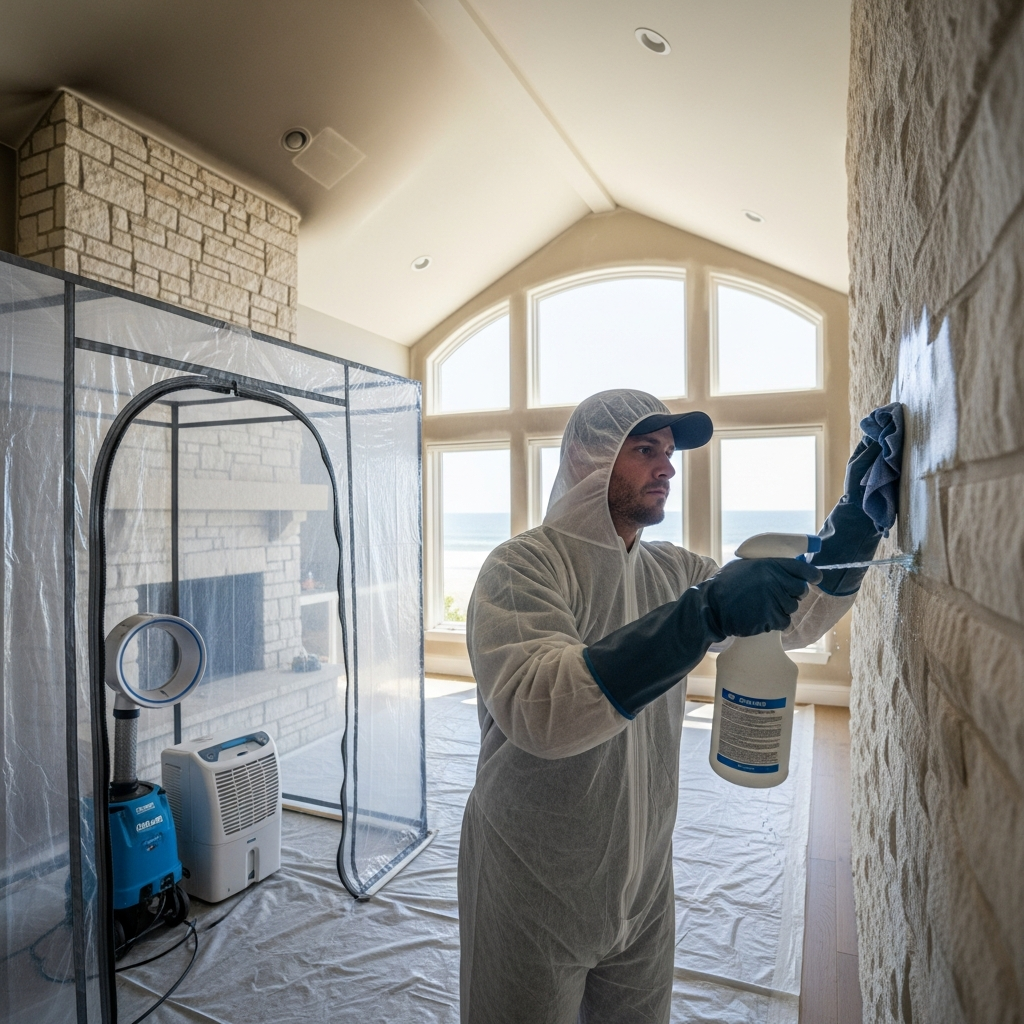
When framing is preserved, cleaning and odor control must reach every nook: the back side of studs, the top of ceiling joists, and the undersides of stairs. Once cleaned and dried, a targeted sealing plan helps prevent odor rebound without entombing moisture. These steps set the stage for finishes to look and perform their best.
Windows, doors, and the building envelope
Openings define how a home breathes. Heat can distort seals, melt gaskets, and allow smoke to collect in frames. Careful testing determines whether windows and doors can be serviced or should be replaced. Coastal properties often lean toward higher-performance assemblies that resist corrosion and improve comfort during foggy mornings and hot afternoons. In Woodland Hills, upgrading glazing can significantly improve energy performance during summer heat while supporting odor control by keeping conditioned air where it belongs.
Exterior claddings tell their own stories. Stucco may crack and delaminate; siding can show heat glazing or ember exposure beneath laps. Repair strategies balance preservation with long-term resilience—fire-resistant materials in vulnerable zones, thoughtful flashing details, and modern weather barriers that improve indoor air quality.
Mechanical, electrical, and plumbing considerations
Systems are the quiet heroes of a repaired home. HVAC trunks may require replacement if soot has penetrated insulation or if odor persists despite cleaning. Registers, coils, and air handlers must be assessed with a strict eye for sanitation. In Malibu’s coastal conditions, corrosion on circuit boards can accelerate after exposure to smoke and moisture, so electrical systems receive comprehensive inspection. Plumbing, often overlooked, may bear heat stress near the fire’s origin or show leaks after dormant gaskets are re-pressurized.
Repair is an opportunity to improve. Better filtration, balanced air distribution, and smart ventilation strategies make homes feel fresher and safer. Electrical upgrades consolidate safety with convenience, while plumbing replacements can introduce more efficient fixtures and piping that stand up to local conditions.
Finishes that restore identity and comfort
Finishes are where repair becomes personal. Whether you are re-creating a minimalist Malibu palette or honoring the warmth of a Woodland Hills ranch, the goal is both beauty and durability. Low-VOC paints support indoor air quality, especially important after a smoke event. Flooring choices hinge on subfloor condition and lifestyle: refinished oak can be stunning; tile brings resilience to high-traffic areas; engineered products deliver stability where humidity fluctuates. Cabinetry design often merges restoration with reimagining—improving storage, lighting, and workflow while respecting what the room wants to be.
It’s common to feel a mix of grief and anticipation at this stage. The right craft and communication help translate that emotion into spaces that welcome you home again.
Odor control woven into the repair process
True odor control is not a single step tucked into mitigation. It threads through repair. Each new layer—insulation, drywall, primer, and finish—builds on the confidence that the substrate is clean and dry. Targeted sealing is used judiciously, focusing on areas that tested clean but remain odor-prone, such as the cavity sides of framing or the backs of stair treads. Choosing primers designed for smoke-impacted surfaces ensures a stable base for topcoats, preventing future surprises when humidity spikes.
Homeowners often find reassurance in mid-project air quality checks, especially before closing walls. These checkpoints confirm that the home’s lungs are clear, so the final finishes can shine without interference.
Working within Malibu and Woodland Hills neighborhoods
Repair is as much about people as it is about materials. Malibu’s canyon roads require considerate scheduling with neighbors and delivery teams. Coastal moisture can slow drying of exterior cement products, influencing the order of operations. Woodland Hills’ summer heat and afternoon winds encourage earlier start times and careful material storage. Inspectors appreciate tidy sites and thorough documentation; trade partners respect clear scopes and realistic timelines. When these relationships are nurtured, productivity rises and surprises diminish.
Local knowledge also helps with design approvals and HOA coordination where required. Submitting clear plans, finish schedules, and product data shortens review times and keeps momentum steady.
Contents, move-back, and finishing touches
As rooms come back together, contents return from cleaning and storage. This phase feels celebratory when done well. Rugs roll out on floors that are cured and protected. Artwork goes up last to avoid dust or accidental damage. Kitchens and closets are loaded only after surfaces have fully hardened. Labeling and room-by-room checklists keep order, ensuring everything lands where it belongs. The final clean—detailed, patient, and thorough—marks the moment the house moves from jobsite to home.
An experienced team will walk with you through punch lists and warranty discussions, explaining how materials should be maintained and what to expect as new finishes settle.
Planning for resilience
Many homeowners take the opportunity to introduce resilience strategies during repair. Ember-resistant vents, well-detailed roof-to-wall intersections, and noncombustible claddings in vulnerable locations can all reduce future risk. Inside, smarter ventilation, balanced humidity, and sensible storage for emergency supplies make daily life more comfortable and prepared. In neighborhoods that straddle canyons or open space, these adjustments provide peace of mind without sacrificing aesthetics.
Selecting a repair team that feels right
When you interview teams, listen for how they talk about sequence, air quality, and the respect they show for your routines. Ask how they protect unaffected rooms and how they coordinate trades so work doesn’t conflict. Seek a partner that documents decisions, communicates field changes quickly, and treats punch lists as a chance to refine the craft. Home repair after fire is intimate work; the relationship should feel collaborative and grounded.
Frequently asked questions
How do I know what can be repaired versus what must be replaced?
Assessment blends measurement and judgment. Moisture readings, structural probing, and surface testing reveal what the eye misses. Items that retain integrity and respond to cleaning can often be kept; components weakened by heat, delaminated by moisture, or contaminated beyond recovery are typically replaced. The goal is a healthy, durable home that looks and performs as intended.
Will my home smell like smoke after repair?
Not if source removal, drying, and targeted sealing are thorough. Odor reappears when char or residue remains in hidden cavities, or when primers not designed for smoke-affected substrates are used. Mid-project air checks and a disciplined sequence ensure that when finishes go on, they cover clean, dry, odor-free surfaces.
How long does repair take once mitigation is done?
Timelines depend on the complexity of structural work, the availability of materials, and inspection schedules. Homes needing extensive framing or custom finishes will naturally take longer than those focused on cosmetic recovery. Your team should provide a schedule with milestones and adjust it as conditions behind walls are revealed.
Can I make design changes during repair?
Yes, many homeowners use this moment to improve function and comfort. Enlarging openings, updating lighting, refining storage, or upgrading finishes can dovetail with repair. The key is coordination—design decisions made early, with clear documentation—so that changes support momentum rather than interrupt it.
What special considerations apply in Malibu and Woodland Hills?
Coastal Malibu introduces corrosion concerns and often features large spans and open ceilings that require careful detailing. Woodland Hills’ heat and canyon winds affect drying, staging, and site safety. Local familiarity with inspectors, access routes, and community expectations keeps the repair phase smooth and respectful of neighbors.
How should I prepare for move-back?
Begin with a clear room-by-room plan. Confirm that finishes have cured, that HVAC systems are clean, and that protection is in place for high-traffic areas. Schedule contents return in phases, starting with the most essential rooms. Keep a punch list handy and celebrate the small milestones—each room completed brings the home’s spirit back.
If you’re ready to turn the page from emergency work to a thoughtful rebuild, connect with a team that treats repair as both craft and care. Start the conversation, set expectations, and explore your options for fire damage restoration that respects the character of your home and the rhythms of life in our coastal hills.