In the aftermath of a fire, the first thing most homeowners in Woodland Hills and Malibu want is clarity—clarity about what happened, what can be saved, and how to restore normal life. As a local who has spent years walking properties from the foothills near Mulholland to ocean-view streets above the Pacific, I can tell you that each job has its own rhythm, and that understanding often starts with a thoughtful plan. If you are beginning to research your options, it helps to know how the process unfolds, what factors influence the scope of work, and how local conditions—from Santa Ana winds to coastal humidity—shape the path forward. Early decisions set the tone, and partnering with a team that understands both communities can make all the difference. Many residents begin by exploring trusted resources for fire damage restoration, then narrowing their approach based on the unique character of their home.
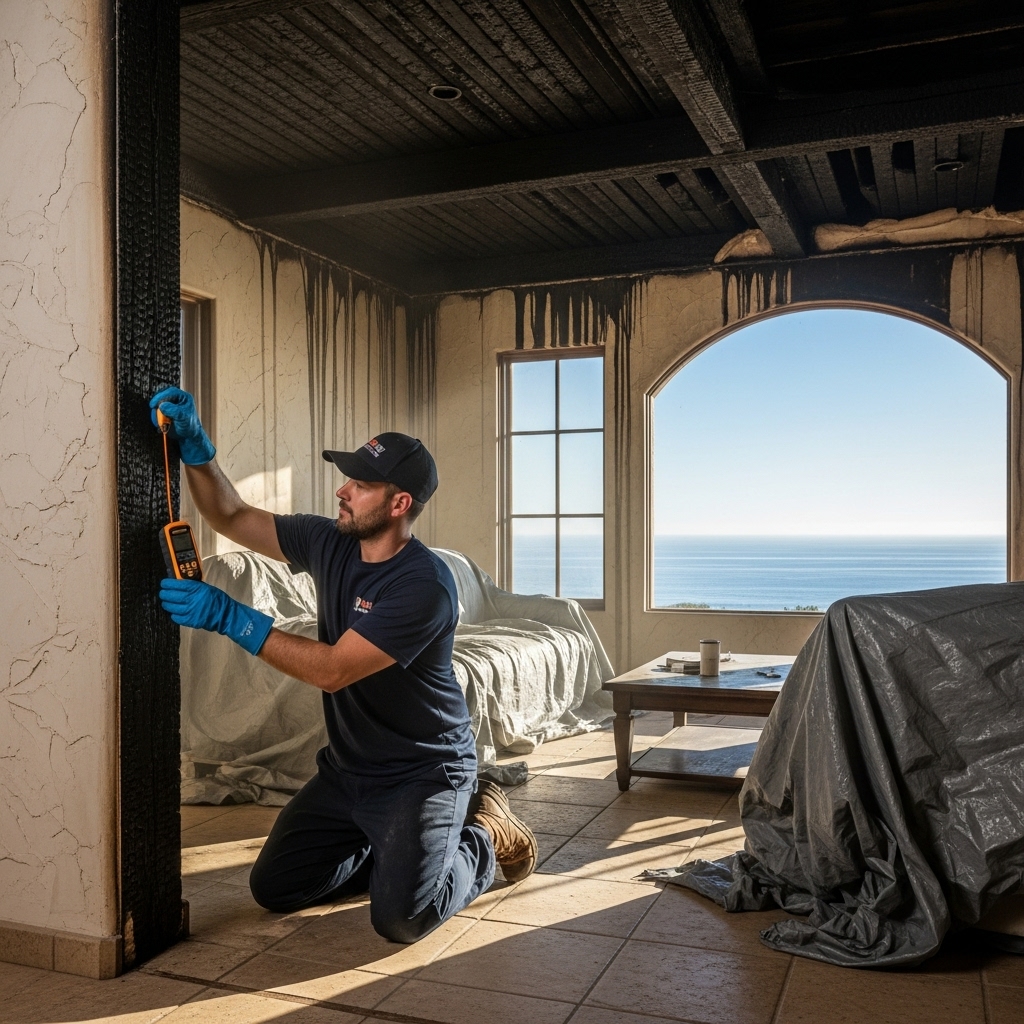
From the first walk-through, a seasoned crew will evaluate structure, smoke migration patterns, and building materials. Mediterranean stucco behaves differently than cedar shingles; single-story ranch layouts present different challenges than multi-level hillside homes with split foundations. The intent is to map your home’s story: where heat concentrated, how soot settled, and which finishes are recoverable versus those that require full replacement. It’s a calm, methodical start to a journey that can feel emotional, but with a clear plan, you’ll quickly see progress.
How scope shapes planning and expectations
Every project begins with scope. Scope is determined by heat impact, smoke penetration, water exposure from firefighting efforts, and the age and type of materials in the home. Solid-core doors might clean beautifully; certain laminates delaminate and must be replaced. Plaster tends to be resilient, but its lime content can mask odor until humidity rises. Flooring decisions hinge on subfloor moisture readings; oak can often be saved, engineered boards less so depending on the wear layer. This is why a detailed assessment matters—it gives you realistic expectations and a sequence that respects what the home can keep.
Personal property is a world unto itself. Rugs, artwork, family documents, musical instruments—each demands a specific technique. Soft goods head to specialized facilities, while high-value pieces receive white-glove attention. Pack-out is not simply boxing and labeling; it is a cataloging process meant to track condition, prioritize cleaning, and prevent secondary damage. Done well, it preserves the memory and utility that make a house feel like home.
Woodland Hills and Malibu: two neighboring worlds
While just a short drive apart, Woodland Hills and Malibu behave very differently after a fire event. In Malibu, salt air and onshore moisture can react with soot to accelerate corrosion on metals—think stainless appliances, fixtures, or hardware. Homes perched above the coast often have open beam ceilings and expansive glazing; smoke likes to hide in the micro-cracks of beams and in the felt at window perimeters. Road access can be narrow and steep, which means staging equipment requires careful logistics. Ocean breeze patterns also influence how odor drifts and where negative air machines will be most effective.
Woodland Hills, sitting in the west end of the San Fernando Valley, experiences hotter, drier microclimates, especially during Santa Anas. Attic spaces can run hotter, pushing smoke deeper into insulation and HVAC trunks. hillside properties between Calabasas and Woodland Hills can have complex drainage that complicates post-fire water extraction. Knowing how to tailor the plan to these local nuances is one of the quiet advantages of a team that works both sides of the hill daily.
Sequencing, pace, and communication
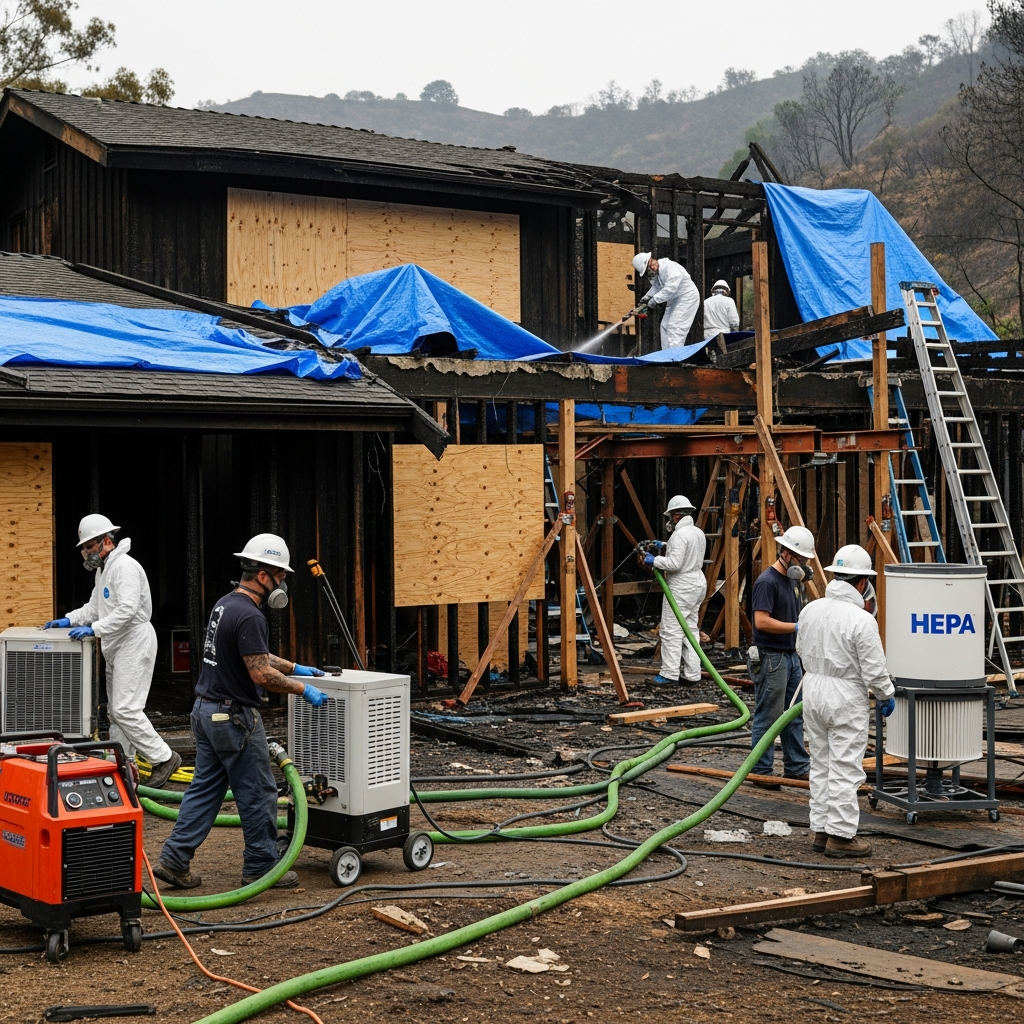
There’s a reason seasoned project managers talk so much about sequencing. Board-up and weatherproofing protect the envelope and deter intrusion. Stabilization of charred framing addresses safety and prevents odor push when demolition begins. Water mitigation curbs microbial growth while materials are triaged. Clear milestones—stabilize, mitigate, clean, rebuild—keep everyone aligned. Regular updates help you anticipate when parts of the home will be accessible again and when decisions are needed on finishes, fixtures, or layout improvements.
In Malibu’s canyons, access windows may be tighter because of local restrictions or narrow streets shared with neighbors rebuilding. In Woodland Hills, large lots can simplify staging, but summer heat demands careful handling of chemicals and equipment. Thoughtful scheduling respects municipal guidelines, HOA rules, and your family’s routines. With the right rhythm, momentum becomes visible week by week.
Understanding smoke behavior and odor removal
Smoke behaves like a living thing. It follows thermal pathways, slips behind switch plates, and clings to porous finishes such as drywall, fabric, and unfinished wood. Protein-style kitchen fires leave a nearly invisible residue that carries a stubborn odor, while wildfire smoke deposits oily particulates that smear if cleaned incorrectly. The craft lies in choosing the right cleaning chemistry and media for each surface: alkaline cleaners for acidic soot, dry sponges for early passes, and controlled abrasion for char staining on raw lumber.
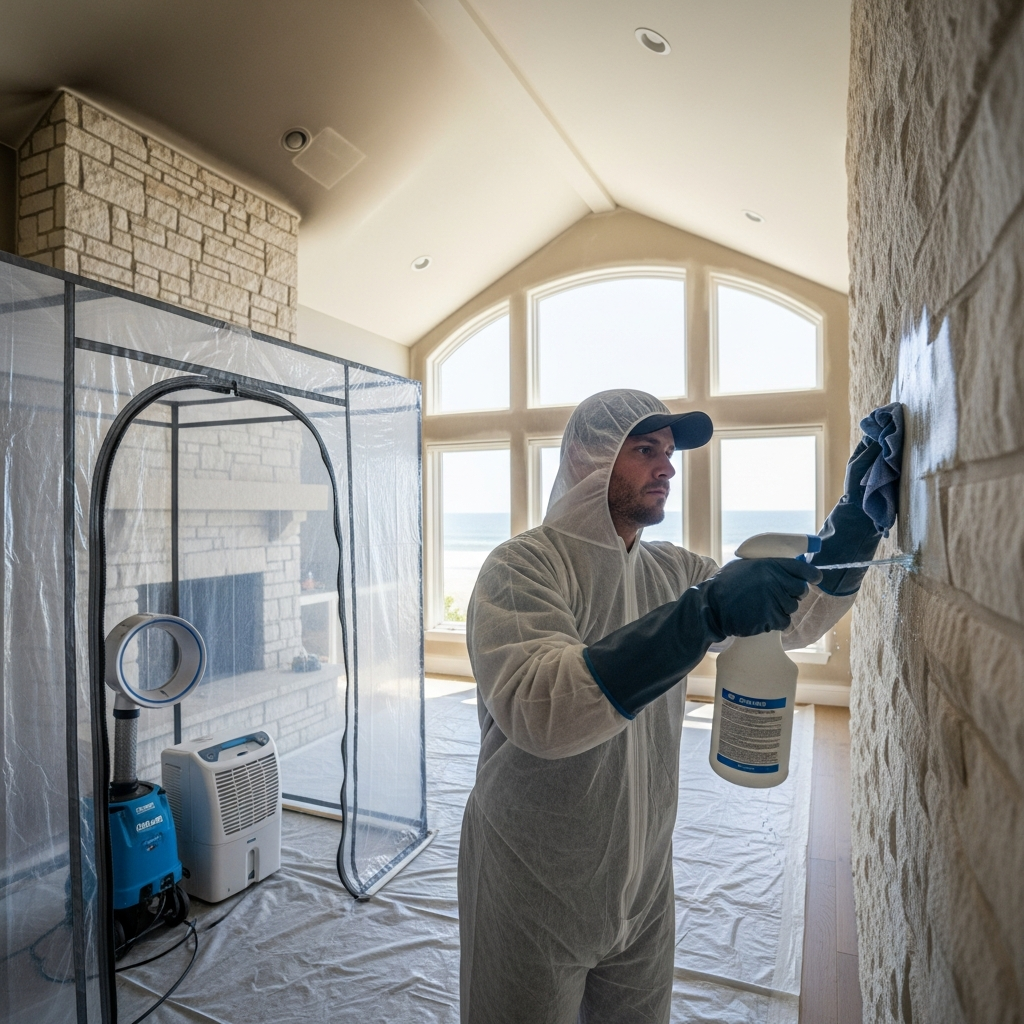
Air management is equally important. Negative air machines with HEPA filtration, combined with meticulous duct cleaning, prevent recontamination. Odor neutralization is layered: source removal first, then thermal fogging or hydroxyl treatment as appropriate, followed by sealing where necessary. Homeowners who compare options for fire damage restoration often focus on equipment lists; the truth is, successful odor control has as much to do with sequence and technique as it does with tools.
Water, corrosion, and material decisions
Firefighting water is a paradox—it saves the structure but complicates the aftermath. Moisture readings guide whether plaster walls can be dried in place or if sections must be removed. Cabinets with MDF components swell quickly, while solid hardwood boxes can be restored if addressed early. Corrosion can begin on electronics and metal in hours if soot is left in place; early wipe-downs and corrosion inhibitors buy precious time. Window assemblies with compromised seals may look intact but harbor odors in the frames. Each choice balances preservation, health, and the long-term performance of the building envelope.
Documentation, insurance, and advocacy
Documentation is your ally. Thorough photo logs, moisture maps, and an inventory of affected contents create a shared language among you, your adjuster, and the restoration team. When everyone sees the same facts, decisions happen faster. It helps to identify items with high sentimental value so they receive special handling. And while rebuilding can be an opportunity to improve layouts or performance—better insulation, safer electrical, more fire-resilient materials—those conversations must be coordinated so that recovery remains efficient.
Local familiarity makes a difference. Teams accustomed to working with regional carriers and Malibu and Woodland Hills inspectors can anticipate common requests, whether it’s a specific fire-blocking detail or documentation about smoke sealing in concealed spaces. These are the moments when experience shortens the path from chaos to comfort.
Health, cleanliness, and living well during recovery
Indoor air quality is a priority from day one. Crews should isolate work zones, capture airborne particulates, and clean in a manner that prevents cross-contamination into rooms you may still occupy. For families with children, older adults, or pets, this attention brings peace of mind. Many homeowners choose a partial move-out; others remain on site with well-defined clean zones. There isn’t one right answer, only the solution that best balances momentum and comfort.
Responsible choices and resilience
There is a thoughtful way to rebuild that honors what you’ve been through. Reusing salvageable framing or doors where structurally appropriate, choosing low-VOC finishes, and upgrading to more resilient materials in areas prone to heat or ember exposure are all steps toward a home that not only returns to normal but becomes more comfortable and prepared. In Malibu’s WUI-adjacent neighborhoods and Woodland Hills’ canyon edges, the right assemblies can reduce future risk without compromising aesthetics.
Selecting the right partner
When you meet with potential teams, pay attention to the questions they ask. Pros will talk about thermal patterns, subfloor moisture, HVAC contamination, and how they’ll protect spaces that tested clean. They will explain their sequencing, the documentation you can expect, and how changes will be handled. Above all, they’ll communicate in a way that makes you feel informed rather than overwhelmed. Restoration is as much about people as it is about materials.
Frequently asked questions
What should I do in the first 24 hours after a fire?
Safety first: wait for clearance to re-enter, then photograph conditions before anything is moved. If you can, secure the property to prevent weather and unauthorized access. Avoid turning on HVAC systems, which can spread soot. If there is standing water, keep clear of rooms where electrical systems may have been compromised. Contact your insurance provider to initiate a claim, and reach out to a qualified local team to begin assessment and stabilization. Early steps—board-up, moisture control, and initial surface cleaning—protect what can be saved and prevent small issues from growing into larger ones.
How long does the restoration process typically take?
Timeframes vary based on the extent of damage, the size of the home, and the availability of materials and inspectors. Stabilization and mitigation can move quickly, particularly if crews mobilize right away. Deep cleaning, deodorization, and selective demolition follow, and rebuilding depends on how much structural work is required. Projects with complex finishes, custom cabinetry, or hillside logistics may require more coordination. Your team should provide a realistic schedule with milestones and update it as new information emerges from demolition or inspections.
Can smoke odor really be eliminated?
Yes, when source removal is thorough and techniques are matched to materials. Odor lingers when char, residue, or contaminated dust remains in concealed spaces. The most dependable approach layers methods: clean, dry, and remove; then treat with appropriate technologies such as thermal fogging or hydroxyls; finally, seal only where necessary to lock in residual molecules. Attention to HVAC systems, attic chases, and finished millwork is essential. In coastal Malibu and warm Woodland Hills, managing humidity and temperature during treatment also improves outcomes.
Do I need to move out during restoration?
It depends on the scope and layout of your home, as well as your comfort level. Some families remain on site with clearly separated work zones and daily cleaning routines to prevent dust travel. Others prefer a short-term rental while the most disruptive phases—demolition and heavy cleaning—occur. Your project manager can help you weigh the trade-offs, including access for crews, noise, and protection of unaffected rooms. The goal is to keep life moving while maintaining health and momentum.
How do insurance and documentation work together?
Think of documentation as the bridge between what happened and what needs to happen next. Photos, moisture readings, and detailed inventories provide context for your adjuster, who authorizes portions of the work. When both sides share the same evidence, decisions are faster and clearer. A good restoration partner will help organize these materials, communicate findings, and anticipate common requests so you can spend less time chasing paperwork and more time making decisions that move your home forward.
What makes projects in Malibu different from those in Woodland Hills?
Both communities share wildfire exposure, but Malibu’s coastal environment introduces salt and humidity that can accelerate corrosion and complicate odor control in open, high-ceilinged spaces. Access along canyon roads can influence staging and scheduling. In Woodland Hills, hotter, drier conditions and larger attic volumes often drive a more aggressive approach to HVAC cleaning and insulation replacement. Understanding these nuances means work is planned to the property, not the other way around.
If you are ready to take the next step toward a calm, organized recovery, connect with a local team that knows both communities well. From the first walk-through to the final clean, your path back to normal can be steady, transparent, and respectful of what matters most to you. Start a conversation today and explore your options for fire damage restoration with people who understand the terrain, the weather, and the way your home is meant to feel again.