Inspection is the compass that guides recovery after a fire. In Malibu, where smoke can pour through canyon openings and coastal humidity shapes how materials react, a careful, locally informed inspection makes the difference between guesswork and a confident plan. Calabasas-based restoration teams bring a practiced eye to Malibu properties because our communities share roads, weather, and building styles. An effective inspection identifies what’s damaged, what’s salvageable, and what must be protected immediately. It also sequences the work: safety first, stabilization next, deep cleaning and drying thereafter, and finally repairs. Before any of that, reach out to professionals skilled in fire damage restoration so the first steps are the right ones.
The process begins at the curb with a sweep of the site. Inspectors look for hazards—leaning trees, compromised power lines, or structural shifts visible at rooflines and walls. They scan for ash drifts and soot patterns that hint at airflow paths into the home. At the entry, they verify utilities are safe to approach and that the structure is stable enough to enter. These early calls, quiet and quick, prevent injury and keep the rest of the work focused.
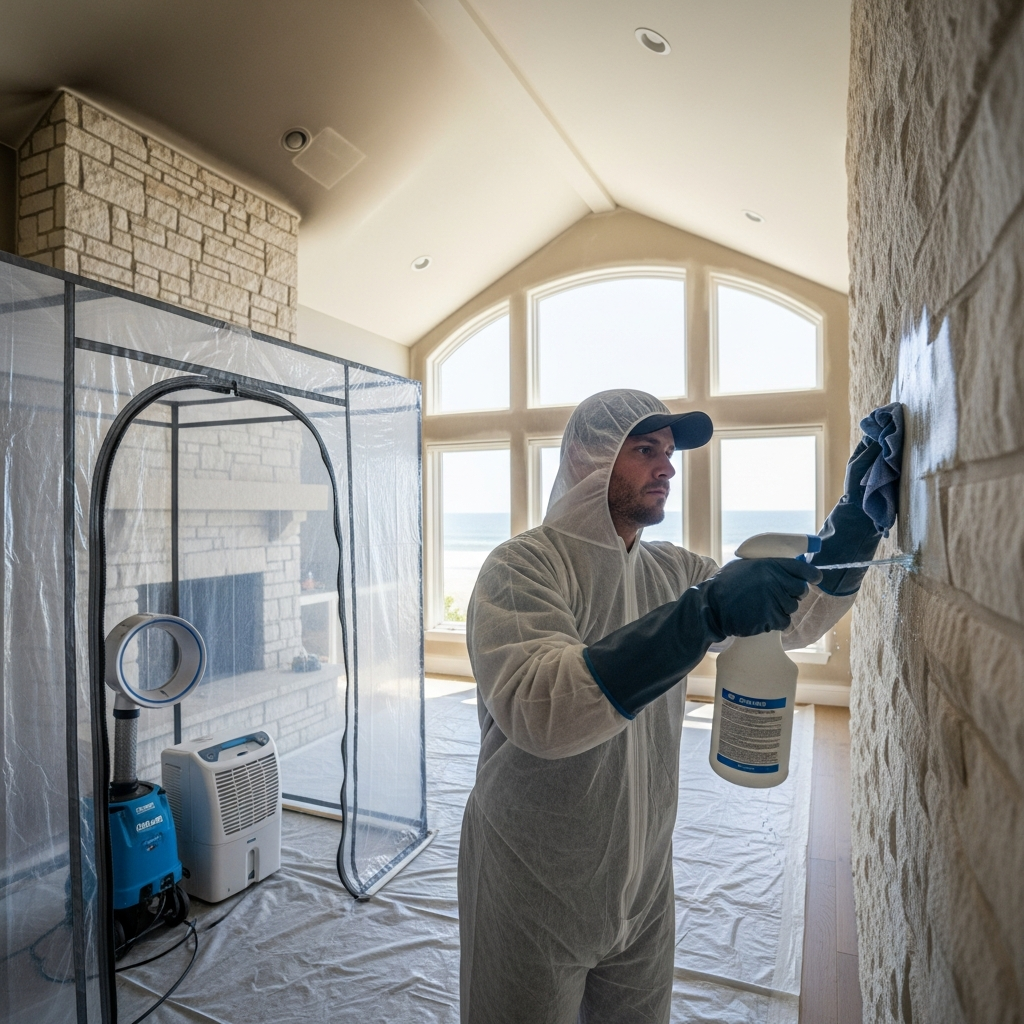
Inside, the inspection becomes a map-making exercise. Where did smoke travel first? Which rooms show heaviest deposition, and which seem clean but may hide residues? Visual cues—soot on door headers, shadowing near recessed lights, fine dust on shelves—combine with air readings and surface tests. Inspectors note the materials in play: plaster or drywall, hardwood or tile, natural stone or engineered finishes. Each combination responds differently to cleaning agents and moisture. The aim is to categorize spaces by severity and plan containment that allows work to proceed without cross-contamination.
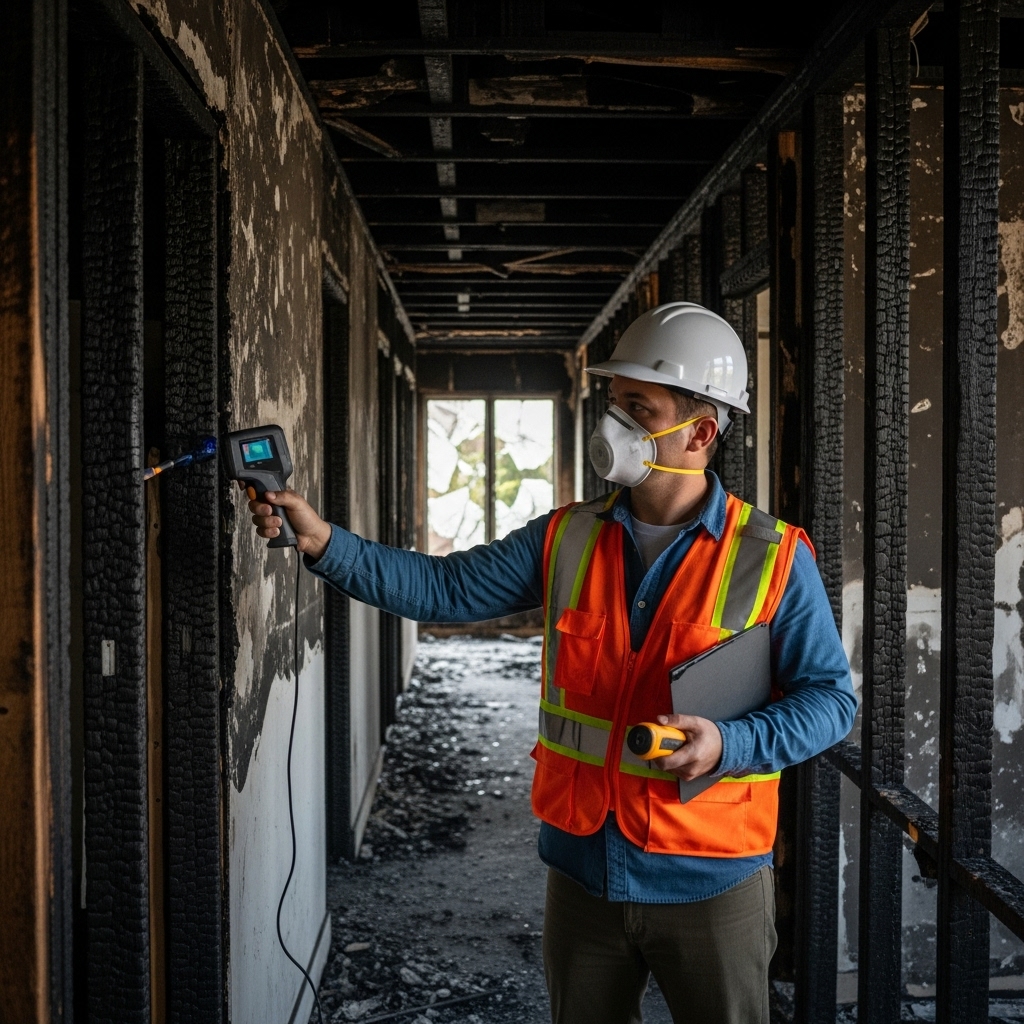
Moisture assessment follows closely. Firefighting water, roof openings, and condensation can introduce moisture into walls, floors, and insulation. Using moisture meters and thermal imaging, inspectors trace where water migrated and where it likely pooled. They look for complex assemblies—under-stair closets, built-ins, or areas behind knee walls—that act as traps. A solid moisture map guides targeted drying and selective demolition, avoiding unnecessary tear-out while preventing mold growth.
Mechanical systems receive special attention. HVAC returns and registers are sealed to prevent movement of particles while cleaning is underway. Filters are checked and replaced. If evidence points to duct contamination, the inspection sets the timing for cleaning so that ductwork doesn’t undo progress once surfaces and contents are addressed. This choreography is a hallmark of experienced teams who’ve learned the hard way that getting the order right saves days and preserves morale.
Contents inspection is both technical and empathetic. Items are grouped by material, exposure, and sentimental value. Solid wood furniture often responds well to specialized cleaning; foam-heavy pieces can trap odors stubbornly. Textiles may be triaged for on-site treatment or sent off-site. Photographs, art, and heirlooms get priority handling, with documentation that travels with each item. This is where trust is built, and where owners see the difference between generic clean-up and true restoration.
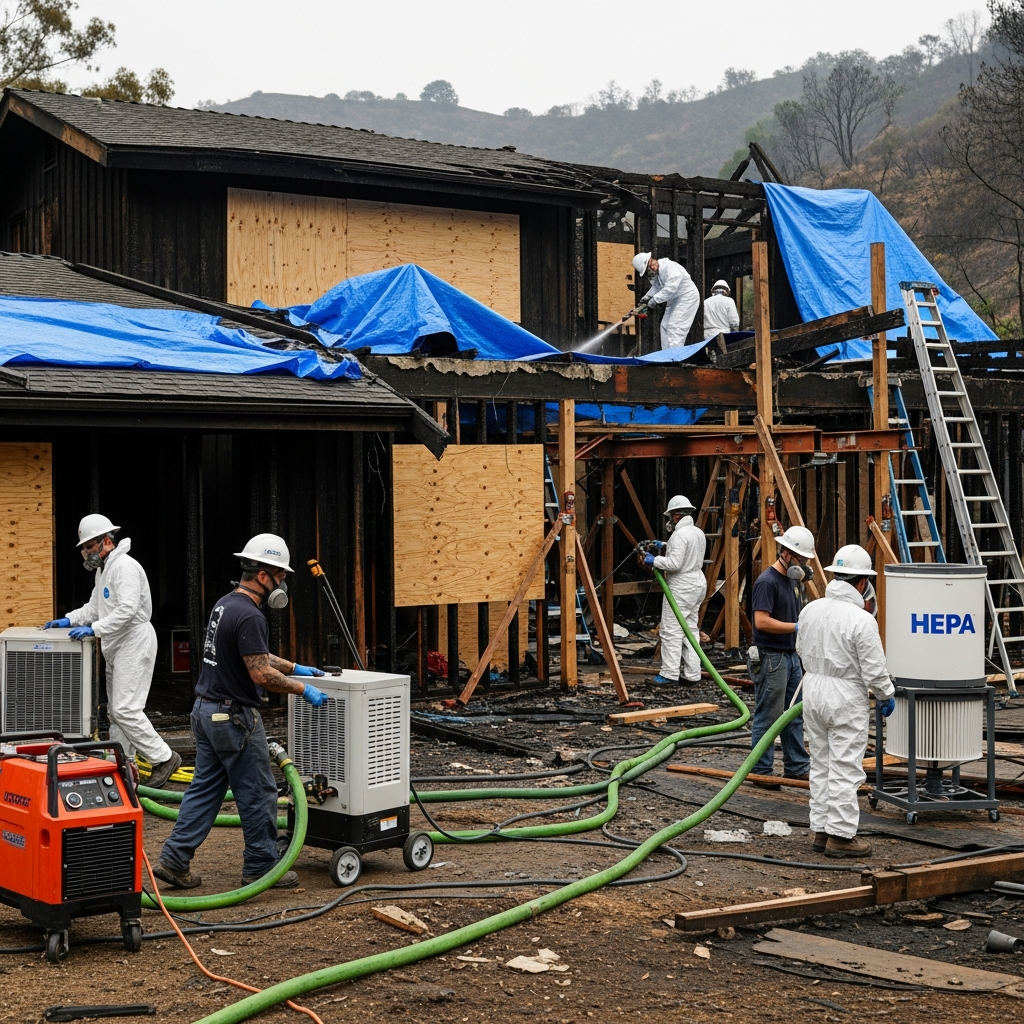
Another dimension of inspection is exterior detailing. From eaves and vents to siding and decks, inspectors evaluate ember pathways and heat exposure. Even in the absence of direct flame, radiant heat can stress materials, warp seals, and loosen fasteners. Malibu’s salt air can magnify these effects, making early neutralization of residues and protective measures important. Roof assessments confirm whether temporary coverings are necessary to guard against overnight dew or an unexpected sprinkle.
Documentation underpins every finding. Photographs, measurements, and notes connect to standards and inform insurance communication. Inspectors create a narrative that explains not just what happened, but why certain actions are necessary. This clarity streamlines approvals and aligns expectations for owners, adjusters, and contractors. It’s a relief to have a map when so much feels uncertain.
In multi-structure properties—guest houses, studios, garages—inspections expand to include how smoke may have moved between buildings. Detached structures sometimes fare worse because of ventilation patterns or gaps that make them easy targets for smoke drift. Coordinated plans address each space in an order that protects finished work and uses resources efficiently.
Mid-inspection, owners often ask when they can retrieve essentials or re-enter certain rooms. Clear answers depend on containment setup and air conditions. Inspectors help designate clean zones and safe pathways, reducing stress while keeping progress on track. The middle of a project is also the ideal moment to reaffirm the sequence—what’s next, who’s doing it, and how long it should take—so everyone understands the rhythm of restoration. This is when experienced fire damage restoration professionals demonstrate the value of communication as much as technical skill.
A thorough inspection also anticipates code implications. In Malibu’s wildland-urban interface, repairs to exteriors can trigger upgrades such as ember-resistant venting or ignition-resistant cladding. Identifying these early allows material orders and permitting to begin alongside cleaning, compressing the overall timeline. Partnerships with local officials and an understanding of regional interpretations of code help keep the process smooth.
Electrical and plumbing systems are evaluated for heat stress. Outlets, breakers, and visible wiring are tested and inspected; plastic plumbing components and fixtures are checked for deformation. If anomalies appear, licensed trades are brought in promptly. Safety isn’t something to “circle back to” later—it is embedded from the first walk-through.
Finally, a good inspection ends with a plan you can understand. It outlines immediate stabilization, targeted cleaning, moisture control, contents handling, HVAC strategy, and repair pathways. It sets check-in points where air quality and moisture levels will be verified. This clarity makes it easier to stay patient during an inherently disruptive time because progress is visible and measurable.
FAQs
How quickly should an inspection happen after a fire?
As soon as the site is safe to enter. Early inspection prevents secondary damage by directing stabilization—board-ups, roof covers, moisture control—and setting containment to protect cleaner areas. In our area, morning marine layers can accelerate corrosion, so hours matter.
What tools are used during inspection?
Inspectors rely on moisture meters, thermal cameras, particulate counters, and surface testing kits alongside cameras and detailed checklists. The goal is to pair scientific readings with experienced observation, producing a plan that’s both precise and practical.
Can I be present during the inspection?
Yes, and your presence helps. You know the home’s quirks—drafty corners, rooms that run warm, or past repairs. Inspectors explain findings, outline immediate steps, and identify where access should be limited for safety and cleanliness.
How does inspection address HVAC systems?
Registers are sealed early, filters replaced, and ducts inspected visually and, if needed, by camera. Timing for cleaning is set to avoid recontaminating cleaned spaces. The system is only restarted when it won’t circulate soot.
What decides whether materials are cleaned or removed?
Decisions are based on the severity of exposure, material porosity, and health considerations. For example, heavily smoke-impacted insulation is typically removed, while solid wood can often be cleaned. Surface testing and odor evaluation guide these choices.
Will the inspection help with insurance?
Absolutely. Thorough documentation—photos, readings, and narrative—supports your claim by connecting actions to verified conditions. It clarifies scope and reduces delays by giving adjusters a clear, professional basis for approvals.
How are personal items handled?
Items are inventoried, assessed for salvageability, and either cleaned on-site or transported for specialized treatment. Chain-of-custody records and before-and-after photos provide transparency and peace of mind throughout the process.
What if multiple structures are affected?
Inspections map each building’s condition and sequence the work to prevent cross-contamination. Priorities consider occupancy needs, structural safety, and the efficiency of moving crews and equipment between areas.
In a place as beautiful and complex as Malibu, clarity is kindness. A meticulous inspection turns uncertainty into a roadmap and lays the groundwork for safe, thorough recovery. When you’re ready to begin, connect with a local team that knows these mountains and this coastline. Choose experienced neighbors in fire damage restoration and start the path back to clean air, safe structure, and confidence in every next step.