Living along the canyons that connect Calabasas and Malibu means enjoying ocean breezes by afternoon and quiet hillsides by evening. It also means living with a seasonal rhythm that demands preparedness. While we can’t choose when Santa Ana winds arrive or where a spark will fall, we do control how ready our homes are to resist embers, shed smoke, and recover gracefully. Drawing on years of work across both sides of the ridge, local restoration specialists emphasize maintenance as the quiet hero of resilience. The right routines protect health, property, and peace of mind. And when the unexpected happens, experienced fire damage restoration blends seamlessly with those habits to speed a safe return to normal.
Maintenance starts with mindset. Think of your home as a system rather than a collection of parts. Roofs meet walls, vents breathe, windows seal, and mechanical systems move air and moisture. Each connection is a potential ember pathway or a place smoke can settle. Walking the property with that systems lens—ideally twice a year, before and after peak fire season—helps you spot small issues before they become big ones. It’s not about perfection; it’s about reducing risk at the margins where it most often matters.
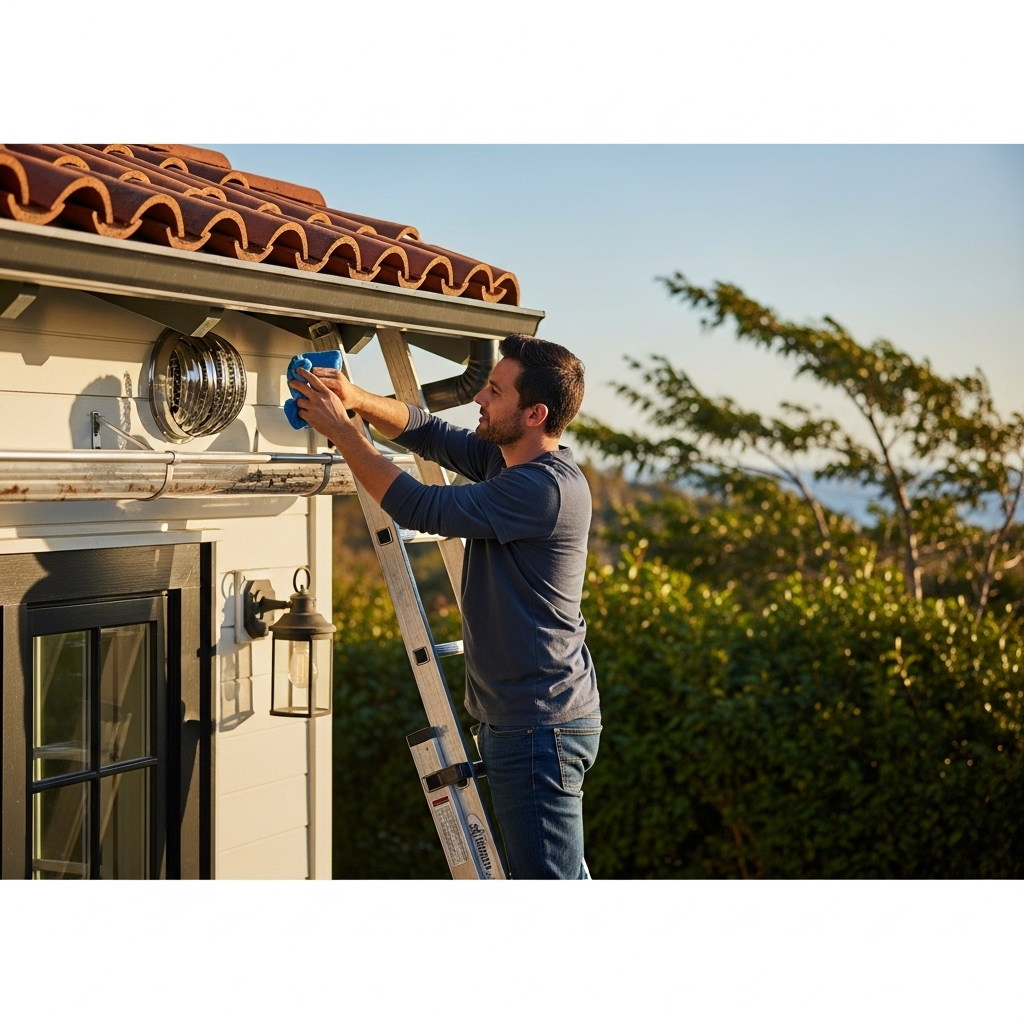
Begin at the top, where embers land first. Roof coverings, flashing, and gutters deserve close attention. Even a small gap in flashing can invite ember intrusion, and dry debris in gutters is prime fuel. Malibu’s coastal air adds a twist: salt encourages corrosion that can loosen fasteners and create tiny openings that embers exploit. A habit of cleaning gutters and checking for loose elements keeps this vulnerable zone in shape. When replacement is on the horizon, consult about ignition-resistant materials that fit your home’s style while offering better protection.
Vents are the lungs of the home, and they can be the weak point during fire events. Older vent screens may have mesh too wide to stop embers. Upgrading to ember-resistant vent designs is an investment in simplicity—out of sight, but crucial when winds rise. In the course of normal upkeep, clear lint and dust that can catch and smolder, verify screen integrity, and ensure attic vents and soffits are intact. In our area’s canyons, wind-driven embers concentrate around eaves; attention here pays dividends.
Windows and doors deserve routine inspection for weatherstripping and seal performance. Not only does this improve energy comfort, but it also reduces smoke infiltration when the air outside turns acrid. In older homes, settling can create hairline gaps at sills or thresholds. Replace worn seals and check that latches engage fully so they can be secured quickly when needed. During smoke events, a tight envelope limits indoor contamination and makes later cleaning far simpler.
Landscaping and hardscape design help create defensible space. Instead of treating it as a checklist, approach it as an evolving conversation with your property. Trim back ladder fuels that could carry flames toward eaves, maintain irrigation around key plantings without overwatering, and select species known to be less flammable. Rock borders and well-placed paths can interrupt ember travel. In Malibu’s microclimates, some slopes dry out faster than others; adjust care accordingly. The goal is a landscape that you love, tuned to slow and scatter embers rather than feed them.
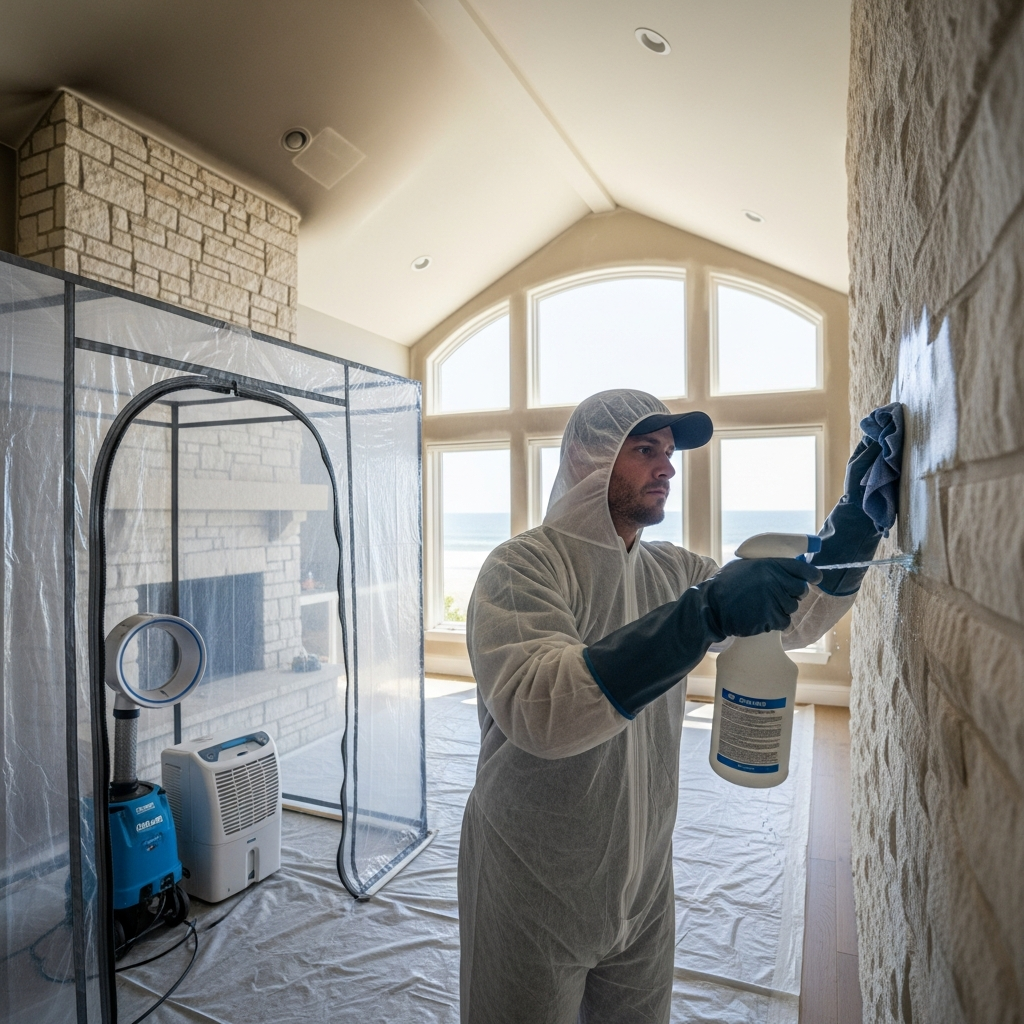
Inside, cleaning routines have outsized influence when smoke drifts over the ridge. Dust is a magnet for soot particles. Regularly vacuuming with a HEPA-capable unit, wiping horizontal surfaces, and rotating textiles (curtains, throws, bedding) for periodic washing reduces the load that smoke would otherwise cling to. Pay attention to closets and storage rooms where air doesn’t move; these become odor reservoirs if smoke enters.
HVAC systems require a simple but consistent plan. Replace filters more often during fire season and anytime outdoor air quality declines. Consider higher MERV-rated filters within your system’s specifications. Schedule inspections that include checking duct seals, especially where ducts pass through unconditioned spaces. If a smoke event occurs, resist the urge to run the system until you’ve evaluated whether you might spread particulates through the house. Local pros can help you decide when duct cleaning is indicated and how to time it with other tasks to prevent recontamination.
Moisture management is part of fire readiness because water almost always follows fire. Whether from hose streams, sprinklers, or overnight dew entering a damaged roofline, moisture demands quick attention. Keep a simple kit—towels, plastic sheeting, painter’s tape, and a moisture meter if you’re inclined—so small intrusions can be stabilized before help arrives. Understand where water is most likely to travel in your home: stair stringers, wall-to-floor joints, and behind base cabinets. Familiarity speeds practical decisions when time is short.
Documents and photos matter, too. Store critical records and irreplaceable digital archives in a way that’s easy to grab or already backed up. A plan for pets—crates, carriers, and a go-bag—reduces chaos during evacuations and keeps pathways clear for both your family and the crews who may later work in your home. Preparedness is as much about reducing stress as it is about protecting the structure.
When smoke does arrive, small choices make a big difference. Close windows early, even if the sky looks distant and gray rather than ominous. Place damp towels at thresholds temporarily to prevent drafts that pull smoke indoors, and switch ceiling fans off to avoid stirring particulates. If you must enter briefly during or just after an event, wear a suitable mask and change clothing before settling into a clean room. These habits limit how much contamination you track in and reduce the load that will later require cleaning.
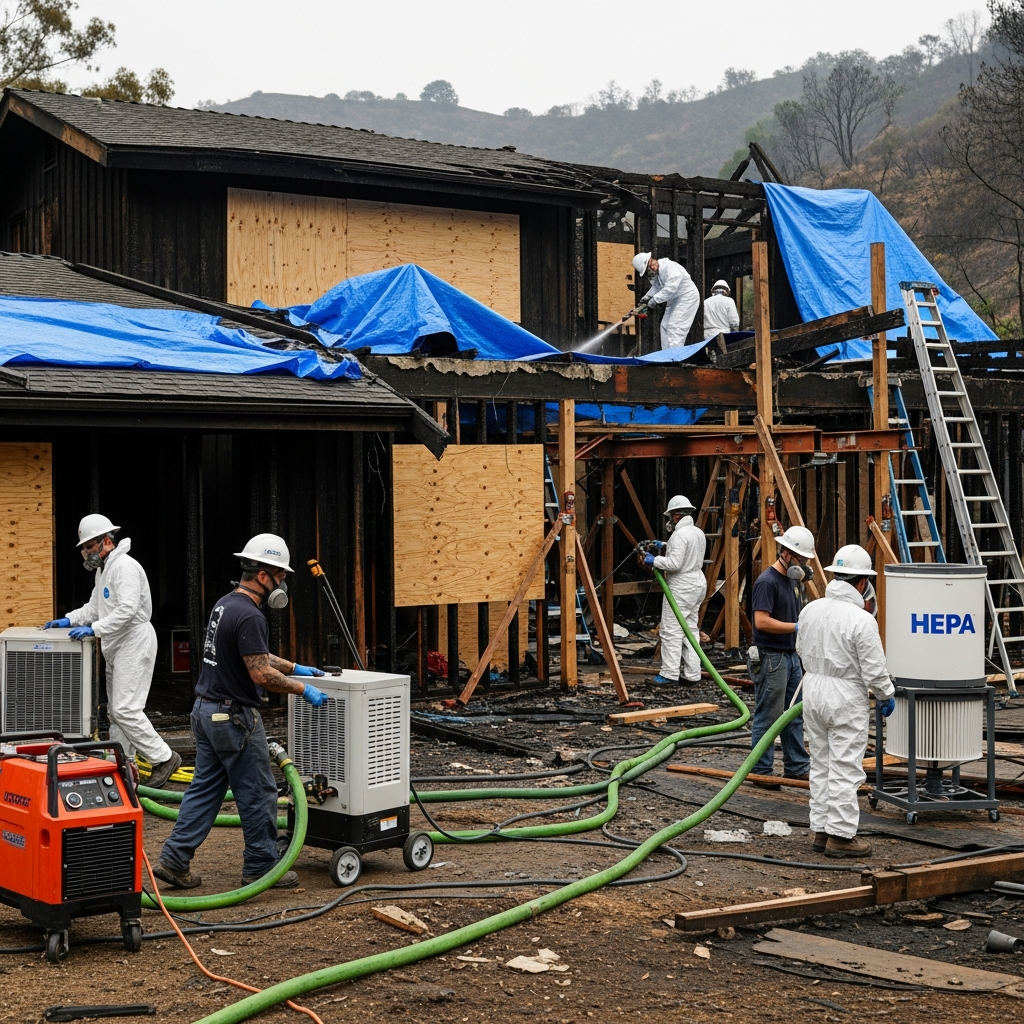
Should damage occur, integrating maintenance with restoration keeps recovery efficient. A well-maintained home is easier to stabilize, document, and clean. Records of filter changes, vent upgrades, and recent repairs help insurers understand your stewardship and may streamline approvals. In the middle of the work, local professionals will often pause to explain why a particular step matters—sealing registers before cleaning, for instance, or waiting to restart HVAC until ductwork is addressed. These explanations aren’t just courtesy; they are how a home returns to equilibrium rather than chasing problems from room to room. Thoughtful fire damage restoration thrives when maintenance has already done quiet work in the background.
Looking ahead, consider resilience upgrades when projects naturally arise. Replacing siding? Explore ignition-resistant options that complement Malibu’s coastal palette. Planning a window package? Ask about tempered glass and robust seals. Refreshing a deck? Consider ember-resistant details and materials that don’t trap debris. Upgrades are easier and more cost-effective when folded into planned work than as standalone retrofits.
Community connections round out maintenance. Share observations with neighbors about wind patterns, power outages, and access quirks; your insight might improve someone else’s plan. Participate in local preparedness events and stay informed about Red Flag warnings. Recovery is faster when communities move in step, and maintenance habits spread through conversation as much as through checklists.
FAQs
What’s the most impactful maintenance task for Malibu homes?
There’s no single silver bullet, but cleaning gutters and upgrading vents to ember-resistant designs consistently rank near the top. These steps address the two most common ember pathways—roof edges and eaves—while complementing broader efforts like defensible landscaping and airtight windows and doors.
How often should I replace HVAC filters during fire season?
Check monthly when air quality is poor and replace as needed. If your system supports higher MERV ratings without straining airflow, upgrade during peak season. After a smoke event, replace the filter before any test run, even if it was recently changed.
Do air purifiers help during smoke events?
Yes, especially units with true HEPA filtration sized appropriately for the room. Place them in spaces you plan to occupy most and keep doors closed to allow them to work efficiently. Purifiers are a supplement to, not a substitute for, closing the building envelope and avoiding activities that stir dust.
Should I pressure wash exterior walls after ash fall?
Use caution. High-pressure washing can drive soot-laden water into window joints and wall assemblies. Rinsing with low pressure and controlled flow, starting from the top and working down, is safer. Protect door thresholds and ensure windows are fully closed before rinsing.
Is there anything I can do to protect indoor air if I must go in briefly?
Set up a simple clean room in advance—a bedroom or office that seals well. Keep a purifier there, and store basic supplies. When returning briefly, change into clean clothing before entering that space, and bag worn items to launder later. This practice keeps a sanctuary available during chaotic periods.
How do I know if duct cleaning is necessary?
Indicators include visible particulate at registers, persistent odor despite surface cleaning, or dust plumes on startup. An inspection can confirm. Time duct service after major cleaning but before final air quality checks to avoid recontamination of clean rooms.
Are there upgrades that blend with Malibu aesthetics?
Absolutely. Many ember-resistant products come in finishes that complement coastal styles. From vent covers to claddings, you can make resilience nearly invisible. Work with local contractors who understand both the design language of Malibu and the performance needs of the wildland-urban interface.
What’s the best way to prepare for a quick evacuation?
Keep essentials—documents, medications, chargers, and pet supplies—packed and accessible. Create a simple checklist and store it near the door. Practice routes with your household so roles are clear. Preparation trims minutes at the moment you need them most and keeps pathways clear for emergency vehicles and, later, restoration crews.
Preparedness is not about fear; it’s about confidence. With practical maintenance and a clear plan, Malibu homes can meet the season with strength and recover quickly if smoke or flames pass through. When you need a hand—from a preventive walk-through to post-event cleaning—turn to neighbors who know these canyons and this coast. Partner with trusted local experts in fire damage restoration and keep your home, your air, and your routines grounded in safety.