When smoke drifts over the ridge or embers ride the wind down a canyon, Malibu homes can suffer in ways that aren’t obvious from the driveway. Living here, we learn quickly that each fire tells a different story: some bring direct flame exposure, others send waves of smoke and ash that infiltrate through the smallest gaps. Calabasas-based restoration teams have seen the spectrum across our shared landscape and encounter a familiar set of challenges that Malibu residents face time and again. Understanding these common issues helps you respond faster, avoid avoidable damage, and make decisions that support a safe return to normal. Early in that process, it’s wise to consult professionals skilled in fire damage restoration, because timing and technique matter as much as effort.
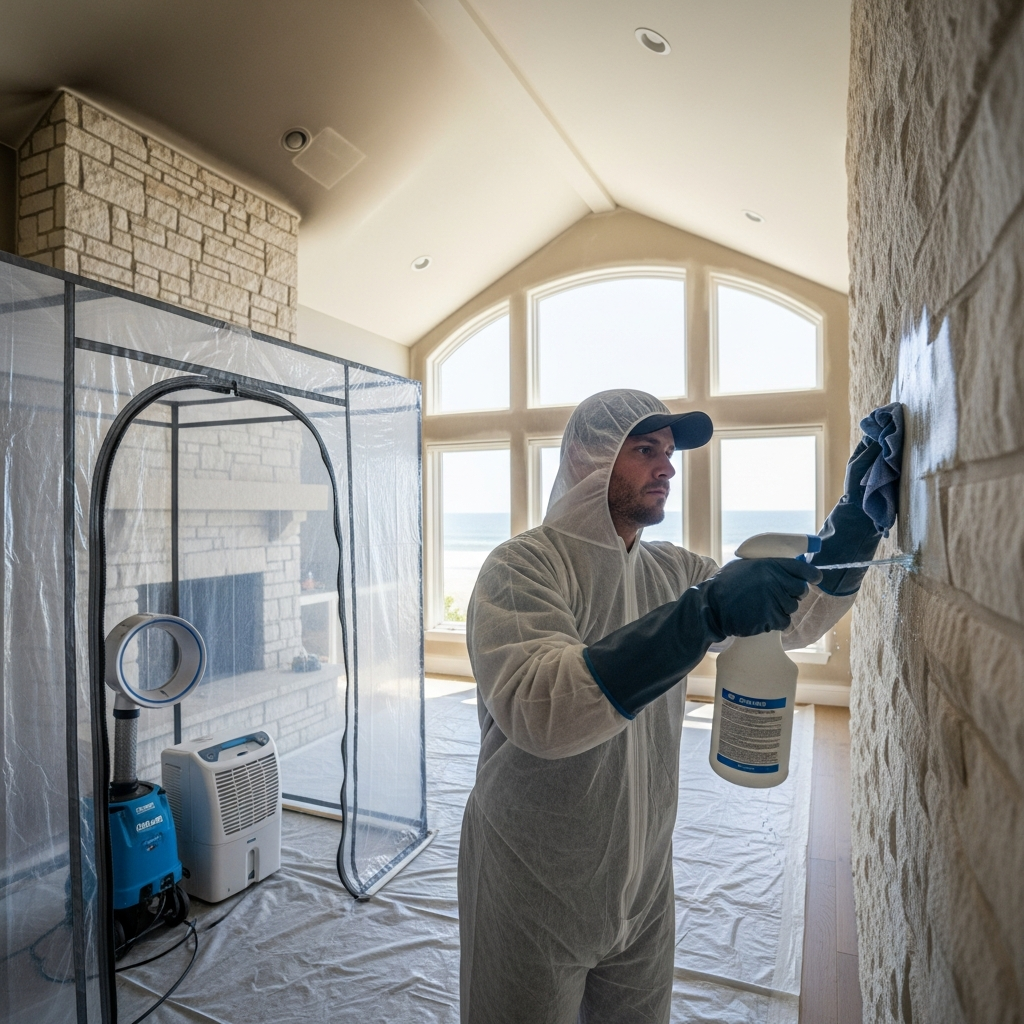
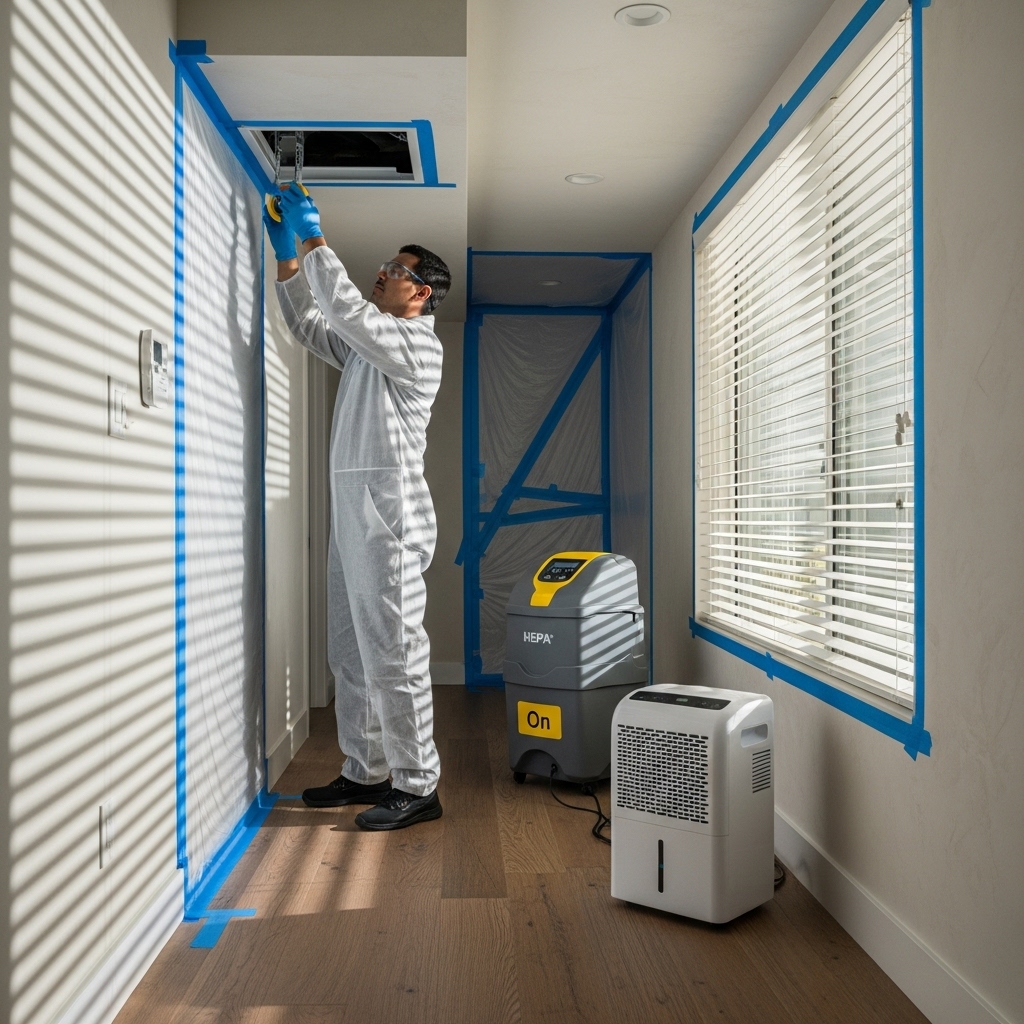
One of the most pervasive problems is hidden smoke migration. In hillside houses, pressure differences pull smoke into upper levels, closets, and the insides of built-in cabinetry. You may open a cupboard and notice a faint, acrid odor even if the kitchen looks fine. That odor traces back to microscopic particles settled on unfinished wood, fabric linings, or the felt inside drawer slides. Without containment and the right cleaning sequence, attempts to wipe down surfaces can actually stir particles into the air and spread them into rooms that were less affected. Local crews counter this with negative-pressure zones and HEPA filtration that keeps contaminants moving toward capture, not deeper into the house.
Another frequent concern is the interaction of soot, humidity, and coastal salt. Malibu’s marine layer is a gift most days, but combined with smoke residues it can become a corrosive mix that etches metals and stains natural stone. Appliances, door hardware, and window tracks are especially vulnerable. Restoration technicians prioritize neutralizing residues on these surfaces early, even while larger structural plans are being developed. This triage prevents small, preventable losses from compounding into bigger ones.
Water always complicates the picture. Firefighting efforts can soak walls, floors, and insulation; roof openings can admit dew; and even the cooling process after a fire can create condensation. Moisture that isn’t addressed quickly fuels mold, especially in enclosed cavities like under-stair closets or behind knee walls. Experienced teams use moisture meters and thermal imaging to identify where water traveled and to guide targeted drying. The goal is to remove moisture without over-drying, which can warp wood and stress finishes.
HVAC contamination is a repeat offender. Even when systems are off, smoke finds its way into returns and settles in ductwork. Turn the system back on prematurely and you can recirculate contaminants through rooms you’ve just cleaned. Local best practice involves sealing registers, upgrading filters, and scheduling duct inspection and cleaning at the right moment—after heavy cleaning but before final air quality checks. This sequence avoids the “one step forward, two steps back” cycle that frustrates many owners.
Contents—furniture, textiles, art, and keepsakes—bring their own complexities. Soot binds differently to leather than to linen, and framed art with paper mats reacts differently than sealed canvases. A common issue is underestimating how much smoke textiles absorb. Carpets, drapes, and bedding can hold odor even when surfaces smell neutral. Professional textile restoration can often save these items, but it works best when begun early and coordinated with the broader cleaning so that freshly cleaned items don’t reabsorb odor from untreated spaces.
We also see confusion around what’s safe to clean independently. Wiping down a visible surface may feel productive, but without containment, you risk redistributing fine particles and cross-contaminating cleaner rooms. Moreover, certain soot types smear when contacted with water or general-purpose cleaners, creating stains that then require more aggressive methods to remove. This is why assessment, testing, and a plan aligned with material science are core to restoration.
Permitting and code requirements can surprise owners in Malibu’s wildland-urban interface. When fire-related repairs touch exteriors—siding, vents, or roofing—upgrades may be required. Ember-resistant vents, enclosed eaves, or ignition-resistant cladding can become part of the scope. Calabasas professionals accustomed to these regulations help anticipate requirements so that construction planning and material orders start early, minimizing delays that might keep you out of your home longer than necessary.
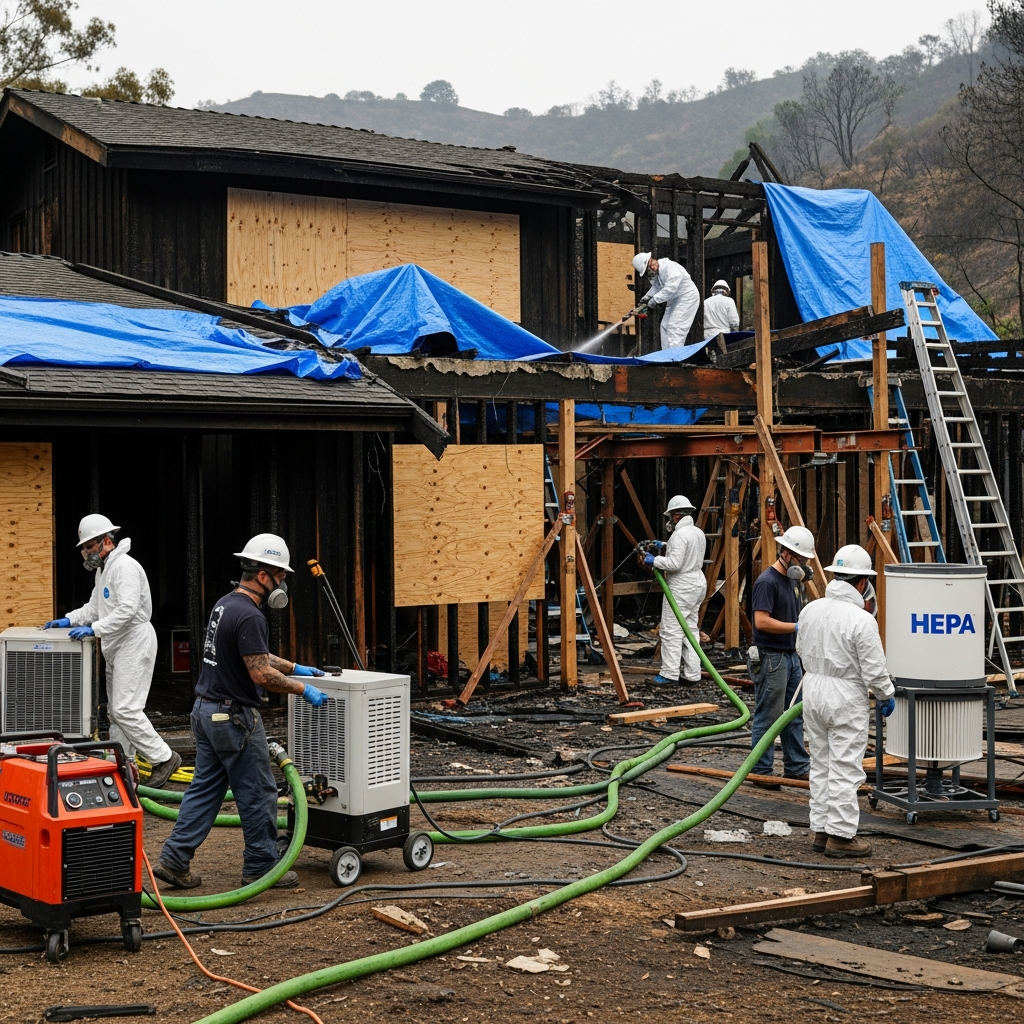
Debris management is another recurring theme. Ash and debris disposal must follow local guidelines, particularly when materials are mixed with hazardous residues. Bagging ash in flimsy liners or disposing of it with household trash can create issues for sanitation crews and the neighborhood. Restoration companies coordinate proper containment and disposal, protecting workers, neighbors, and the environment we all share.
Electrical and plumbing systems deserve careful evaluation after heat exposure. Even if fire never entered the structure, radiant heat can compromise insulation on wiring or deform plastic plumbing components. We routinely see outlets that look fine outside but test poorly under load, or P-traps that have softened and later deform. Collaboration with licensed trades ensures the building’s circulatory systems are as safe as its surfaces are clean.
Another widespread issue is returning too soon. It’s natural to want to reclaim your space quickly, but premature reentry to contaminated areas can aggravate respiratory symptoms and spread residues into cleaner zones. Patients with asthma, children, and older family members are particularly sensitive. Restoration teams help by establishing clean rooms and safe pathways so necessary access can coexist with ongoing work.
Middle-stage setbacks also occur when sequencing slips. Freshly cleaned rooms can be recontaminated if duct cleaning happens too early, if exterior pressure washing drives soot into slightly open windows, or if demolition starts in an uncontained area. The right course is to choreograph each step, maintain containment, and verify air quality benchmarks along the way. This is where an experienced crew explains not just what they’re doing, but when and why, so everyone stays on the same page. Properly managed, professional fire damage restoration turns a chaotic scene into a series of achievable milestones that build toward a healthy, complete result.
Finally, communication gaps create stress. Owners need clear expectations: timelines, what success looks like, and what decisions are theirs to make. Insurers need documentation that ties actions to standards. Neighbors need courtesy, from shared driveway access to quiet hours. Teams who work regularly between Calabasas and Malibu practice this kind of coordination, reducing friction in a process that already asks a lot of patience from everyone involved.
FAQs
Why does my home smell smoky even after I’ve cleaned?
Smoke odor often persists because particles remain in textiles, porous materials, and hidden cavities. Without containment, cleaning can also stir settled soot back into the air. Effective odor removal combines source removal, material-appropriate cleaning, and air purification. Ductwork and insulation may require attention to achieve lasting results.
Is ash on my patio dangerous?
Ash can contain fine particulates and residues that irritate skin and lungs, especially when airborne. Wetting lightly before collection can reduce dust, but indoor tracking is a concern. Professional guidance ensures safe removal and disposal under local guidelines, protecting both health and the coastal environment.
Do I need to replace all my furniture?
Not necessarily. Salvage depends on material, exposure, and the item’s construction. Solid wood pieces may clean well; foam-heavy furniture can hold odors stubbornly. An assessment will classify items as cleanable, marginal, or non-salvageable, helping you prioritize what to treat and what to replace with documentation for insurance.
What should I do first after evacuation orders lift?
Confirm safety with authorities, avoid turning on HVAC, and limit entry to essential inspection. Photograph conditions before moving items. Contact restoration professionals to begin stabilization—covering openings, starting air filtration, and planning moisture control. Early steps prevent minor issues from escalating.
Can smoke damage affect my home’s value later?
Yes, if not properly addressed. Residual odors, stained materials, or hidden corrosion can surface during a future inspection. Thorough restoration protects both habitability and market value by documenting conditions and demonstrating that problems were corrected to standards.
How long does the process take?
Duration depends on severity, square footage, and repair needs. Light smoke cleaning may resolve in days; complex projects with water damage and structural repairs extend longer. Detailed scopes and weekly updates help set realistic expectations and keep progress visible.
Will cleaning my ducts make all odors disappear?
Duct cleaning helps, but it’s one part of a comprehensive plan. If odors remain in insulation, cabinets, or textiles, duct cleaning alone won’t solve the issue. Coordinating ductwork service with whole-home cleaning, source removal, and air purification yields the best outcome.
Are coastal conditions really that different?
Yes. Salt air changes corrosion rates and interacts with soot and humidity, especially on metals and glass. Coastal breezes also influence how particulates move. Restoration plans tailored to Malibu’s microclimate address these differences to protect finishes and speed recovery.
If your Malibu home has encountered smoke, ash, or heat, take heart—you have neighbors versed in these exact challenges. With steady planning and expert care, you can reclaim clean air, protect cherished belongings, and restore the quiet comfort of home. When you’re ready to begin, turn to experienced local teams who specialize in thorough, health-forward fire damage restoration and start your path back with confidence.