Across the Santa Monica Mountains, Calabasas and Malibu are linked by canyons, microclimates, and a history of weathering wildfire seasons together. When flames move, they rarely respect city lines; smoke can drift miles, embers can leap ridgelines, and the disruption that follows touches families, businesses, and routines on both sides. In that reality, the value of local, fast-moving expertise becomes clear. Skilled fire damage restoration in Calabasas doesn’t just help Calabasas—it matters deeply to Malibu because geography, traffic patterns, and building practices are shared. In the crucial early hours, crews who know how to navigate Las Virgenes, Mulholland, Kanan, and Topanga can make the difference between controlled loss and cascading complications.
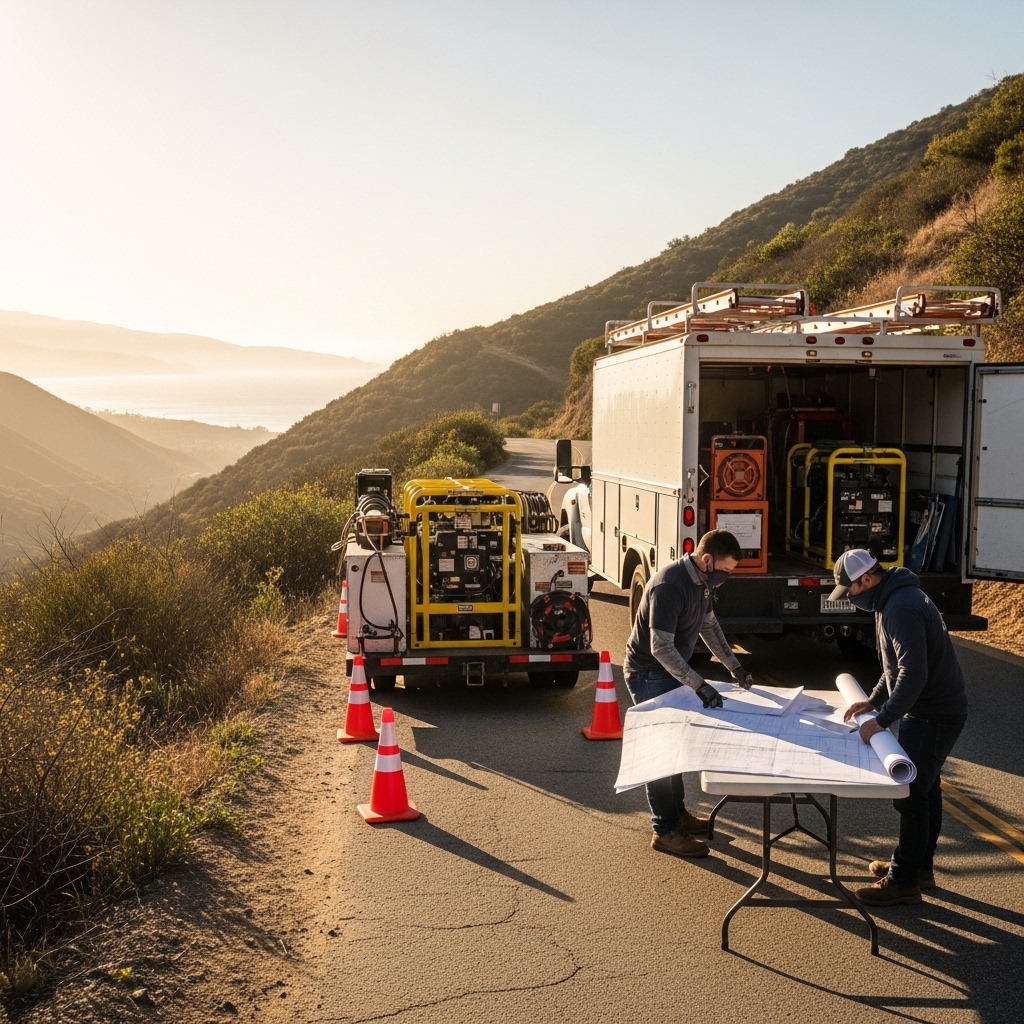
To understand why this cross-community capability matters, start with access. After an event, roads may be partially closed, power lines down, and cell coverage spotty. Teams based nearby have preplanned routes and staging locations. They know where to park heavy vehicles so they don’t block narrow canyon drives or create hazards at blind curves. They’ve learned when sea breezes pick up and how that influences both smoke movement and drying conditions. This intimate familiarity allows them to arrive sooner, assess quicker, and act with confidence.
Then consider construction. Many Malibu houses share DNA with homes in Calabasas: similar framing styles, venting strategies, and finish materials. This commonality is important because soot chemistry interacts differently with different surfaces. A team that frequently cleans salt-air-exposed stainless, oiled oak, or troweled plaster will choose methods that remove contaminants without etching, discoloration, or residue. Likewise, they’ll recognize why smoke often accumulates in recessed cabinets, skylight wells, and stairwells—the subtle traps created by design—and address these areas methodically.
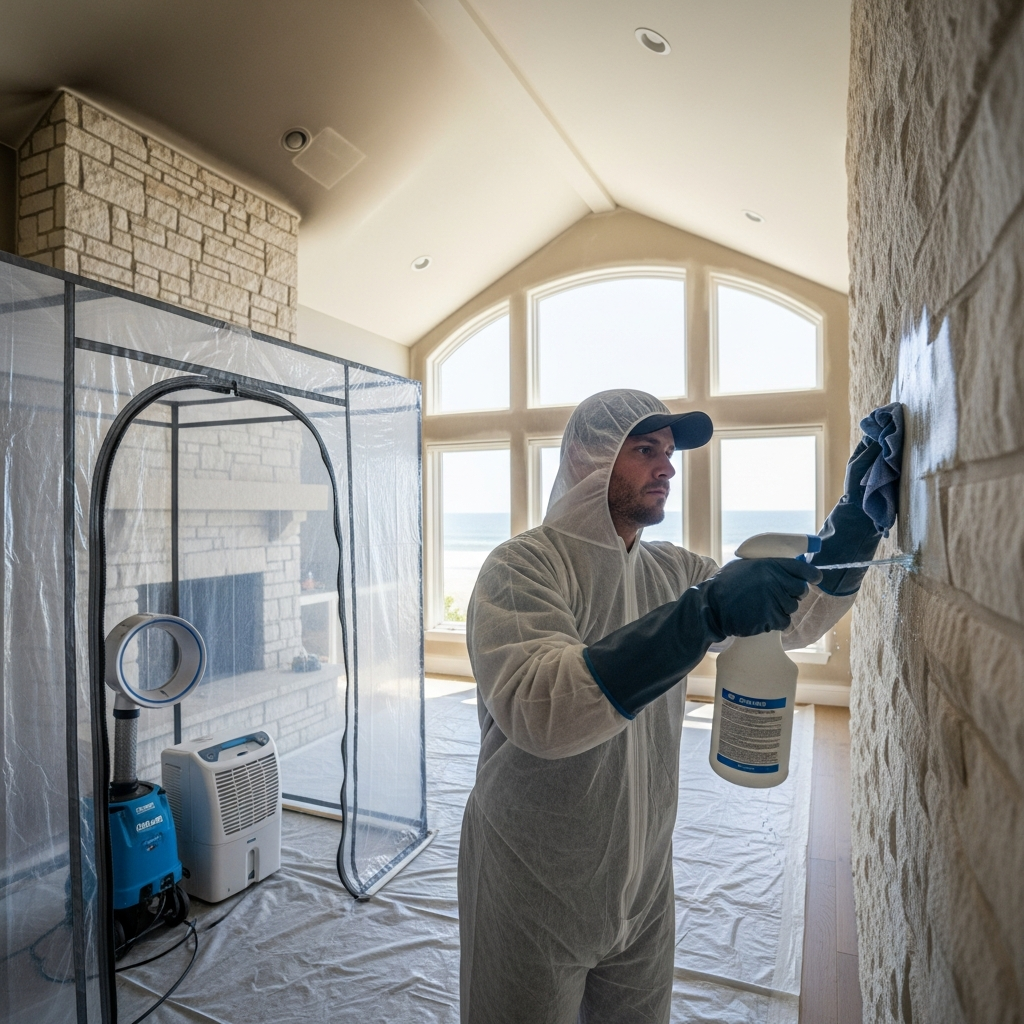
Health protection is another reason restoration capability in Calabasas serves Malibu. Smoke is a complex mixture of particles and gases, and its impacts don’t end when flames are out. Fine particulates can linger, settle into fabrics, and recirculate with foot traffic or a gust through a half-open window. Responsible restoration builds containment, uses high-efficiency filtration, and sequences work to keep clean areas safe while more contaminated zones are addressed. This approach respects the way families actually live—needing limited access to a kitchen, a bedroom, or even a quiet corner for remote work—while keeping risk in check.
What happens in the first 24 to 72 hours matters most
The clock starts as soon as the fire is controlled and the site is safe. Ash is caustic when mixed with moisture; morning marine layers can accelerate that reaction. A rapid response protects vulnerable materials such as stone, metal, and unfinished wood. Window and roof openings are covered to prevent dew intrusion. Standing water from firefighting is extracted before it migrates into subfloors or wicks up drywall. Each of these steps buys time and prevents secondary damage that would otherwise lengthen displacement and complicate claims.
Local teams also bring calibrated judgment to these early decisions. They can distinguish between the mustiness of trapped moisture and the tang of residual smoke, between the harmless film on an exterior wall and the dangerous accumulation inside a closet. This discernment prevents both overreaction and complacency, focusing effort where it’s most impactful.
Building science and coastal realities
Malibu’s proximity to the ocean shapes the way materials react after a fire. Salt in the air, even in trace amounts, can accelerate corrosion when combined with soot and humidity. At the same time, coastal breezes offer drying potential if harnessed properly and controlled within a containment strategy. Restoration professionals accustomed to both Calabasas heat and Malibu’s damp mornings use this knowledge to plan drying and cleaning that respect the building’s envelope and the day’s conditions. The aim is always to remove contaminants without driving them deeper or allowing them to resettle in freshly cleaned spaces.
HVAC systems deserve special attention in this environment. Ductwork can harbor particulates; filters can quickly load up and create pressure imbalances that move smoke residues in unpredictable ways. A careful sequence—seal registers, upgrade filters, clean ducts when indicated, and time system restarts—keeps the mechanical lungs of the home from reintroducing problems. This is not merely a technical preference; it’s about safeguarding the air your family breathes.
Working with insurance and permitting
Malibu and Calabasas share adjusters, permitting authorities, and inspection cultures. When documentation is complete and aligned with local expectations, progress accelerates. Teams experienced in this corridor know the importance of detailed photo logs, moisture readings tied to dates and locations, and itemized contents inventories with clear salvageability decisions. They also know how to coordinate with building officials when repairs intersect with wildland-urban interface requirements, such as ember-resistant vents or upgraded eave protections. That fluency makes an already stressful chapter more navigable.
It’s not only paperwork. It’s communication. Owners need to understand what is safe to touch, what should be discarded, and what can be restored. Insurers need rationale for each action, especially when selective demolition protects health and prevents future issues. Local restorers, working these processes repeatedly, have developed a cadence of updates that keeps all parties aligned.
Preventing the silent spread of damage
Unchecked, soot and moisture travel. A suitcase rolled across a sooty floor can track particles into a clean area. An unsealed hallway can pull smoke into a bedroom as temperature shifts. Professionals counter this with containment barriers, dedicated pathways for movement, and air scrubbers that maintain negative pressure where needed. They use gentle yet effective cleaning agents matched to surface chemistry, and they pace the work so that finished spaces stay finished. In the middle of a project, it’s tempting to rush. The best teams slow down just enough to protect the progress they’ve made.
This is also when education pays off. Owners who understand the logic of the plan are better equipped to make decisions—whether to move certain contents off-site for specialized cleaning, which rooms to occupy temporarily, or how to manage pets in a way that keeps them safe and reduces recontamination. Well-informed participation turns restoration from something done to you into a partnership you can trust.
Beyond cleaning: stabilization and smarter rebuilding
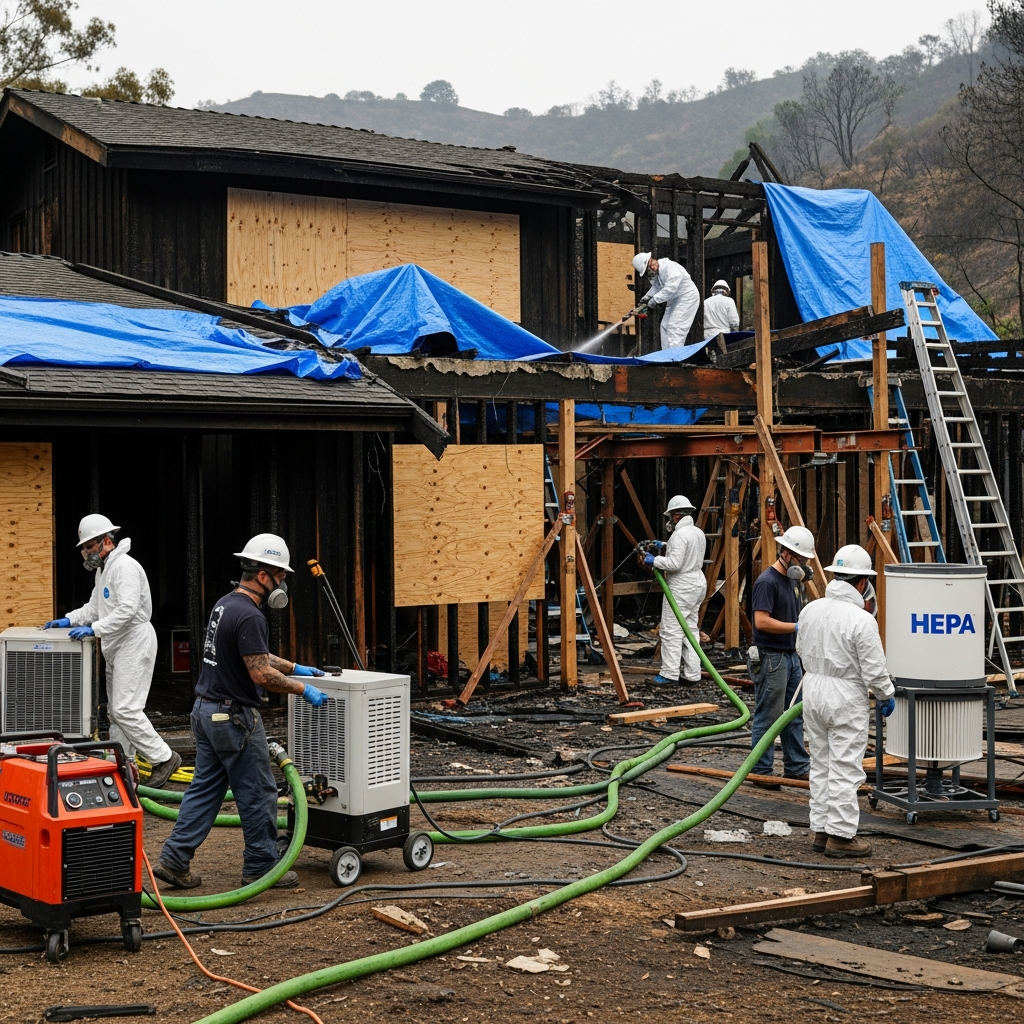
When heat has compromised structure, the first responsibility is to make the site safe. That may mean shoring, board-ups, or weatherproofing. After stabilization comes an opportunity: to rebuild with materials and details that improve resilience. In Malibu’s climate, that can include ignition-resistant claddings, upgraded vent screens, and attention to ember pathways. Calabasas-based teams often bring a builder’s perspective, recommending durable choices that fit Malibu’s aesthetic without sacrificing protection. It’s a pragmatic advantage born of many projects across similar neighborhoods.
Smarter rebuilding also addresses systems. Electrical components exposed to heat may need evaluation or replacement. Plumbing lines can be pressure-tested after extreme temperatures. Insulation choices can shift toward options that resist odor retention while maintaining energy performance. When these decisions are guided by local experience, you avoid the trial-and-error that can otherwise extend timelines.
The social fabric of recovery
Restoration is more than a technical exercise; it’s part of community recovery. Familiar faces, local supervisors, and crews who know the canyon names by heart bring calm to chaotic days. They coordinate with neighbors, share access, and help households move forward in sync. In a place where people greet each other at the farmers market or the trailhead, that sense of care is not incidental—it’s essential. It speeds the return to normal rhythms, from school drop-offs to small business openings, and it reminds us that we are not alone in the work of rebuilding.
Ultimately, this is why Calabasas restoration capacity matters to Malibu: proximity plus practice equals better outcomes. It shortens response times, elevates technical quality, and supports human needs with empathy. In the predictable unpredictability of wildfire season, those advantages are not luxuries; they are the difference between feeling adrift and feeling supported.
FAQs
Why should I call a restorer even if my home looks mostly fine?
Smoke and soot often settle in hidden places—behind baseboards, inside closets, in attic voids, and within HVAC systems. Left alone, residues can corrode metals, stain finishes, and compromise air quality. A professional assessment identifies what’s superficial and what requires targeted action to protect both health and property value.
What is the typical sequence of a restoration project?
After safety checks and utility control, teams stabilize openings and start air filtration. They document damage thoroughly, extract water if present, and create containment to separate clean and dirty zones. Cleaning and selective demolition follow, with continuous monitoring of moisture and air quality. Repairs and rebuild come last, when the environment is stable and safe.
How do coastal conditions affect restoration?
Coastal humidity and salt can accelerate corrosion and complicate drying. Restoration plans adapt by protecting sensitive materials, leveraging controlled airflow, and monitoring moisture closely. Cleaning agents and techniques are chosen to avoid etching stainless, stone, or specialty finishes commonly found in Malibu homes.
Will my insurance cover everything?
Coverage varies by policy and the event’s details. What experienced teams provide is precise documentation and clear communication to help adjusters evaluate the claim. They distinguish between fire-related damage, necessary code upgrades, and optional improvements, giving you a factual basis for discussions with your insurer.
Can I stay in my home during restoration?
Sometimes, yes, if clean zones can be maintained safely. Crews may isolate certain rooms, manage airflow, and schedule work to minimize disruption. Children, older adults, and people with respiratory conditions may need alternative accommodations until air quality tests meet safe thresholds.
What about my personal items?
Contents are evaluated for salvageability based on material, exposure, and sentimental value. Items may be cleaned on-site or moved to a controlled facility. Detailed inventories and chain-of-custody records ensure transparency. The goal is to return items safely cleaned and deodorized, or document them appropriately if replacement is necessary.
How long will odor persist?
Odor decreases as sources are removed and surfaces and air are treated. Minor smoke odor can resolve quickly; heavier contamination requires thorough cleaning, removal of irreparably affected materials, and air purification. With a comprehensive plan, most homes progress steadily toward neutral air.
When should I involve a contractor for repairs?
As soon as the scope of restoration is clear, repair planning should begin. Early collaboration between restoration and rebuild teams streamlines permits, orders materials with long lead times, and ensures that cleaned spaces remain protected during construction. Local crews coordinate these handoffs routinely.
If your Malibu property has been touched by smoke or fire, you don’t have to navigate recovery alone. Engage local professionals who know these mountains, the coastal air, and the rhythm of our communities. Start by connecting with a team that specializes in thorough, health-first fire damage restoration, and take the next step toward a safe, clear path home.