Living between the ridgelines of the Santa Monica Mountains and the open sweep of the Pacific, we in Calabasas and Malibu understand that fire is not an abstraction. It’s a seasonal reality shaped by terrain, winds, and the dense chaparral that frames our canyons. When flames or smoke touch a property in Malibu, help often comes from just over the hill—neighbors in Calabasas who know the roads, the microclimates, and the way a fire behaves as it rushes down a canyon toward the coast. In those first hours and the long weeks that follow, the specialized discipline of fire damage restoration offers benefits that reach far beyond clean-up. It anchors health, safety, documentation, and community continuity, translating local knowledge into practical solutions.
What makes restoration expertise from Calabasas especially valuable to Malibu is a shared geography and history. The same winds that push smoke through Las Virgenes Valley can carry embers across the ridge into Serra Retreat or Malibu Park. The same canyon roads that slow traffic also challenge emergency access and equipment staging. Teams who work these routes daily understand how humidity lifts late in the afternoon, how coastal air can accelerate corrosion on metal, and why a home a mile from the ignition point can still be saturated with invisible soot compounds. These details matter when the goal is to stabilize quickly, protect what’s salvageable, and prevent secondary damage that quietly compounds after the flames are out.
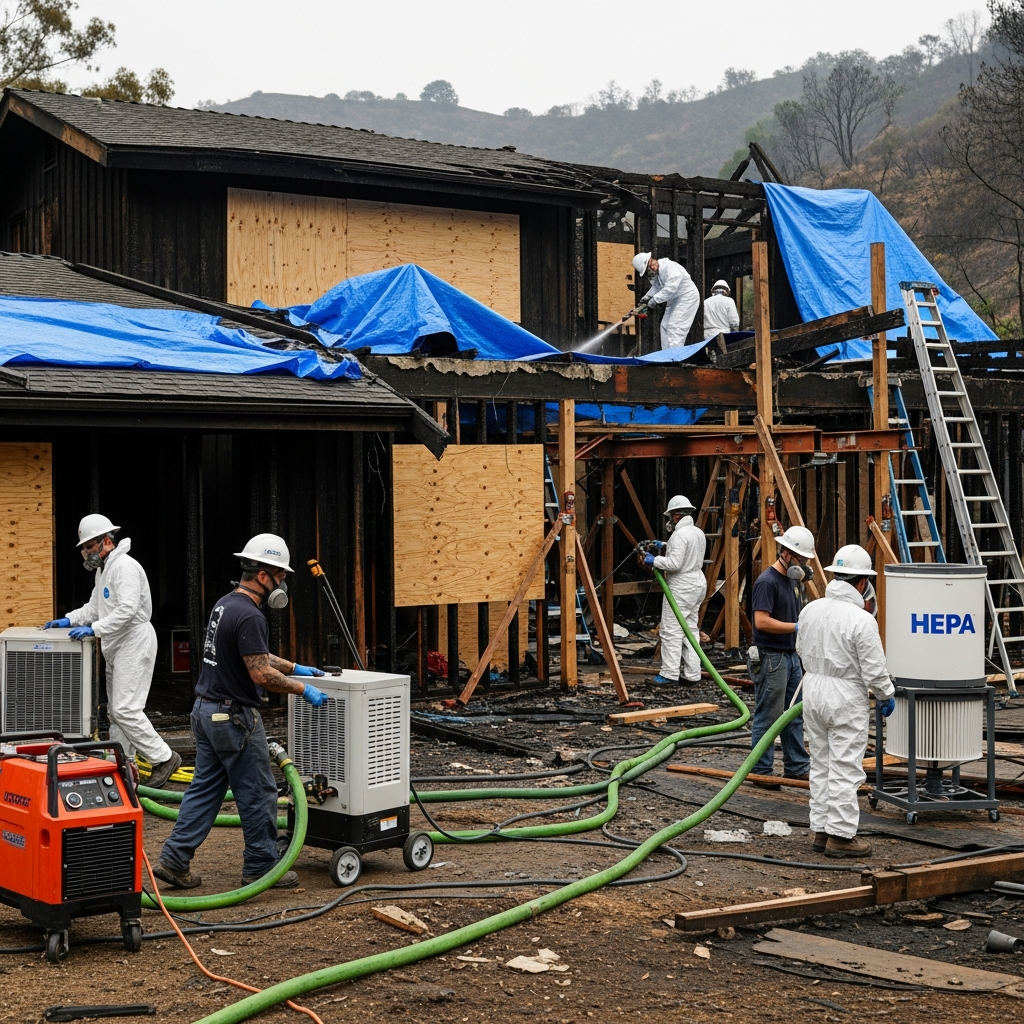
Speed, precision, and sequencing are central benefits. Restoration professionals trained for our region know what to do first and why: a structural safety check before entering, securing utilities to prevent further hazards, covering roof openings so overnight dew doesn’t soak exposed framing, and isolating clean rooms where families can regroup without breathing the contaminated air that lingers in hallways and closets. This order of operations protects health while buying time for deeper diagnostics, from moisture mapping the walls soaked by firefighting efforts to tracing smoke migration into attic voids and HVAC returns. The efficiency comes not from rushing, but from handling first things first in a way that minimizes long-term repercussions.
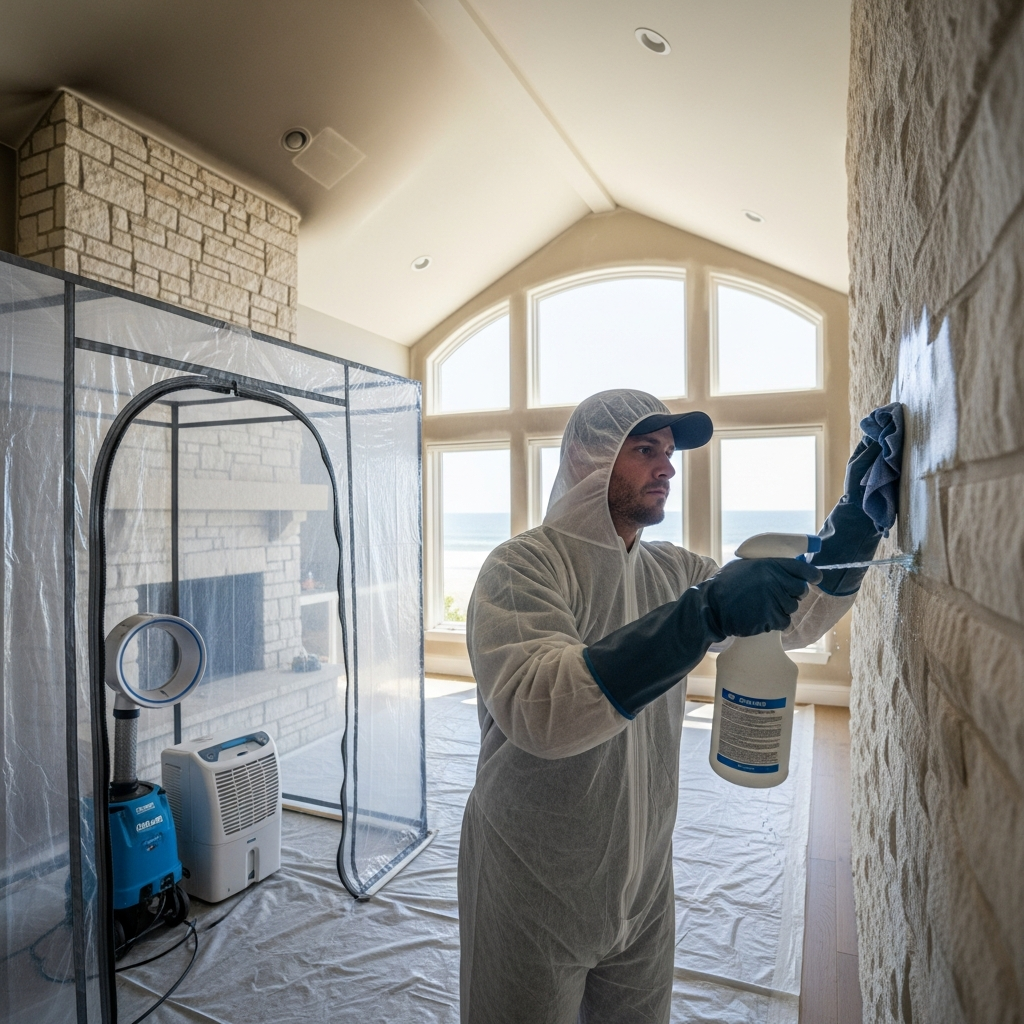
There’s also the matter of air—how it moves, and what it carries. Smoke in Malibu does not behave like smoke in a flat inland suburb. It rides temperature inversions in the morning, then moves inland with the afternoon sea breeze. Soot particles settle, then lift again with a door swing or a gust through a canyon-facing window. Local restoration teams build containment zones to manage those currents and deploy filtration strategies that account for coastal humidity and salt. Such fine-grained understanding helps keep a home from becoming re-contaminated after an initial cleaning, a mistake that can add weeks of frustration if not handled properly.
The wildland-urban interface we share
Calabasas and Malibu sit in the wildland-urban interface, where neighborhoods meet open space. That boundary is beautiful and fragile. In fire events, this interface defines both risk and response. Embers hop rooflines, ash rides the wind, and structures can suffer smoke impact without ever seeing direct flame. The benefits of restoration in this context start with assessments attuned to ember intrusion: checking roof vents, eaves, and gable ends; following ash lines into crawl spaces; and evaluating how smoke pulled through recessed lighting cans or around door weatherstripping. These subtle pathways explain why a home can look fine from the curb yet still require comprehensive treatment inside.
Because we share this interface, Calabasas professionals know the codes and construction patterns common in Malibu’s hillside homes and coastal cottages. They’ve seen how cedar shingles, older vent screens, or unsealed attic penetrations amplify smoke infiltration. They also understand the newer WUI-driven upgrades—ember-resistant vents, tempered glass, enclosed eaves—and how these features change both the damage profile and the restoration plan. That familiarity accelerates decisions and prevents missteps.
Protecting health and preserving normalcy
Every benefit of competent restoration is ultimately about health and continuity. Soot is not just dirty; it can include acidic byproducts and microscopic particles that irritate lungs and settle deep into porous materials. A child’s fabric chair, a dog’s bed, a favorite sweater—these are more than objects. They’re part of daily life, and they deserve careful evaluation and, where possible, salvage. Proper containment keeps contaminated zones separate from safer spaces. HEPA filtration reduces airborne particulate loads while crews work. And communication keeps families informed about what’s happening and why, especially when they’re weighing which items to discard and which may be cleaned and returned safely.
Equally important is the psychological benefit of clarity. When a home is disrupted, a steady plan is a lifeline. Local teams ease that process with transparent scopes, stepwise timelines, and evidence-backed updates. The knowledge that a crew understands Malibu’s permitting norms, traffic patterns, and even where to stage equipment off PCH when lanes are constrained removes friction from an already difficult experience.
Addressing water before it becomes tomorrow’s problem
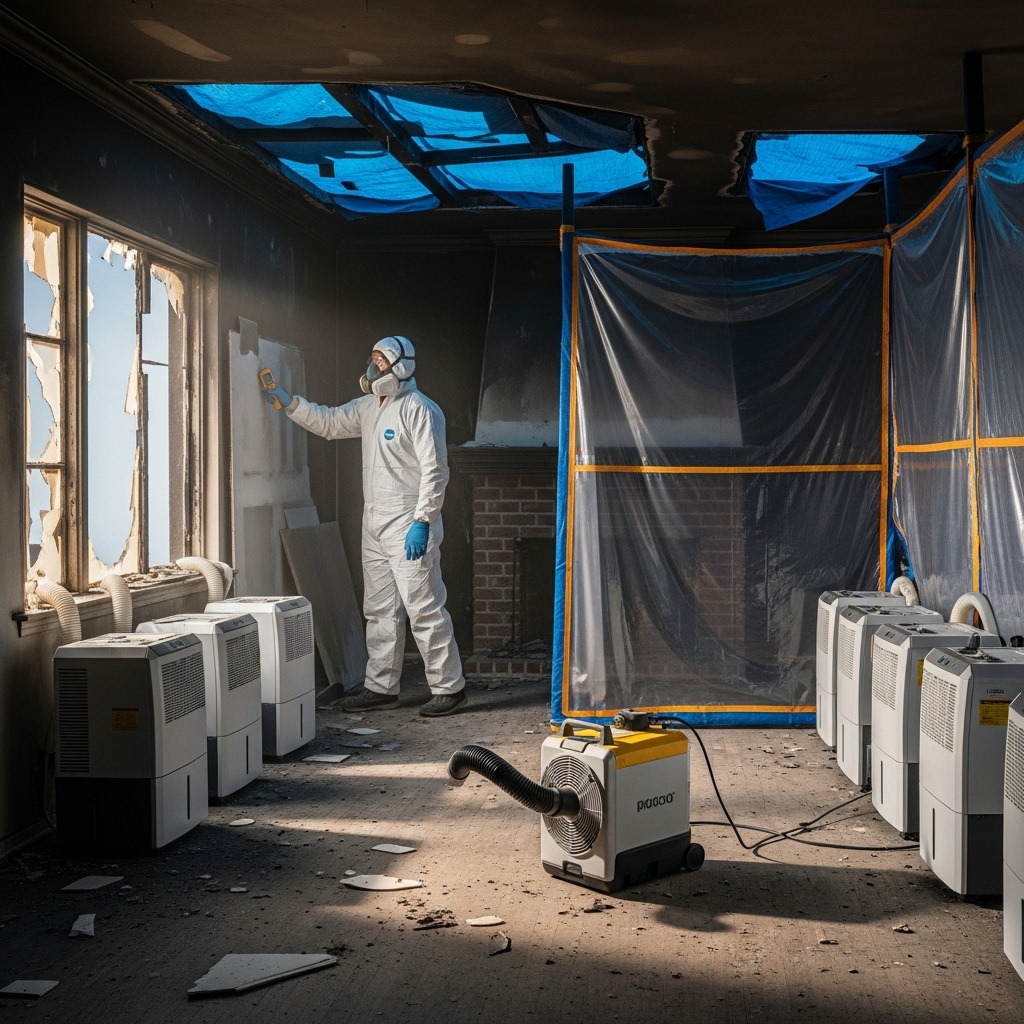
Most fires involve water—from hoses, sprinklers, or roof penetrations that let rain or dew into the structure. Left unaddressed, that moisture becomes today’s mold. Calabasas-based restoration has long experience with the push-and-pull of coastal humidity and inland heat; they dry assemblies aggressively but sensibly, mindful of wood species common in local framing and the finishes used in beach-adjacent properties. Moisture meters and thermal imaging guide targeted drying. Vent cavities and insulation bays that can trap damp air are opened strategically. This discipline prevents secondary damage that often costs far more—in time and disruption—than the initial event.
Water and smoke also interact chemically. Moist soot can etch stone countertops or stainless appliances overnight. Seasoned technicians preempt this by neutralizing residues quickly, protecting sensitive surfaces, and documenting condition before and after each step. The benefit is twofold: better outcomes for the built environment and a cleaner, more complete record for insurers.
Documentation that stands up for you
Another benefit of restoration expertise from just over the hill is documentation tailored to the realities of Malibu claims. Adjusters want clarity. They need cause-and-effect narratives, material lists tied to standards, and photographic evidence that aligns with scope. Local teams deliver this because they work with the same adjusters across our area, speak a common technical language, and understand the cadence of approvals. That fluency translates into fewer delays and clearer expectations, especially when a claim involves both fire and water components in a home with custom finishes.
When contents are involved—from art to heirloom furniture—chain-of-custody protocols matter. Detailed inventories, condition reports, and before-and-after images ensure that what leaves your home returns in the promised state or is appropriately documented if it cannot be saved. That level of care is not an add-on; it is central to the benefit of restoration as a profession.
Cleaning for the way smoke actually behaves
Smoke is opportunistic. It follows pressure differentials, thermal currents, and the path of least resistance. In Malibu’s coastal homes, that often means smoke accumulates in rooms far from the exterior openings, such as closets, pantries, and built-ins with limited airflow. It also means HVAC systems, even when turned off, can become reservoirs of particulate. Skilled restoration plans account for this by sealing registers, cleaning or replacing filters, and, when indicated, scheduling duct cleaning in coordination with other trades so that recontamination doesn’t undo progress. The middle of a project is where discipline counts most. It is also where expert teams often include an educational moment for owners, explaining why proper fire damage restoration is not simply a wipe-and-go but a guided process that respects building science and indoor air quality.
On the surface, cleaning may look like a straightforward task. But soot chemistry varies with the fuel that burned—brush, plastics, engineered wood, or natural timber—and that chemistry dictates which cleaning agents and methods are appropriate. Abrasive methods on the wrong surface can drive contaminants deeper. Gentle methods in the wrong context can leave residues behind. The benefit of seasoned local teams is that they know the common material palettes in Malibu homes, from limewashed plaster and reclaimed oak to marine-grade hardware, and they tailor their approach accordingly.
Structural stabilization and code-savvy repairs
When heat compromises framing, windows, or roofing, stabilization protects people and property. Temporary shoring, board-ups, and weatherproofing keep the structure safe while assessments proceed. Calabasas professionals are adept at coordinating with Malibu inspectors and understanding local interpretations of state building codes, including WUI requirements for ignition-resistant construction. This reduces back-and-forth during permit reviews and keeps repair timelines aligned with what’s realistic on the coast, where lead times for certain materials can stretch.
The benefit extends to design choices that increase resilience. If a portion of siding must be replaced, it may be an opportunity to upgrade to a more ember-resistant product. If vents are being reworked, fine-mesh screens and baffled designs can be considered. Restoration, done thoughtfully, becomes an inflection point to make a home better prepared for the next Red Flag warning.
Community coordination and continuity
Because Calabasas and Malibu share resources—contractors, suppliers, inspectors—the relationships forged over years matter. When many homes are impacted at once, prioritization and coordination keep the system moving. A team that can mobilize swiftly, communicate clearly with neighbors, and respect the rhythms of canyon traffic helps reduce friction and restore normalcy to entire streets, not just single addresses. There is comfort in seeing familiar, local professionals on-site who understand that restoration is as much about people as it is about buildings.
And there is an intangible benefit: confidence. Knowing that the crew handling your home understands the difference between the ocean fog that settles after sunset and the persistent mustiness of trapped moisture means you can trust their judgment when they say a space is ready to reoccupy. That trust shortens the distance between disruption and return.
Long-term protection of value
Malibu homes, whether primary residences or cherished retreats, represent more than investment; they’re repositories of memory. Comprehensive restoration protects both sentimental and market value. Soot left in wall cavities can corrode fasteners over time. Smoke residues in cabinetry can off-gas when summer heat rises. Addressing these now avoids future surprises during a home inspection or a refurbishment down the road. It also preserves the fabric of the home—the look, the feel, the quiet. That continuity is part of why many of us choose to live here despite the risks that come with so much natural beauty.
Ultimately, the benefit of restoration led from Calabasas to Malibu is a blend of proximity, practice, and care. It is local expertise applied with the humility to listen and the skill to act. It’s a team that knows a canyon by name, a neighborhood by its morning light, and a coastline by the way salt hangs in the air. In the wake of fire, that kind of familiarity makes all the difference.
FAQs
How soon should I start restoration after a fire in Malibu?
The window for the best outcomes is measured in hours and days, not weeks. Once the site is safe and utilities are secured, early actions—covering openings, stabilizing structure, beginning air filtration, and documenting conditions—prevent further damage. Local teams that regularly work the Calabasas-to-Malibu corridor can mobilize quickly because they understand access routes, staging, and the regional permitting environment.
Is smoke damage dangerous even if my home never caught fire?
Yes. Smoke contains fine particles and acidic residues that can irritate lungs, corrode metals, and permanently discolor finishes. A home that appears untouched can still have heavy contamination in closets, ducts, and insulation. A professional assessment identifies hidden impacts and sets a plan to restore indoor air quality and surface conditions safely.
Can I clean smoke and soot myself?
Light surface dusting is fine for personal items you can safely handle, but comprehensive cleaning is different. Using the wrong methods can set stains or push contaminants deeper, and uncontained cleaning can spread particles into cleaner areas. Restoration specialists use containment, HEPA filtration, and material-specific cleaning to ensure contaminants are removed rather than redistributed.
What about water from firefighting—how is that handled?
Water is addressed immediately through extraction, targeted demolition where necessary, and controlled drying guided by moisture mapping. The goal is to return materials to safe moisture levels without over-drying. Special attention is given to enclosed cavities, subfloors, and insulation, which can retain moisture and fuel mold if not addressed.
Will my HVAC system need to be cleaned?
Often, yes. Even when systems were off, smoke can infiltrate returns and registers. Filters are replaced early, registers sealed during cleaning to prevent recontamination, and ducts evaluated for cleaning based on particulate testing and visual inspection. Coordinating HVAC cleaning with other stages ensures the system doesn’t reintroduce contaminants.
How do restoration teams work with insurance?
Local teams document meticulously, use standardized estimating platforms, and communicate scope and progress clearly with adjusters. Many have longstanding relationships with insurers active in Malibu and Calabasas, which helps align expectations and keep approvals moving. Owners benefit from fewer surprises and a clearer understanding of covered work versus discretionary upgrades.
What if my home also needs code upgrades?
When repairs trigger code requirements, restoration contractors coordinate with building officials to ensure compliance. In Malibu’s WUI context, this can include ember-resistant vents, ignition-resistant siding, or tempered glazing. Teams familiar with local interpretations help streamline approvals and integrate upgrades smoothly into the repair plan.
How long does odor removal take?
Timeline depends on the severity and the materials involved. Odor removal is part cleaning, part source removal, and part air treatment. With a thorough plan—contents processing, material-specific cleaning, selective replacement of irreparable components, and air purification—most homes see progressive improvement within days and complete resolution as the full scope concludes.
When the unexpected happens, what you need most is capable help grounded in local reality. From the first assessment to the last air quality check, choosing experienced neighbors who know our canyons, our coastal air, and our building stock pays dividends. If your Malibu property has been affected, reach out to a trusted local team to chart a clear, humane path back to normal. For an expert partner that understands both sides of the mountains, consider professional fire damage restoration support and take the first step toward a safe, healthy home again.