When the smoke clears and the property is safe to enter, everything that happens next depends on a smart, methodical inspection. In Malibu, where ocean air, hillsides, and custom construction are part of daily life, a good inspection is more than a checklist. It’s a map for recovery that respects the home’s story and our local environment. In this guide, I’ll explain what an inspection covers, why sequence matters, and how Malibu’s unique conditions inform decisions from the first step to the final sign-off. If you’re considering your options or simply want to be prepared, this is how comprehensive fire damage restoration in Malibu begins—with clarity and care.
Safety leads. Inspectors start by confirming structural stability, utilities status, and environmental hazards. They evaluate whether temporary shoring or bracing is needed and whether electrical and gas systems are safe to re-energize. In Malibu, wind exposure and hillside geometry can amplify damage to eaves, decks, and retaining structures even when interiors look intact. A seasoned inspector knows where to look to keep crews and families safe.
Documenting the Starting Line
Accurate documentation serves everyone—homeowners, adjusters, contractors, and building officials. Inspectors take photos and notes that show not just damage, but context: the path smoke took, water pooling points from suppression, and exposures particular to oceanfront or canyon-side properties. They log initial moisture and particulate readings, establish zones, and, where appropriate, perform test cleans to evaluate how surfaces respond. This early evidence shapes a scope that’s proportionate and defensible.
Contents are part of the picture. A careful walk-through identifies salvageable items, those needing specialized treatment, and items that are better replaced. Malibu homes often contain custom pieces and art; documenting condition and chain-of-custody plans at the inspection stage prevents confusion later and accelerates approvals.
Tracing Smoke Migration
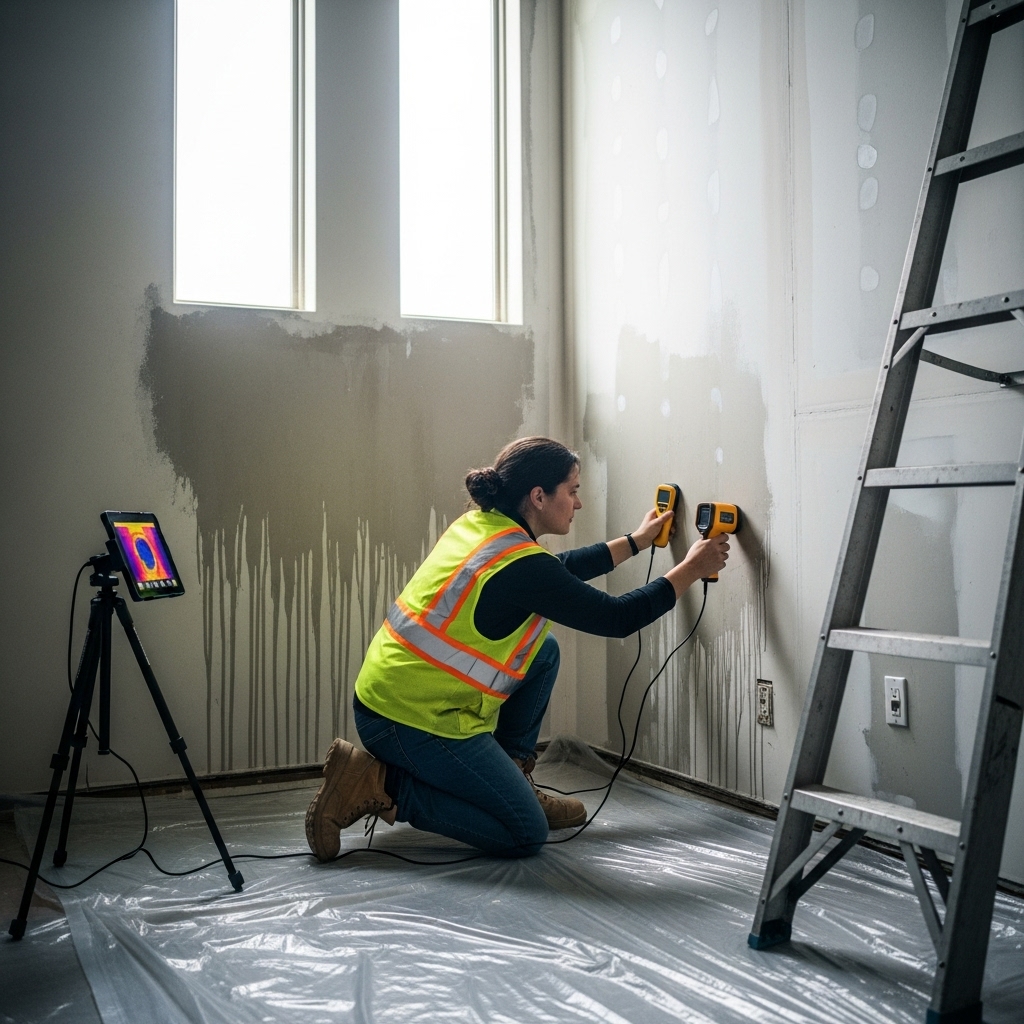
Understanding how smoke moved is central to a Malibu inspection. Open plans and high ceilings encourage stratification; smoke follows heat, then drafts. Inspectors look at upper corners, soffits, and the edges of skylights. They examine recessed lighting, electrical penetrations, and door undercuts. In ocean neighborhoods, wind patterns can push smoke to one side of a house, leaving the other side deceptively clean. Thermal imaging, wipe sampling, and nose-level observations combine to map contamination and prevent surprises mid-project.
HVAC systems get special attention. Running a system post-incident without inspection is a classic way to spread soot. Inspectors evaluate returns, coils, and ducts for contamination and assess whether isolation, cleaning, or temporary shutdown is warranted. A clear plan here prevents the frustrating cycle of odor that returns every time the fan kicks on.
Water and Drying Strategy
Suppression water can be as consequential as the fire itself. Inspectors track moisture from the source outward—under baseboards, across subfloors, behind cabinets, and down shafts. In Malibu’s climate, the daily dance between sun and marine layer shapes the drying plan. Inspectors set expectations for extraction, dehumidification, and air movement, balancing speed with the protection of sensitive finishes. They identify materials that can dry in place and those that will hold moisture too long, risking microbial growth or odor. Getting this plan right at the inspection stage saves days later.
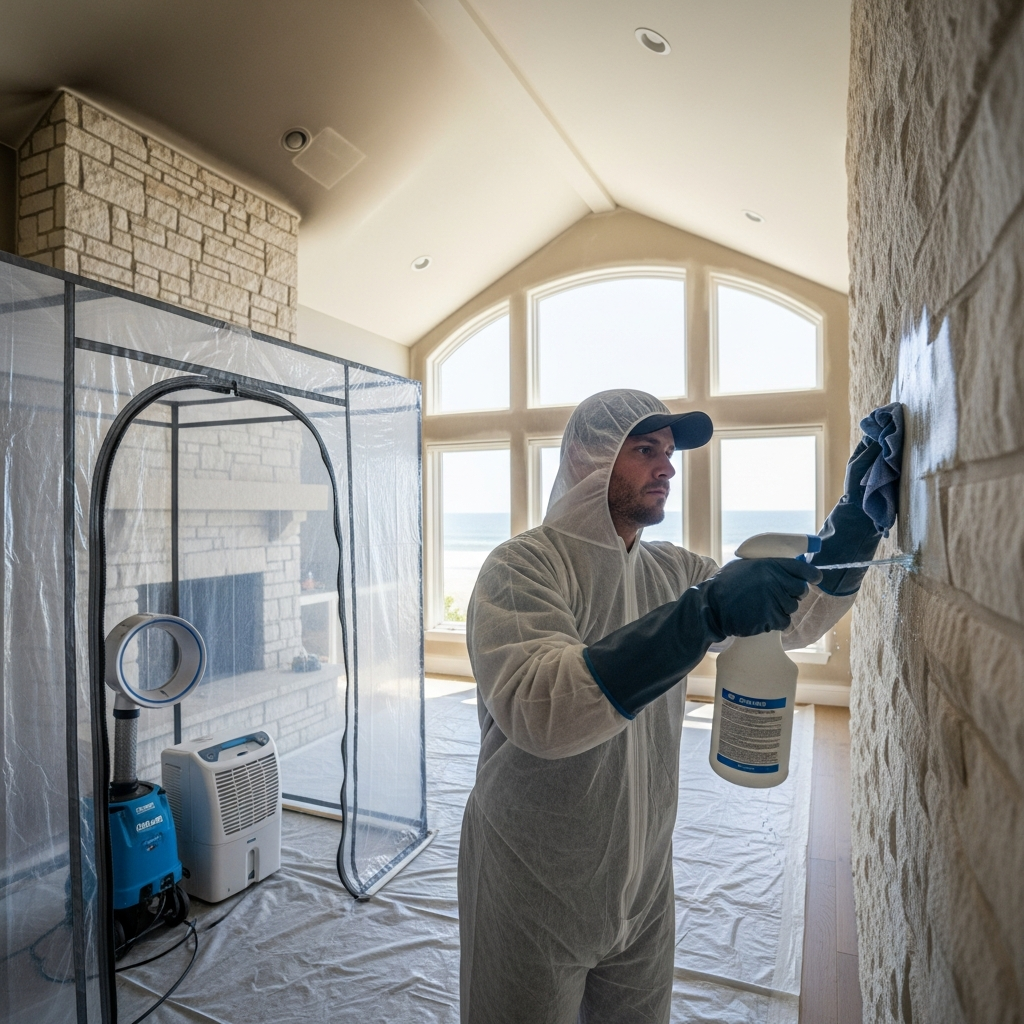
Materials like engineered wood, stone, and plaster respond differently to water and heat. Test sections help calibrate cleaning and drying methods. On hillsides, inspectors also evaluate where water ran during suppression so that surface grading or temporary measures can prevent erosion and re-soiling.
Exterior Envelope and Site Conditions
In Malibu, exterior spaces are an extension of the home. Inspections include eaves, vents, decks, railings, stucco, and glazing. Embers often lodge in vent screens and roof details; smoke and ash settle in the texture of stucco and stone. Inspectors note where wind-driven smoke likely deposited residues and plan cleaning that won’t etch or drive contaminants deeper. They also review access, parking, and staging, planning work around narrow roads and neighborhood rhythms so the project proceeds smoothly.
Site conditions matter after a fire. Ground cover may be reduced, and suppression can alter drainage. Inspectors flag potential erosion points and recommend stabilization, protecting both the property and neighbors from runoff that can carry ash and fines.
Scope Building: From Findings to Plan
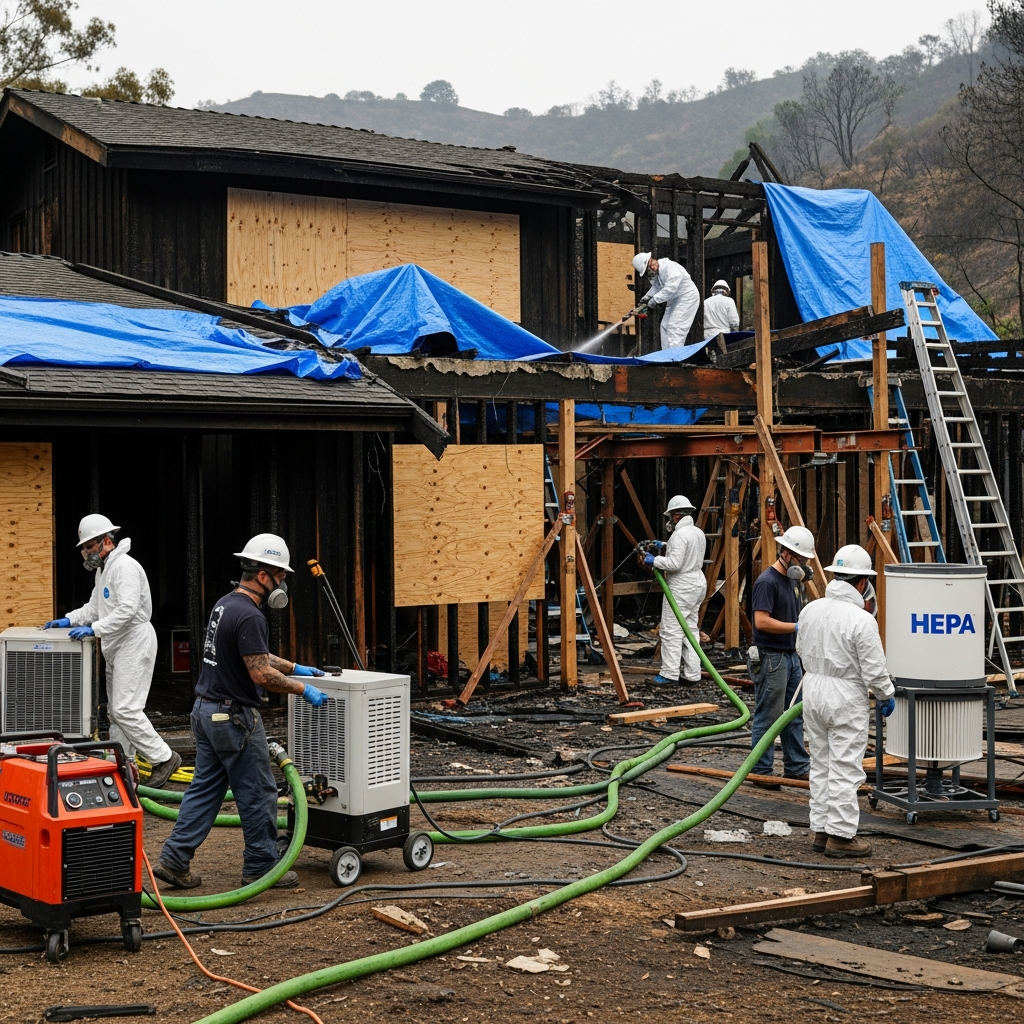
The inspection’s core deliverable is a scope aligned with actual conditions. That scope sequences work—containment, debris removal, water mitigation, cleaning, deodorization, verification, and repairs—in a way that matches Malibu’s climate and the home’s construction. It identifies where to open assemblies, which materials to save, and which to replace confidently. It also outlines how to coordinate with permitting if exterior elements or structural components are involved.
Communication is part of the scope. Homeowners should know what will happen in the first 72 hours, what to expect week by week, and how decisions will be made as new information appears. Clear expectations reduce stress and help families plan whether to stay in part of the home or relocate temporarily.
Insurance Interface and Evidence
Inspection notes and photos, paired with readings and test cleans, provide the narrative that underpins a claim. In Malibu, where custom finishes and complex sites are common, this narrative prevents under-scoping and avoids overreach. It is easier for everyone to agree when the evidence is organized from the start. Inspectors often prepare a summary that highlights health and safety priorities, preservation opportunities, and cost-saving measures that still protect long-term outcomes.
That early clarity also helps with scheduling. Trades can be lined up in a realistic sequence, and specialty vendors—textile cleaners, electronics evaluators, stone restoration pros—can be booked before backlogs grow.
Quality Control and Verification
A thorough inspection sets up a verifiable finish. Inspectors define how success will be measured: clearance criteria for odors and particulate, moisture targets for materials, and visual standards for surfaces. They may specify follow-up checks after major phases, especially if weather shifts. In Malibu, a home can pass a sniff test on a dry afternoon and then reveal hidden odor on a damp morning; inspection-driven criteria account for that reality so the finish holds through our humidity swings.
Verification is also about the homeowner’s senses. Good inspectors invite owners into the process, explaining what to notice and when to speak up. That partnership catches small issues before they become costly rework.
Local Case Notes
At a home near Point Dume, inspection found that smoke had traveled behind tongue-and-groove ceiling planks, while visible surfaces seemed fine. The scope called for selective removal, off-site treatment, and reinstallation—a targeted plan that preserved the look while eliminating odor. In a canyon property above PCH, moisture mapping revealed water under built-ins in a sunken den. Early drying saved the millwork and prevented a musty odor that would have lingered into summer.
On an oceanfront property, exterior stainless showed early signs of pitting. The inspection expanded the scope to include thorough exterior washing and protection, preventing more extensive replacement later. These examples show why a Malibu inspection is more than a cursory glance; it’s a strategy session tailored to place.
Frequently Asked Questions About Inspections
What happens first during an inspection? Safety checks, documentation, and containment planning. Inspectors confirm structural stability and utilities, then capture the evidence that will guide mitigation and repairs. Early containment prevents cross-contamination as the evaluation proceeds.
How long does a typical inspection take?
It depends on the size and complexity of the home and the extent of smoke and water exposure. A focused inspection can be completed in a few hours, while complex properties may require a day or staged visits paired with test results.
Do inspectors use specialized tools?
Yes. Thermal imaging, moisture meters, particulate sampling, and test cleaning kits are common. These tools, combined with experience, let inspectors see beyond the obvious and build a scope that fits the real conditions.
Will the inspection tell me if I can stay in part of the home?
Often, yes. Inspectors assess whether containment can safely separate living areas from work zones, and they’ll outline what it would take to maintain healthy air quality if you choose to occupy a portion of the home during mitigation.
How does Malibu’s climate affect inspection decisions?
Humidity and salt air influence drying plans, corrosion risk, and odor behavior. Inspectors set strategies with these factors in mind so that results hold through foggy mornings, windy afternoons, and coastal storms.
What should I have ready for the inspection?
Access information, any photos or notes from the event, and a list of concerns or priorities. If you have plans or details about materials and finishes, those help shape a scope that preserves what matters most to you.
A careful inspection is the calm center of a stressful time. It turns uncertainty into a plan and aligns everyone—from family to trades to adjusters—around clear steps. If you want that kind of clarity from the outset, begin by connecting with local professionals experienced in fire damage restoration in Malibu. Turning insight into action starts with a conversation and ends with a home that’s clean, healthy, and ready for the next ocean breeze.