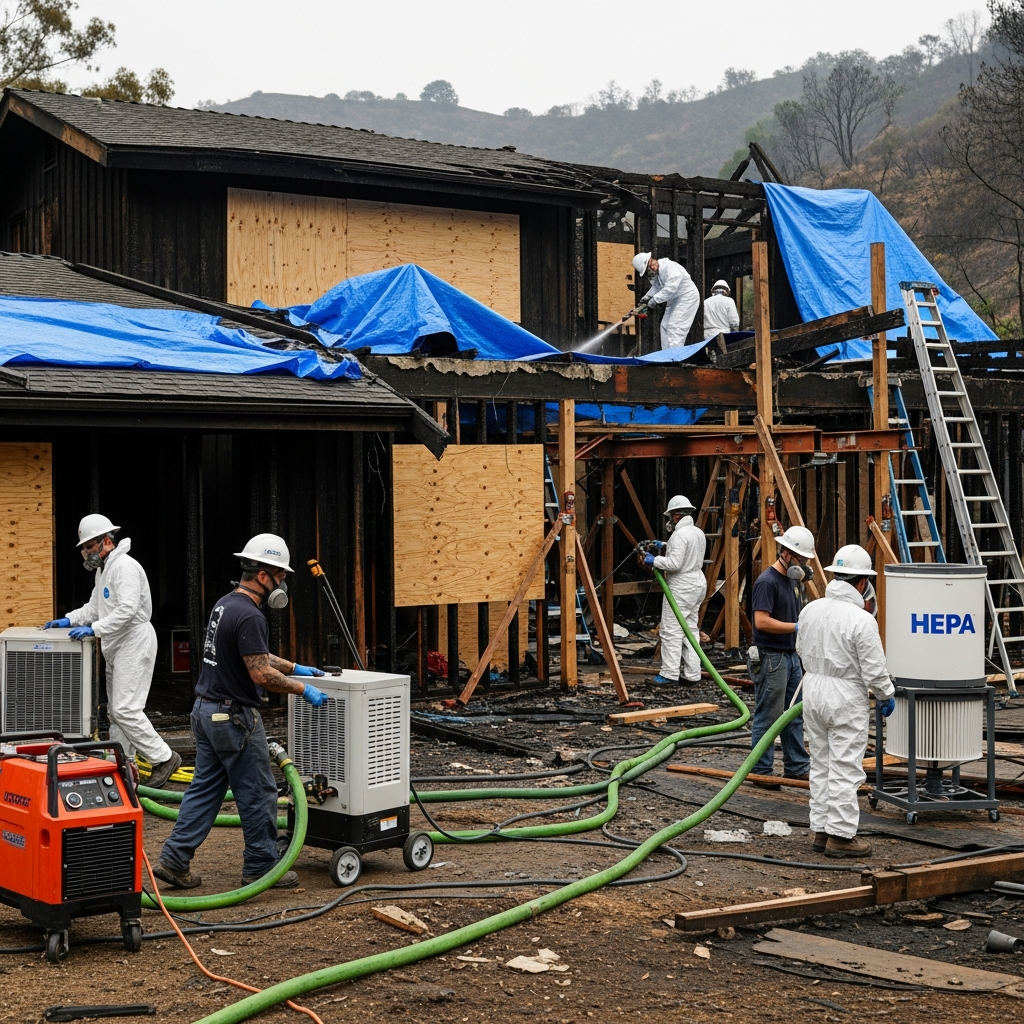
Beachfront living in Malibu is a dream until smoke runs along the shoreline and embers ride an offshore wind across decks and through eaves. Restoration on the sand, or even a block or two back, presents distinct challenges shaped by salt air, humidity, architectural details, and access. When I walk into these homes after an event, I am reminded that successful fire damage restoration is as much about understanding the ocean’s influence as it is about cleaning soot. The issues we see most often are specific, recurring, and solvable with the right approach.
Salt Air and Corrosion After Smoke Exposure
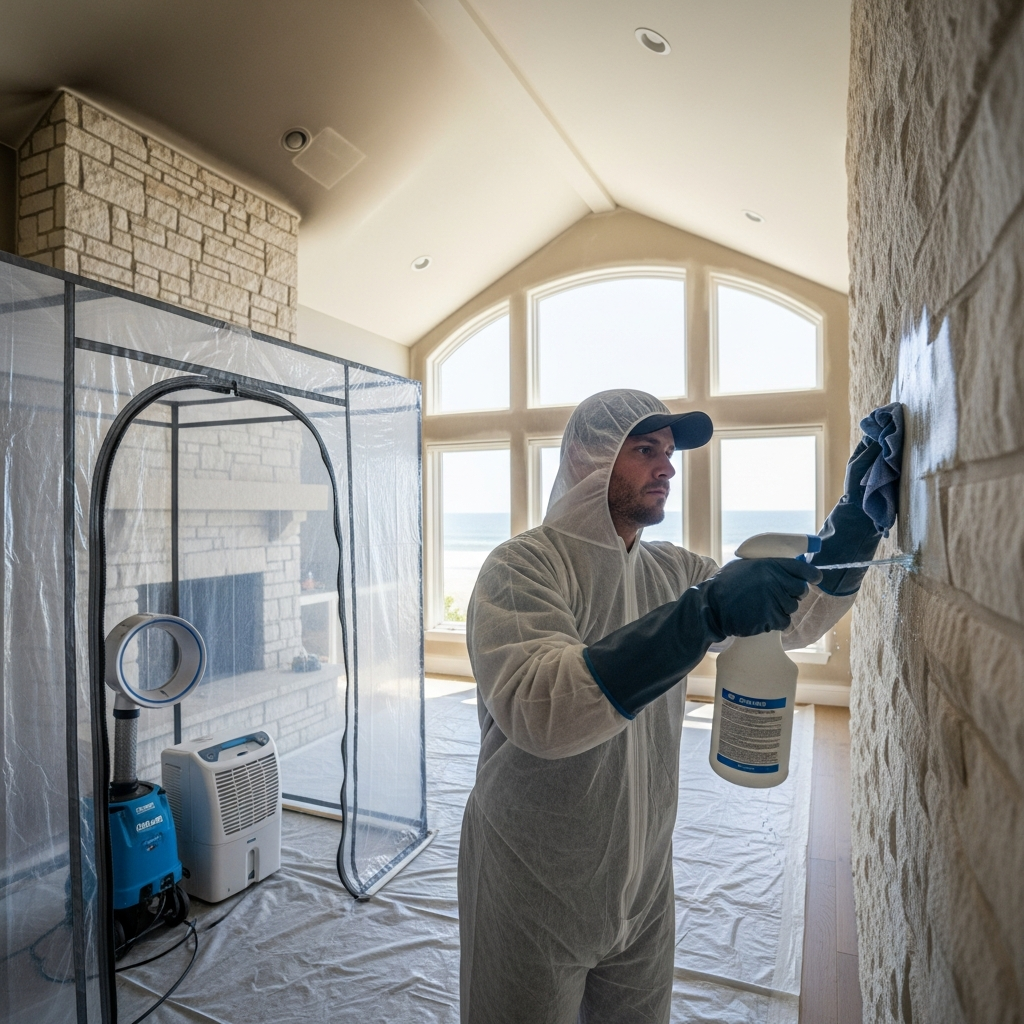
Coastal conditions accelerate corrosion, and post-fire residues are often acidic. Together, they can etch glass, tarnish hardware, and pit stainless steel appliances quickly. In Malibu beach homes with large sliders, outdoor kitchens, and stainless railings, prompt neutralization of soot paired with careful rinsing and drying is essential. Delays compound damage, turning what could be a cleaning task into replacement. Restoration teams prioritize metals and glazing early to protect finishes that define the oceanfront aesthetic.
Wind-Driven Ash Intrusion
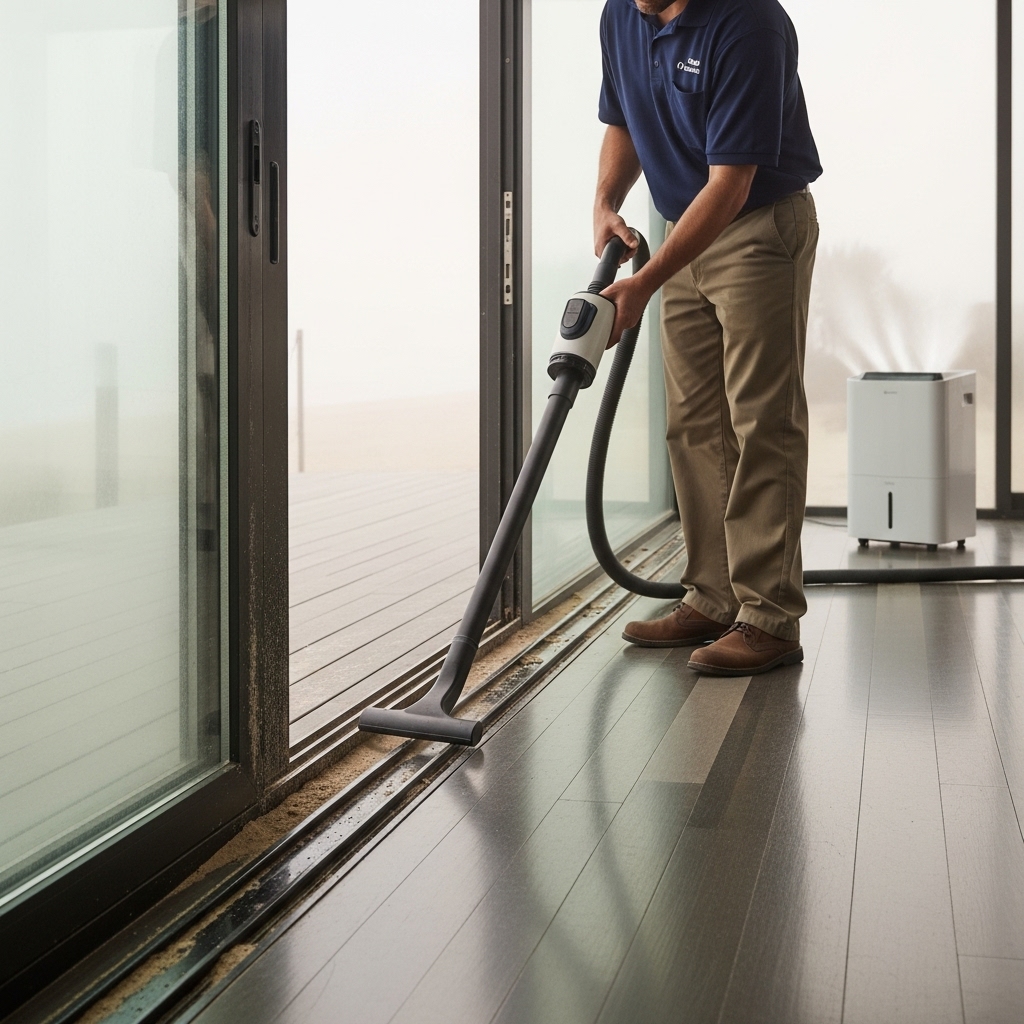
Offshore winds push ash into places you would not expect—through soffit vents, under door thresholds, and across exposed rafters. Beach homes with open plans and generous openings feel this effect intensely. HEPA vacuuming, dry sponging, and targeted sealing of gaps are crucial. Special attention goes to the tracks of sliding doors and the cavities around built-in cabinetry, where fine particulates collect and re-release with each opening and closing. Without meticulous removal, ash becomes a stubborn source of recurring odor.
Humidity, Fog, and Odor Persistence
Morning fog and high humidity can amplify smoke odors in coastal homes. Materials that seemed neutral after an initial clean may emit odors again when conditions shift. Restoration plans anticipate this, combining source removal with air treatment and, where needed, sealing of structural elements. In beach zones, we often extend monitoring across several marine cycles to confirm that odors remain controlled through typical daily swings.
Water Meets Wood: Post-Suppression Moisture
Firefighting and sprinkler activation introduce moisture that beach homes absorb quickly, especially where decking and exterior wood interfaces are common. Moisture mapping identifies wet zones behind shiplap, under tongue-and-groove ceilings, and inside wall cavities. Controlled drying protects against mold—always a risk in humid environments—and preserves wood character that is central to coastal design. The timing is delicate: aggressive drying can warp finishes, while slow response invites microbial growth.
Glass Walls and Thermal Stress
Expansive glazing is a signature Malibu feature, but heat differentials during a fire can stress seals and coatings. Even without visible cracking, residues can etch if not addressed promptly. Cleaning protocols for glass near the ocean require specific agents and techniques to avoid scratching and to preserve clarity. Frames and hardware receive equal attention, especially when made from aluminum or stainless steel exposed to both smoke and salt.
Open Beam Ceilings and Hidden Soot
Beach homes often showcase exposed beams and high ceilings. These surfaces catch soot and ash on upper ledges and in knots and checks in the wood. Cleaning requires scaffolding, gentle abrasives, and sometimes sealing to lock in any residual odor molecules. Because these features define rooms visually, the finish must remain consistent, making test patches and technique selection critical before work proceeds wall-to-wall.
Sand, Soot, and Floor Finish Interactions
Fine sand tracked in from decks can scratch floors during cleaning if not managed carefully. When mixed with soot, it becomes a mild abrasive. Restoration teams sequence work to remove loose debris first, protect surfaces during demolition, and choose cleaning methods that respect the existing finish. Whether the floor is sealed concrete, wide-plank oak, or stone, the goal is to remove residues without permanently altering the surface.
Restricted Access and Staging
Many beachfront lanes are narrow, with limited parking and tight turning radii. Staging equipment and maintaining airflow for filtration becomes a logistical puzzle. Crews plan deliveries around tide and traffic, use compact equipment when possible, and maintain clear paths so neighbors can come and go. Smart staging keeps projects on schedule and maintains goodwill in close-knit beach communities.
Odor Sources in Cavities and Insulation
Insulated cavities, soffits, and chaseways can trap smoke long after surfaces look clean. In homes with built-in speakers, recessed lighting, and media systems, these pockets require targeted attention. Selective opening, thorough cleaning, and, when needed, replacement of impacted insulation prevents odors from rebounding during warm afternoons when sea breezes shift.
Outdoor Rooms and Noncombustible Transitions
Outdoor living is part of Malibu’s DNA. After a fire event, restoration often includes rethinking the transition from interior to deck and patio. Noncombustible surfaces close to openings, ember-resistant venting, and easy-to-clean finishes reduce risk and speed recovery after the next smoky day. These changes maintain the indoor-outdoor flow without sacrificing safety or ease of maintenance.
Electronics and Salt-Enhanced Residue
Electronics in beach homes—from media rooms to integrated shades—are vulnerable when soot and salt combine. Residues can conduct and corrode, leading to intermittent failures. Professional evaluation and cleaning protect investments and prevent surprises months later. Crews document serial numbers, coordinate with specialists, and test systems before handoff to ensure reliability.
Permitting and Coastal Considerations
Coastal properties often fall under additional permitting oversight. Even when work is interior, access and waste management must comply with local rules. Restoration teams accustomed to Malibu’s coastal framework plan for these requirements, keeping projects compliant and avoiding delays that come from underestimating jurisdictional nuances.
Mid-Project Quality Checks
Because conditions shift with weather and occupancy, mid-project checks verify that progress holds up. Odor levels, moisture content, and air quality are reassessed, and techniques adjust as needed. If you are halfway through work and wondering whether anything has been missed, it helps to consult experienced pros in Malibu fire damage restoration who can confirm that hidden cavities, high ledges, and exterior transitions have been treated thoroughly.
Community Sensitivity and Neighbor Relations
Beach neighborhoods are intimate, and construction affects more than one household. Good communication and considerate scheduling reduce conflict and keep work moving. Protecting walkways, minimizing noise early and late in the day, and managing dust show respect for neighbors who may be navigating their own post-fire realities.
Final Detailing and Long-Term Care
At the end of a project, details make the difference. Fresh filters, sealed surfaces, and documented maintenance schedules support long-term results. Homeowners receive guidance on caring for finishes in salt and sun, and on when to schedule the next check to ensure no odors or moisture issues return as seasons change.
FAQ: Why do odors return in beach homes after a fire event?
Coastal humidity can reactivate odor molecules in porous materials. Even after thorough cleaning, residuals in cavities or insulation can off-gas during damp mornings. Source removal, targeted sealing, and extended monitoring through marine cycles help ensure odors stay resolved.
FAQ: What surfaces are most vulnerable to corrosion?
Stainless steel, aluminum hardware, and glass are primary concerns when soot and salt interact. Prompt neutralization and proper cleaning protect clarity and finish. Ongoing maintenance, including routine rinsing near salt exposure, preserves results.
FAQ: Can I continue living in my beach home during restoration?
In many cases, yes, with containment, HEPA filtration, and careful scheduling. Homes with high sensitivities or extensive moisture issues may be better served by a brief relocation. Your restoration team will outline safe options based on assessments.
FAQ: How are sliding doors and windows handled?
Tracks, seals, and frames receive specialized cleaning to remove fine ash and prevent grinding during operation. Glass is cleaned with agents that do not scratch or etch, and hardware is protected against corrosion.
FAQ: What about my outdoor furniture and kitchens?
Outdoor elements are cleaned and protected with products suited for coastal environments. Noncombustible surfaces near openings are prioritized, and appliances are inspected for residue-related risks to ensure reliable performance.
FAQ: How can I reduce risk before the next event?
Upgrade vent screens to ember-resistant designs, maintain weatherstripping, choose noncombustible materials near openings, and keep defensible space tidy. Establish a plan for rapid filtration and inspection when smoke returns.
Your beach home deserves care that respects its setting and your lifestyle. When the time comes to restore and protect, partner with a Malibu-savvy team that balances elegance with durability. Reach out for trusted fire damage restoration in Malibu so you can get back to salt air mornings and calm evenings with confidence.