In Malibu, where canyons meet the sea and homes trace the ridgelines, the aftermath of a fire is more than a household disruption; it is a community experience that echoes through windswept afternoons and smoky sunsets. When I talk with neighbors who have faced a kitchen flare-up or embers carried by a Santa Ana gust, their first question is always about what comes next. Professional fire damage restoration is not just a cleanup service; it is a roadmap back to safety, normalcy, and resilience, guided by people who understand Malibu’s terrain, building styles, and climate pressures. The benefits are practical and psychological, technical and local, and they begin the moment a qualified team steps onto your property.
Understanding Malibu’s Fire Landscape
Malibu’s beauty comes with unique fire behavior. The chaparral on our hillsides dries quickly, the coastal canyons funnel wind, and red-flag warnings arrive with the same seasonal regularity as ocean swells. Fire damage here often includes not only char and soot but also wind-driven ash that infiltrates roof vents, crawlspaces, and the fine cracks around windows and doors. A restoration team familiar with these conditions knows where to look for hidden smoke residue and how to stage work safely on steep lots, narrow roads, and properties where public utility access can be intermittent after an event.
Rapid Stabilization Protects What Matters
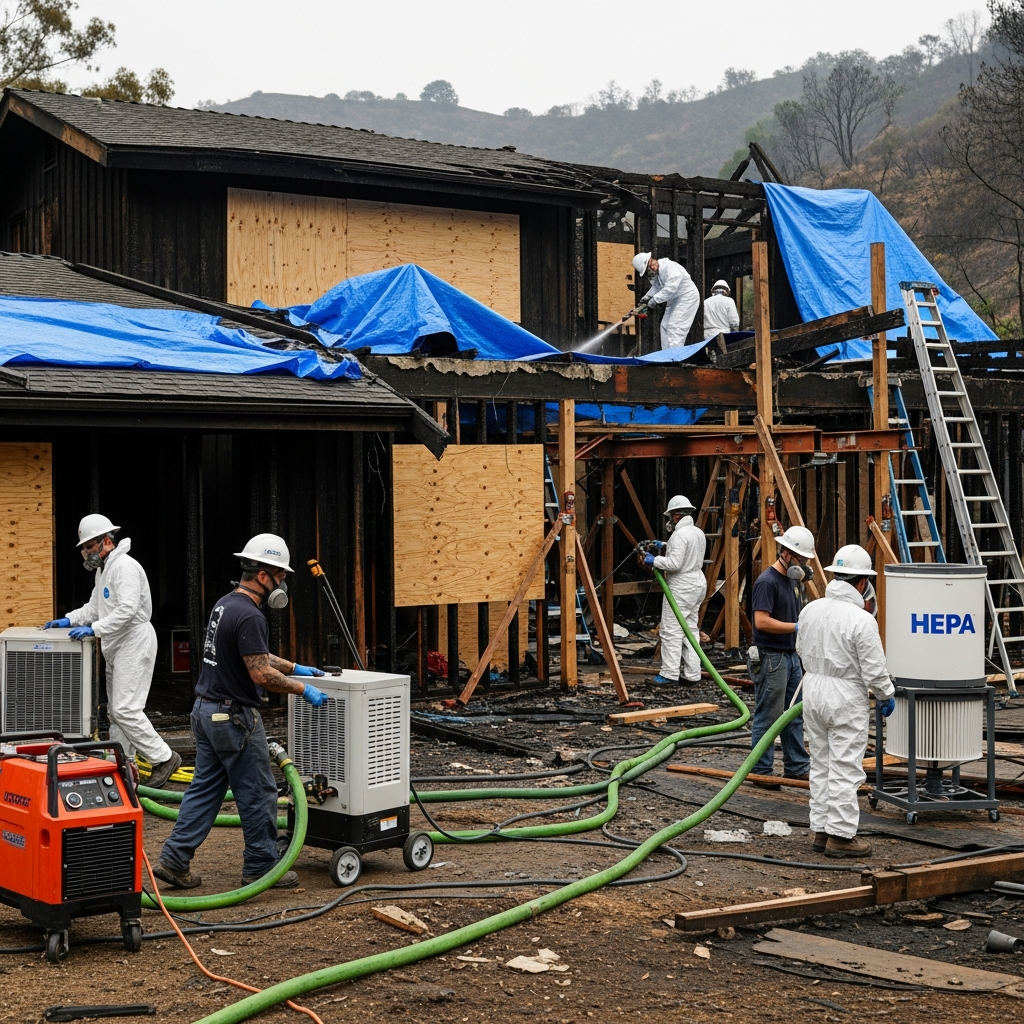
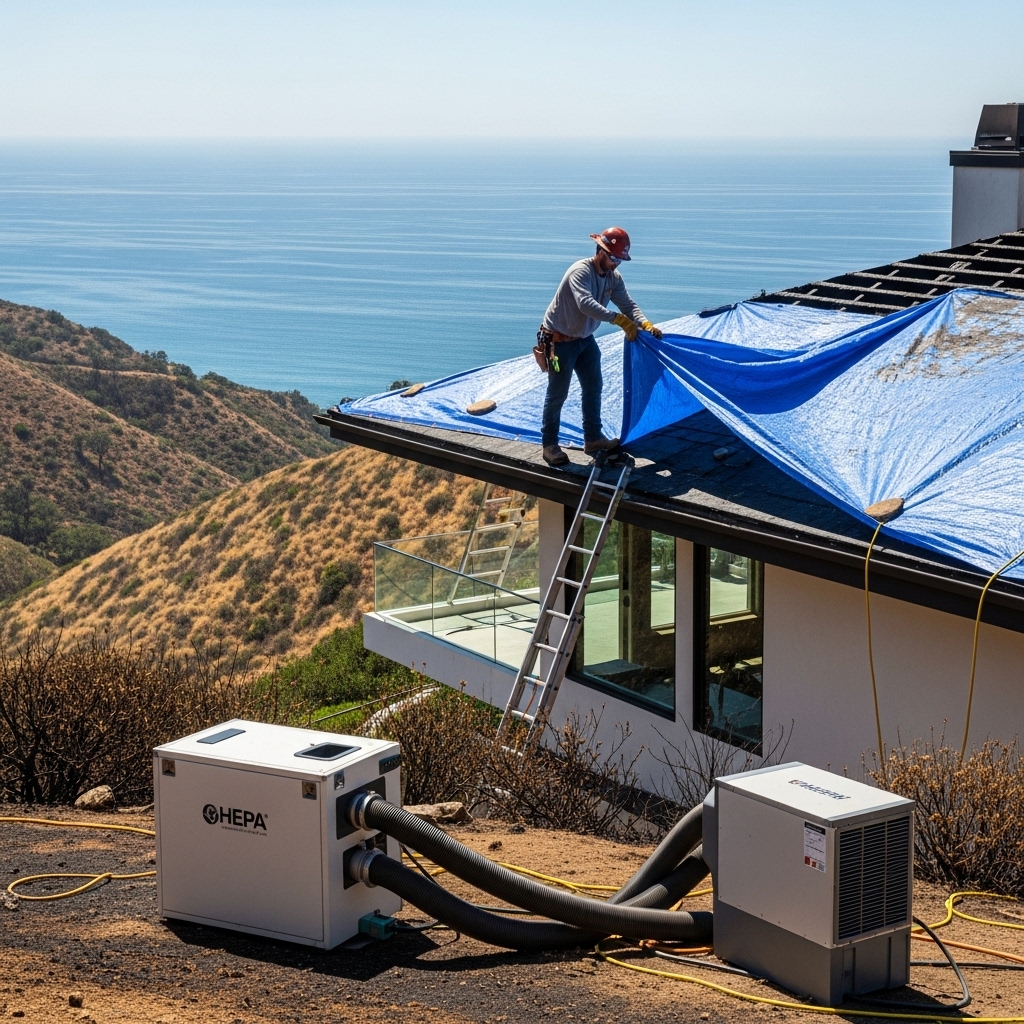
The first benefit of a professional response is stabilization. Tarps, board-ups, and temporary power and lighting protect your structure from weather and trespass while documentation begins. Stabilization is also about indoor air, where microscopic soot particles can linger and redistribute every time a door opens. High-efficiency air filtration and negative pressure zones reduce cross-contamination. In Malibu’s salt air, rapid stabilization also guards against corrosion of metal fixtures and electrical components that might be compromised by acidic soot residues, preventing secondary damage that would otherwise expand the scope of repairs.
Comprehensive Smoke and Soot Removal
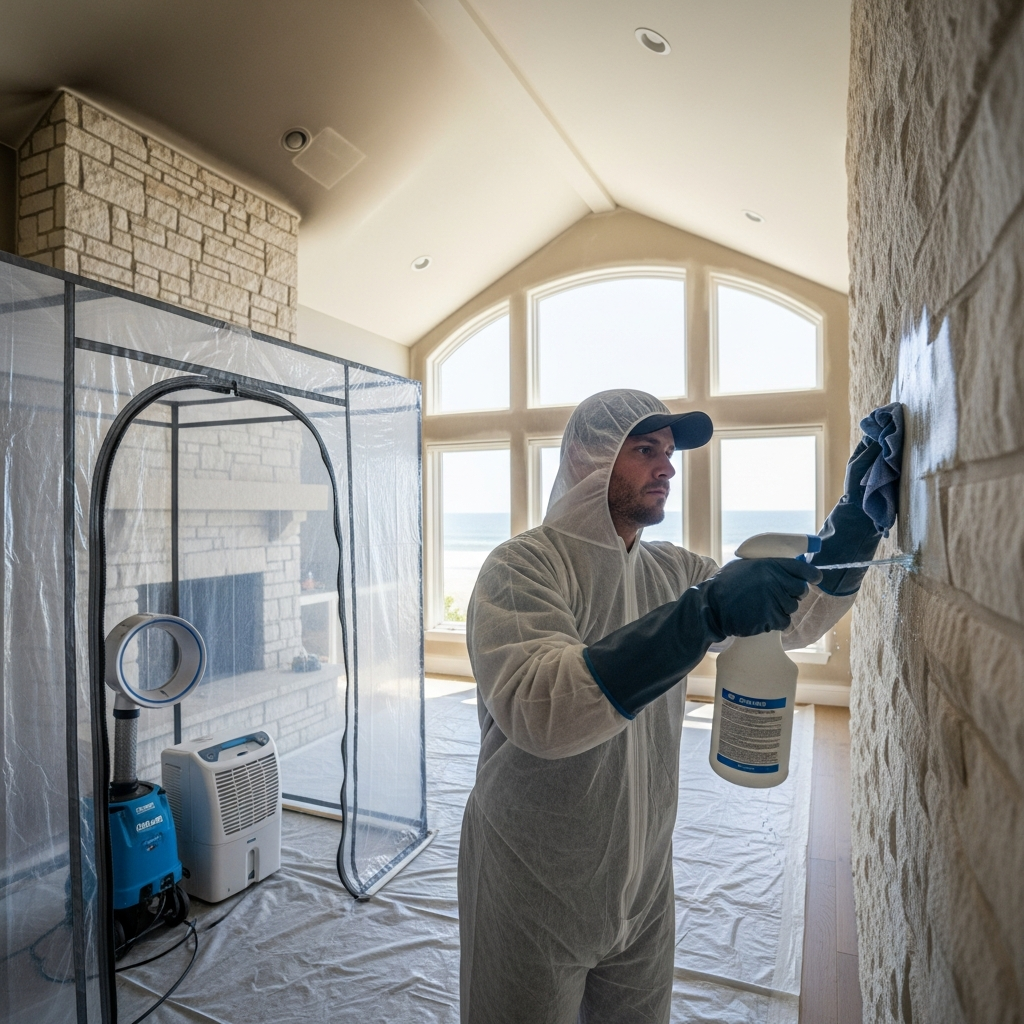
Smoke is chemical history written across every surface. Different fuels—wood framing, natural stone, painted drywall, composite decking, and upholstered furniture—produce distinct residues. In beach-adjacent neighborhoods where humidity swings are common, these residues can etch glass or interact with metal and coastal salts in unexpected ways. A thorough restoration plan addresses both wet and dry soot, choosing the right detergents, abrasives, and HEPA vacuuming techniques for each material. This skill set is particularly valuable for Malibu homes with artisanal finishes, reclaimed woods, and high-end veneers that require careful handling to save rather than replace.
Odor Neutralization That Lasts
Lasting odor removal is one of the benefits homeowners feel most personally. It’s not enough to mask the smell; it must be neutralized at the molecular level. Thermal fogging, hydroxyl generators, and targeted sealing of structural materials play a role, but success begins with disciplined source removal. In our region, attic spaces and insulated cavities often trap smoke, as do exposed rafters and decorative beams common in coastal architecture. A meticulous team will chase odors to their origin, clean or replace affected materials, and balance air treatment with the home’s ventilation design to avoid simply redistributing the problem.
Health and Safety for Families and Crews
Another core benefit is safeguarding health. Ash and soot can contain irritants, and post-fire conditions sometimes include damp building materials from suppression efforts, which helps mold get a foothold if left unchecked. Experienced restorers coordinate air monitoring and moisture mapping, ensuring that occupants are protected and workers follow protocols that meet or exceed industry standards. In Malibu, where many residents have pets, surf gear, and home gyms, the plan also accounts for porous items and specialty surfaces, from neoprene suits to rubber flooring, to ensure that everything families touch daily is safe to use again.
Structural Assessment with a Local Lens
Fire compromises are not always obvious. Heat can travel through voids, and smoke migrates unpredictably. Restoration professionals trained in building science inspect framing, sheathing, and fasteners, and they document conditions clearly for insurers and building officials. Because Malibu’s building stock includes hillside stilt homes, coastal bungalows, contemporary glass pavilions, and legacy ranch houses, the evaluation must be tailored. Knowing how these homes are constructed helps determine what can be cleaned, what must be sealed, and what requires replacement. This nuanced approach preserves the character of the property while upholding safety and code compliance.
Content Cleaning and Salvage
What can be saved is often what matters most. Family photos, art, instruments, custom cabinetry, and unique furnishings are part of the Malibu story. Contents restoration complements structural work, using controlled environments, specialized cleaning media, and careful packing to preserve value and memory. The benefit extends to speed: when contents are triaged promptly, the entire project accelerates. Homeowners can make decisions with confidence, knowing which items will return and which to replace, and insurance carriers receive organized documentation to streamline approvals.
Coordination with Insurers and Building Officials
Clear communication is as valuable as any tool in the truck. The best results come when restoration teams coordinate with your insurer’s adjuster, provide detailed estimates, and support code upgrades required by local ordinances. Malibu’s permitting environment and wildfire-related ordinances evolve, especially as our community learns from past seasons. A team fluent in these processes reduces friction, helping you move from emergency response to rebuild with fewer surprises and fewer delays.
Protecting Indoor Air Quality During and After Work
Residents often ask what living in the home will be like during restoration. With containment barriers, HEPA filtration, and schedule planning, it may be possible to occupy part of a house while work progresses in another zone. The benefit is continuity of life—kids can keep routines, pets can stay comfortable, and work-from-home schedules can be accommodated when feasible. After completion, post-clearance air checks and walkthroughs verify that the environment is comfortable and safe, turning a technical milestone into the emotional turning point homeowners are ready for.
Speed and Efficiency without Cutting Corners
Time is a quiet villain after a fire. The longer materials sit, the deeper residues set and the more pervasive odors become. Professional crews bring scale—equipment, manpower, and logistics—to compress timelines without sacrificing quality. In Malibu, where access can be limited and weather changes quickly, efficiency means staging the right resources at the right time and synchronizing trades to minimize downtime. This orchestration is a benefit you feel in daily life as your home moves steadily from triage to transformation.
Local Knowledge in a Coastal-Wildland Interface
Unlike generic approaches, local expertise accounts for our coastal-wildland interface. From embers carried up from canyon floors to salt-laden marine layers that roll in at dusk, every detail shapes how restoration should proceed. Simple choices—like which sealers to use on exterior framing near the coast or how to protect open beam ceilings from recontamination during demolition—benefit from hard-won regional experience. This is how you avoid doing the same work twice and how you ensure the finish holds up long after the last fan is switched off.
Documentation that Stands Up
Thorough photo logs, moisture readings, and material inventories are more than administrative tasks; they are the backbone of fair claims and lasting repairs. Detailed documentation also helps homeowners make informed decisions about upgrades, energy improvements, or fire-resistant features incorporated during rebuilds. In Malibu’s competitive real estate market, well-documented restoration can preserve a home’s value and reassure future buyers that the work was done right.
Resilience and Future-Ready Improvements
A less obvious but powerful benefit of restoration is the opportunity to fortify for the future. Replacing vent screens with ember-resistant designs, selecting Class A roofing when repairs are needed, or choosing interior finishes that clean more easily after smoke exposure can all be woven into the scope. Malibu homeowners appreciate when restoration is more than a reset; it is also an upgrade to resilience, tuned to the specific vulnerabilities of their property and microclimate.
Partnership and Peace of Mind
Perhaps the deepest benefit is human: having a trusted guide through a complex, emotional process. Good restoration teams communicate early and often, they show up when promised, and they treat your home as if it were their own. In a town where neighbors share surf reports and trail tips, that kind of partnership matters. It creates a sense of control in a circumstance that otherwise feels chaotic, and it replaces worry with a structured plan.
Mid-Project Momentum and the Value of Local Teams
There is a moment in every project when progress becomes visible—when the smell recedes, when rooms feel bright again, when personal items return cleaned and organized. That momentum accelerates when local crews coordinate seamlessly and know the terrain. If you have reached this middle stretch and want additional assurance you are on the right path, consult resources and experienced providers who specialize in Malibu fire damage restoration. The right partner will validate the plan, identify overlooked details, and keep the finish line in sight.
Environmental Stewardship and Responsible Disposal
Responsible restoration also minimizes environmental impact. Separating recyclable materials, handling ash and debris according to public health guidance, and managing wastewater from cleaning activities show respect for our beaches, creeks, and wildlife corridors. In Malibu, where we all share the coastline, these choices matter. They protect the natural spaces that drew us here and that we cherish just as much as our homes.
Community and Continuity
Fire touches more than one address. Kids talk about it at school, we run into each other at the market comparing smoke patterns in the sky, and we open guest rooms to friends when evacuations ripple through neighborhoods. Professional restoration supports community continuity. When homes are stabilized and made safe quickly, families come back sooner, routines resume, and neighborhoods regain their rhythm. That is a benefit we feel collectively.
What to Expect Day by Day
Clarity about the process reduces stress. Expect an initial assessment and stabilization, followed by selective demolition and deep cleaning. Air treatment and odor neutralization run concurrently with build-back planning. Content cleaning may be offsite. As milestones are reached, you will see containment come down, finishes go up, and rooms reclaimed. Each step is documented, and schedules are updated as materials and inspections align. In Malibu, weather windows and permit timelines are factored so that crews can keep moving without compromising standards.
From First Call to Final Walkthrough
The beginning and the end of restoration set the tone. Early in the process, you should receive a clear scope, a safety plan, and a communication cadence. At the end, expect a comprehensive walkthrough, a summary of work completed, and care instructions for new finishes or equipment. You will also receive documentation you can file for future reference, whether for insurance, resale, or your own peace of mind. Done well, the experience turns a difficult chapter into a story of recovery and renewal.
FAQ: What are the first steps I should take after a fire in Malibu?
Ensure everyone is safe and the property is cleared for entry by authorities. Then contact a qualified restoration team to secure the site with board-ups and tarps, begin air filtration, and document conditions for insurance. Avoid extensive cleaning on your own; disturbing soot can drive particles deeper into materials. If possible, isolate unaffected areas and limit HVAC use until filters and ducts can be evaluated.
FAQ: How long does professional restoration usually take?
Timelines vary with the extent of damage, permit requirements, and material availability. Emergency stabilization may be completed within hours to a day, while comprehensive cleaning and build-back can range from several weeks to a few months. Hillside access, weather, and specialty finishes can add time, but clear planning and communication keep projects moving efficiently.
FAQ: Can my belongings be saved?
Many items can be cleaned and restored, including hard surfaces, some textiles, and electronics depending on exposure. A contents specialist will inventory and triage items, prioritize those with sentimental or high replacement value, and use appropriate techniques to remove soot and odors. Items that cannot be safely returned are documented for the claim process.
FAQ: Is odor removal permanent?
When source removal and cleaning are thorough and sealing is applied where necessary, odor neutralization is durable. Advanced air treatments address residual molecules, but long-term success depends on eliminating contaminated materials rather than masking smells. Post-project air quality checks help confirm results.
FAQ: Should I stay in my home during restoration?
It depends on safety, scope, and your comfort level. With proper containment and air filtration, parts of a home may remain livable. Families with respiratory sensitivities, infants, or elderly members may prefer temporary relocation. Your restoration team can outline options and help you decide.
FAQ: How do Malibu’s coastal conditions affect restoration?
Salt air can accelerate corrosion, and humidity swings influence how soot behaves on glass and metals. Wind patterns also drive ash into attics and vents. Local expertise ensures materials are cleaned, treated, and protected in ways that consider these conditions, reducing the chance of recurring odors or deterioration.
FAQ: What changes can make my home more resilient after repairs?
Consider ember-resistant vent screens, upgraded roofing with Class A ratings, noncombustible decking materials, and well-maintained defensible space. Inside, choose finishes that clean readily, and evaluate HVAC filtration upgrades to improve indoor air quality during future wildfire events.
If you are reading this because fire has touched your home, know that there is a path forward that prioritizes safety, quality, and dignity. Choose a partner with deep local experience, ask questions until you feel confident in the plan, and expect clear communication from start to finish. When you are ready to take the next step, reach out to a trusted provider for fire damage restoration in Malibu so you can return to the view, the breeze, and the life you love with renewed peace of mind.