When the last negative air machine leaves the driveway and the white cloth test finally comes back clean, the relief is real. After smoke has moved through a Malibu home, restoration resets the space, but the weeks and months that follow are just as important. The coast, the canyons, and our windy seasons keep testing your indoor environment. A smart maintenance rhythm preserves the gains you made and keeps your home feeling like your haven, not a reminder of a stressful event. Think of this as the Malibu way of caring for a freshly restored home—quiet, consistent steps rooted in how our microclimate behaves and how our homes breathe. It is the practical complement to professional smoke damage restoration, and it pays off every time the weather throws a curveball.
Start with air. Restoration likely upgraded your filtration and left you with recommendations for filter ratings and change intervals. Honor those intervals, especially after windy weeks. Filters are at their most effective early in their lifecycle, and in homes that favor open windows and doors, they catch the small amount of residual dust and outdoor particles that ride daily breezes. Pair this with a simple habit: after a gusty evening, walk the house in the morning. If the wind direction suggested smoke overnight, close windows on the smokeward side and run your system in recirculate mode with high-quality filters for a few hours. This keeps the air sharp and prevents new deposition on just-cleaned surfaces.
Mind the HVAC and Its Pathways
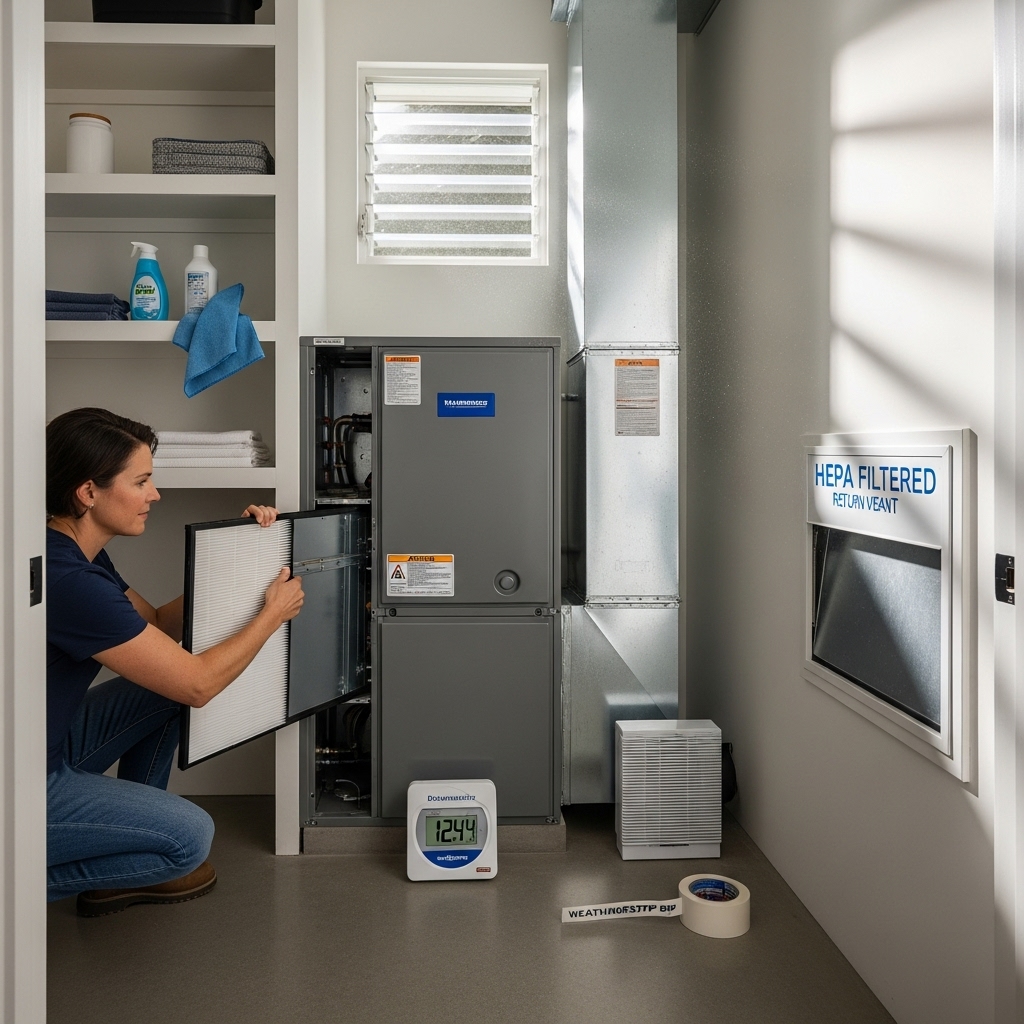
Your HVAC is the circulatory system of the house, and in Malibu it works across seasons—cooling during a warm Santa Ana, gently heating on damp winter mornings. Schedule a follow-up inspection a few weeks after restoration. Ducts cleaned during the project can still release a small amount of settled dust as airflow patterns normalize. A quick check and, if recommended, a staged filter change catch that last bit before it becomes a nuisance. Pay attention to returns and registers; a light wipe with a pH-neutral cleaner keeps edges from becoming tacky dust magnets.
Do not forget the smaller fans. Bath exhausts, range hoods, and laundry vents move a surprising amount of air. Clean and inspect the exterior terminations and make sure backdraft dampers move freely. These pathways are pressure-sensitive and can either help or hinder your effort to keep indoor air clear. If you sealed attic bypasses during restoration, keep an eye on those areas for the first season to ensure seals hold and insulation remains undisturbed after any contractor visits.
Surfaces, Textiles, and the Slow Return to Normal
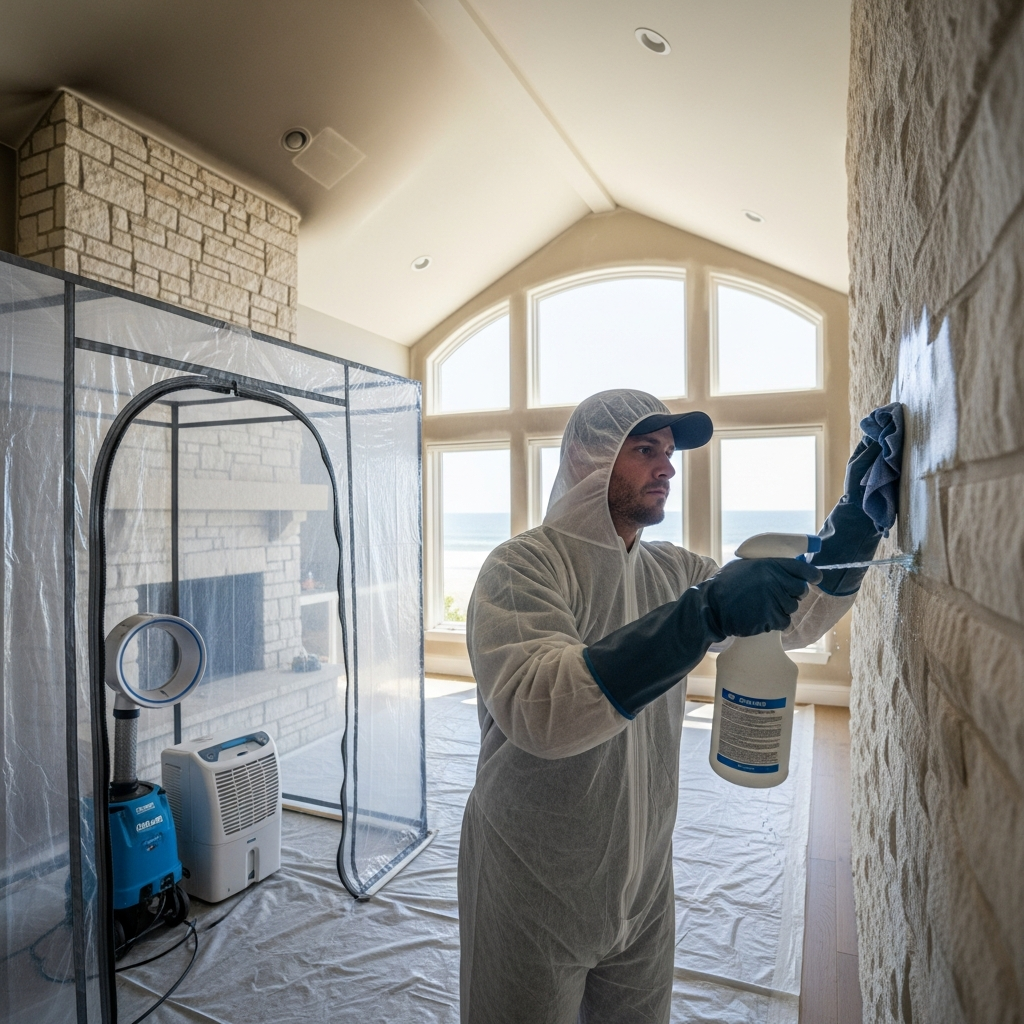
Finishes respond best to a gentle, regular touch. Now that the heavy lifting is done, dust with soft microfiber and vacuum with HEPA filtration so you are not reintroducing fine particles. Avoid harsh products that promise a quick shine; they can attract dust and alter sheen on plaster, stone, and wood. Kitchens deserve extra attention for a while. Oily residues from normal cooking can bond with any remaining smoke compounds if a windy day sneaks a little in. Wipe cabinet faces and appliance fronts using pH-aware cleaners, and do not neglect the tops of cabinets and the hidden ledges above built-ins where dust likes to gather.
Textiles tell you how your home is doing. If a guestroom duvet or a hallway runner carries a faint note after a hot afternoon, it may be a sign that a hidden cavity needs a second look. Most fabrics will behave beautifully after a professional deodorization, but a few can still express odor with temperature swings. A targeted retreatment or extra airing solves it; the key is to notice early and address the source rather than layering on fragrances.
Windows, Light, and the Coastal Film
Malibu light reveals everything. After restoration, clean windows sparkle, but salt and everyday dust will still find them. A routine wash with neutral cleaners keeps glass clear and avoids etching. Inspect window tracks and weep holes; if they stay gritty, particles can grind into seals and make sliders harder to close, which diminishes your ability to button up the house when smoke returns. For homes that see ocean spray on certain wind days, consider protective treatments recommended during restoration. They make maintenance easier and create a buffer if smoke rides those same winds again.
Shades, drapes, and screen doors deserve the same attention. Vacuum screens gently and wipe frames so they do not become reservoirs. When you open the house for a sea breeze, you want the air to flow through clean gateways.
Outdoor Interfaces and Secondary Spaces
Smoke does not respect boundaries. Garages, guesthouses, sheds, and pool houses can feed odor back into main living areas if left out of your routine. Treat them as part of the home. A monthly walkthrough, a quick vacuum, and a check of weatherstripping and door sweeps go a long way. Store textiles in sealed bins for a season while you confirm everything has settled. Surf gear, beach chairs, and outdoor cushions pick up odor easily; a rinse and sun-dry on a clear day clears them before it wanders indoors.
Landscaping plays a quiet role. If restoration revealed embers or ash drift patterns, consider how hedges, trellises, or overhangs influence airflow into entryways and windows. Strategic trimming and placement can reduce smoke intrusion on future wind events. Keep gutters clean; decomposing debris holds odor and can recirculate it through attic ventilation if left to sit.
Documentation and Communication
Keep the restoration report handy. It is more than a receipt; it is a playbook. It lists products used on surfaces, filter types installed, and any areas that were sealed or flagged for monitoring. Share it with house managers, cleaners, and vendors so everyone follows the same guidance. If you renovate or bring in new trades, let them know where seals were added in attics or around recessed lighting so they do not unknowingly compromise them. A little communication preserves hard-won improvements.
Many Malibu homes host guests or short-term visitors. Leave a simple note near the thermostat or by the main door explaining how to operate ventilation on smoky days. A small habit—closing certain windows before leaving for the afternoon when winds pick up—prevents the need for another deep clean.
Seasonal Rhythm: Reading the Weather
Post-restoration maintenance is not about constant vigilance; it is about matching your effort to the season. In late summer and fall, when Santa Ana conditions are likely, tighten the home on forecasted red-flag days and have spare filters ready. In winter, when damp mornings meet wood fires in the neighborhood, watch for localized smoke and respond quickly with short recirculation cycles. Spring often brings dust and pollen; your upgraded filtration will help, but door discipline matters when the breeze gets blustery.
You will find a cadence that fits. For some, it is a Saturday circuit with a microfiber cloth and a quick look at returns and windows. For others, it is a note on the calendar to check filters after the first big wind of the month. The trick is to keep the routine light enough that you stick with it and focused enough that small issues never have a chance to grow.
When to Call for Backup
Even with good habits, there are times to bring a professional back in. If a room develops a persistent odor after a hot week, if electronics behave oddly, or if you notice new ghosting along ceiling lines, a targeted visit can resolve it before it spreads. Post-restoration support is not a repeat of the original job; it is a surgical pass that preserves your baseline. Malibu’s complex airflow and the interplay of salt and smoke sometimes produce surprises. Having a relationship with the team that did the work makes these moments simple to fix.
Midway through the first season after restoration, most homeowners report the same feeling: the house feels light and easy again. That impression matters. It tells you the air is moving the way it should, that surfaces are staying clean with minimal effort, and that the memory of the smoky week has receded into the rearview. If you do notice a change, trust your senses and investigate; catching a small shift always beats a big reset.
Frequently Asked Questions
How often should I change filters after restoration?
Follow the guidance from your restoration team and your HVAC manufacturer, but expect a stepped approach in the first few months—an early change after a couple of weeks, then a return to a regular cadence. If winds are frequent, shorten intervals temporarily.
Is it okay to open windows again?
Yes, with awareness. On clear days, open the house and enjoy the breeze. When smoke is in the forecast or faintly present, button up, run recirculation with good filtration, and ventilate again once conditions improve.
What if I still notice a faint odor in a closet or cabinet?
Isolate the source. Remove contents, wipe surfaces with appropriate cleaners, and air the space. If odor persists, a hidden cavity like the void above cabinets or insulation around a fixture may need targeted treatment or sealing.
Do I need special products for routine cleaning?
Not special, just appropriate. pH-balanced, low-residue cleaners and HEPA-filtered vacuums are the foundation. Avoid heavy fragrances that can mask early signs of a problem you would rather address directly.
How can I prepare for the next smoky week?
Keep a small kit: spare filters, microfiber cloths, a neutral cleaner, and painter’s tape to seal a drafty gap in a pinch. Know which windows catch smoke first and practice closing them quickly. Simple readiness turns a stressful day into a manageable one.
Home in Malibu is a promise you make to yourself: ocean, light, and a calm place to land. With a little care after a successful restoration, that promise holds through the seasons. If you would like a short check-in or help fine-tuning your routine, reach out for guidance tailored to your home and the way you live. A quick conversation about smoke damage restoration and maintenance can keep everything you love about your space working quietly in the background, exactly as it should.