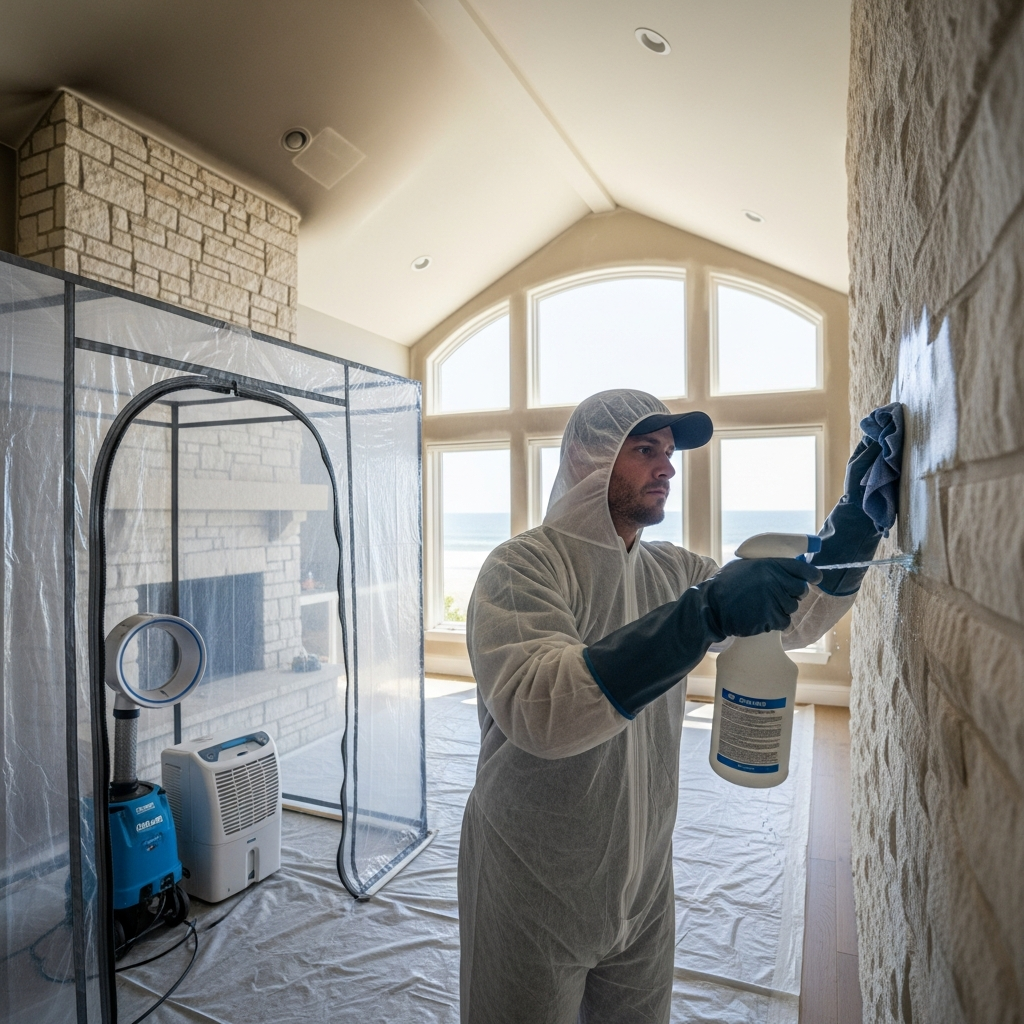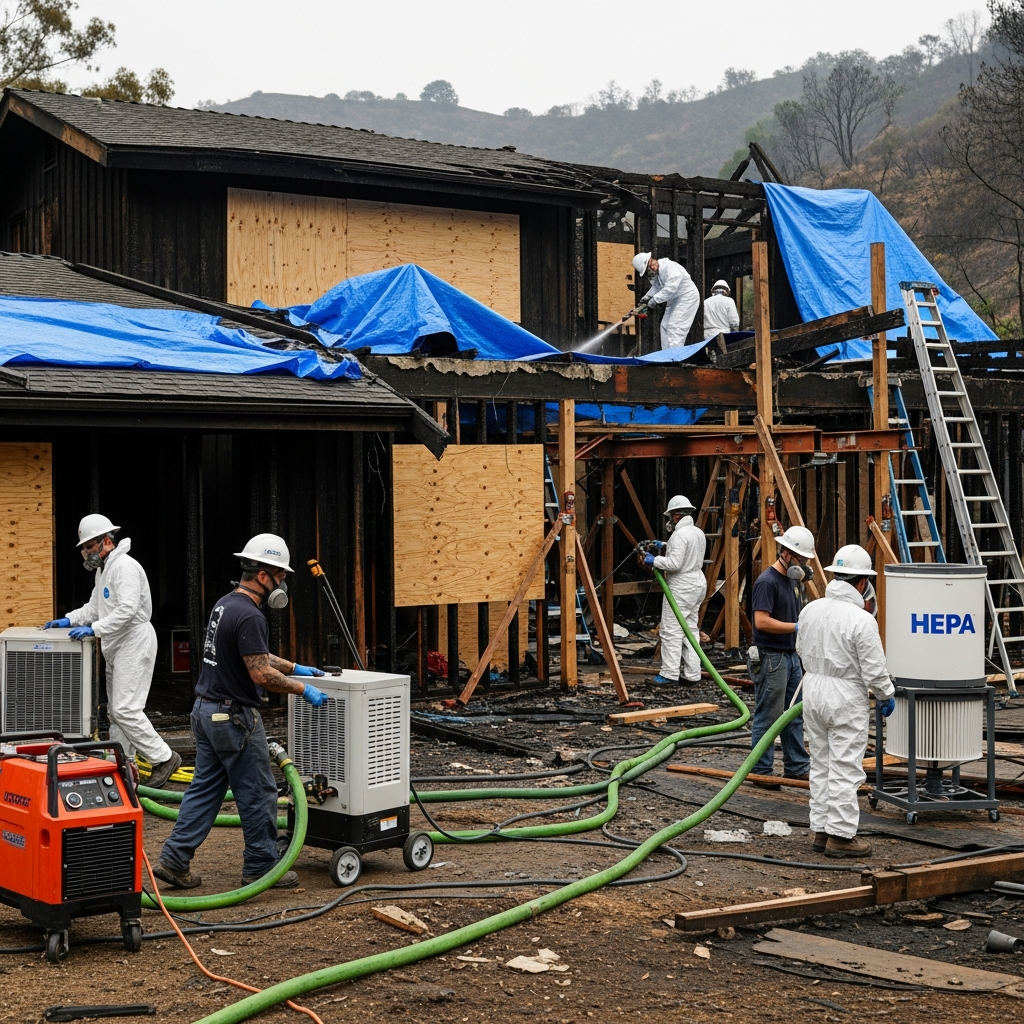
Restoration does not end when the last air scrubber leaves and the smell of smoke is a memory. In Malibu, where ocean air and canyon winds shape the life of a home, post-restoration maintenance is what protects your investment and preserves the clean, calm feeling you worked hard to regain. Think of this phase as stewardship. Your home has been through a lot; now it needs a thoughtful routine that respects the local climate and your lifestyle. Partnering with a team that understands fire damage restoration in Malibu can set you up with a plan that keeps small issues from becoming big ones.
After a fire, materials have been stressed, systems have been cleaned, and certain assemblies may be new. The first year is an important window to confirm performance and develop habits that support long-term health of the structure and the spaces you live in. The following guidance draws on local experience and the patterns that tend to appear in the months after crews pack up.
Keep Air Clean and Moving
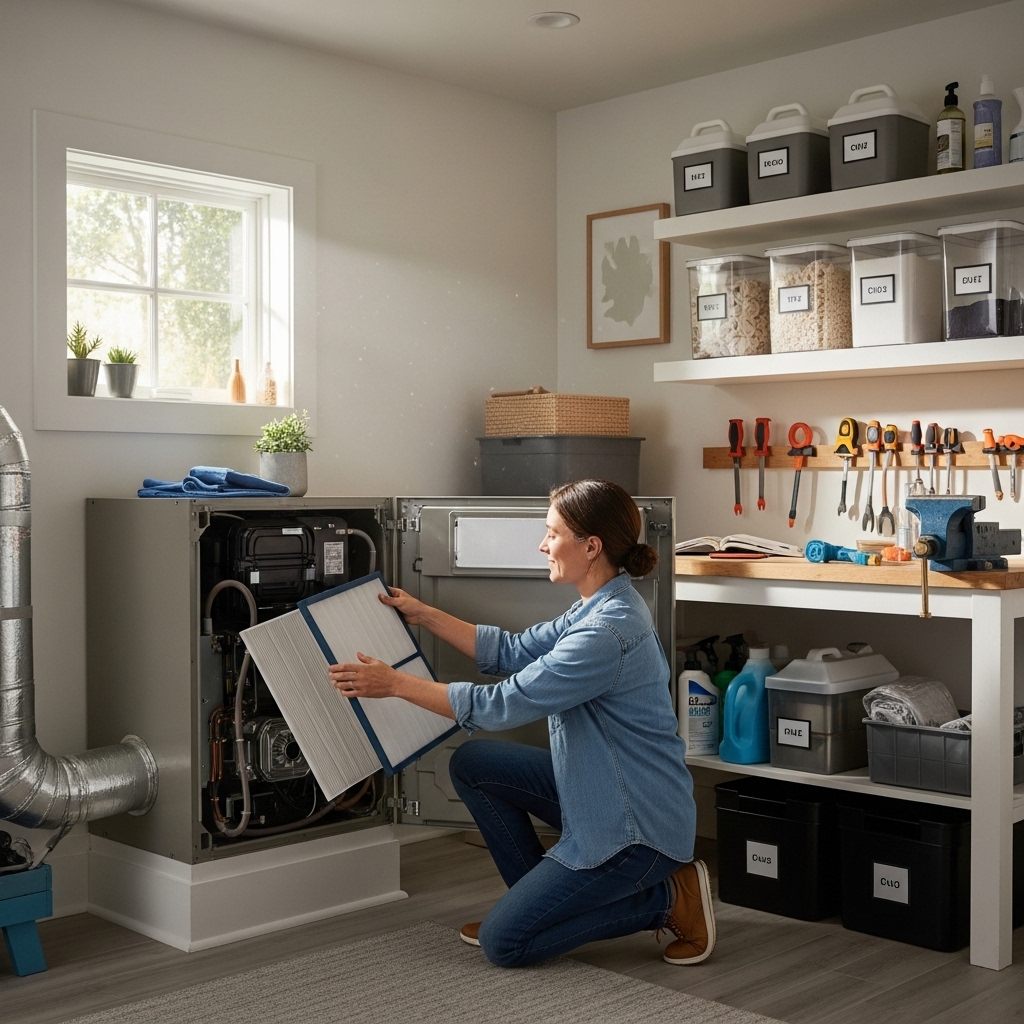
Air quality is the foundation of comfort. Even after thorough cleaning, ultra-fine particles can settle for some time. Regularly changing HVAC filters, especially in the first few months, is an easy way to maintain the improvements you have already made. Consider stepping up to higher-efficiency filters compatible with your system, and schedule a duct inspection six to twelve months after restoration to confirm everything remains clean. Malibu’s seasonal swings—from marine layer mornings to dry, windy afternoons—make ventilation strategy important. On clear days, ventilate living spaces, but during high-wind or smoky conditions from regional events, keep windows closed and rely on filtration.
Moisture Vigilance
Water from firefighting is often the invisible guest that lingers longest. While professional drying brings materials back to target levels, it is wise to stay alert. Inspect under sinks, around baseboards, and in crawlspaces for any musty odor or discoloration. In hillside homes, monitor drainage around foundations, as slopes can channel water in ways that change after soils are disturbed. Promptly addressing a small leak or damp spot can prevent the need for a second round of repairs.
Surface Care with Intention
Restored surfaces deserve gentle, appropriate care. Stone counters and tile may have been cleaned with residue-specific agents; keep them looking their best by avoiding overly harsh products that can dull finishes. For wood floors, watch for cupping or gaps as seasons change, and maintain stable indoor humidity where possible. If new paint was applied as a sealing step against odor, follow the manufacturer’s curing guidance before heavy cleaning. These small habits extend the life of your finishes and keep spaces feeling fresh.
HVAC Performance Checks
A clean HVAC system is a cornerstone of post-restoration comfort. Schedule routine maintenance and consider having a technician check coils, cabinets, and drain pans to confirm cleanliness and proper function. Malibu homes that open to the outdoors can draw in extra dust and pollen; your system works hard, and a little attention goes a long way. Smart thermostats and indoor air sensors can help you track trends, noting when particulate levels rise due to seasonal events so you can respond proactively.
Exterior Envelope and Defensible Space
Resilience begins at the exterior. If your restoration included roof or vent work, inspect these areas after the first windy spell to ensure screens and flashings remain secure. Ember-resistant vents and well-sealed eaves help keep smoke and embers from entering if a future incident occurs. In the landscape, maintain defensible space by clearing debris and spacing vegetation thoughtfully. Coastal breezes dry vegetation quickly after foggy mornings; regular attention keeps the yard attractive and reduces risk.
Electronics and Appliances
Smoke-exposed electronics sometimes fail later due to corrosion. If equipment was cleaned and returned to service, remain attentive to intermittent issues—unexpected resets, noise, or heat. Surge protection and stable power support longevity. For appliances, keep filters and gaskets clean and listen for unusual sounds. Taking notes on early warning signs helps you act before a small hiccup becomes a major inconvenience.
Mind the Details You Cannot See
Attics, crawlspaces, and utility chases deserve periodic check-ins. A flashlight and a few minutes can reveal shifting insulation, animal intrusion, or moisture that needs attention. In Malibu’s hillside neighborhoods, small critters sometimes seek shelter; keeping these areas tidy discourages nesting and protects ductwork and wiring. If your restoration included encapsulation or sealing, verify that those barriers remain intact so they continue to do their job.
Documentation and Peace of Mind
Keep your restoration records handy: before-and-after photos, material specifications, and any warranties. They are useful during routine maintenance and invaluable if you ever sell the home or need to reference how a particular area was treated. Documenting your own observations—filter changes, minor repairs, or seasonal checks—builds a living history that simplifies future decisions.
Plan for Seasonal Shifts
Malibu’s seasons are subtle but significant. In late summer and fall, dry winds can pull moisture from materials and carry dust into every crevice. Winter brings cool, damp mornings. Adjust your routine accordingly: increase ventilation on dry days, add humidity if indoor air becomes overly dry, and stay ahead of filter changes during windy periods. Attuning your maintenance to the environment pays real dividends in comfort and durability.
Set Expectations with Your Team
If your restoration partner offered a follow-up schedule, use it. Post-restoration check-ins catch early changes and keep the home on track. Do not hesitate to call with questions—something as small as a faint odor on a warm day or a new stain near baseboard trim is worth discussing. Professionals who specialize in fire damage restoration in Malibu expect these conversations and can often resolve concerns quickly with minor adjustments.
Resilience Upgrades Over Time
Consider incremental improvements as part of maintenance. Ember-resistant vents, tighter weatherstripping, and upgraded attic insulation can all reduce smoke intrusion during regional events and improve energy performance. If repainting is on your horizon, talk with your contractor about primers and coatings that help with odor control and washability. These are not emergency measures—they are calm, deliberate steps that build a more comfortable and durable home.
Caring for the Emotional Landscape
Maintenance is not just technical. Returning to a space that once held smoke and stress can bring back memories. Small rituals help: airing out the house on bright mornings, reintroducing favorite scents that are unrelated to fire, and reclaiming rooms with everyday activities. The point of maintenance is not only to protect materials; it is to nurture a sense of ease and belonging in your home.
Frequently Asked Questions
How often should I change HVAC filters after restoration?
For the first few months, check monthly and replace as needed. As dust levels stabilize, you can return to your system’s normal schedule. If your home opens frequently to outdoor spaces, more frequent changes may keep air quality at its best.
What if I notice a faint smoke odor weeks later?
Occasional odors can be triggered by heat or humidity. Note where and when they occur and contact your restoration provider. A targeted inspection—often focused on HVAC components or specific cavities—usually identifies the source for quick resolution.
Are there cleaning products I should avoid?
Harsh or abrasive cleaners can dull finishes or set stains, especially on stone, specialty metals, and artisan surfaces. Use pH-appropriate products and test in inconspicuous areas. When in doubt, ask your restoration partner for recommendations based on the materials in your home.
Do I need another duct cleaning?
Not necessarily, but a follow-up inspection six to twelve months after restoration is wise. If readings are clean and there is no dust buildup, you can postpone additional cleaning. If you notice dust puffs at registers or recurring odors, schedule service sooner.
How can I prepare for fire season after restoration?
Maintain defensible space, keep vents protected and clear, and store important documents where they are easy to access. Review your household plan so everyone knows how to respond if smoke returns to the area. These simple steps reduce stress and improve readiness.
When should I call a professional again?
Anytime you see new staining, warping, persistent odors, or moisture where it should not be, it is worth a call. Early attention is almost always simpler and less disruptive than waiting.
Stay Steady on the Path to Long-Term Comfort
Your home has come through a difficult chapter. With a calm, consistent maintenance routine and trusted guidance, the chapters ahead can be easier and brighter. If questions arise or you want a quick check-in, reach out to specialists in fire damage restoration in Malibu and enjoy the confidence that comes from proactive care.