For Malibu businesses, fire recovery is about much more than repairing walls and repainting. It is about continuity—keeping staff employed, serving clients, protecting brand reputation, and preserving the unique character of a space that customers know and love. Whether you manage a boutique on Cross Creek, a restaurant with ocean views, a creative studio in the canyons, or a hospitality property along the coast, commercial restoration demands coordination at a scale and pace that differs from residential work. If you’re orienting yourself after an incident, a grounded overview of fire damage restoration can provide the vocabulary and framework you’ll need to lead decisively.
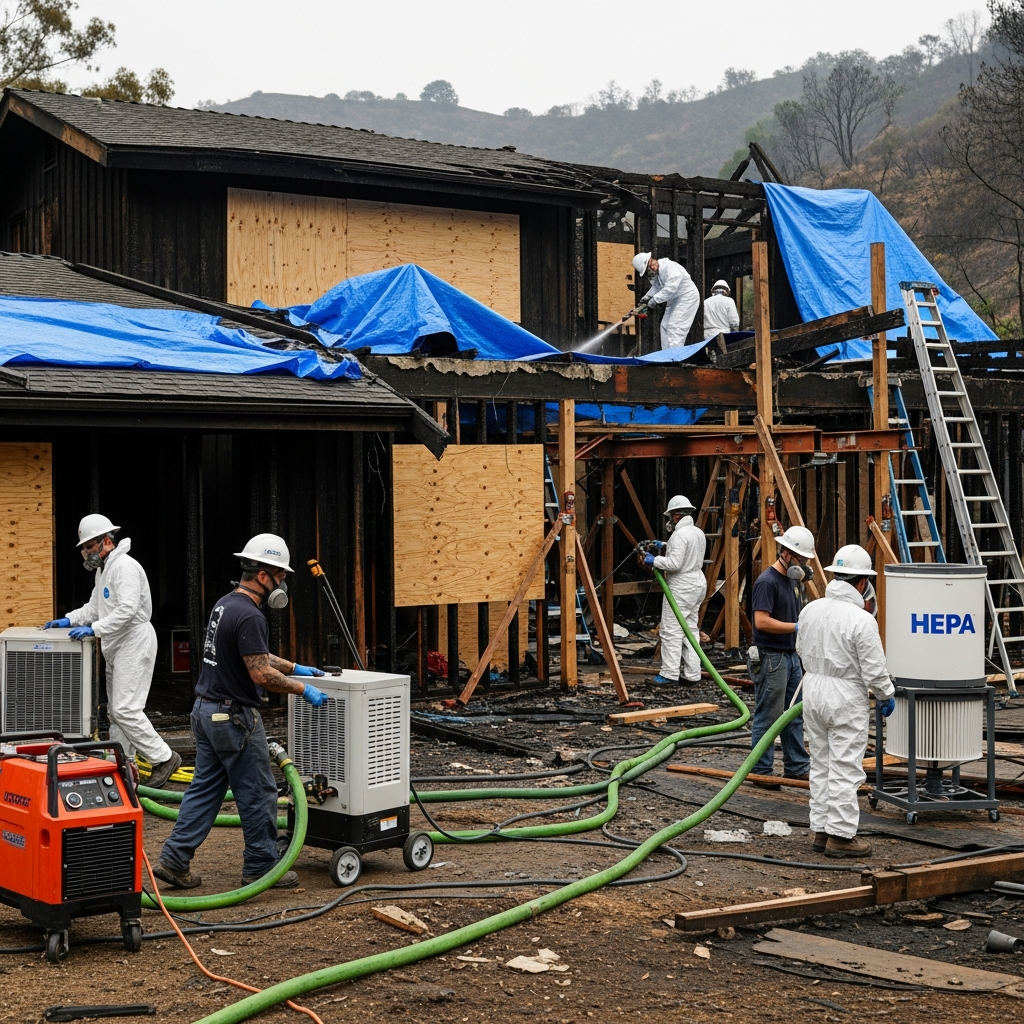
Stabilization is the first act. A well-prepared commercial team arrives with a plan for immediate security—board-ups, fencing, and rapid water extraction—to protect inventory and equipment from secondary harm. In restaurants and retail, they will isolate stock rooms and kitchens quickly to prevent cross-contamination, and in studios or offices, they will power down and stabilize electronics before corrosion takes hold. Malibu’s marine air accelerates chemical reactions between soot and metal, so early attention to POS systems, servers, audio gear, and refrigeration can preserve assets that might otherwise be lost.
Safety and compliance are the next layer. Commercial projects intersect with workplace regulations and authority having jurisdiction oversight. The team will set safe work zones, post signage, and manage air quality to meet occupational standards. Coordinating with city officials, property management, and insurance representatives becomes a daily rhythm. The best partners provide a single point of contact who translates technical steps into clear updates so you can make swift decisions with confidence.
Documentation is the backbone of commercial claims and scheduling. Crews create a room-by-room map of conditions, capture photographs, log moisture readings, and inventory contents. In retail and hospitality, barcodes and detailed lists ensure that every product and fixture is accounted for. In offices and studios, chain-of-custody protocols protect sensitive equipment and data. This level of documentation smooths approvals and prevents rework, which is critical when every day offline carries weight.
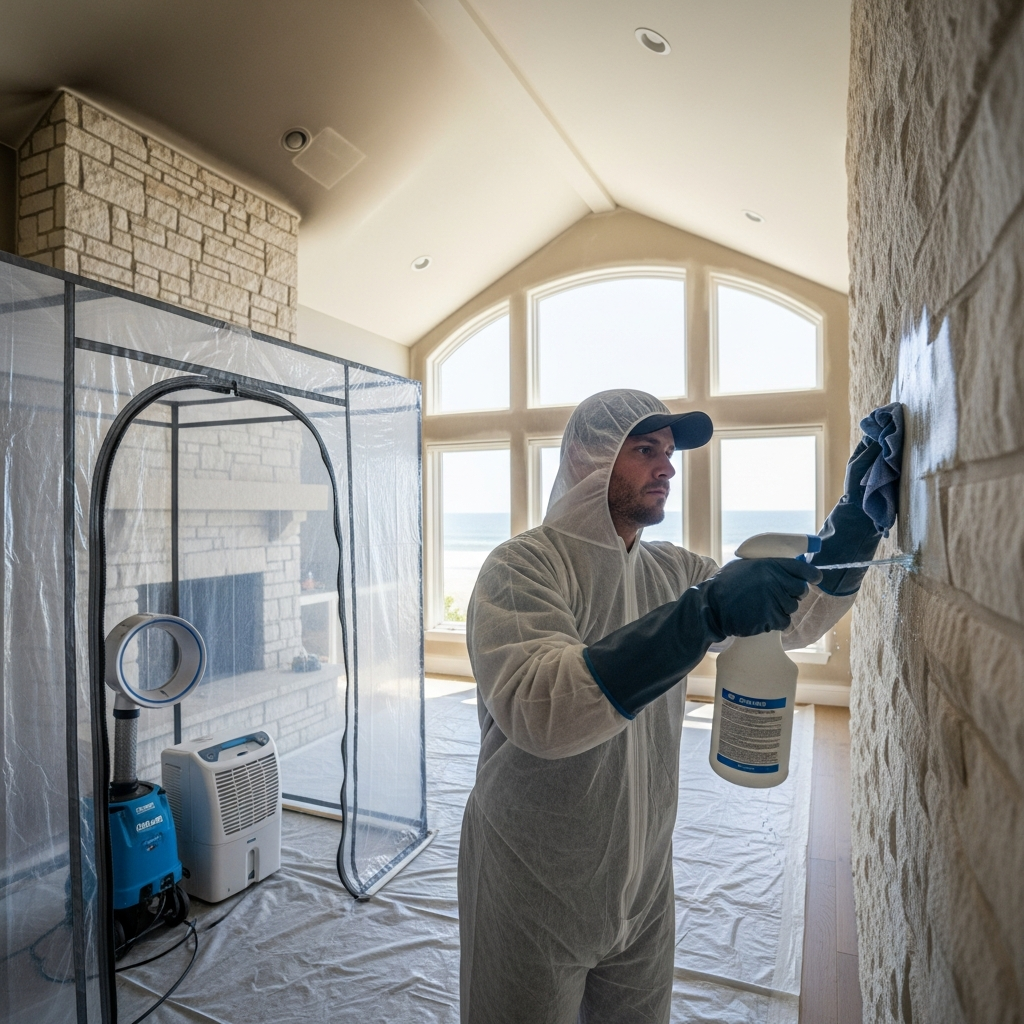
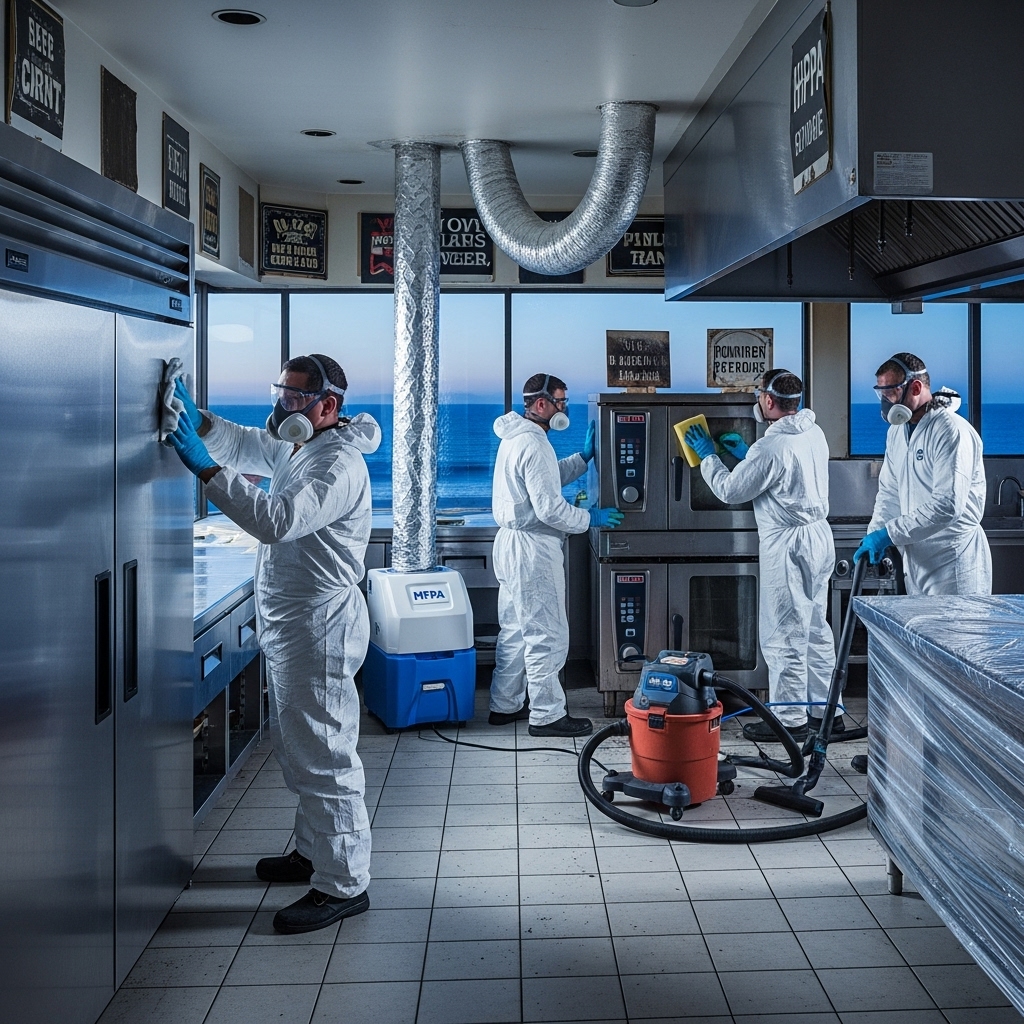
Air quality management in commercial spaces has to be meticulous. HEPA filtration and negative air containment run continuously to protect unaffected zones, staff, and adjacent tenants. Duct systems in larger buildings can be complex, with multiple branches and rooftop units. Cleaning and verifying these systems is central to odor control and occupant health, especially before re-occupying partial areas. Malibu’s foggy evenings can trap residual odors if ducts are overlooked, so professional verification is non-negotiable.
Contents triage looks different in commercial settings. Restaurants need a plan for cookware, refrigeration, and food-safe surfaces; retail needs salvage strategies for inventory, displays, and textiles; studios need protocols for cameras, instruments, and editing suites. Skilled teams separate what can be cleaned on-site from what requires a controlled environment, and they coordinate with specialists when high-value gear or artwork is involved. They also protect unaffected inventory through containment and rapid relocation to clean zones.
Drying and cleaning proceed in phases aligned with reopening goals. Rather than treating the space as a single project, experienced teams prioritize zones that can return to service sooner. That might mean focusing on front-of-house areas while back-of-house undergoes deeper work, or bringing an office bullpen online while a server room receives specialized treatment. These decisions are made in partnership with you because you know which functions drive revenue and which areas can remain offline longer without disrupting operations.
Malibu’s logistics present practical challenges: coastal humidity, narrow access roads, and neighbors who share driveways or parking lots. Commercial crews plan staging carefully, coordinate deliveries to avoid peak hours, and manage debris with minimal disruption to nearby businesses. They also understand the importance of keeping storefronts tidy and brand-forward, even during construction, with neat signage and temporary finishes that reassure customers.
Odor control in customer-facing spaces must be uncompromising. Source removal, thorough cleaning, and duct work set the foundation. Deodorization through hydroxyl or ozone (as appropriate to materials and occupancy) follows, and sealing of porous surfaces ensures that odors do not return when doors close after hours. Before reopening, walk-throughs focus on the customer experience: how the space smells, looks, and sounds, whether HVAC cycles introduce any trace odors, and whether lighting and acoustics feel “normal.” The goal is not just compliance but confidence for patrons and staff alike.
Reconstruction requires both speed and fidelity to your brand. Matching finishes, signage, and lighting schemes matters in retail and hospitality where ambiance is part of the business model. In studios and offices, acoustic treatments, cable pathways, and ergonomic layouts must be recreated with precision. Experienced commercial teams bring designers and trades who understand these nuances, ensuring that the restored space functions as well as it looks.
Coordination with stakeholders is constant. Property owners, tenants, insurers, city officials, and vendors all have a voice, and the restoration partner acts as conductor. Standing meetings, clear agendas, and shared documentation keep decisions moving. When new information surfaces—say, moisture discovered behind a feature wall—the team presents options, impacts on timeline, and a recommended path forward so you can choose with a full picture in mind.
Midway through many commercial restorations, the conversation turns to phased reopening. A thoughtful partner helps you sequence inspections, cleaning, and temporary finishes so that revenue-generating areas reopen first without compromising safety or quality. They might recommend modified hours initially, with back-of-house work continuing after close, and they will help set customer expectations through signage and staff talking points so the return feels seamless.
Training and handoff are the final mile. Your team should receive guidance on maintaining new finishes, filter changes for HVAC, and early warning signs of odor rebound. They should also leave you with a clear record of what was done, including photos, test results, and warranties on materials and workmanship. This documentation supports future maintenance and demonstrates due diligence to landlords, insurers, or corporate oversight.
Beyond the immediate project, consider resilience improvements that align with Malibu’s environment. Ember-resistant vents, better compartmentalization in back-of-house areas, smart detection tied to building management systems, and landscaping that maintains defensible space can all be integrated without changing the spirit of your brand. These upgrades are about continuity—reducing the chance that a small incident becomes a major disruption.
Community relations are part of commercial recovery in Malibu. Keep neighboring businesses informed about schedules and access, and coordinate shared resources like parking and dumpsters. A considerate approach maintains goodwill and can even generate support, with nearby businesses referring customers your way as you reopen. Restoration partners who embrace this mindset help maintain the collaborative spirit that keeps our local economy resilient.
Above all, choose a team that treats your business as a living system rather than a construction site. They will balance speed with thoroughness, protect brand experience, and communicate in a way that empowers your decisions. When the right people are in the room, the path from disruption to reopening is steady, transparent, and respectful of what makes your business uniquely Malibu.
Frequently Asked Questions
Can we reopen parts of the space while work continues? Often, yes. With proper containment, air filtration, and coordinated scheduling, customer-facing areas can reopen while deeper work proceeds after hours or in back-of-house zones.
How are electronics and POS systems handled? Early stabilization and corrosion control are critical. Teams power down, dry, and treat devices promptly, then coordinate with specialists for verification before returning equipment to service.
What are the keys to eliminating odor in commercial settings? Source removal, thorough cleaning, HVAC duct cleaning and verification, appropriate deodorization methods, and sealing of porous surfaces where needed. Final walk-throughs confirm that odors don’t return during normal operations.
How is neighbor impact minimized? Through careful staging, scheduled deliveries, neat work areas, and clear communication with adjacent businesses and property managers. Respect for shared access keeps the project on good terms with the community.
What does a strong handoff look like? Detailed documentation of work performed, maintenance guidance, filter schedules, and contact points for any follow-ups. Your team should feel equipped to maintain the restored environment confidently.
Partner with a Malibu-Savvy Team
If your business is facing the aftermath of a fire, choose a partner who understands both the technical demands and the customer experience you need to protect. For a clear understanding of process and a direct line to seasoned professionals, explore resources on fire damage restoration and schedule a walkthrough that turns uncertainty into a step-by-step plan for reopening.