In Malibu, “best” is not a buzzword; it is a standard forged by experience with coastal conditions, hillside access, exacting design, and the emotional weight that follows a fire. The companies that truly stand out share a common DNA: technical mastery, local fluency, respectful communication, and a craftsman’s eye for finishes that blend seamlessly. As someone who has watched projects unfold from the first board-up to the final walkthrough, I’ve learned that excellence reveals itself in small, consistent choices that protect health, preserve character, and keep momentum steady. If you’re beginning to evaluate firms, a solid overview of fire damage restoration can help you recognize the markers of quality that matter most in Malibu.
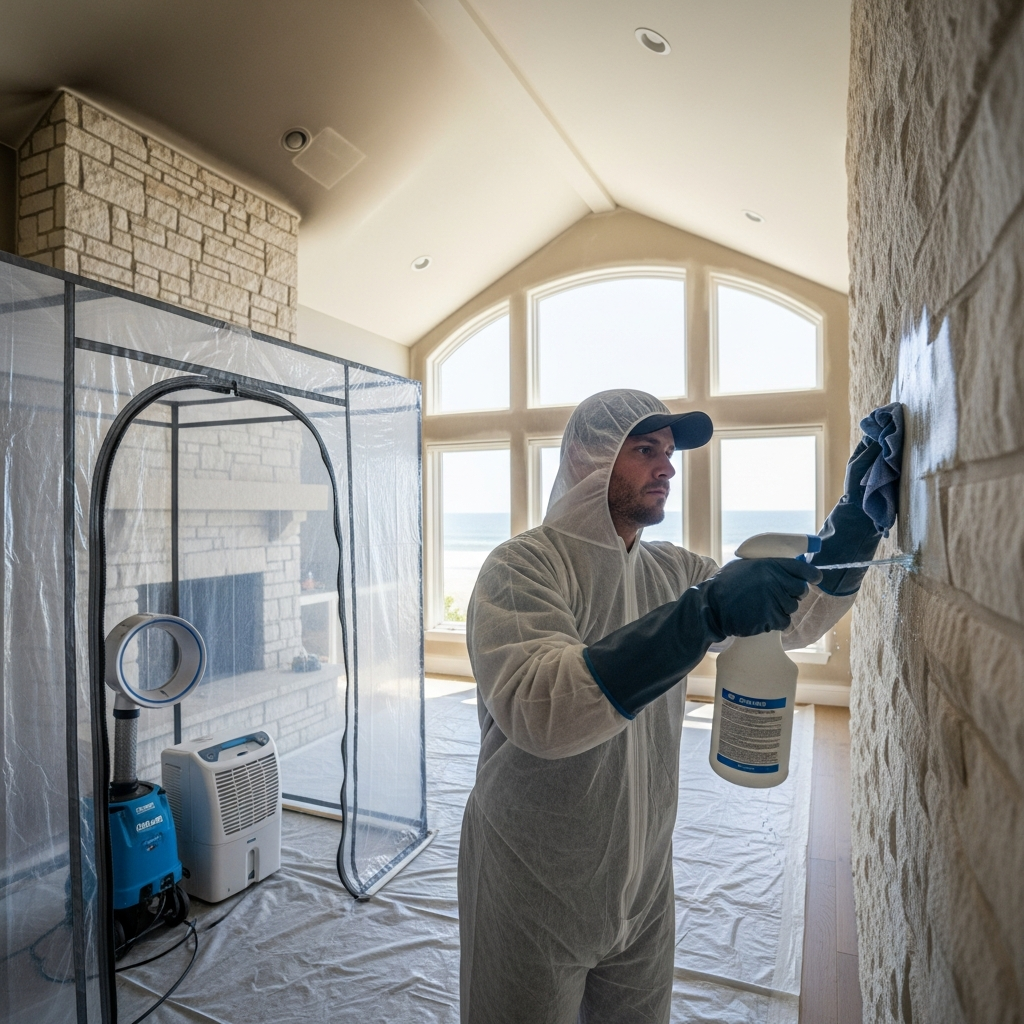
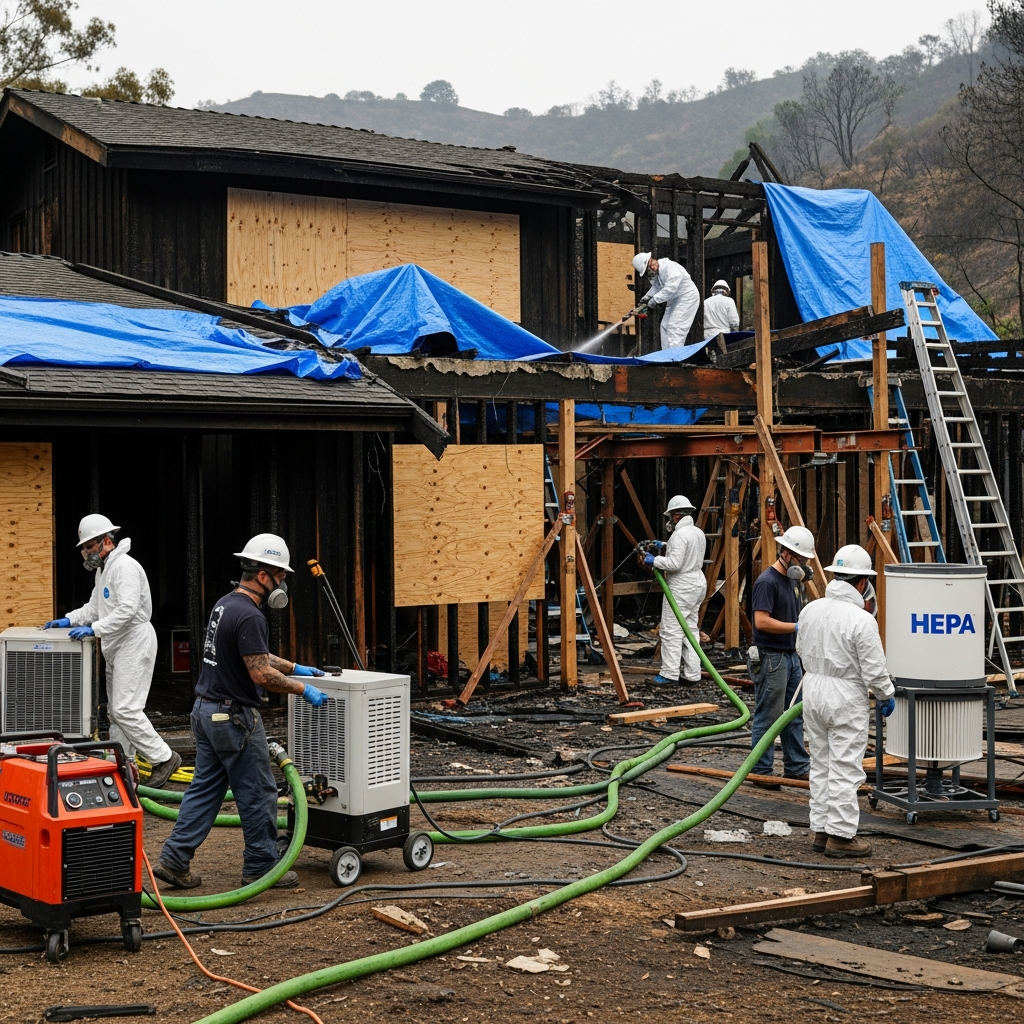
Great companies start strong. They show up with the right equipment and the right mindset—calm, methodical, and focused on stabilization. In the first hours, they secure openings, set containment to prevent cross-contamination, and extract water thoughtfully so that drying begins immediately. They document everything with photos and notes, not only for coordination but also for your peace of mind. This early discipline prevents secondary issues, which is especially important on the coast where salt-laden air can magnify corrosion.
From there, the best move with clarity. They explain the difference between dry, wet, and protein residues and how each will be addressed. They tailor cleaning to your finishes: gentle dry techniques for beams and plaster, targeted washes for smooth walls, and careful sealing where odor could persist. They treat HVAC as a priority rather than an afterthought, understanding that a clean duct system is essential for a truly fresh home. They also respect unaffected areas, using floor protection, dust control, and negative air so you are not repairing one problem while creating another.
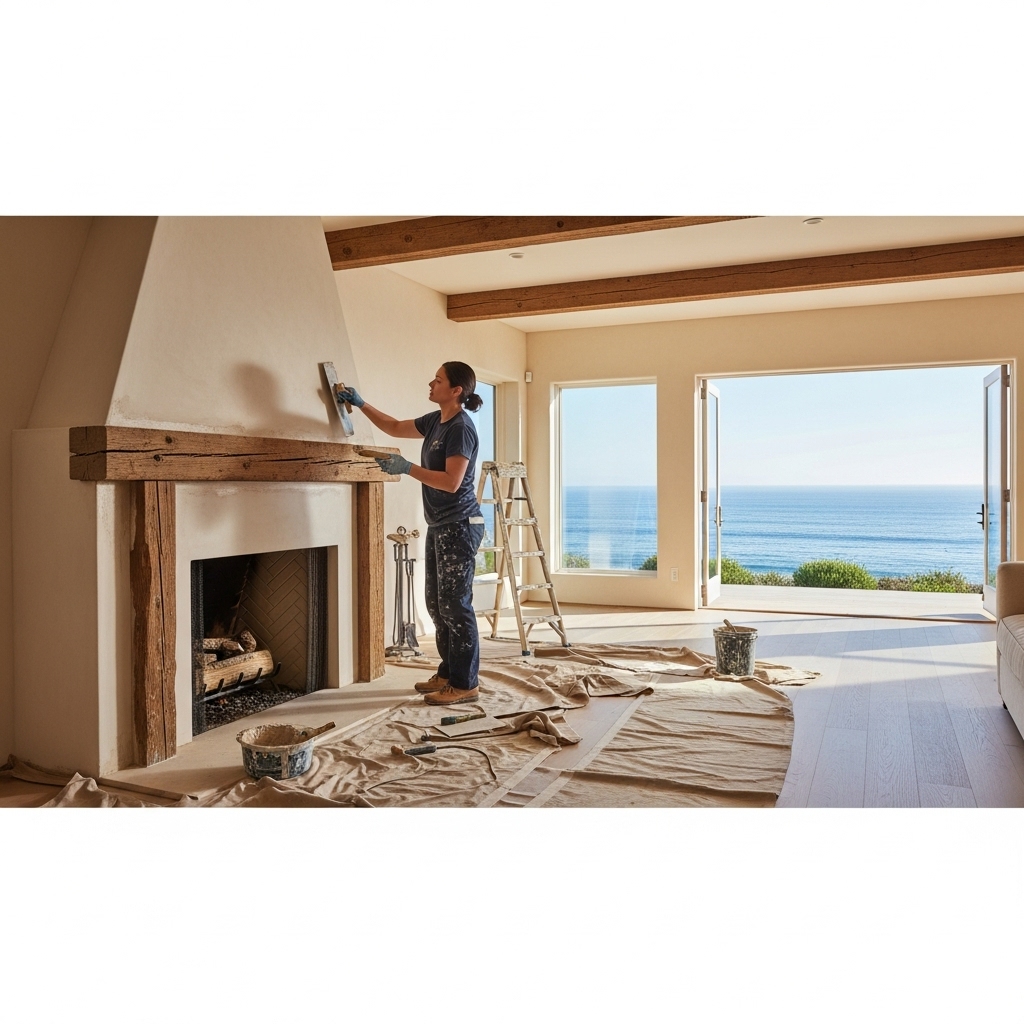
Local fluency sets Malibu leaders apart. These teams anticipate narrow roads, steep drives, and coastal weather when they plan staging and schedule work. They coordinate with the City of Malibu efficiently, understanding review pathways for structural and exterior work. On the design side, they know how to match stucco textures, plaster finishes, stain tones, and tile patterns so that restored spaces don’t feel like patchwork. This sensitivity to continuity makes a world of difference in homes where natural light and sightlines are integral to the design.
Best-in-class communication is another hallmark. You should expect a steady cadence of updates, shared photos, and walkthroughs at logical milestones. When something unexpected appears—like smoke trapped behind baseboards or moisture readings that plateau—they explain your options and why a particular path is recommended. You are never left guessing. This collaboration reduces stress and builds trust, which is as valuable as any tool on the truck.
Contents care is where many companies distinguish themselves. The top firms treat your belongings as part of the home’s story. They inventory, pack, clean, and store with precision, and they bring in specialists when a guitar, painting, or bespoke furniture piece requires it. Malibu households often include items acquired over years of travel or work in creative industries. The best teams have relationships with conservators and know when to pick up the phone.
Another trait of the best: they think in layers. Odor control is not a single step but a sequence—source removal, air filtration, deodorization, and verification. They understand that ocean breezes can mask lingering odors during the day only for them to reappear at night, and they plan accordingly. They also respect the science of drying, using readings to guide duration rather than guessing and tearing out more than necessary.
As projects move toward reconstruction, top firms become curators as much as builders. They source materials that withstand the coastal environment and partner with artisans who can replicate details. They consider resilience—ember-resistant vents, smart detectors, and thoughtful landscape adjustments—without compromising the home’s aesthetic. They balance speed with craftsmanship so that when you step back into your space, it feels like home, not a facsimile.
How do you identify these companies when you first call around? Listen for how they describe their process. Do they talk about containment, HVAC cleaning, and verification steps? Do they ask about your finishes and your priorities? Do they demonstrate familiarity with local logistics and permitting? The answers will reveal whether you’re speaking with a team that performs at a high level or one that relies on generic templates.
Peer feedback and neighborhood experience matter in Malibu’s close-knit communities. When a company has worked on your street or handled a property with similar finishes, they bring lessons learned that translate into fewer surprises. They also understand how to operate respectfully within the neighborhood, from staging to quiet hours, which keeps projects smooth and relationships intact.
Midway through a job, excellence looks like consistency. Equipment is maintained, zones stay clean, and milestones are hit. If conditions change, updates are timely and thorough. Crews treat your home with care, from wearing boot covers to preserving sightlines during containment. Leadership is present and accountable, not just a voice on the phone. For a deeper understanding of why each step matters, guides to fire damage restoration offer language and context that empower you to participate meaningfully in decisions.
Quality assurance is the quiet backbone of great work. Air samples or odor checks verify results rather than assume them. Moisture logs show drying progress. Final cleanings are meticulous, with vents, cabinet interiors, and hidden corners receiving attention so the home feels truly renewed. Punch lists are collaborative, and the handoff includes maintenance guidance for finishes so you can enjoy durable results.
Finally, the best companies understand that restoration is personal. They meet you where you are, acknowledge the emotional side of loss, and build a plan that protects what matters most to you. They bring patience without losing pace, and they finish strong, ensuring that the last day on site feels as intentional as the first.
Frequently Asked Questions
What questions should I ask when interviewing firms? Ask how they handle containment and air quality, whether HVAC cleaning and verification are standard, how they manage contents, and how they coordinate with Malibu permitting. Listen for clear, confident explanations and local examples.
How do top companies prevent odor from returning? By layering solutions: remove sources, capture particulates, clean ducts, apply targeted deodorization, and seal porous surfaces where appropriate, followed by verification through air checks and occupancy tests.
Can specialty finishes be matched? Yes, with the right team. Look for firms that collaborate with artisans and suppliers who can replicate plaster textures, stain tones, tile patterns, and hardware finishes typical of Malibu homes.
What should I expect from communication? A set cadence of updates, shared documentation, and scheduled walkthroughs. Leaders who are reachable and present when key decisions arise are a sign of a well-run company.
Do the best firms help with future resilience? They do. Expect guidance on ember-resistant vents, smart detection, and materials that perform well in Malibu’s coastal-wildland environment, all tailored to your home’s design.
Move Forward with Confidence
If you’re ready to partner with a company that blends craftsmanship with local fluency, start by learning the core steps that define excellent outcomes, then invite a site assessment. For a clear picture of process and standards you can rely on, explore trusted information about fire damage restoration and connect with a Malibu-focused team that will treat your home—and your peace of mind—with the care it deserves.