Post-Restoration Maintenance Tips for Malibu Homes
After the relief of a successful smoke damage cleanup, the next question is how to keep your Malibu home feeling fresh and protected as seasons change. Maintenance is not about turning your life into a to-do list; it is about a few thoughtful habits tuned to the way smoke behaves, the way coastal air moves through a house, and the way Malibu homes are built. With a plan that fits your routines, you can extend the benefits of restoration and make future challenges smaller, easier, and less disruptive.
In the days and weeks after work is complete, you will likely notice a subtle but welcome difference: air feels lighter, surfaces gleam, and rooms hold their calm. The aim now is to preserve that baseline. Because our environment is a blend of canyon winds and ocean moisture, the same openness that makes Malibu homes so comfortable also creates pathways for particulates. Steering those pathways wisely and caring for materials gently will help you avoid the feeling that you are back at square one when smoke returns to the region.
Early on, consider reconnecting with the team that helped with your cleanup to review care instructions for specific materials. Natural stone, oiled wood, designer textiles, and custom finishes respond best to certain pH levels and cleaning sequences. Sticking with those guidelines prevents small maintenance steps from undoing careful work. If you did not receive a materials summary, ask for one; it will save you time and uncertainty down the road.
Equally important is air management. Malibu’s rhythm changes between mornings with soft marine layers and afternoons where winds speak through canyons and across ridgelines. That variability calls for flexible ventilation habits. On clear-air days, controlled ventilation can refresh spaces. On days when the air smells of distant smoke, keeping windows closed and relying on filtration keeps particulates from riding the breeze inside. The goal is not perfection but awareness, tuning small choices to what the day brings.
At this stage, many homeowners find value in a brief follow-up assessment, especially if the initial event was significant. A check of air and surface conditions a few weeks after restoration can confirm that everything remains stable and that no hidden cavity has begun to off-gas. This kind of verification reinforces confidence and may uncover tiny opportunities—like sealing a gap around a recessed light or adjusting door sweeps—that make a noticeable difference.
Of course, maintenance is easier with guidance. Partnering with a local professional who understands Malibu’s microclimates and building styles provides continuity. You get someone who knows your home’s layout, the materials you value, and the way your family lives. That relationship translates into timely advice and quicker, calmer responses when the regional air changes. If you are looking to establish that partnership, consider reaching out for professional smoke damage restoration advice tailored to your home’s unique needs.
Caring for Air Systems and Filtration
Your HVAC system is both a comfort engine and a gatekeeper for indoor air. After a smoke event, it pays to be deliberate about how you use it. Start by confirming that the filters recommended during restoration are in place. Many homes benefit from higher-efficiency filters during fire season and a scheduled change afterwards to reset the system. Keep return vents clear, and avoid blocking them with furniture or drapery. Good airflow helps filters do their job effectively.
When outdoor air turns smoky, resist the urge to run continuous ventilation that draws in unfiltered air. Instead, rely on recirculation with upgraded filtration until conditions improve. If your home has energy recovery or heat recovery ventilators, coordinate their operation with air quality conditions so they are allies, not liabilities, on poor air days. Simple awareness of when and how systems exchange air can prevent a surprising amount of recontamination.
Ductwork merits attention, too. You do not need frequent cleanings by default, but you do want periodic checks, especially before fire season and after significant regional events. Look for signs like recurring odors when the system runs or fine films reappearing on surfaces. Addressing ducts when needed breaks the cycle of odor returning with each thermostat click, preserving the clarity you worked hard to achieve.
Gentle Surface Care for Natural Materials
Malibu interiors are full of tactile materials that respond best to respectful care. For stone counters and showers, use pH-balanced cleaners recommended during restoration, and consider periodic sealing if advised for your specific stone type. This does not just resist stains; it makes future cleanups easier when fine dust lands on surfaces. For hardwoods, avoid overly wet mopping, and favor products suited for the finish—oiled, waxed, or sealed—so you protect sheen and texture.
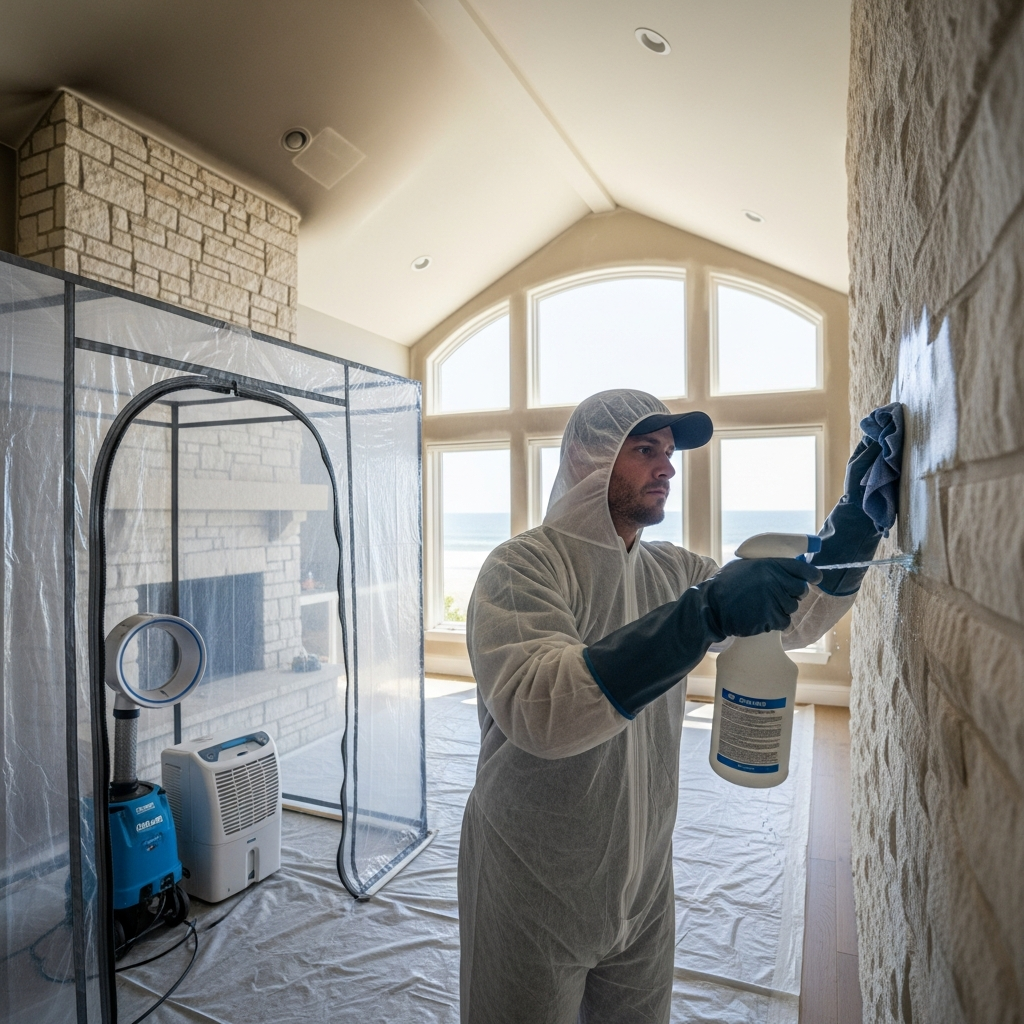
For painted walls, especially those that required dry soot removal in the past, adopt a light touch. Dust gently rather than scrubbing, and spot-clean with appropriate solutions if needed. If a repaint is on the horizon, discuss primers and finishes that help block residual odors and make future maintenance gentler. Attention early prevents the frustration of dull patches or uneven sheen from aggressive cleaning.
Glass deserves its own note. After smoke exposure, glass can be vulnerable to etching if residues sit too long. Once restored, keep a habit of routine cleaning with soft cloths and appropriate cleaners. In homes with expansive glazing framing the ocean, that small habit keeps views sharp and systems—like window seals and tracks—free from the fine grit that can accompany windy days.
Textiles, Soft Goods, and Odor Control
Textiles are memory keepers. They hold onto scents and stories, which is why they can be both a comfort and a challenge. After restoration, rotate cushions occasionally and launder removable covers according to fabric guidance given by the team. For rugs, light vacuuming with a HEPA-filtered machine and gentle spot care keep fibers fresh. If a stubborn odor crops up, avoid perfumes that mask rather than fix. The better move is to revisit source removal: a targeted cleaning of a nearby cavity or a review of the HVAC path may be the real solution.
Drapery and bedding respond well to fresh air when conditions allow. On clear days, brief outdoor airing can reset fabrics without saturating them with humidity. Pay attention to how materials feel after airing—if they seem to pick up moisture easily on especially foggy mornings, shorten the exposure. The goal is a refreshed feel, not a dampness that invites dust to cling.
Managing Entry Points and Small Gaps
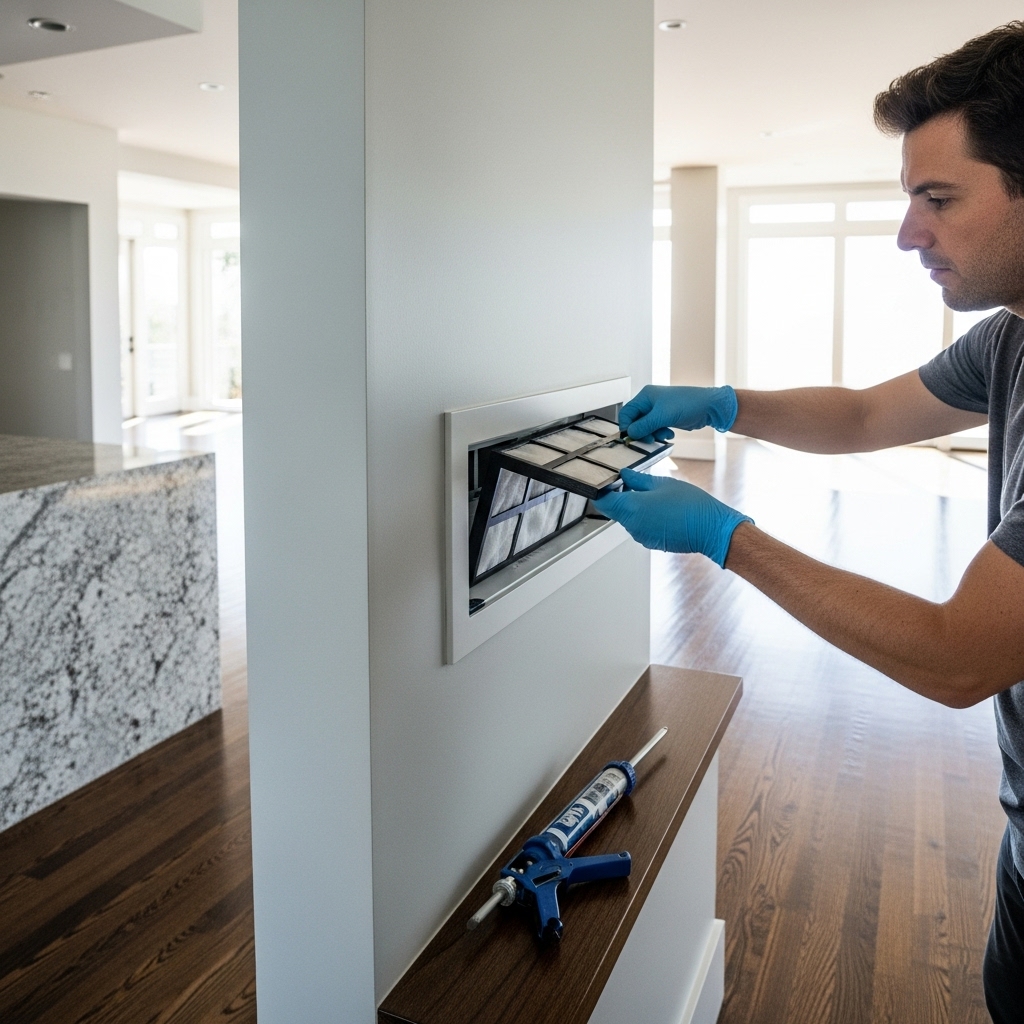
Smoke rides air, and air finds pathways. Many Malibu homes include recessed lighting, skylights, and intricate door systems. Over time, small gaps appear around trim, outlets, or weatherstripping. After a smoke event, sealing those common entry points pays off. A quick pass with caulk or a replacement of tired sweeps can limit how much outside air bypasses your intended ventilation routes. The effect is subtle but cumulative, and it supports cleaner indoor air with less effort.
Garage and utility spaces benefit from the same attention. These areas often connect to living spaces more than we notice. Upgrading thresholds and confirming that door closers latch fully can reduce drift from these zones, especially when winds pick up in the afternoon. The idea is not to turn your home into a sealed box but to guide airflow along paths you control.
Seasonal Readiness for Fire Weather
As summer fades and conditions dry, it helps to prepare without anxiety. A brief seasonal check—filters, gaps, a look at drapery and rugs that may need a refresh—sets a calm tone. Knowing that your home is ready allows you to respond to advisories without scrambling. If you have a routine for clearing outdoor spaces of leaf litter and for keeping vents and intakes clean, indoor air quality benefits as well. These are small, doable actions that stack up over the season.
During red flag days, prioritize comfort and clarity. Use indoor zones with the best seals for work and rest, and consider running HEPA filtration a bit more aggressively. If you have friends or neighbors who need a hand, share what you have learned. Community knowledge strengthens everyone’s resilience, and Malibu has long been a place where neighbors help neighbors when the wind shifts.
Mid-season, many homeowners appreciate a quick check-in with a professional to fine-tune habits. A walkthrough can reveal simple adjustments, like repositioning a return vent’s furniture clearance or changing the routine for airing out rooms on mornings with a persistent marine layer. Small tweaks can preserve a clean baseline without feeling like constant effort.
Documentation and Peace of Mind
Keep the records from your restoration in an easy-to-find spot. Photographs, product notes, and any testing results are useful if you ever need to show care history to an insurer or a future buyer. They are also useful for you, a reminder of what worked and what choices made the biggest difference. Documentation is not just paperwork; it is a map you can return to when conditions change.
Equally, keep a simple log of maintenance highlights. You do not need to chronicle every cleaning session, but noting filter changes, duct checks, and any material updates helps you spot patterns. If an odor seems to return seasonally, those notes will guide quicker solutions. This kind of gentle recordkeeping turns uncertainty into clarity.
When to Call for Help
Even with the best habits, there will be times when air turns suddenly, or a faint scent returns after a hot day. Knowing when to call for help prevents small concerns from growing. Reach out if you notice recurring odors when the HVAC runs, if soot films reappear on glass after you have cleaned, or if you plan a material refresh and want to align paint and sealers with your home’s restoration history. You will spend less time troubleshooting and more time enjoying your space.
Trusted local partners make these moments easier. They recognize Malibu’s microclimates, anticipate traffic and access constraints, and respect the finishes that make your house feel like home. Reconnecting with the team that restored your space or establishing a new relationship now keeps you from scrambling later when conditions shift quickly.
Frequently Asked Questions
Q: How often should I change filters after a smoke event?
A: Follow the guidance provided during restoration, but generally plan for an initial change soon after work concludes, then another after the first weeks of normal use. During fire season, monitor and change more frequently if conditions warrant.
Q: Do I need my ducts cleaned regularly?
A: Not by default, but consider inspections before fire season and after major smoke days. Clean if you notice recurring odors, visible dust at vents, or debris inside returns.
Q: What is the safest way to clean walls that were affected before?
A: Use gentle dusting first and only then spot-clean with pH-appropriate solutions recommended for your paint type. Avoid harsh scrubbing that can set stains or alter sheen.
Q: Can I open windows to air out fabrics?
A: Yes, when outdoor air is clear and humidity is reasonable. Keep sessions brief on foggy mornings and avoid airing out during smoky conditions to prevent recontamination.
Q: Which materials need the most attention in Malibu’s environment?
A: Metals and electronics are sensitive due to the combination of soot and coastal humidity. Natural stone and hardwoods also benefit from gentle, pH-aware care and periodic sealing or conditioning.
Q: How do I keep odors from returning months later?
A: Maintain filters, manage airflow paths, and revisit source areas if a scent reappears. If you cannot locate the source quickly, a professional assessment can identify hidden cavities or system issues.
Maintenance should feel like support, not strain. If you want a personalized plan that fits your home’s materials and your routine, connect with a local expert who understands Malibu’s rhythms. Schedule a friendly checkup or a seasonal review, and keep your home at its best with professional smoke damage restoration guidance. When the next smoky day blows through, you will be ready, and your home will stay the calm, clean refuge you love.