When fire strikes in Malibu, the hours immediately after are decisive. The ocean breeze that feels so good at sunset can push smoke through vents and eaves, while coastal humidity slows drying if water enters the structure. Emergency fire damage restoration is about stabilizing the scene, protecting what remains, and setting a clear course toward a safe, healthy home. From Broad Beach and Point Dume to Corral Canyon and Big Rock, the teams that excel under pressure are those who arrive organized, act methodically, and communicate clearly. If you are in those first uncertain moments, reaching out to a Malibu-experienced specialist in fire damage restoration can turn confusion into a focused plan within hours.
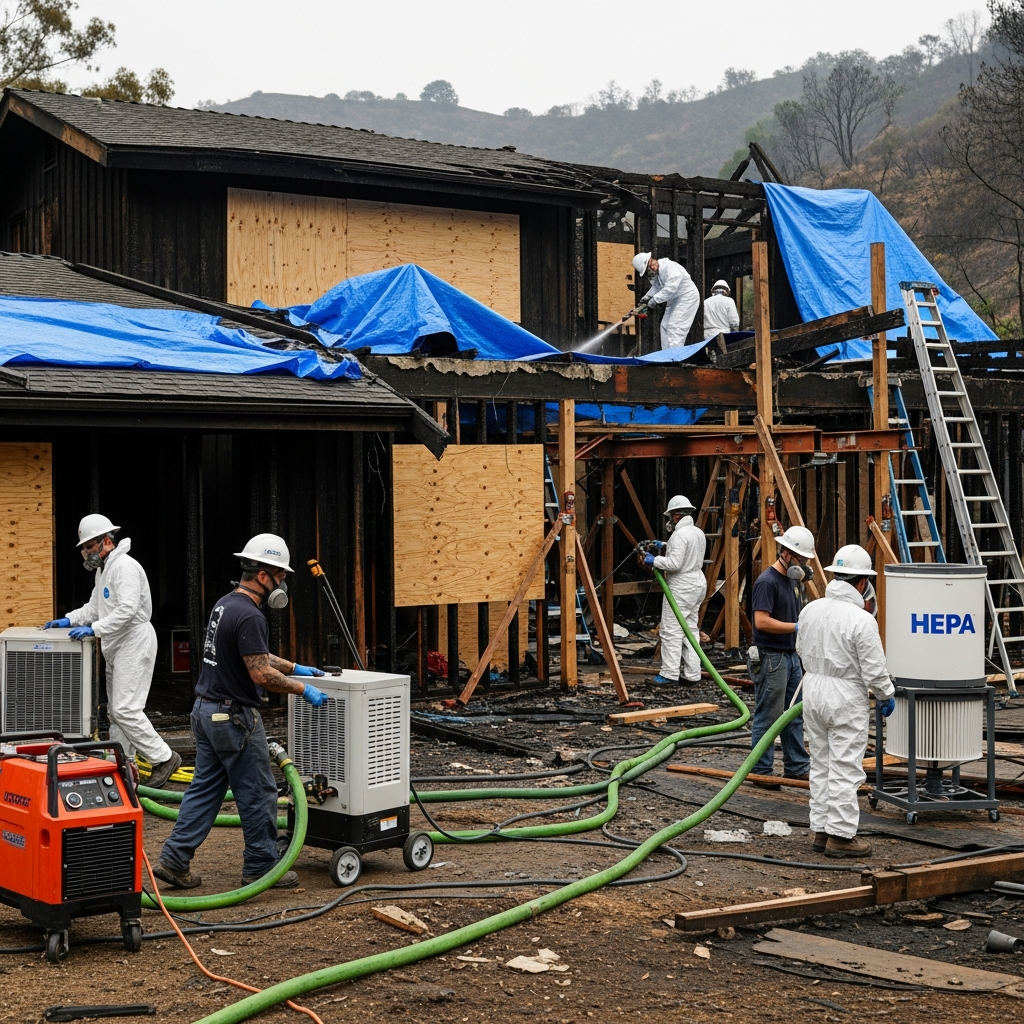
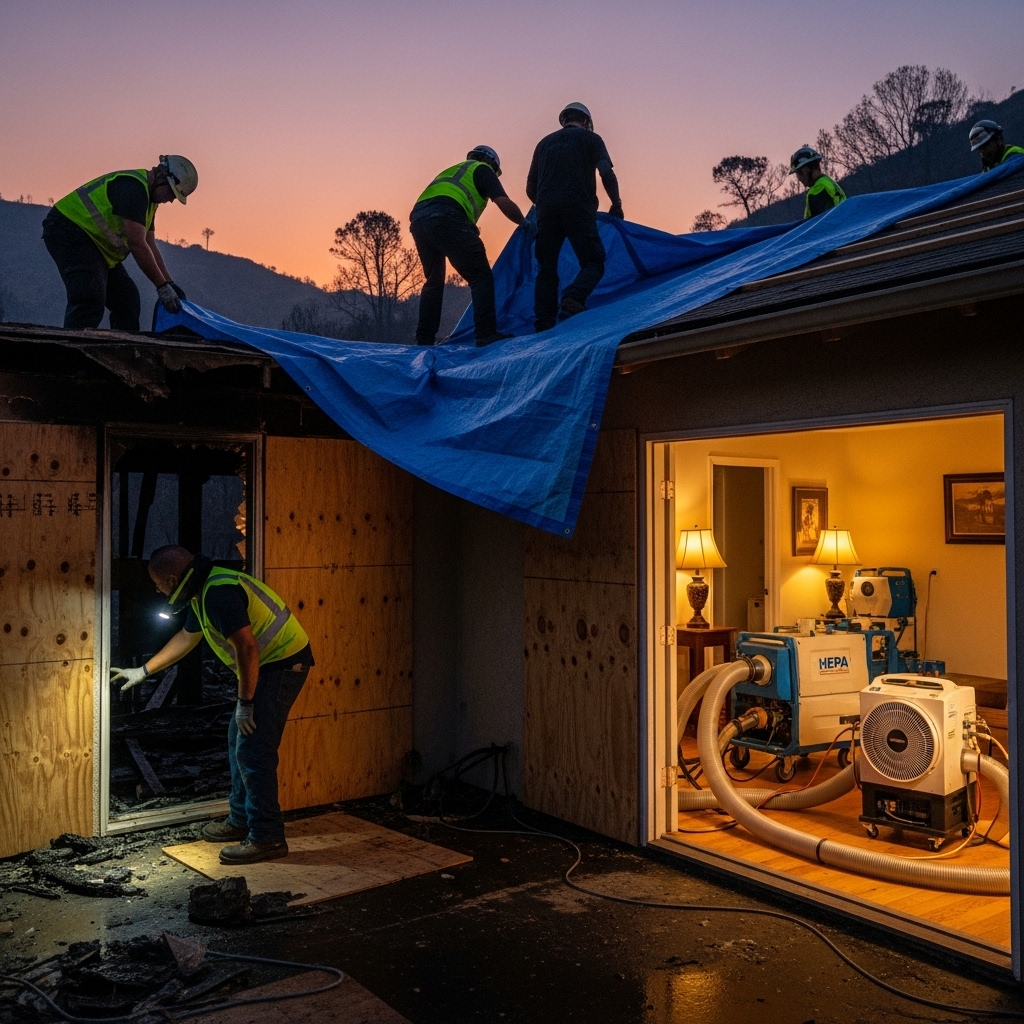
Emergency response begins with safety: ensuring utilities are secure, assessing structural stability, and establishing safe access paths. Once the site is cleared for entry, the work shifts to preventing secondary damage. That means board-up for broken windows, roof tarps where embers or water penetrated, and rapid containment to stop soot from moving into clean areas. Air scrubbers with HEPA filtration start immediately to capture fine particulates, and moisture detection guides targeted drying so that wet materials do not become long-term problems.
The first 24 hours
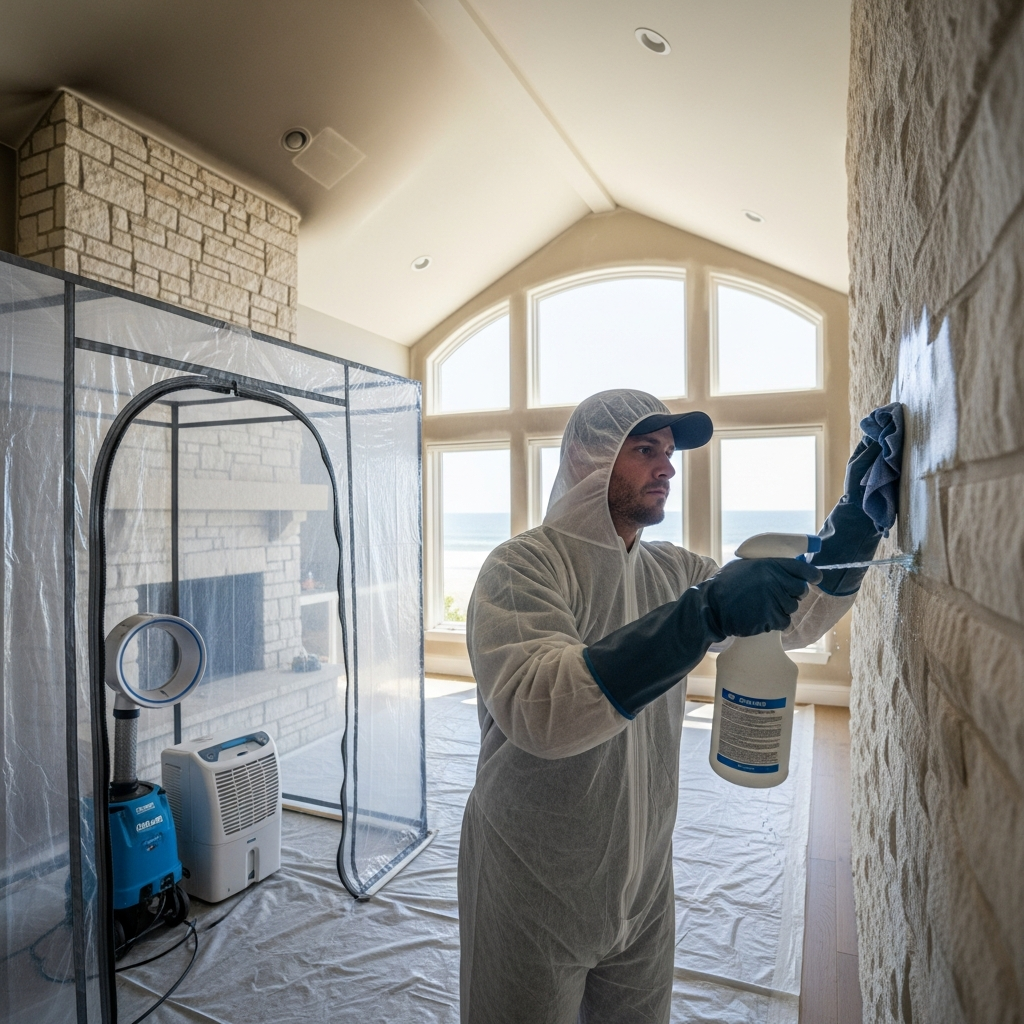
These hours set the tone for everything that follows. A good team arrives with materials to seal openings, protect floors, and isolate work zones. They document conditions with photographs and notes, begin debris removal, and identify what must come out now versus what can be cleaned in place. In Malibu’s open-plan homes and high-ceiling rooms, establishing negative pressure with well-placed containment prevents cross-contamination and protects spaces you still need to use.
Water left from firefighting efforts can be deceptive. Walls that look dry may hide saturated insulation or damp studs. Thermal imaging and moisture meters guide selective removal so that drying equipment can access hidden cavities. Balancing airflow, temperature, and dehumidification prevents warping, cupping, and odor formation that would otherwise slow recovery.
Air quality under control
Smoke odor is more than a nuisance; it is a sign of lingering particulates. Emergency crews deploy HEPA filtration and, once debris and source materials are under control, plan for deodorization that respects your finishes and contents. Hydroxyl generators often play a role because they allow work to continue safely and protect dyes and fabrics common in Malibu interiors. The goal is a measurable, perceivable improvement in air quality from day one, with validation as conditions change.
HVAC systems require special attention. If the system was running during the event, smoke likely traveled into ducts and mechanical components. Early shutoff, followed by professional cleaning and staged filter changes, prevents reintroducing contaminants into areas that are already clean.
Contents triage
Your belongings deserve care commensurate with their importance. Emergency services include sorting items into categories: urgent clean-and-return, stable for later, or remove for safety. Photo inventories and labeled boxes preserve order when spaces are disrupted. Essential items—documents, medications, clothing—are prioritized so that life can continue even while restoration proceeds.
For textiles and rugs, conventional washing is rarely enough. Specialized processes lift odors and particulates without setting them. Instruments, artwork, and electronics are evaluated early so that decisions align with safety and long-term reliability. Malibu homes often include unique pieces; respecting that individuality is part of a truly professional response.
Communication and coordination
Emergencies are stressful, and clarity helps. The best teams assign a single point of contact who explains the plan, schedules crews, and provides daily updates. They coordinate with neighbors and HOAs to manage parking and noise, especially on narrow canyon roads. They also handle documentation for insurers, reducing your workload at a time when your energy is needed elsewhere.
Coordination extends to the site itself. Crews protect landscaping, control dust, and keep work zones tidy. At the end of each day, they leave the home safe and organized, with equipment placed securely and access paths clear. This discipline builds trust and keeps momentum steady.
Malibu-specific challenges
Our coastal environment adds complexity. Salt air can increase the corrosivity of smoke residues on metals and electronics; early neutralization prevents pitting and failures. Wind patterns may carry ash into attic spaces and crawl spaces even if flames never approached the structure. Experienced teams read those patterns and inspect accordingly, ensuring that hidden reservoirs of soot do not undermine later deodorization.
Access and staging are practical concerns in emergencies. Private drives, limited turnarounds, and hillside lots require thoughtful vehicle selection and clear communication with neighbors. Crews plan for these realities, bringing smaller vehicles when necessary and coordinating deliveries to avoid blockages and delays.
From emergency to restoration
Emergency work transitions into comprehensive restoration once the site is stabilized. Detailed cleaning removes residues without damaging finishes. Deodorization proceeds with methods matched to materials and occupant needs. Drying continues until moisture readings confirm stability. Repairs begin only when the environment is truly ready, ensuring that new materials do not trap old odors or moisture.
At the project’s midpoint, it is helpful to pause for a status review. Confirm that HVAC cleaning is complete or scheduled, that odor levels are trending down, and that delicate finishes have passed test patches. If you want to double-check the roadmap, consult proven guidance on fire damage restoration to see how your project aligns with best practices for Malibu’s climate and construction.
Validation and aftercare
Validation is what tells you the home is truly ready. Practical tests—white cloth wipe checks, odor checks after system cycles, and moisture readings—combine with your own senses to confirm success. Post-restoration advice may include more frequent filter changes for a period, ventilation routines during certain weather patterns, and a follow-up visit after the first warm spell to ensure no subtle odors return.
Emergency responders who stand behind their work welcome that follow-up. They understand that confidence grows when the home performs well weeks after equipment leaves and life resumes its usual rhythm.
Frequently Asked Questions
How quickly should emergency crews arrive?
As soon as authorities clear the site and it is safe to enter. Early stabilization prevents secondary damage, keeps odors from setting, and makes later restoration more efficient.
Can I stay in the home during emergency work?
Sometimes. If containment can isolate work zones and air quality stays within safe, comfortable levels, partial occupancy may be possible. Your team will help you weigh convenience against speed and safety.
What are the most important steps in the first 24 hours?
Securing openings, establishing containment, starting HEPA filtration, addressing water exposure with targeted drying, and documenting conditions. These steps set the foundation for efficient, thorough restoration.
Why is HVAC attention urgent?
Because running systems can distribute smoke particulates throughout the home. Early shutdown and professional cleaning prevent recontamination and help deodorization succeed.
What should I do with valuables and essential items?
Let the team know what you need immediately. They will prioritize those items for cleaning and return, and they will inventory and protect valuables so that nothing is misplaced during the flurry of activity.
How will I know the home is truly ready?
Validation includes objective readings and practical tests along with your own senses. A trusted partner explains results clearly and schedules a follow-up to confirm that performance holds after weather changes and HVAC cycles.
Take Action Now
If you are facing the urgent aftermath of a fire in Malibu, don’t navigate it alone. Choose a team that understands our coastal climate, our architecture, and the need for clear, steady communication. Start your recovery with local experts in fire damage restoration and take confident steps toward a safe, healthy home.