Living in Malibu means balancing the joys of coastal life with the realities of fire and smoke. The same winds that clear our skies can carry embers and fine particulates into homes, and the same ocean air that cools our evenings can influence how soot behaves on surfaces from plaster to stainless steel. When an incident occurs—whether a localized kitchen flare-up or smoke drift from a canyon wildfire—the goal is to restore your home to a clean, healthy, and comfortable state. That takes a methodical plan and a team experienced with our local materials, architecture, and microclimates. If you are facing the first hours after an event, consider reaching out to a specialist in fire damage restoration who understands Malibu’s unique conditions and can act quickly to stabilize and plan your recovery.
Fire damage and smoke restoration is both science and craft. The science involves understanding how heat, combustion byproducts, and moisture interact with building materials and contents. The craft shows up in how technicians protect delicate finishes, move through your home with respect, and make decisions that preserve what you love while eliminating what cannot safely remain. From the first safety checks to the final odor validation, each step builds on the last.
Stabilization: securing the site and the air
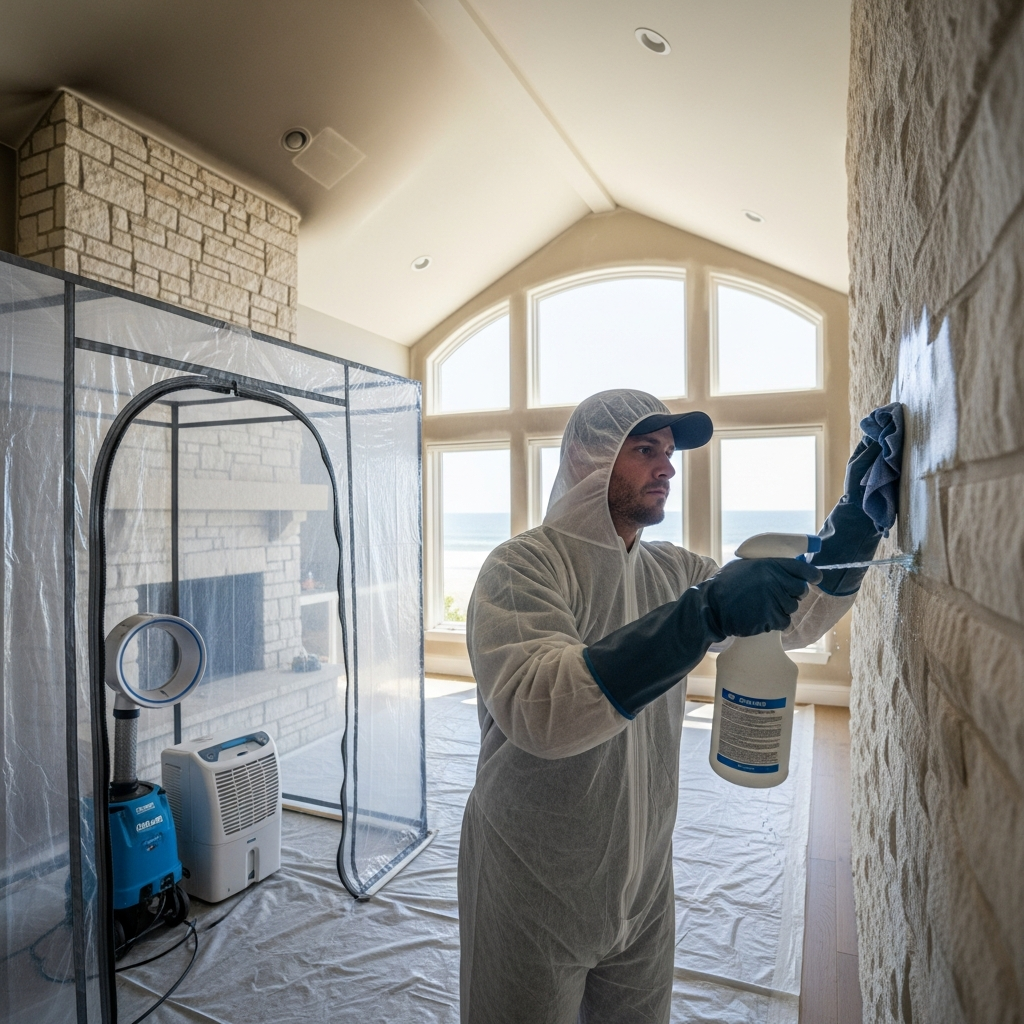
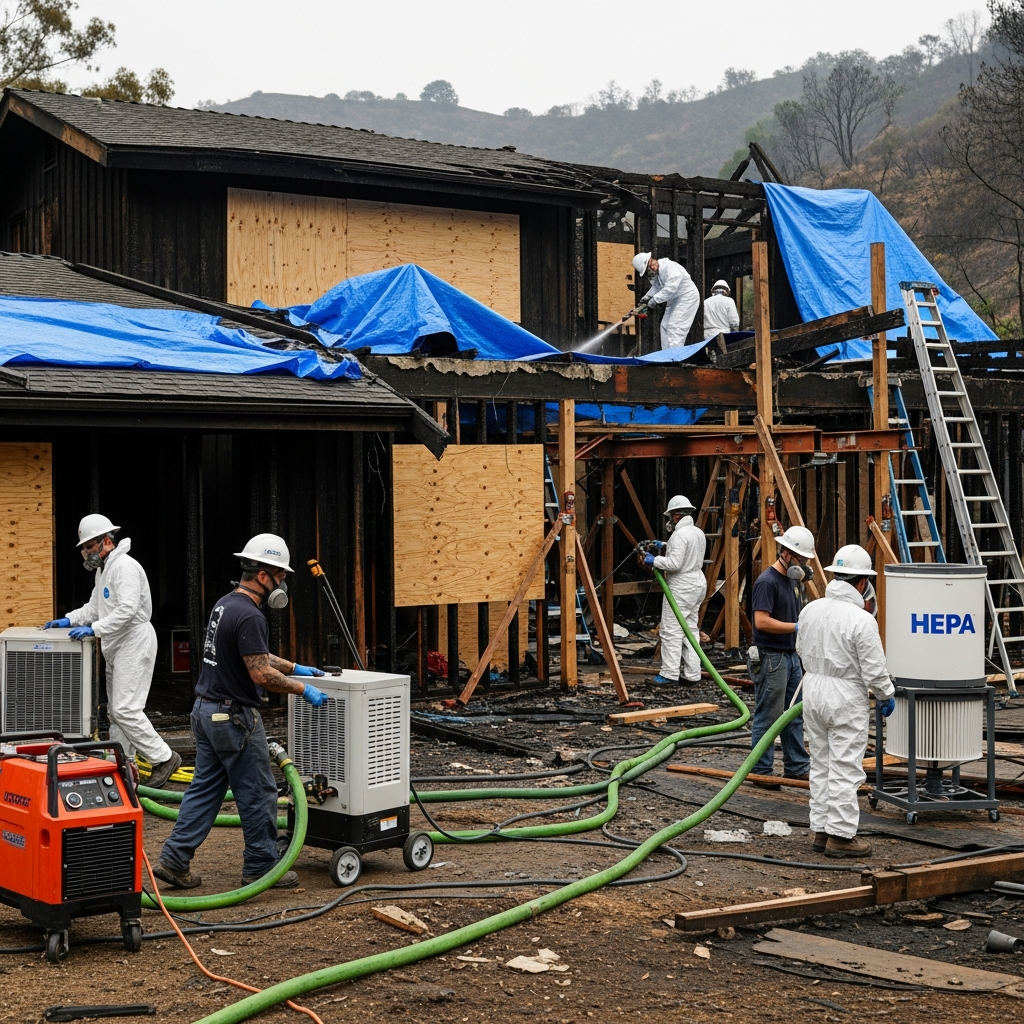
Once fire crews clear the scene, trained restoration teams secure openings with board-up, place roof tarps where needed, and set containment to prevent cross-contamination. Negative air machines with HEPA filtration begin reducing airborne particulates immediately. In Malibu’s open-plan homes with high ceilings and expansive glazing, controlling airflow is essential; proper containment ensures that unaffected rooms stay clean and that work zones remain efficient and safe.
Water introduced during firefighting needs attention at once. Moisture meters, thermal imaging, and careful demolition—only where necessary—help reveal damp cavities and saturated materials. Drying plans balance dehumidification, air movement, and temperature control to bring moisture levels down without warping wood floors or cracking finishes. Our coastal humidity can slow drying if not managed attentively, so daily monitoring and adjustments are the norm.
Understanding smoke residues
Different fires produce different residues. Protein residues from a kitchen incident are often nearly invisible yet extraordinarily odorous, clinging to surfaces and penetrating cabinetry. A fast-burning paper or wood fire may leave a lighter, dry soot that wipes clean more readily but travels farther on convection currents. Add Malibu’s salt air, and some residues become more corrosive to metals and electronics. The key is targeted testing at the outset so that cleaning chemistries match residue types, and the wrong process does not set stains or drive contaminants deeper.
HVAC systems deserve special care. Smoke moves with air, and ductwork becomes a highway for particulates. Comprehensive cleaning of coils, blowers, and ducts, followed by filter changes as the system is restarted, is essential to ensure that clean rooms stay clean and that odors do not reappear on warm afternoons when airflow increases.
Cleaning strategies that protect finishes
Thoughtful restoration respects your home’s character. Dry-cleaning sponges can lift soot from painted walls before any wet cleaning occurs, preventing smearing. Alkaline or enzymatic cleaners target specific residues on tile, stone, and sealed wood, while more delicate plaster or limewash surfaces may require gentle, non-abrasive methods. On stainless steel and fixtures, neutralizing corrosive residues early prevents pitting and discoloration. For textiles and soft goods, controlled processes remove odors and particulates without setting smells—a crucial step that many homeowners notice first when their favorite throw blanket finally smells fresh again.
Electronics and instruments—common in many Malibu homes and studios—warrant evaluation by specialists who understand both the decorative finishes and the internal components. Early assessment can save items that might otherwise be discarded, but only when safety and long-term reliability can be assured.
Deodorization: beyond masking
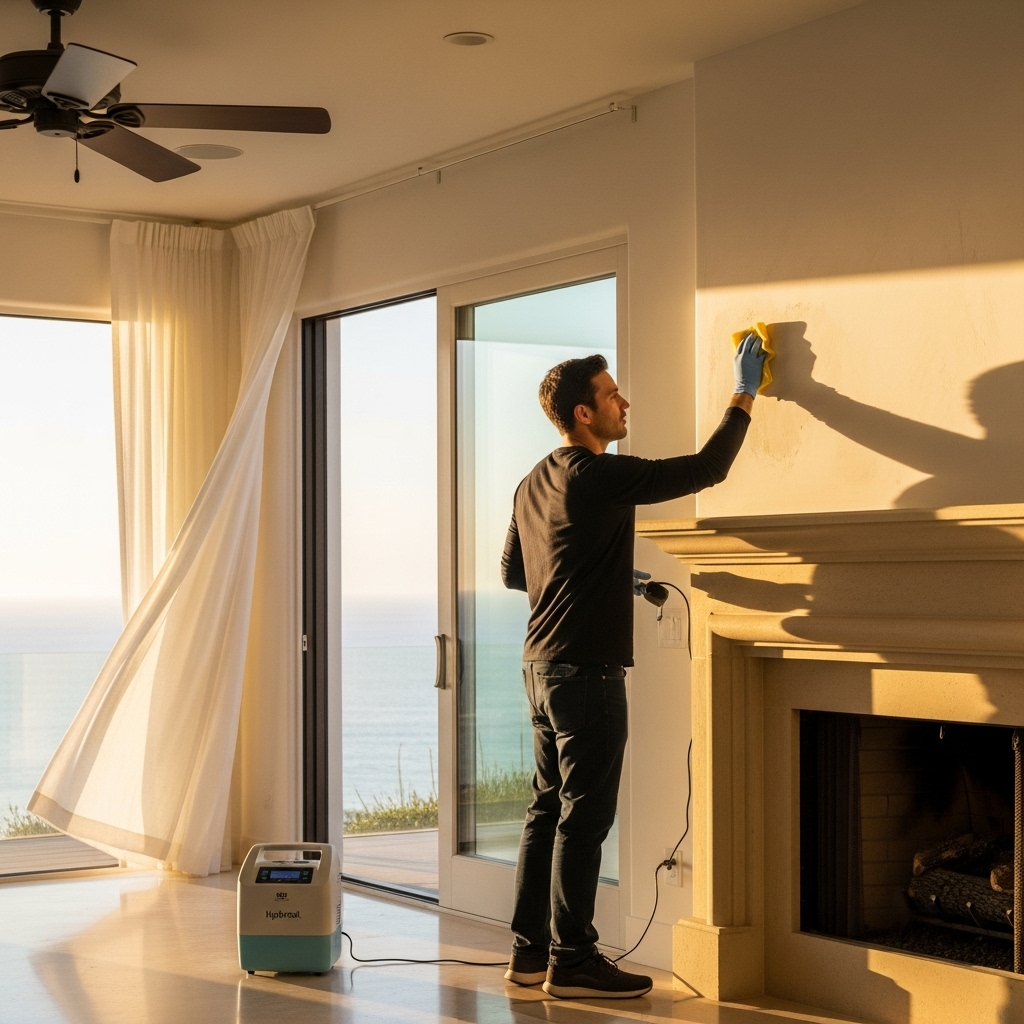
Real deodorization is not a fragrance; it is the absence of odor. After source materials are removed and surfaces are thoroughly cleaned, teams deploy technologies appropriate to the space and the occupants. Hydroxyl generators are a favorite in many scenarios because they allow work to continue in occupied spaces and are gentle on dyes and finishes. These methods complement, not replace, careful cleaning and ventilation. Validation matters here, too: simply “smelling better” for a day is not enough. Crews return after weather changes or system cycles to confirm the result holds when conditions shift.
For homes that experienced smoke drift rather than direct fire, the process remains similar but more nuanced. The goal is to identify the infiltration pathways—attic vents, leaky seals, or open windows during the event—and to clean methodically from those points outward. Attics, in particular, can harbor soot that slowly migrates into living spaces if left unaddressed. An experienced team knows when insulation must be removed and when thorough surface cleaning and sealing will suffice.
Contents: preserving what matters
Personal belongings tell your story. Restoration professionals sort contents into categories: clean onsite, clean offsite, or remove for safety. Photo inventories and barcoding ensure that every item is tracked from shelf to staging area to final placement. Specialty items—artwork, instruments, rare books, heirloom textiles—benefit from conservators and technicians who understand materials beyond the everyday. The right choices here restore not just function but a sense of normalcy, as familiar objects return to their rightful places free of odor and residue.
Pack-outs, when needed, happen with care. Boxes are labeled by room and contents, fragile items are padded, and staging areas are set to avoid crowding living spaces that remain usable. Offsite cleaning facilities handle textiles, area rugs, and complex items under controlled conditions, ensuring that restoration proceeds efficiently even as the home itself undergoes cleaning and drying.
Working with Malibu’s architecture
Our homes often blend indoor and outdoor spaces. Sliding walls, clerestory windows, and generous patios create beautiful lines—and more pathways for smoke to travel. Recognizing these design traits helps teams plan containment and cleaning routes that account for unexpected residue in door tracks, window wells, and skylight frames. Wood beam ceilings and open soffits require careful access planning to clean thoroughly without damaging finishes. In hillside homes, staging may include protecting slopes and plantings so that equipment movement does not trigger erosion concerns.
Many Malibu properties also include detached structures—guest houses, studios, garages—that need evaluation. Even if flames stayed far away, smoke drift can leave residues and odors in these spaces. A whole-property assessment ensures nothing is overlooked, allowing you to use outbuildings as temporary refuge while main-house work progresses if conditions allow.
Documentation, communication, and momentum
From day one, documentation should be clear and comprehensive. Room-by-room photos, notes on materials and conditions, and a written sequence of work create a shared map for you, the restoration team, and any insurers or inspectors. Regular updates—daily at first, then at key milestones—keep the project moving and give you confidence that decisions are aligned with your goals. When surprises emerge, as they sometimes do behind walls or under floors, the right team explains options plainly and invites your input.
Momentum is more than speed; it is purposeful progress. Crews that show up consistently, maintain containment, keep equipment running optimally, and leave the site clean at day’s end build momentum that you can feel. It is the difference between a project that drags and one that resolves steadily into a fresh, livable home.
Mid-project checks
As demolition and drying conclude, it’s wise to pause for a brief walkthrough. Confirm that the deodorization plan addresses HVAC, hidden cavities, and any areas where odors linger. Verify that delicate surfaces have test patches showing final results. At this midpoint, browsing trusted guidance on fire damage restoration can reassure you that the steps unfolding in your home match proven best practices for Malibu’s conditions.
Aftercare and reassurance
Once cleaning and deodorization finish, the focus turns to repairs and finishing touches. Even during that phase, attention to air quality remains important. Filters may need changing more frequently for a period, and post-cleaning checks help ensure that the fresh state holds as life returns to normal rhythms. Good teams schedule follow-ups after weather shifts or when HVAC usage changes, confirming that no subtle odor returns under different conditions.
Resilience is the final theme. Many homeowners choose to incorporate improvements—ember-resistant vents, refined landscaping, thoughtful storage—to reduce risk in future events. Restoration is an opportunity not only to erase traces of the past but to prepare the home for what Malibu’s environment may bring next.
Frequently Asked Questions
How soon should restoration begin after a fire?
As soon as it is safe to enter. Early stabilization—board-up, roof tarps, and containment—prevents secondary damage from weather and cross-contamination. Air scrubbers and targeted drying start reducing risk immediately.
What makes smoke damage tricky in Malibu?
Salt air can increase corrosivity on metals and electronics, and wind patterns carry particulates into unexpected areas like attics, crawl spaces, and window assemblies. Addressing these pathways is key to a comprehensive restoration.
Do I have to replace all my belongings?
No. Many items can be cleaned successfully, especially hard-surfaced furnishings and certain textiles. Specialists evaluate sensitive items individually, balancing safety, effectiveness, and your preferences.
Will my home smell completely fresh afterwards?
It should. True deodorization removes the source, cleans thoroughly, treats the air, and validates results. A follow-up after weather shifts is a smart final check to ensure success holds.
Can I live in the home during restoration?
Sometimes, if containment can separate work areas safely and air quality remains acceptable. Your team will help weigh comfort, safety, and efficiency to decide what is best for your situation.
How are HVAC systems treated?
They are inspected, cleaned thoroughly—including coils and blowers—and filters are replaced repeatedly as the system comes back online. This step prevents reintroducing smoke particulates into clean rooms.
Move Forward with Confidence
If you are navigating the aftermath of fire or smoke in Malibu, choose a partner who understands our climate, our homes, and our expectations. With the right plan and steady communication, your space can return to the clean, calm environment you love. Begin your recovery with local expertise in fire damage restoration and take the next step toward a safe, refreshed home.