Ask anyone who has returned to a Malibu home after a fire and they will tell you: smoke is persistent, and soot is cunning. Long after flames are out and charred materials are removed, invisible films and stubborn odors can linger, especially in the microclimates that define our coastline. I have walked oceanfront rooms that looked clean at first glance, only to reveal a fine gray fingerprint on a white windowsill, and hillside studios where a faint scent returned each afternoon when the sun warmed the walls. Effective smoke and soot cleanup begins with understanding how residues form, how they travel, and how Malibu’s environment influences both. The most reliable path forward is guided by experienced fire damage restoration professionals who treat cleanup as science and craft, not just housekeeping.
Smoke is not a single thing. It is a dynamic mix of particles and gases produced by incomplete combustion, and its character depends on what burned and how. Dry, fast fires leave powdery residues that brush off brittle surfaces but fall deep into cracks. Slow, smoldering events leave sticky films that cling to finishes and trap odors. Protein residues from kitchen incidents look invisible yet smell potent. Outdoors, wind can drive embers and soot under eaves and into vents. Indoors, pressure differences move smoke through chases, across door undercuts, and into insulation. Recognizing these patterns is the first step in choosing the right methods.
Why Malibu homes need a tailored approach
Our homes often blend concrete, stucco, glass, wood, metal, and stone in custom assemblies. Many stand open to the ocean with large sliders and clerestory windows; others tuck into canyons where afternoon winds behave like a bellows. Salt air accelerates corrosion and can reactivate residues, and marine humidity affects both cleaning chemistries and dry times. That means techniques must be selected and sequenced with our environment in mind, not just according to a generic checklist. A team fluent in Malibu will plan around foggy mornings, breezy afternoons, and the engraving detail of a bespoke residence.
Assessment: finding what the eye cannot see
Cleanup begins with investigation. Technicians perform swipe tests on representative surfaces to judge residue type and load. They look at air pathways and HVAC layouts to see where contaminants likely migrated. Attics, crawl spaces, and concealed chases are examined because hidden soot can hold odor like a memory holds a song. Moisture readings guide whether drying needs to happen alongside cleaning, especially if firefighting water was involved. This careful observation helps avoid a common mistake—cleaning what is visible while missing what truly causes lingering odor.
Containment, ventilation, and control
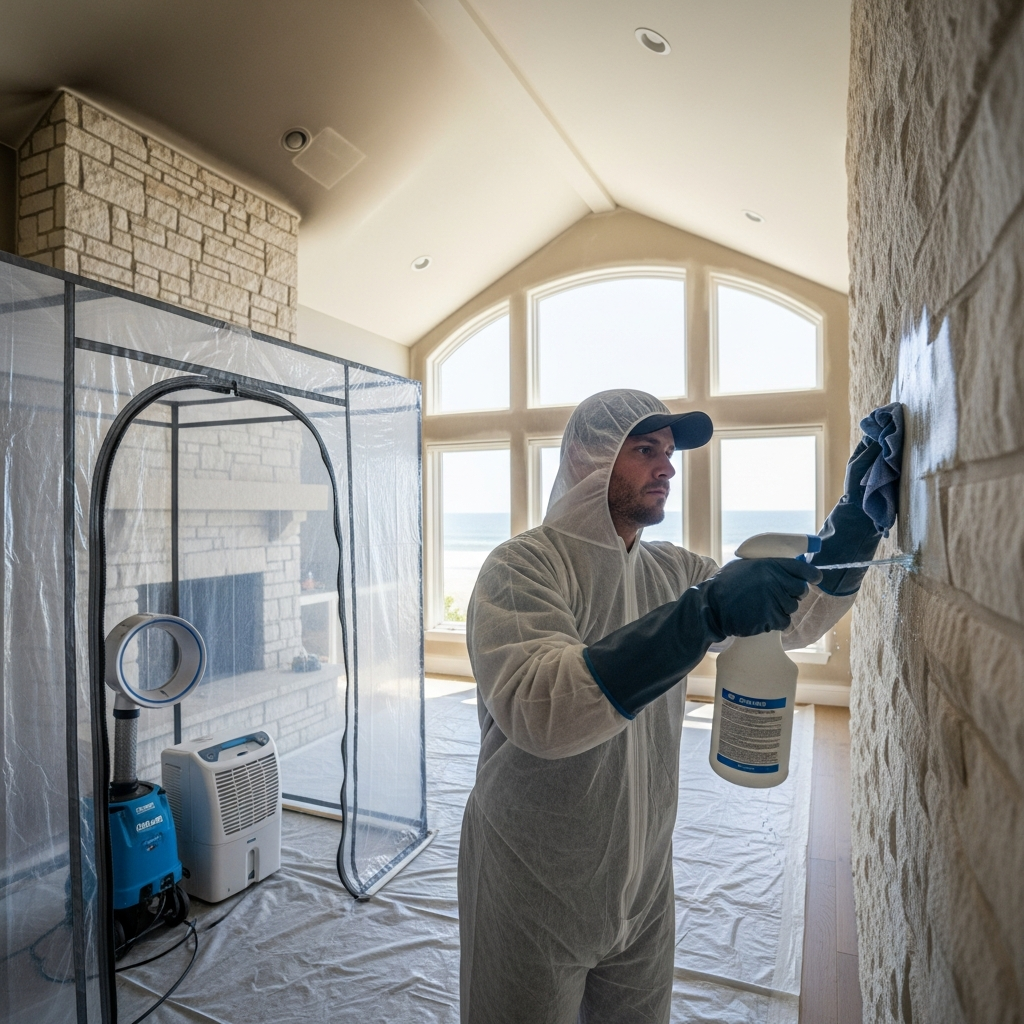
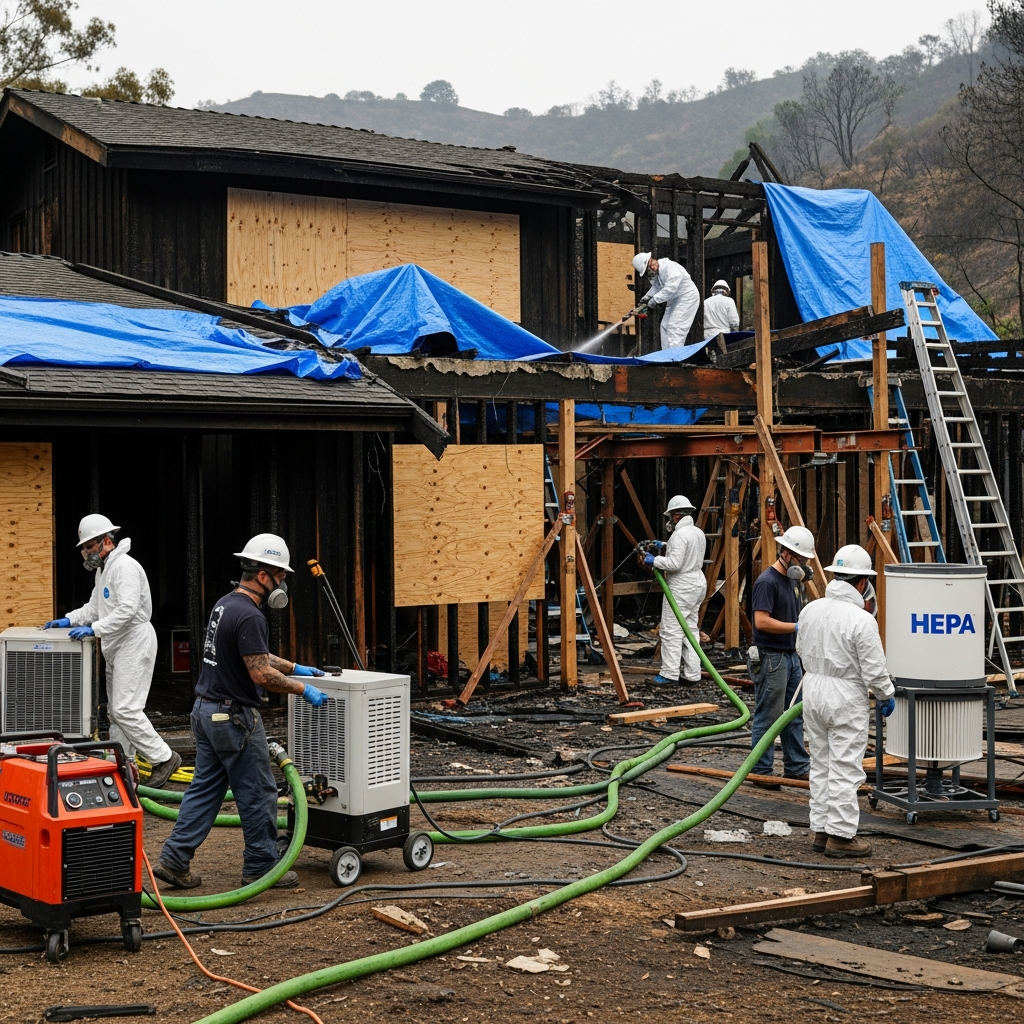
Before a single sponge is lifted, spaces are organized. Containment separates clean zones from work zones, and HEPA filtration captures airborne particulates dislodged during cleaning. Negative air setups help ensure that any disturbed residues move in the direction we choose, not into a child’s bedroom or a closet of textiles. This is where Malibu’s open floor plans demand careful planning, balancing fresh air with controlled pressure so that sea breezes do not undo the work.
Surface-by-surface strategies
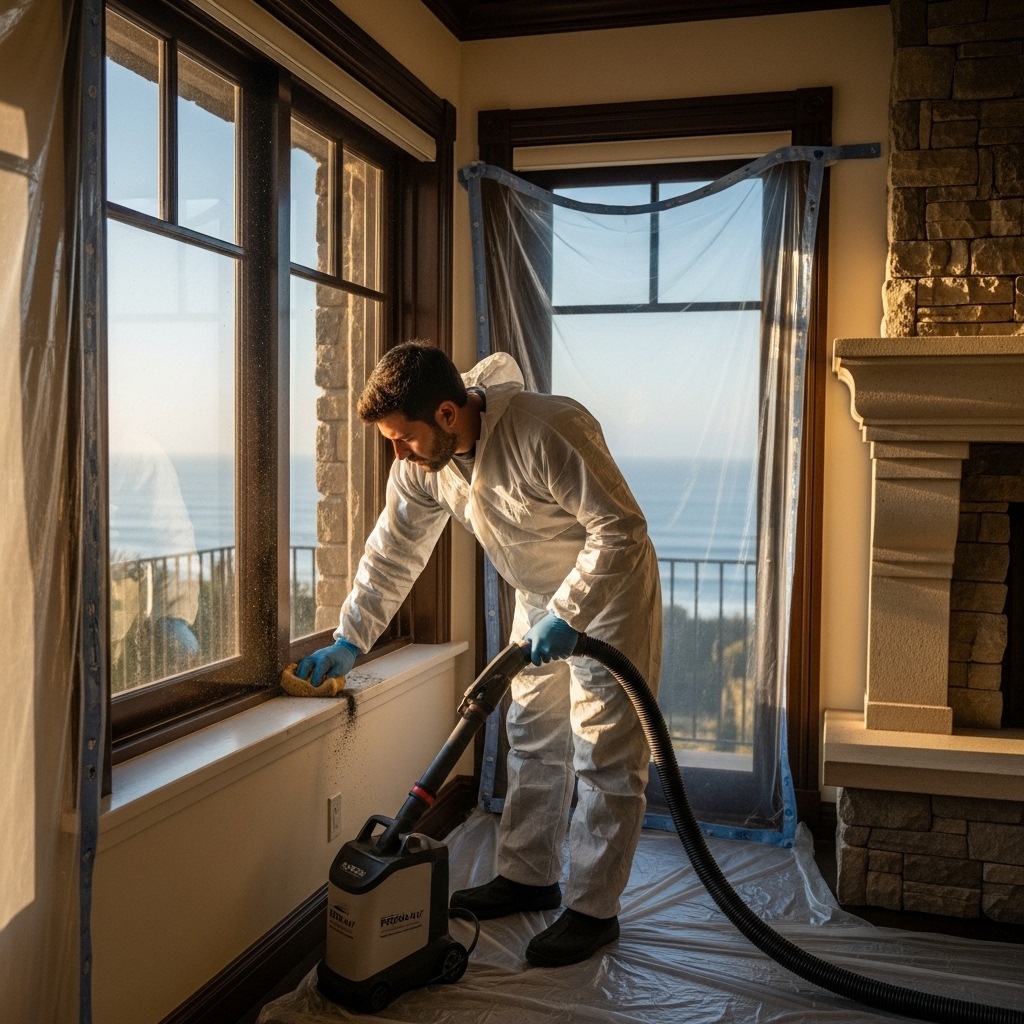
Dry soot on flat paint calls for a light touch; think dry sponges and HEPA vacuuming before any wet methods. Sticky residues on semi-gloss or natural wood may respond to alkaline cleaners tailored to the specific finish. Stone requires testing: porous limestone and honed marble behave differently than dense quartzite. Stainless appliances need corrosion arrestors and gentle polishing, while brass or bronze hardware may need rapid attention to stop etching. In every case, small mockups prove the method, and tools are chosen to protect the integrity of the surface, not just to make it look good today.
Textiles, soft goods, and cherished items
Fabrics are sponges for odor. Drapery, rugs, upholstered furniture, and bedding can often be saved with the right sequence: HEPA vacuuming, specialized washing or solvent cleaning, and deodorization methods designed for fibers. Leather and specialty textiles demand conservator-level decisions, sometimes with test cleaning to be sure dyes and finishes remain true. Books, documents, and art prints receive their own protocols. Malibu homes frequently house curated collections, and contents teams work with controlled facilities to ensure that items are handled, tracked, and treated with care.
HVAC and airways
One of the most overlooked sources of persistent odor is the HVAC system. Returns draw smoke during a fire and can spread fine soot through ductwork. Registers and grilles may look clean while the labyrinth beyond holds the problem. Duct cleaning, filter replacement, and sometimes sealing are part of a thorough plan. In-system deodorization may be employed, but only after physical removal of residues. In homes with concealed linear diffusers or custom millwork, careful disassembly can be required to restore hidden components without damage.
Deodorization: removing cause, not masking effect
True deodorization marries cleanup with controlled chemistry. Hydroxyl generators and, in some scenarios, thermal fogging can neutralize odors, but they work best after physical residues are removed. Sealers may be used to lock in odors in structural cavities, but this is a targeted technique, not a cure-all. Malibu’s marine air tests results; what smells fine in a cool morning can reappear when walls heat under afternoon sun. That is why teams test, verify, and adjust rather than declare victory too soon.
Electronics and metals in a salt-air environment
Electronics exposed to smoke are vulnerable, and salt air magnifies that vulnerability. Early evaluation and corrosion control help preserve what can be saved. Appliances, fixtures, and architectural metals benefit from prompt cleaning with neutralizing agents to slow etching. Decisions about repair versus replacement are made with data from inspections and a realistic view of long-term reliability in our coastal conditions.
Working respectfully in lived-in spaces
Cleanup is more than technique; it is presence. Crews protect pathways, cover personal items, and maintain privacy as they move through bedrooms and offices. Communication sets the pace—what is happening today, what to expect tomorrow, and how the team will confirm results before taking down containment. Neighbors are kept in the loop where appropriate, especially in gated communities or shared driveways. This blend of professionalism and care takes the edge off an already demanding moment.
Somewhere in the middle of the process the house begins to feel like itself again. The air is light, surfaces are quiet under touch, and the sun can warm a wall without waking an odor. That shift comes from disciplined sequencing—cleaning, verification, targeted deodorization, and then more verification. It is also the moment to step back with your project lead, walk the rooms, and ask what remains. Reinforcing good results now prevents surprises later, especially when weather swings. It is also a good time to confirm that your Malibu fire damage restoration team has captured hidden spaces and addressed the details that make your home yours.
Beyond cleanup: preventing return of odor
After cleaning and deodorization, protection and monitoring keep victories intact. That can mean controlling humidity to prevent reactivation, using protective coatings where appropriate, and scheduling follow-up checks after heat waves or Santa Ana winds. In some cases, upgrading filters, sealing gaps, or rethinking venting pays dividends. Resilience is an extension of cleanup, and it matches Malibu’s long view about living with nature attentively.
Frequently asked questions
How long does smoke odor removal really take?
It depends on extent and access. A well-planned approach brings noticeable improvement quickly, often within days, but thorough verification across hidden spaces and HVAC can take longer. The best measure is not the calendar—it is whether odors stay gone through weather changes and daily use.
Will cleaning damage my finishes?
Not if methods are tested and tailored. Professionals perform small trials to ensure compatibility with your specific surfaces, from bespoke plaster to engineered flooring. The aim is to restore both appearance and integrity, with documentation that explains choices made along the way.
Can I handle some cleanup myself?
It is natural to want to help, but DIY efforts can set residues or spread them inadvertently. Before you try anything, talk with your team. They can guide safe steps like ventilating at the right times or isolating certain items, and they will advise against actions that could complicate professional cleanup.
What about the smell that returns in the afternoon?
Heat can liberate odor molecules from surfaces that looked clean in the morning. This is common in Malibu’s sunny homes. The solution is usually further source removal or targeted sealing in specific cavities, followed by re-testing under warm conditions to confirm success.
Are electronics safe after smoke exposure?
They should be evaluated, not assumed safe. Corrosive residues, especially with salt air, can shorten lifespan. Early assessment and cleaning or controlled de-energization during evaluation can preserve devices, and informed decisions can be made about repair versus replacement.
Bring your home back to calm
If you are ready to clear the last traces of smoke and restore the quiet comfort of your space, connect with trusted professional fire damage restoration specialists who understand Malibu’s materials and microclimates. With careful assessment, precise cleanup, and steady communication, your home can breathe easy again.