In Malibu, conversations about the cost of restoring a home after a fire are really conversations about scope, complexity, and craftsmanship. No two properties are the same, and our landscape—from beachfront bungalows to canyon estates—adds layers that influence the work. As someone who has guided homeowners through this process after both small kitchen incidents and sweeping wildfire impacts, I can share what truly shapes the investment of time and resources. The goal is to replace mystery with understanding so you can make decisions with confidence. Early on, aligning with experienced fire damage restoration professionals helps you map the road ahead without committing to guesses or assumptions.
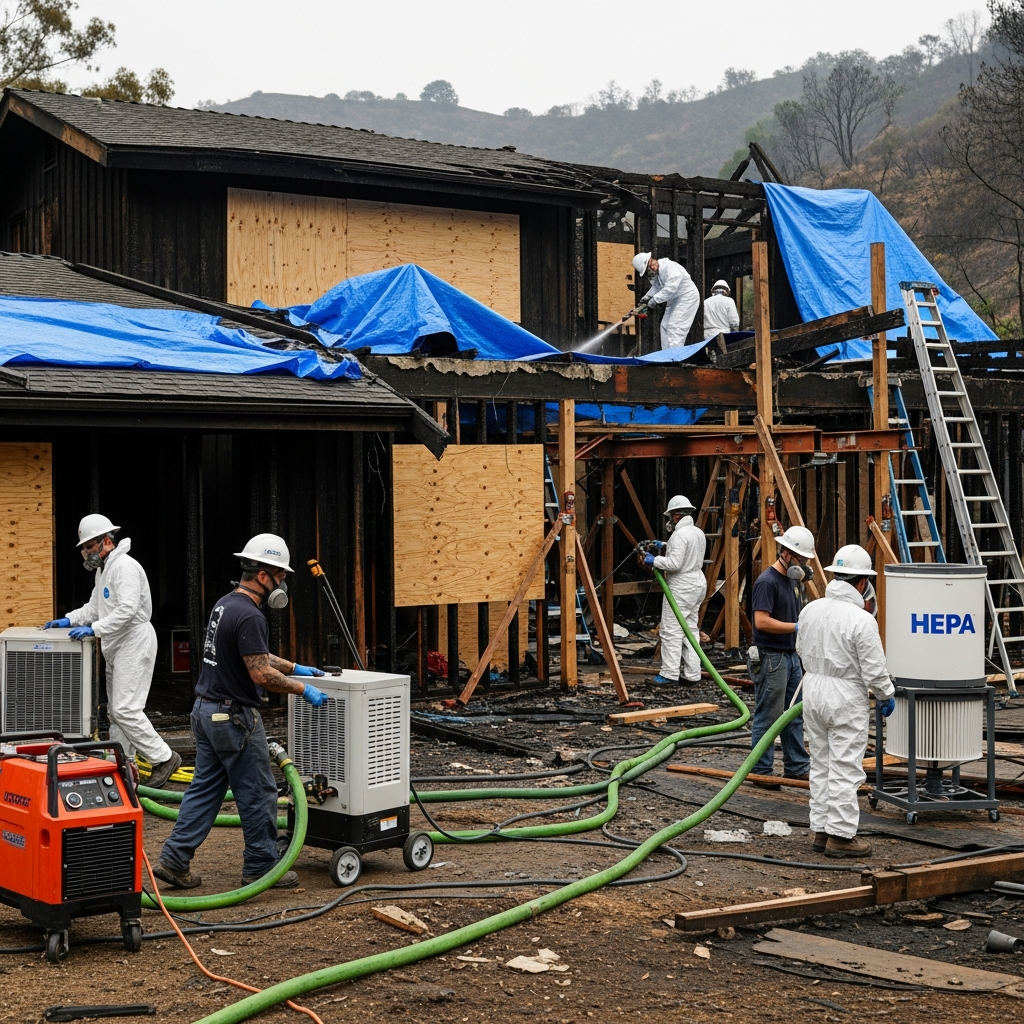
Think of the restoration journey as a series of gates. Each gate opens when information becomes available, and each reveals the next set of tasks. The first gate is emergency stabilization: securing openings, addressing water from firefighting, setting filtration, and arresting corrosion on metals and electronics. The second gate is assessment, where the team investigates visible and hidden pathways of heat, smoke, and moisture through the structure. Only then can a comprehensive plan take shape. In Malibu, that plan must account for hillside access, coastal humidity, salt air’s corrosive tendencies, and the mix of finishes that make our homes unique.
What really drives the cost of restoration work
The most influential factor is extent of damage. A confined stovetop fire may leave heavy protein smoke in the kitchen and adjoining spaces, while a wind-driven ember intrusion can pepper an attic, invade wall cavities, and send residues through ductwork. The first scenario leans heavily on specialized cleaning and deodorization; the second demands structural opening, targeted demolition, and thorough environmental controls. Each home’s design adds nuance—vaulted ceilings hold heat differently, glass walls complicate containment, and custom millwork requires more delicate handling.
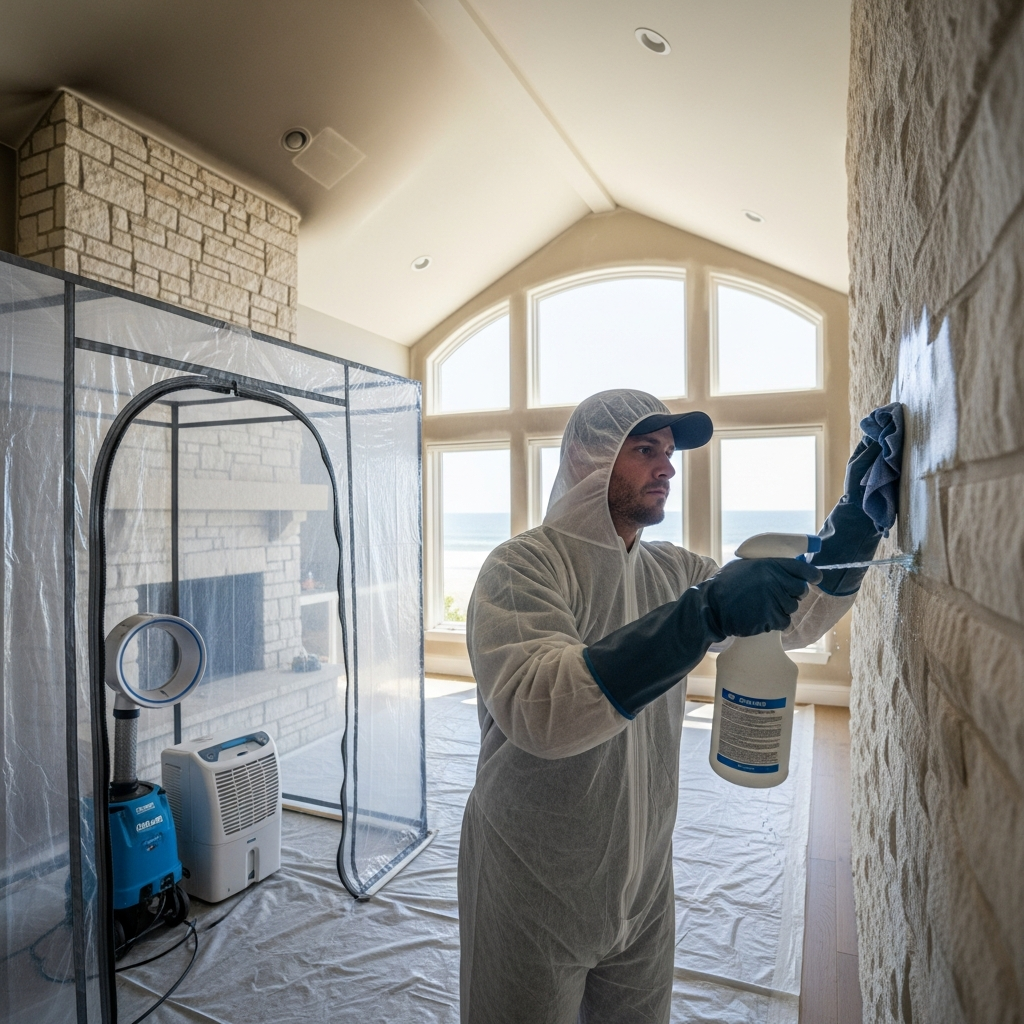
Materials matter. Natural stone can absorb oils and smoke differently than engineered surfaces. European oak reacts differently than walnut to cleaning chemistries. Stainless appliances, brushed brass fixtures, and seaside steel elements each have their own corrosion timelines and restoration techniques. The more bespoke the finishes, the more specialized attention is required to bring them back without replacement. That needs precise planning, more time for mockups and testing, and often careful collaboration with artisans and specialty vendors.
Local logistics and access
Malibu’s topography and infrastructure influence how crews operate. Narrow private lanes, gated driveways, and limited staging areas shape how equipment and materials move in and out. Work hours are often dictated by HOA rules and noise ordinances. Pacific Coast Highway traffic matters, as do seasonal winds and marine layer. All of this informs sequencing. For example, when tarping a roof on a windy afternoon at Point Dume, the plan for safety, tethering, and manpower looks different than it would on a calm morning in Malibu Park. Time is a resource, and good teams budget it like artisans.
Scope development, not guesswork
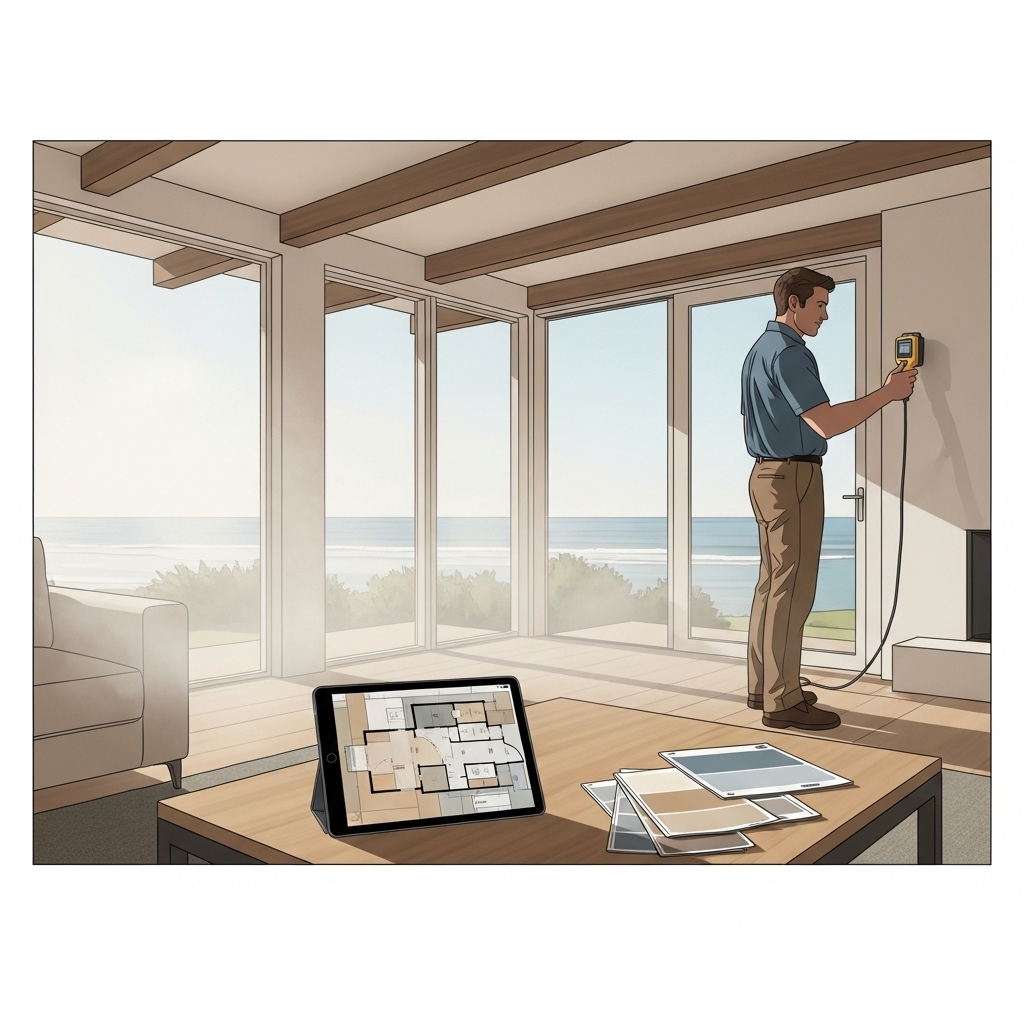
Once the emergency phase stabilizes the property, thorough assessment begins. That includes moisture mapping, soot testing on representative surfaces, and evaluation of assemblies—attics, crawl spaces, and chases. A credible scope reads like a story of the loss: where heat traveled, where smoke settled, what was wet, and what those facts mean for materials and methods. Instead of ballpark figures, you want line items that distinguish between cleaning, selective demolition, and rebuild finishes. The narrative should be specific without locking out sensible alternatives should discoveries arise behind the walls.
The role of contents
Household items—art, textiles, books, electronics, and heirlooms—often constitute a complex component of the project. Decisions about on-site cleaning versus pack-out and cleaning in a controlled facility are guided by both technical suitability and personal priorities. Chain-of-custody, photography, and detailed inventory ensure accountability. Specialized deodorization for textiles or conservation for artwork adds coordination with experts who understand not just materials, but meaning. In a community where many homes blend living with collecting, contents strategy is a key driver of schedule and effort.
Environmental controls and indoor air quality
The science of removing smoke odors is not a matter of fragrance; it is a matter of airflow, filtration, and source removal. HEPA filtration and negative air, combined with disciplined cleaning and targeted deodorization like hydroxyl or controlled fogging, are planned to avoid cross-contamination. Ductwork often needs attention, and returns or supply grilles embedded in custom ceilings or millwork call for careful protection and later cleaning. In Malibu’s coastal climate, humidity management runs alongside these tasks to keep residues from reactivating and to protect sensitive finishes during the process.
There is a moment mid-project when questions sharpen: Are we capturing all affected assemblies? Is the deodorization strategy meeting expectations? Are we coordinating with the adjuster on discoveries responsibly? This is a perfect time to step back with your team and reconfirm objectives. It is also a good time to ensure you have the right Malibu fire damage restoration partner who is comfortable refining the plan as new information emerges, rather than forcing a rigid path.
Estimating with accountability
Reliable estimates translate the story of the loss into clearly described tasks. They separate emergency services from ongoing mitigation and rebuild, making it easier to understand what work solves what problem. The best documents are traceable: photos point to line items, measurements support quantities, and definitions of clean versus replace are explicit. When a particular finish or assembly could be approached in two legitimate ways—say, cleaning and sealing versus replacement—a transparent estimate shows both scenarios with implications for schedule and quality.
Permitting and compliance
In Malibu, building officials expect thoughtful plans that protect life safety and environmental quality. Restoration often triggers permits for electrical or structural repairs, and sometimes reviews for hillside stability or coastal considerations. A team fluent in local codes helps you avoid delays by preparing complete submittals and coordinating inspections methodically. This does not just keep the project legal; it keeps it efficient by ensuring work is inspected and closed at the right moments in the sequence.
Communication as a cost reducer
Clarity saves time. Project meetings with clear agendas, daily logs, and photo updates keep stakeholders aligned. When changes are required, a disciplined approach to documenting discoveries and approvals reduces friction. Good communication also sets expectations around livability if you will remain on-site and around protection of adjacent spaces if you move out. In a delicate environment, a crew that moves like a well-trained orchestra avoids rework—the quietest way to control time and effort.
Quality without compromise
Homeowners sometimes ask whether there is a way to “save” by cutting steps in odor removal or skipping containment during demolition. The truth is, shortcuts tend to create longer detours later. Odors that seem gone in a damp marine layer can return with the first hot afternoon. Skipping protection during selective removal can spread soot into clean spaces. Respected teams aim for solutions that stand up to Malibu’s changing conditions—foggy mornings, dry winds, and sun-heated afternoons—so that your home feels right not just on the day you re-enter but on the many days after.
Choosing partnership over a number
When you look beyond the headline and examine how the work is done, “cost” becomes a measure of diligence, accountability, and craft. The partner you choose should be able to explain the why behind every step and to advocate for your goals with your insurer, your architect if one is involved, and the city. They will not promise what cannot be delivered; they will promise to tell you the truth and to stand behind their work. That is the kind of value you feel long after the last air mover is loaded back on the truck.
Frequently asked questions
How do I discuss scope with my adjuster without getting lost in details?
Ask your restoration team to organize a joint walk-through with your adjuster. Use a room-by-room narrative that ties photos to specific actions. Clarify objectives—stabilization, cleaning, selective removal, rebuild—and confirm how each is addressed. Clear documentation replaces debate with shared understanding.
Why do two companies describe different plans for the same home?
Methods can be legitimately different if the professionals are solving the same problem. One company may emphasize cleaning and sealing where another recommends replacement. The key is alignment with standards of care, material sensitivities, and your expectations. Request mockups or tests when feasible to compare outcomes before committing.
What role do hidden spaces play in scope?
Attics, chases, and crawl spaces often carry smoke and embers. If these areas are overlooked, odors can linger and reappear with weather changes. A careful team investigates and includes them in the plan, whether by cleaning, sealing, or selective removal, supported by testing and visual documentation.
Can I remain in the home during restoration?
Sometimes, in unaffected zones carefully separated by containment with proper air filtration. Many Malibu homes, however, benefit from temporary relocation during heavy mitigation to ensure safety, efficiency, and indoor air quality. Your team should discuss livability honestly and recommend what best protects your health and the project’s momentum.
How should I think about timelines?
Timelines are dependencies, not just dates. Weather, permitting, drying goals, specialty trade availability, and discovery behind walls all influence pace. A dependable schedule explains these dependencies and updates as the project evolves. Expect clarity, not certainty, and you will be better served.
Take the next step with confidence
If you are evaluating options and want a clear, accountable plan tailored to Malibu’s realities, partner with local specialists who will build your roadmap with care. Begin a conversation with trusted professional fire damage restoration experts who will guide you from first stabilization to final finishes, so you can move forward with clarity and peace of mind.