In Malibu, smoke rarely leaves a simple fingerprint. It rides canyon winds, settles during foggy mornings, and works its way into the textures that give local homes their character—plaster walls, raw beams, natural stone, and curated textiles. Cleaning in this environment is as much about strategy as it is about technique. The goal is not only to remove what you see, but also to neutralize what you can smell and feel in the air after the doors are closed and the house grows quiet. When restoration professionals talk about a plan, they are talking about this whole experience: surfaces, contents, and atmosphere working together. Beginning with a careful assessment and the support of seasoned smoke damage restoration specialists ensures each step builds toward a result that lasts.
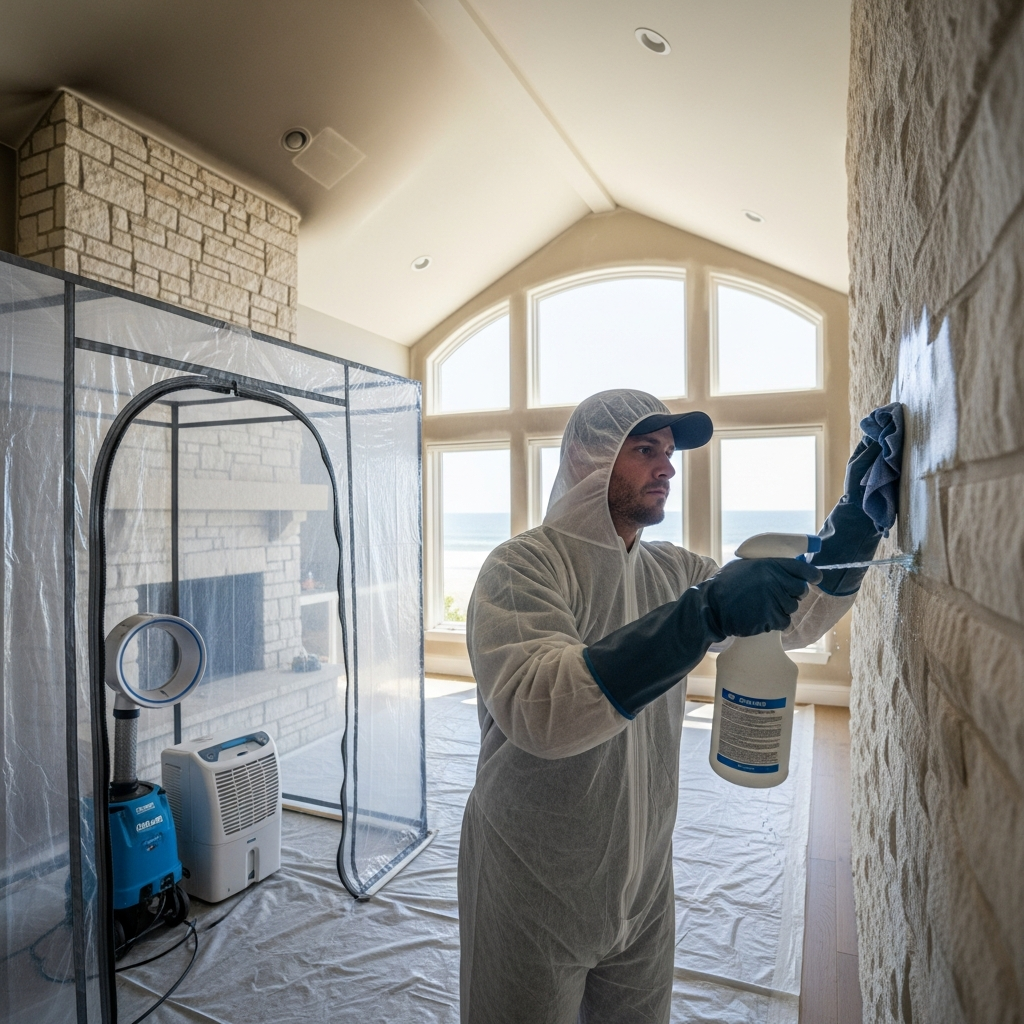
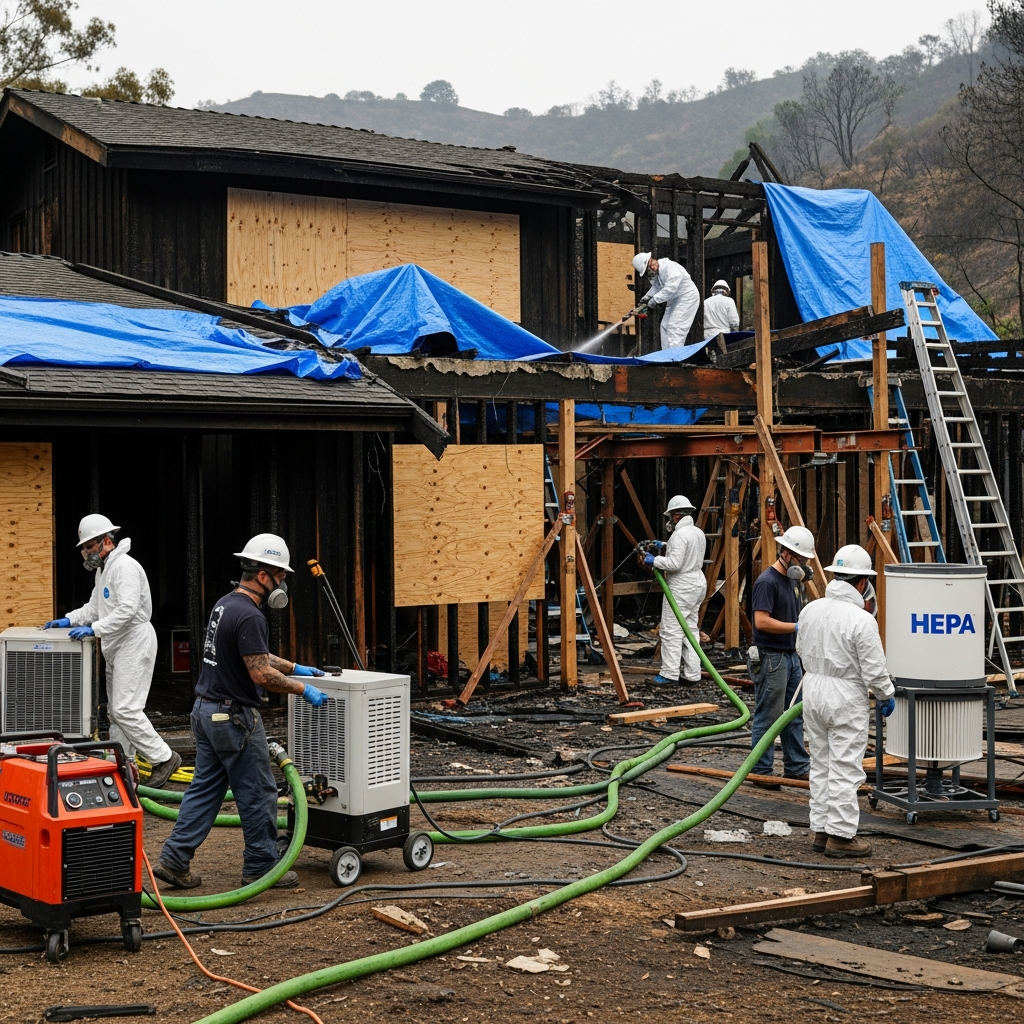
The first step is stabilization. Before any deep cleaning, the home’s air needs to be managed so loose particles stop moving from room to room. Containment separates work zones from living areas, and HEPA filtration begins capturing fine particulate. In Malibu’s coastal climate, moisture management joins early because humidity can amplify soot’s corrosive potential and intensify odors. Stabilization sounds simple, but it shapes everything that follows. A well-stabilized home cleans faster, requires fewer do-overs, and gives clearer feedback when technicians evaluate what is working.
Understanding residues and matching methods
Not all soot is the same. High-heat burns can leave a finer, drier residue, while smoldering smoke may deposit oily films that resist basic detergents. Kitchen incidents create protein residues that cling stubbornly to surfaces. Malibu homes often include a mix of paints, plasters, stones, and woods; each material interacts differently with each residue. Professionals test, then choose a method: dry removal, mechanical agitation with HEPA capture, carefully selected chemistry, and, when needed, poultices for stone that has absorbed oils. Testing saves finishes. It prevents burnishing a matte wall or etching limestone with the wrong cleaner.
Source removal precedes deodorization. This is the foundation of lasting results. When residues are physically lifted from surfaces and extracted from fibers, odor treatments work with less intensity and more precision. Rushing to fog or mask odors without thorough cleaning leads to temporary relief and long-term frustration, especially in Malibu, where morning moisture can wake up residual smells. Patience, sequencing, and documentation are the hallmarks of professionals who aim for outcomes that hold up.
Room-by-room strategy and gentle persistence
Cleaning proceeds like a tide line—finishing one area, verifying, and advancing. Kitchens demand special attention because residues can mingle with existing films inside range hoods and on cabinet interiors. Bathrooms with unsealed stone need careful chemistry and time. Bedrooms often hold textiles that require stabilization before handling, so particles do not embed in fabrics as they are moved. Living rooms with high ceilings and beams collect residues in ledges and junctions that are easy to overlook. The best technicians work from the top down, verify progress with light and touch, and note where a second pass is smart after the space has had time to rest.
Electronics and mechanical systems sit at the crossroads of cleaning and protection. Even a thin layer of soot can be conductive, and marine air can accelerate corrosion on contacts. Coordination with electronics restoration specialists and HVAC professionals keeps the home’s infrastructure healthy. Filter changes are scheduled, coils and returns are checked, and airflow strategies are adjusted as zones open. These practical steps protect the fresh work you see on countertops and walls.
Contents: the movable puzzle pieces
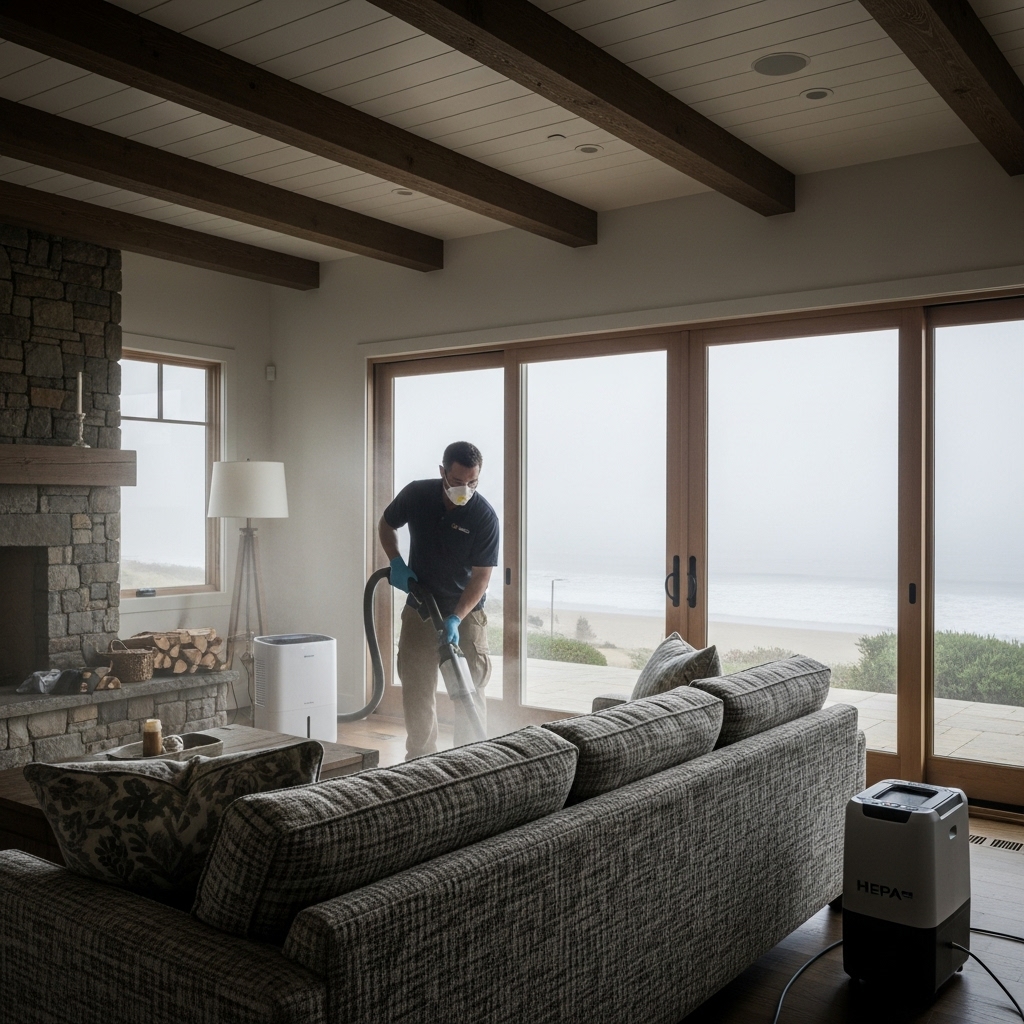
Belongings fill the spaces between surfaces, and they carry their own cleaning challenges. Clothing and linens are stabilized first, then sorted for on-site or off-site treatment. Upholstered furniture is evaluated for compatibility with specific cleaning agents and odor treatments. Rugs are dusted, cleaned, and dried thoroughly before they return to avoid re-introducing particles into a cleaned room. The key is choreography: moving items in a sequence that keeps clean areas clean and protects delicate finishes from accidental scuffs or moisture exposure during handling.
In Malibu, outdoor living is part of everyday life, so exterior areas join the plan. Patio furniture, railings, grill islands, and storage cabinets can harbor residues that drift back inside. Treating these spaces and coordinating their cleaning with interior work reduces the chance of a just-cleaned living room taking a step backward on a breezy afternoon. It also helps the entire property feel balanced again, not just the rooms under a roof.
Deodorization that complements cleaning
With residues removed, deodorization addresses what remains in pores and fibers. Hydroxyl generators are a good option when people or pets remain in the home. Thermal fogging or controlled ozone treatments may be used for unoccupied spaces or contents handled off-site. The method is chosen to suit the materials and the timeline; the goal is neutral air that holds steady even as Malibu’s weather shifts. Professionals verify by checking odor levels at different times of day and after the HVAC cycles, then adjust as needed.
Verification is not a single moment but a series of small checks. Technicians revisit high-touch areas after a day, look for telltale smudges that indicate a missed ledge, and confirm that newly opened closets remain fresh. They also watch how the home feels on a foggy morning versus a dry evening. This feedback loop creates a finish that lasts. It is the difference between a home that seems fine for a week and one that remains right for months.
Local nuances that define Malibu projects
Malibu’s palette of materials invites a light touch paired with technical discipline. Plaster responds to gentle methods and dislikes heavy wetting. Natural stone absorbs oils; poultices and patience pay dividends. Raw or lightly finished wood needs testing to ensure the chosen cleaner does not darken or raise grain. Steel and brass benefit from prompt attention to deter tarnish. These are not obstacles; they are reminders that a home built with character deserves restoration that preserves it.
The layout of Malibu homes—open plans, clerestory windows, hidden chases—affects how smoke moves and how cleaning proceeds. Smoke can settle in lower levels overnight, drift into cabinet cavities, and collect along beam junctions high above a living area. Experienced teams anticipate these patterns, set equipment accordingly, and stage ladders or platforms so that no place is out of reach. They also coordinate with other trades when structural repairs are involved, sequencing steps to avoid rework and protect freshly cleaned surfaces.
Communication and the homeowner’s role
Restoration is a partnership. Homeowners provide crucial context: which windows were open, how the HVAC was set, where odors feel strongest at certain times of day. Professionals translate that context into a plan, then keep you apprised of progress. Daily or weekly updates show what’s finished, what’s underway, and what decisions are coming. Questions are welcome. When you understand the “why” behind each step, you can make choices with confidence—whether to prioritize a room, whether to send a textile to a specialist, or whether a sealer makes sense for a particular surface.
During the middle of a project, you’ll see the rhythm develop: zones opening, equipment relocating, and technicians circling back for verification passes that fine-tune the result. This is a healthy sign. It means the team is paying attention to how the home responds rather than racing for the exit. It is also an ideal time to confirm scheduling for the final push and to talk through any upcoming gatherings or travel so the team can plan around your life. When in doubt, ask for a walkthrough and a status summary that ties back to the original scope. A mid-course conversation about smoke damage restoration goals keeps everyone aligned.
From last pass to lasting peace of mind
As the finish line approaches, the work shifts from broad strokes to detail. Trim lines, hardware, cabinet interiors, and light fixtures get a second look. HVAC filters are changed again, and any remaining odor treatments are completed. Exterior spaces receive their final cleaning so that the whole property resets together. The best crews walk with you, room by room, explaining what was done, what was discovered along the way, and how to keep it fresh—simple steps like replacing filters on schedule and giving a recently treated stone surface time to cure before heavy use.
When a project closes well, the home does more than look clean. It feels balanced. Doors open to ocean air without a hint of yesterday’s smoke. Closets smell like cedar and fabric, not like embers. Countertops gleam without tackiness. That feeling is the product of a plan that respected both the science of residue removal and the art of living comfortably in a Malibu home.
Frequently asked questions
Why is Malibu’s climate such a big factor in smoke cleaning?
Humidity and salt air change how residues behave and how materials respond. Moisture can intensify odors and make soot more corrosive, especially on metals and electronics. Recognizing these dynamics helps professionals choose the right sequence, chemistry, and verification steps for lasting results.
Do I really need to clean outdoor spaces?
Yes. Patios, balcony furniture, grills, and storage can hold residues that migrate back inside. Treating these areas alongside interior rooms prevents re-contamination and supports a complete reset of the property.
What if my walls are plaster and my floors are natural stone?
These materials demand gentle, tested methods. Plaster dislikes heavy wetting and aggressive scrubbing, while stone can absorb oily residues that require poultices. A professional plan will test, demonstrate likely outcomes, and proceed in phases to protect finishes.
Can my family stay in the house during cleaning?
Often, yes, with containment and air management separating work zones from living areas. Certain odor treatments require vacancy; your team will plan those around your schedule. Many Malibu projects keep parts of the home comfortable throughout.
How do I know cleaning is truly complete?
Verification brings confidence. Odor checks at different times of day, particle measurements, and visual inspection under proper light confirm that the result will hold. The team will also review maintenance steps to keep everything fresh.
What about my clothes and soft goods?
Textiles are stabilized first to prevent particles from embedding, then cleaned either on-site or off-site depending on fabric and construction. Labeling and careful handling ensure items return to the right places without re-soiling newly cleaned rooms.
If your Malibu home has been touched by smoke and you are ready for a clear, respectful path back to normal, connect with a team that pairs local insight with disciplined technique. Start with an assessment, ask questions, and expect steady communication through every phase. For expert guidance and a result that feels as good as it looks, reach out to trusted professionals in smoke damage restoration who can carry your home from the first cleanup to the final, satisfying breath of fresh ocean air.